Poster from TMDB
Film · TMDB
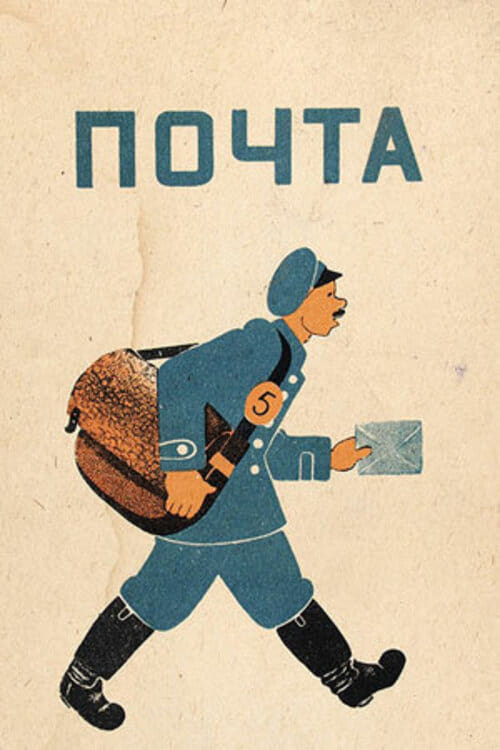
5.4A boy is sitting at a table, writing a letter for Boris Prutkov. The cartoon follows the journey of this letter from Rostov to Leningrad, where its addressee Prutkov has just left for Berlin; when the letter arrives in Berlin, Prutkov has just departed for London; as the letter arrives in London, Prutkov is already on a steamboat to Brazil, and once the letters is delivered by postman Don Basilio, Prutkov is already on his way back to Leningrad– where the letter, having followed Prutkov around the world, finally reaches him. The film sings a song of praise to the global postal services and to the reliability of the postmen, but it also tells the story of a journey around the world, returning once more to the new Soviet capital: Leningrad.
This product uses the TMDB API but is not endorsed or certified by TMDB.
Wikidata facts
- Genre
- silent film
- Country of origin
- Soviet Union
- Director
- Mikhail Tsekhanovsky
- Screenwriter
- Samuil Marshak
- Voice actor
- Daniil Kharms
- Duration
- 15
Show 8 more facts
- publication date
- 1929-01-01
- fabrication method
- cutout animation
- production designer
- Mikhail Tsekhanovsky
- title
- Почта
- color
- black-and-white
- production date
- 1929-00-00
- Commons category
- The Post (1929 film)
- copyright status
- public domain
Sources (2)
via Wikidata · CC0
Article · Русский
«Почта» — мультипликационный фильм 1929 года, снятый в СССР и стоящий на рубеже начала звукового периода в истории советской мультипликации. Первая киноработа Михаила Цехановского, основанная на его собственных иллюстрациях к изданному в 1927 году стихотворению Самуила Маршака и в динамике развивающая реализованный в книге конструктивистский стиль графики. После выхода фильма отношение к мультипликации изменилось, её стали считать самостоятельной разновидностью искусства. «Почта» стала первым советским мультфильмом в массовом прокате, первым советским мультфильмом, широко демонстрировавшимся за рубежом, а раскрашенная версия — первым советским цветным мультфильмом. Новацией фильма стали также неожиданные диагональные ракурсы и ритмическая, синхронизированная со звуком, организация рисунка.
Abstract from DBpedia / Wikipedia · CC BY-SA