浦东新区
Also known as Pudong New Area, Pudong New District, Pu Dong, Pu Dong New Area, Pu Dong Xin Qu, Pudong Xin District, Pudong Xinqu, Pudong Xin Qu
中國上海市的市轄區
AI overview
Pudong is a district of Shanghai located east of the Huangpu River, directly across from the historic city center of Puxi. It has grown from the river's east bank into the larger Pudong New Area, a state-designated development zone that stretches eastward to the East China Sea.
AI-generated from the Wikipedia summary — may contain errors.
Weather now
cached 11h ago26°light rain
91% 5.2 m/s OpenWeatherMap
7-day forecast
via Open-Meteo
Travel guide
Understand
The term "Pudong" is somewhat ambiguous: This article covers the highly developed central area. Officials and media often use it for the much larger administrative district Pudong New Area. This includes the large suburban area Nanhui to the south, which has a separate article. Taken literally, it just means "east of the Huang Pu". West of the river is Puxi.
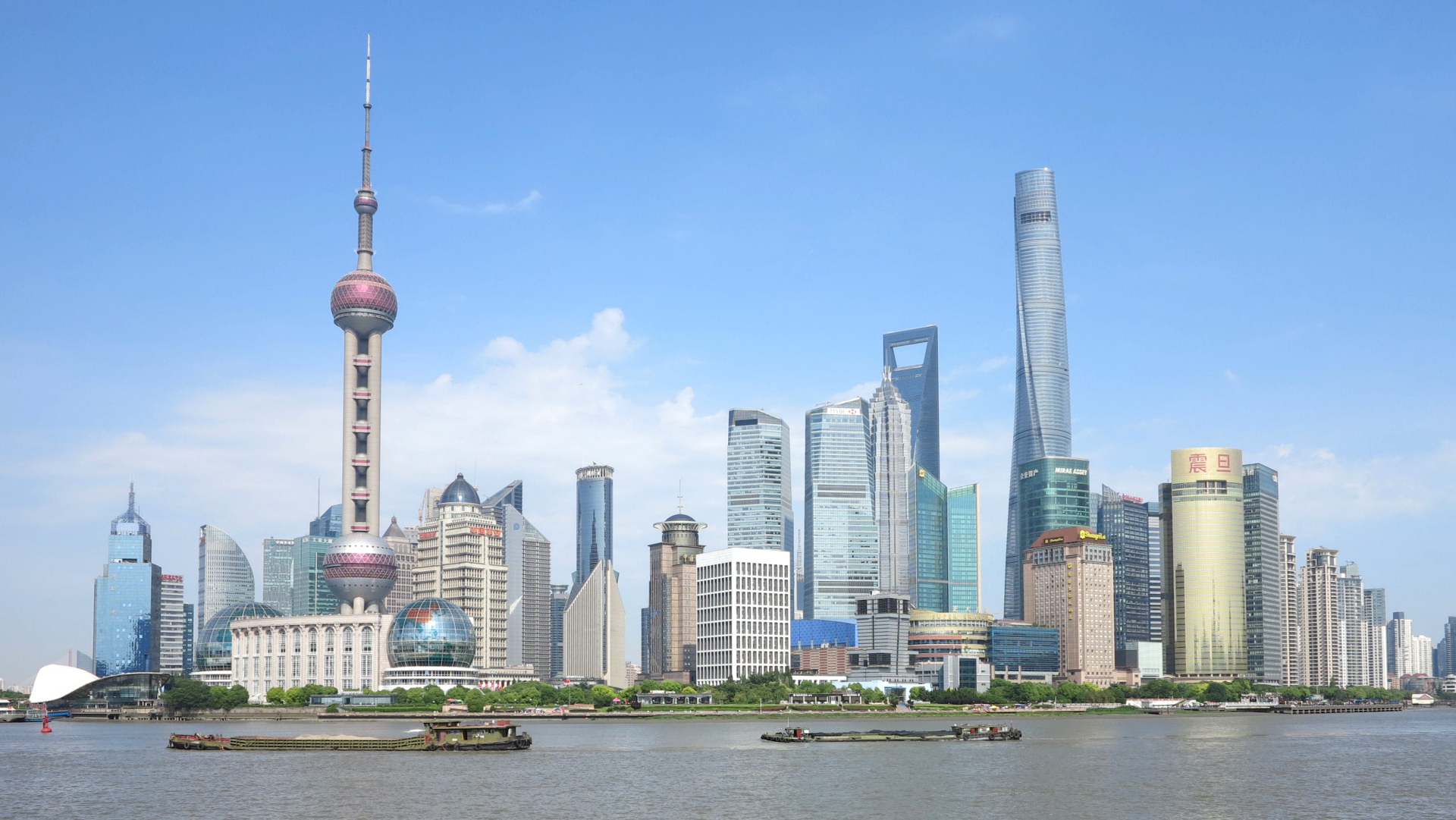
As part of Deng Xiao Ping's "Reform and Opening Up" program starting in the late 1970s, China introduced a program of Special Economic Zones to encourage development and foreign investment. The program has been quite successful and all those zones have seen rapid development. Pudong New Area may be the most successful of the lot; in particular, the pace of development in the downtown Pudong area which this article covers has been absolutely phenomenal. thumb|Lujiazui, seen from the Bund Until about 1990 Pudong was mostly farmland and low-rise residential or factory areas. An urban planning site has "Pudong Miracle" photos showing the same view in 1990 and 2010; the contrast is incredible. They also have an interesting critique of the urban design.
The most highly developed area of Pudong is Lujiazui, a peninsula sticking out into the Huang Pu directly across from Downtown Shanghai, the older center of town on the Puxi (west) side. The banner photo at the top of the page is within Lujiazui; the photo on the right is a view of Lujiazui from the Bund, a riverside boulevard in Puxi. This is a view that is photographed a gre…
Get in
There is no bridge for pedestrians to cross, so if coming from the west side of the Huangpu River, your options are metro, taxi, ferry, sightseeing tunnel or bus. The cheapest way is to take the ferry from the Bund, near Yan'an Donglu, at the price of ¥2. Using the metro costs only a bit more.
Get around
400px|thumb|Elevated walkway near Lujiazui Station
See
Many of the sights of Pudong are the large buildings of Lujiazui, all built since 1990. As of mid-2017 the area has three buildings on Wikipedia's list of the world's 50 tallest, including two in the top ten. Counting the Pearl Tower — which does not make that list because it does not have floors all the way up — there are four buildings over 400 m, a quarter mile high. thumb|Oriental Pearl Tower thumb| Left-to-right: Shanghai World Financial Center, Jin Mao Tower and Shanghai Tower The area also has other attractions.
Article · 中文
浦东新区是中华人民共和国上海市的一个副省级市辖区,范围包括黃浦江以东到长江口之间的区域,西南面与奉贤区、闵行区接壤,西面与徐汇区、黄浦区、虹口区、杨浦区、宝山区等六区隔黄浦江相望,东北面与崇明区隔长江相望。全区面积1429.67平方公里,2012年常住人口518.72万人,是上海市人口最多的行政区。 1990年4月18日,中华人民共和国政府作出浦东开发开放的决策,并于1992年10月11日批准以川沙县为主体设立浦东新区,并在浦东进行一系列大型开发建设项目。2005年,上海浦东新区获批成为中国首个国家综合配套改革试验区。2009年5月,南汇区并入浦东新区,使得浦东新区成为上海市第二大的行政区。当前,浦东新区是中华人民共和国的综合配套改革试验区、副省级区和国家级新区,是社会主义现代化建设引领区,也是中国大陆经济产业最发达的地区之一。
Abstract from DBpedia / Wikipedia · CC BY-SA
Gallery (22)
On the map
3 mapped locations