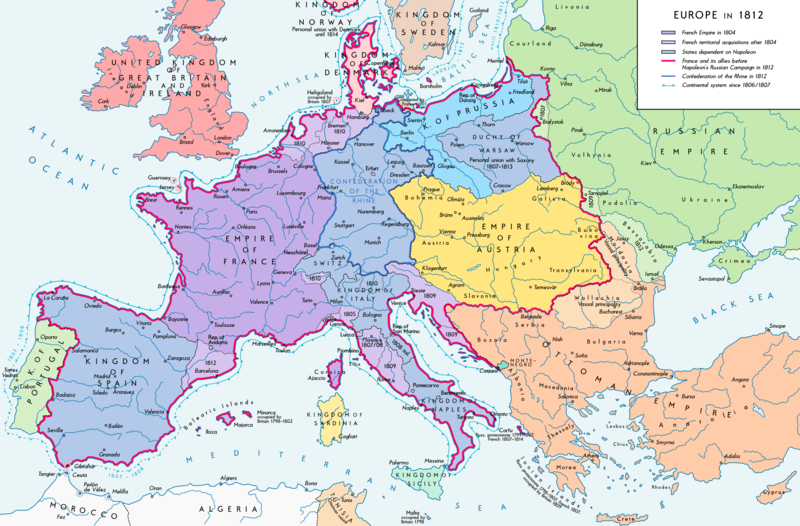
File:Europe_1812_map_en.png · Wikimedia Commons · See Wikimedia Commons
傀儡政權
Sign in to saveAlso known as puppet government, puppet regime, mendicant foreign policy, mendicant diplomacy, dependent foreign policy, diplomatic mendicancy
从属国的一类
A puppet state is a country that appears to be independent but is actually controlled by a more powerful outside nation that pulls the strings behind the scenes. This matters because it means the puppet state's government serves the interests of the foreign power rather than its own people, even though it maintains the appearance of self-rule.
AI-generated from the Wikipedia summary — may contain errors.
Wikidata facts
- Subclass of
- client state
- Said to be same as
- satellite state
Show 7 more facts
- topic's main category
- Category:Puppet states
- different from
- client state
- opposite of
- great power
- on focus list of Wikimedia project
- Wikipedia:Vital articles/Level/4
- Commons category
- Puppet states
- position held by head of the organization
- Puppet ruler
- facet of
- international law
via Wikidata · CC0
Article · 中文
傀儡政权,又称傀儡国、偽政府,是指形式上獨立,但其内政外交卻受到外國指揮、控制的政權,是從屬國的一類。一些小國内政外交往往難免會受到大國的影響,但這並不意味著受到指揮控制,不可以視為傀儡政權。 傀儡政权是一个特定意识形态和民族认同中产生的词汇,通常指某个政权,因为外国势力的扶持,或者由外国侵略者所建立和控制而导致其法统“非法”。这种观点认为:當一個政權的最高首腦由外國勢力授意產生,而不是由本國公民選舉產生,該政權必然是傀儡政權。 傀儡政权一词有浓厚的政治意识形态和民族主义的色彩,不少处于内战,或者有外国势力插手的战争中的政治实体,都互相指责对方是某一外国势力的“傀儡政权”,其軍隊為「偽軍」,己方则是“合法政府”。比如說中華民國政府和中華人民共和國政府就曾相互指責對方为美國或苏联的傀儡政權。大韩民国政府和朝鮮民主主义人民共和国政府、1975年越南统一前的越南共和国政府和越南民主共和国政府、1990年两德统一前的德意志联邦共和国政府和德意志民主共和国政府也是如此。
Abstract from DBpedia / Wikipedia · CC BY-SA
Gallery (9)
Available in 73 languages
- Español
- Français
- Deutsch
- 中文
- 日本語
- Русский
- Português
- Italiano
- العربية
- Afrikaans
- Albanian
- Armenian
- Asturian
- Azerbaijani
- Bahasa Indonesia
- Bangla
- Basque
- Belarusian
Show 54 more
- Bulgarian
- Catalan
- Central Kurdish
- Croatian
- Czech
- Egyptian Arabic
- Esperanto
- Estonian
- Finnish
- Galician
- Georgian
- Greek
- Hebrew
- Hungarian
- Icelandic
- Interlingua
- Karachay-Balkar
- Lao
- Latin
- Latvian
- Limburgish
- Lithuanian
- Lombard
- Macedonian
- Malay
- Mingrelian
- Mongolian
- Nederlands
- Norwegian
- Occitan
- Polski
- Punjabi
- Romanian
- Sardinian
- Serbian
- Serbian (Latin)
- simple
- Sinhala
- Slovak
- Slovenian
- Svenska
- Tiếng Việt
- Türkçe
- Ukrainian
- Urdu
- Welsh
- Western Frisian
- Western Panjabi
- Wu Chinese
- zh_min_nan
- zh_yue
- فارسی
- ไทย
- 한국어
via Wikidata sitelinks · CC0