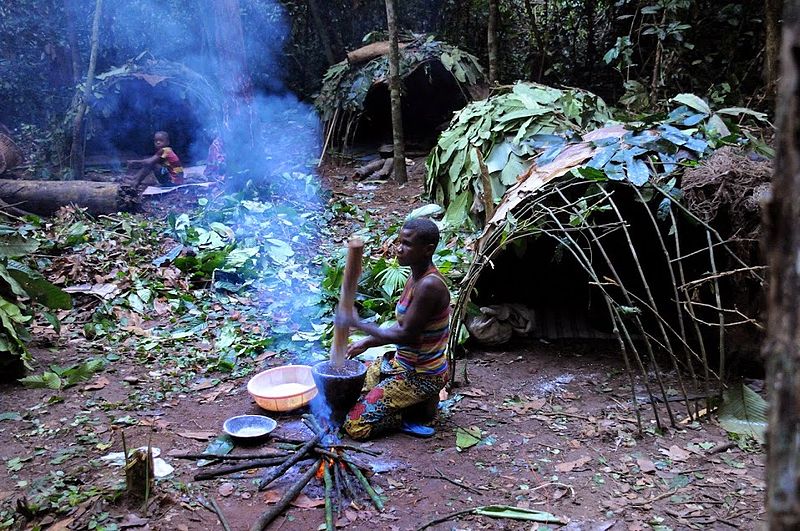
File:Living_on_the_rainforest.jpg · Wikimedia Commons · See Wikimedia Commons
pygmy peoples
Sign in to saveAlso known as Aka, Baka, Mbuti, Pueblos pigmeos, Pigmeos, Pigmeo, Pigmeo, Africano, Gente del bosque
ethnic groups whose average height is unusually short
Pygmy peoples are ethnic groups found primarily in Africa and Southeast Asia whose average adult height is notably shorter than other populations in their regions. Understanding these populations matters because they represent important human genetic and cultural diversity, though they have historically faced discrimination and marginalization by taller neighboring groups.
AI-generated from the Wikipedia summary — may contain errors.
Wikidata facts
- Country
- Myanmar
- Image
- Batwa2.jpg
Show 1 more fact
- has characteristic
- short stature
Sources (2)
via Wikidata · CC0
~22 min read
Encyclopedic overview
In anthropology, pygmy peoples are ethnic groups whose average height is unusually short. The term pygmyism is used to describe the phenotype of endemic short stature (as opposed to disproportionate dwarfism occurring in isolated cases in a population) for populations in which adult men are on average less than 150 cm (4 ft 11 in) tall.
Although the term is sometimes considered derogatory because it focuses on a physical trait, it remains the primary term associated with the African Pygmies, the hunter-gatherers of the Congo Basin (comprising the Bambenga, Bambuti and Batwa). The terms "Asiatic pygmies" and "Oceanic pygmies" have also been used to describe the Negrito populations of Southeast Asia and Australo-Melanesian peoples of short stature. The Taron people of Myanmar are an exceptional case of a pygmy population of East Asian phenotype.
Excerpted from Wikipedia’s “pygmy peoples” article, available under the CC BY-SA 4.0 licence.