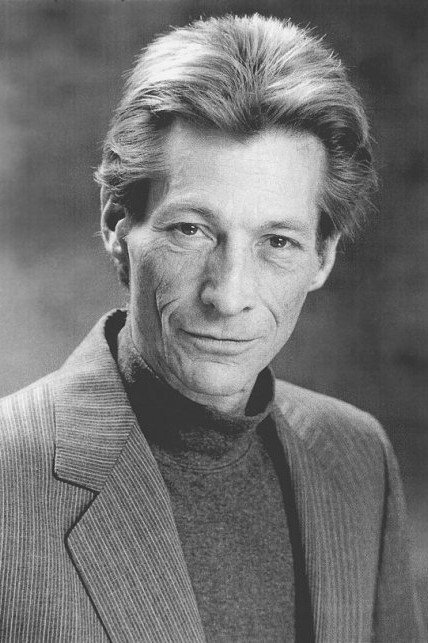
Profile via TMDB · Courtesy of TMDB
Person · Open Library
- Works
- 9
Top works
- Passion for Cooperation
- Evolution of Cooperation
- Harnessing Complexity
- Donnant, donnant
- Complexity of Cooperation : Agent-Based Models of Competition and Collaboration, the
via Open Library + Wikidata
Film & TV
New York City, New York, USA
Robert Axelrod, also credited as Axel Roberts and Myron Mensah (born May 29, 1949) was an American actor. He was primarily known for his voice work, which included Digimon, having started voice acting for the English-language versions of anime in 1980; providing the voice of Lord Zedd, the main antagonist of the Mighty Morphin Power Rangers; and Finster, the original Mighty Morphin Power Rangers…
Known for
- The Blazing World — Messenger2018
- Tales of Frankenstein — Dinu2018
- Bagboy — Terry Bruge-Hiplo2015
- Mighty Morphin Power Rangers: Green With Evil — Fonster (voice)2014
- The Neighbors — Prince George2014
- The Goldfish — Sergio2013
- Tim and Eric's Billion Dollar Movie — Self2012
- Mommy's Little Monster — Dr. Aberdeen2012
- Monday Morning — Mitch Katz2012
- Check It Out! with Dr. Steve Brule — Terry Bruge-Hiplo2010
via TMDB
Listeners · Last.fm
- Listeners
- 3
- Total plays
- 5
<a href="https://www.last.fm/music/Robert+Axelrod">Read more on Last.fm</a>
Wikidata facts
- Instance of
- human
- Given name
- Robert
- Gender
- male
- Citizenship
- United States
- Place of birth
- New York City
- Place of death
- Los Angeles
- Occupation
- voice actor
- Educated at
- Queens College
- Languages spoken
- English language
- Official website
- robertaxelrod.wix.com/robertaxelrod
- Image
- Robert Axelrod 8x10v3-TCr.jpg
Show 6 more facts
- name in native language
- Robert Axelrod
- date of birth
- 1949-05-29
- Commons category
- Robert Axelrod
- ethnic group
- Russian Americans
- date of death
- 2019-09-07
- social media followers
- 4515
Sources (4)
via Wikidata · CC0