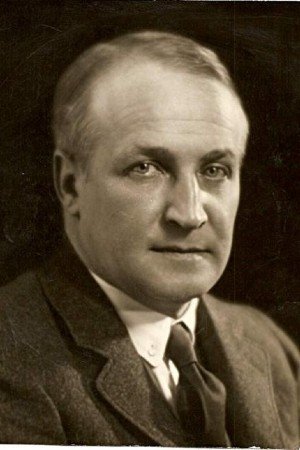
Profile via TMDB · Courtesy of TMDB
Robert J. Flaherty
Sign in to saveAlso known as Robert Joseph Flaherty, Bob Flaherty, Robert Flaherty
American documentary filmmaker (1884-1951)
Film & TV
Iron Mountain, Michigan, USA
Robert Joseph Flaherty (February 16, 1884 – July 23, 1951) was an American filmmaker who directed and produced the first commercially successful feature-length documentary film, Nanook of the North (1922). The film made his reputation and nothing in his later life fully equaled its success, although he continued the development of this new genre of narrative documentary with Moana (1926), set in…
Known for
- Cast of Shadows — self (archival)2025
- Monica in the South Seas — Self (archival footage)2023
- A Boatload of Wild Irishmen — Self (archive footage)2010
- The Land — Narrator (voice)1942
via TMDB
Key facts
- Born
- Robert Joseph Flaherty , ( 1884-02-16 ) February 16, 1884, Iron Mountain, Michigan , U.S.
- Died
- July 23, 1951 (1951-07-23) (aged 67), Dummerston, Vermont , U.S.
- Occupation
- Filmmaker
- Spouse
- Frances Johnson Hubbard
- Children
- Monica Flaherty Frassetto , 3 others
- Relatives
- Martha Flaherty (Granddaughter)
via Wikipedia infobox
Wikidata facts
- Instance of
- human
- Given name
- Robert
- Gender
- male
- Citizenship
- United States
- Place of birth
- Iron Mountain
- Place of death
- Dummerston
- Spouse
- Frances H. Flaherty
- Occupation
- photographer
- Educated at
- Upper Canada College
- Languages spoken
- English language
- Image
- Portrait of Robert J. Flaherty.jpg
- Number of children
- 4
- Work location
- Bora Bora
Show 12 more facts
- member of
- Royal Geographical Society
- Commons category
- Robert Flaherty
- date of birth
- 1884-02-16
- date of death
- 1951-07-23
- nominated for
- Academy Award for Best Story
- has works in the collection
- J. Paul Getty Museum
- related category
- Category:Films directed by Robert Flaherty
- floruit
- 1931-01-01
- name in native language
- Robert Joseph Flaherty
- start of work period
- 1922-00-00
- Commons Creator page
- Robert J. Flaherty
- artist files at
- Musée national des beaux-arts du Québec
Sources (11)
via Wikidata · CC0
~18 min read
Encyclopedic overview
R.J. Flaherty taking a movie, Port Harrison, QC, 1920-21
Robert Joseph Flaherty (/ˈflæ.ərti, ˈflɑː-/; February 16, 1884 – July 23, 1951) was an American filmmaker who directed and produced the first commercially successful feature-length documentary film, Nanook of the North (1922). The film made his reputation and nothing in his later life fully equaled its success, although he continued the development of this new genre of narrative documentary with Moana (1926), set in the South Seas, and Man of Aran (1934), filmed in Ireland's Aran Islands. Flaherty is considered the father of both the documentary and the ethnographic film.
Excerpted from Wikipedia’s “Robert J. Flaherty” article, available under the CC BY-SA 4.0 licence.