Encyclopedia of Life · EOL (see source)
Sanicula
Sign in to saveAlso known as sanicle
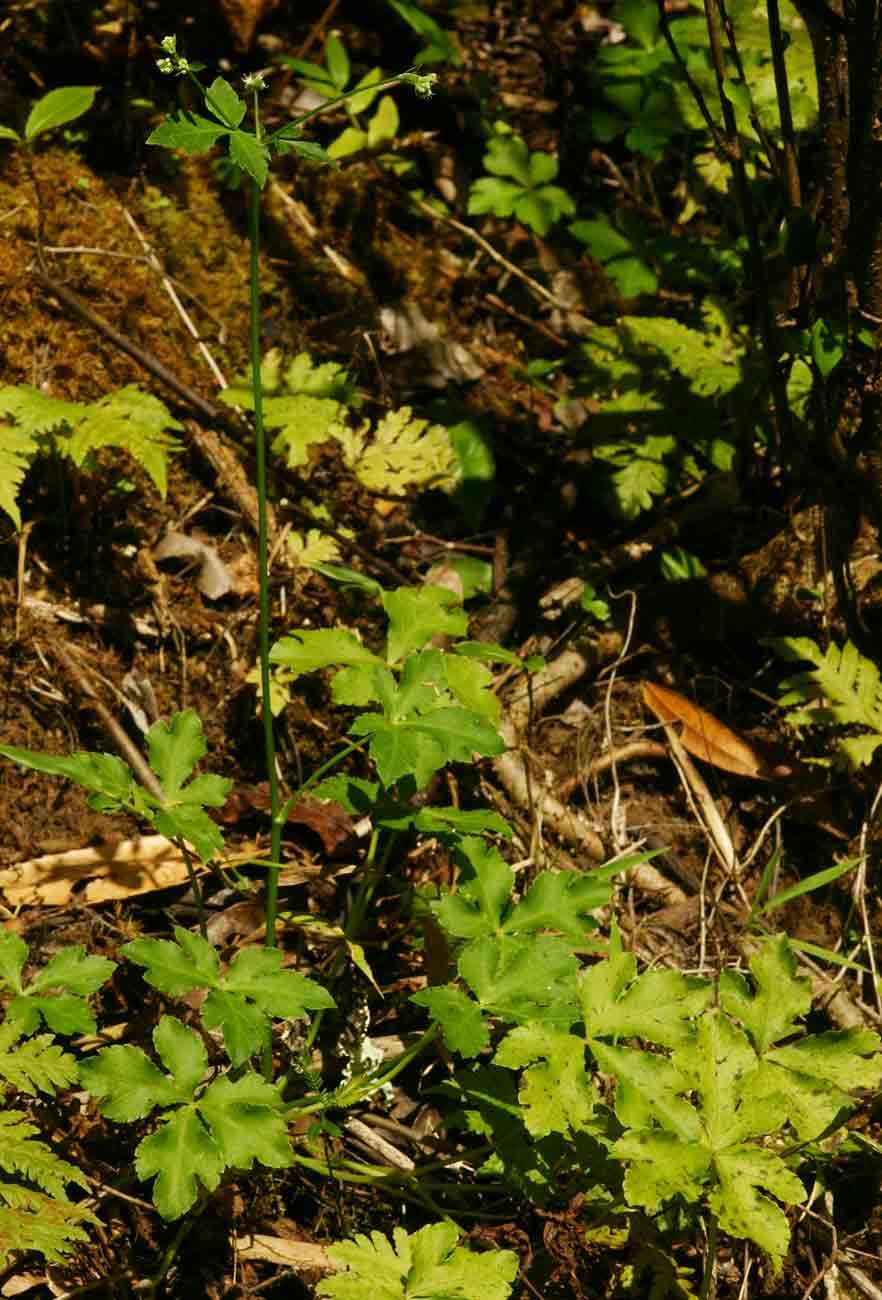
Sanicula is a genus of plants in family Apiaceae (or Umbelliferae), the same family to which the carrot and parsnip belong. This genus has about 45 species worldwide, with at least 22 in North America. The common names usually include the terms sanicle or black snakeroot.
Species
GENUS
- KingdomPlantae
- PhylumTracheophyta
- ClassMagnoliopsida
- OrderApiales
- FamilyApiaceae
变豆菜属(学名:Sanicula)是伞形科下的一个属,为草本植物。该属共有约37种,分布于热带和亚热带地区。
via GBIF · Kew POWO
Museum specimens
- Specimen records
- 720
- With media
- 557
- Family
- Apiaceae
- Collections
- CAS, DAV, BRIT, LOB, MSC, CM
- Recorded in
- United States, Madagascar, Philippines, Mexico, China, Canada, France
Research
48 papers- Sanicula Spring Water.The Homoeopathic physician · 1890
- Sanicula.The Homoeopathic physician · 1889
- Saniculamin C, a new flavonoid from Sanicula lamelligera.Journal of Asian natural products research · 2021
- Phylogeny and diversification of genus Sanicula L. (Apiaceae): novel insights from plastid phylogenomic analyses.BMC plant biology · 2024
- Complete chloroplast of four Sanicula taxa (Apiaceae) endemic to China: lights into genome structure, comparative analysis, and phylogenetic relationships.BMC plant biology · 2023
via PubMed
Wikidata facts
- Instance of
- taxon
- Parent taxon
- Saniculeae
- Image
- Illustration Sanicula europaea0.jpg
Show 8 more facts
- taxon rank
- genus
- taxon name
- Sanicula
- Commons category
- Sanicula
- topic's main category
- Category:Sanicula
- taxon common name
- 变豆菜属
- taxonomic type
- Sanicula europaea
- PAEnflowered taxon URL
- www.paenflowered.org/apgii/apiales/apiaceae/sanicula
Sources (3)
via Wikidata · CC0
~2 min read
Encyclopedic overview
4 sectionsContents
- Etymology
- List of species
- References
- External links
Sanicula is a genus of plants in family Apiaceae (or Umbelliferae), the same family to which the carrot and parsnip belong. This genus has about 45 species worldwide, with at least 22 in North America. The common names usually include the terms sanicle or black snakeroot.
==Etymology== Sanicula comes from sanus, Latin for "healthy", reflecting the use of S. europaea in traditional remedies.
Excerpted from Wikipedia’s “Sanicula” article, available under the CC BY-SA 4.0 licence.