Person · Open Library
- Works
- 39
Top works
- Death of an Ordinary Man
- Maggie the Church Mouse
- Aftermath
- American Apocalypse
- Eat Your Vegetables
via Open Library + Wikidata
Music · MusicBrainz
- Type
- Person
- Gender
- Male
- Origin
- United States
- Active from
- 1912-05-18
- Active to
- 2001-05-12
Discography
- Perry Como Sings Merry Christmas Music1946
- A Sentimental Date With Perry1948
- If You Were My Girl / I Cross My Fingers1950
- Around the Christmas Tree1953
- So Smooth1955
- Perry Como Sings Hits From Broadway Shows1956
- Relaxing With Perry Como1956
- Dream Along With Me1957
- We Get Letters1957
- Saturday Night With Mr. C.1958
via MusicBrainz · CC0
Listeners · Last.fm
- Listeners
- 53
- Total plays
- 2,159
<a href="https://www.last.fm/music/Sarah+Perry">Read more on Last.fm</a>
Described at
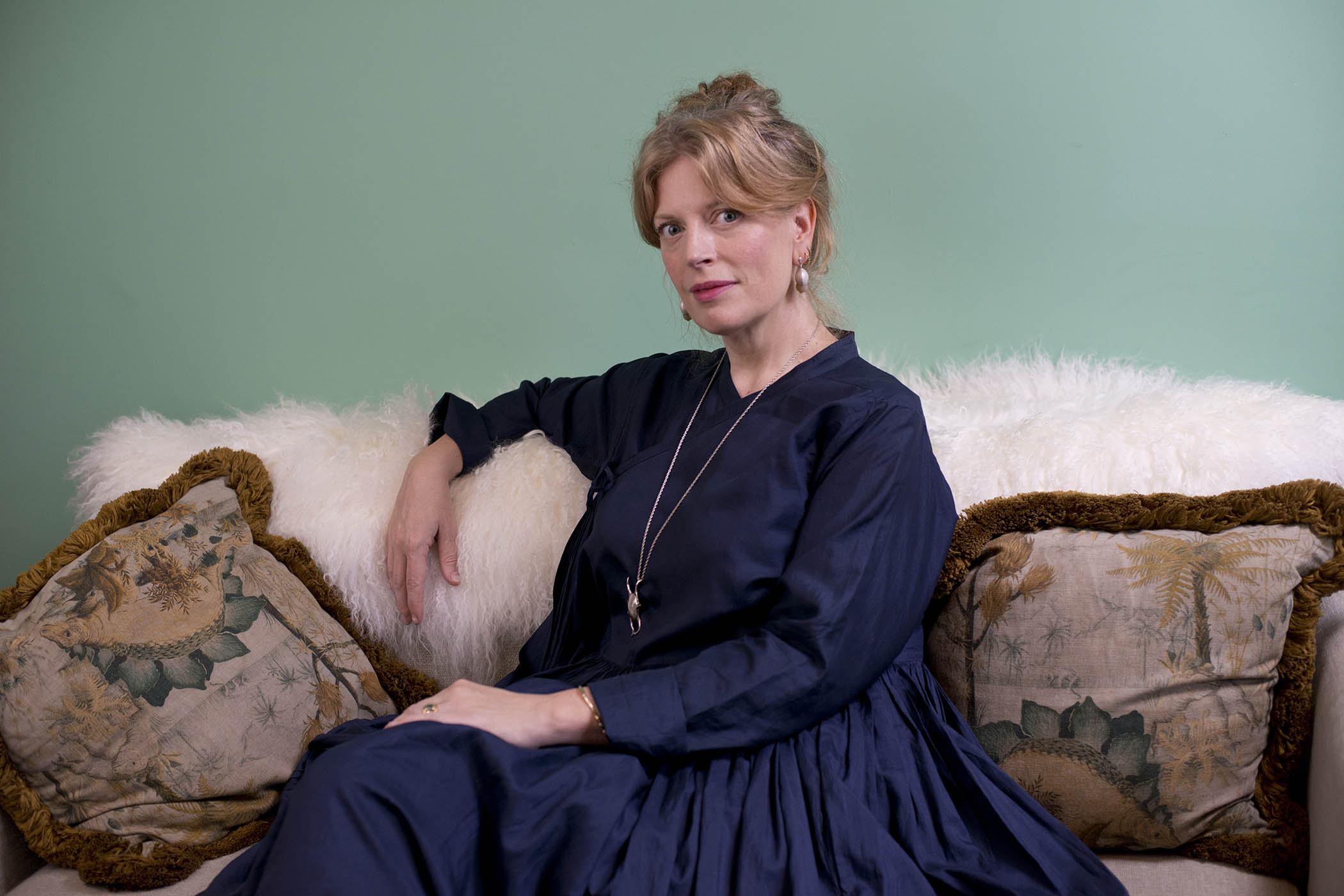
Sarah Perry on the reality of death: ‘It is the most asto...
Following her father-in-law’s death from cancer, nine days after diagnosis, the Essex Serpent author wrote the book she found herself lacking at the time – a clear-eyed companion to sickness, faith and care at the end of life
observer.co.uk →From the moment Sarah Perry saw death in the face of her father-in-law David – barely a fortnight after they had eaten doughnuts at the seaside with no glimmer of the cancer that was already consuming him – she found herself inhabiting a divided self: the frightened and exhausted daughter-in-law, elbow-deep in the messy physical business of caring, and the writer, observing as if from above, knowing that when the time came she would set it all down. Perry found a legion of fans in 2016 with her breakthrough second novel, The Essex Serpent , one of those rare books that earned both commercial success and literary accolades. She followed it with two novels, Melmoth and Enlightenment , and a short work of non-fiction, Essex Girls , a gleeful upending of the caricatured view of women from her home county. Though she has previously written personal essays, Death of an Ordinary Man is her first work of memoir. And while it was Perry who put the words on paper, she calls the process of writing it “a joint endeavour” with her husband Robert. David Perry’s unexpectedly rapid decline and death from oesophageal cancer at the age of 77, only nine days after diagnosis, left Perry and her husband unmoored, with little in the way of navigational aids (a printed NHS leaflet entitled W ho to Call? becomes a constant companion, thumbed and reached for in extremis like a medieval prayer book). The lack of literary precedent for the experience into which they found themselves plummeting – the imagery of falling recurs frequently – was also a factor in her desire to write about it. “I wanted – not to sound too George Eliot and pompous – to write something that was an act of common good, ” she says, with the cheerful and unself-conscious seriousness that characterises all her conversation about writing. “While it was happening, I understood that in the past a woman of my age – I was 43 at the time – would have seen death and been familiar with all the processes of it, and had rituals and companionship. But there was nothing, because death has become undomesticated and hospitalised and concealed, so I wanted to write a book that would be a friend, if you know what I mean.” The result is a quiet masterpiece of compression that harks back to the Ars moriendi – or the “art of dying” – texts of the 15th century (just one of many learned references, which span Galileo to Lucretius, peppering a book that also deals frankly with commodes and incontinence pants). The title belies its subject, or rather, tells only half the story, because Perry takes the view that “there are no ordinary lives” and that we play out our day-to-day “against the almost incomprehensible grandeur and strangeness of the universe”. “Death itself is the most ordinary and inevitable thing,” she explains, “and I think it should be considered more ordinary, more familiar . But it’s also the most astonishing thing I’ve ever seen, and the saddest and the most beautiful and the most terrible thing I’ve ever seen, so I’m constantly dealing with the fact that [those opposites] don’t cancel each other out, they exist together.” This framing of individual lives in the context of infinity is common to Perry’s fiction and a worldview formed by her upbringing in a Strict Baptist congregation with clear and unshakeable doctrines about salvation and eternity. Her most recent novel, Enlightenment , was in part an examination of this background. Perry left the church in her late 20s, but David remained a believer and his final days are accompanied by a near-constant soundtrack of prayer, hymns, Bible readings and visits from the pastor. What was it like for her, I ask, watching a man approach death with the firm hope that it is not the end, when she no longer shares that faith? “It was so interesting because it all happened so fast, I felt as if we were required to participate in what was happening to him,” she says, “and to facilitate that faith at the same time. That faith of his commanded th
Excerpt from a page describing this subject · 16,108 chars · not written by Vinony
Wikidata facts
- Instance of
- human
- Given name
- Sarah
- Family name
- Perry
- Gender
- female
- Citizenship
- United Kingdom
- Place of birth
- Chelmsford
- Occupation
- writer
- Educated at
- Royal Holloway, University of London
- Languages spoken
- English language
- Notable work
- The Essex Serpent
- Image
- Sarah Perry, Writer.jpg
Show 4 more facts
- date of birth
- 1979-11-28
- Commons category
- Sarah Perry
- nominated for
- Locus Award for Best Fantasy Novel
Sources (11)
via Wikidata · CC0