File:Calhan_High_School_Senior_Classroom_by_David_Shankbone.jpg · Wikimedia Commons · See Wikimedia Commons
secondary education
Sign in to saveAlso known as secondary school level, high school education
education level following primary education and preceding tertiary education
Secondary education is the level of schooling that comes after primary education and before college or university. It matters because it provides students with foundational knowledge and skills needed for further education and career opportunities.
AI-generated from the Wikipedia summary — may contain errors.
Wikidata facts
- Instance of
- educational stage
- Subclass of
- secondary school
- Part of
- educational system
- Followed by
- tertiary education
- Image
- Calhan High School Senior Classroom by David Shankbone.jpg
Show 5 more facts
- Commons category
- Secondary education
- topic's main category
- Category:Secondary education
- different from
- general education
- practiced by
- secondary school teacher
- on focus list of Wikimedia project
- Wikipedia:Vital articles/Level/4
Sources (7)
via Wikidata · CC0
~35 min read
Encyclopedic overview
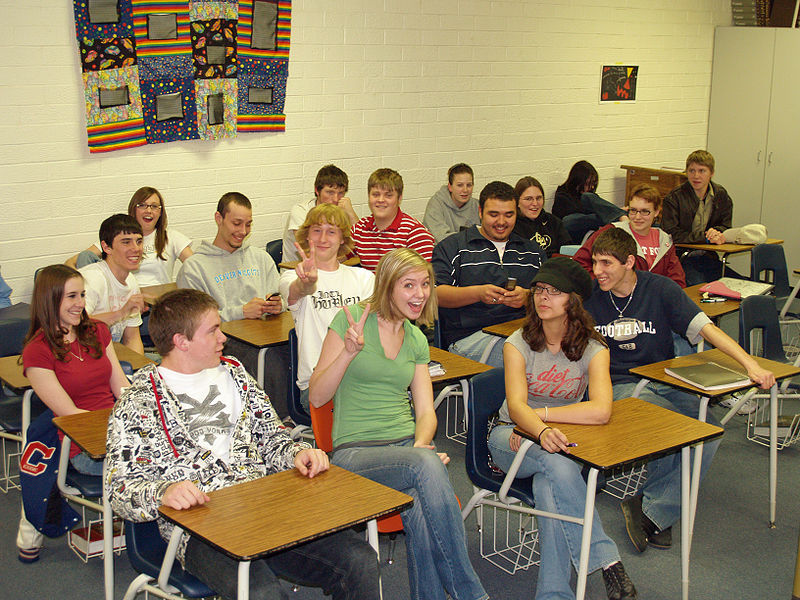
A high school senior classroom in the United States Secondary education or post-primary education covers two phases on the International Standard Classification of Education scale: Level 2 (lower secondary education, less commonly junior secondary education) is the second and final phase of basic education, and Level 3 (upper secondary education or senior secondary education) is the phase immediately preceding tertiary education. Every country aims to provide basic education, but the systems and terminology remain unique to them. Secondary education typically takes place after six years of primary education and is followed by higher education, vocational education or employment. In most countries secondary education is compulsory, at least until the age of 16. Children typically enter the lower secondary phase around age 12. Compulsory education sometimes extends to age 20 and further.
Since 1989, education has been seen as a basic human right for a child; Article 28, of the Convention on the Rights of the Child states that primary education should be free and compulsory while different forms of secondary education, including general and vocational education, should be available and accessible to every child. The terminology has proved difficult, and there was no universal definition before ISCED divided the period between primary education and university into junior secondary education and upper secondary education.
Excerpted from Wikipedia’s “secondary education” article, available under the CC BY-SA 4.0 licence.