
shyrdak
Sign in to saveAlso known as syrmak
thumb|A shyrdak on the floor of a home in Aksy District, Kyrgyzstan
Described at
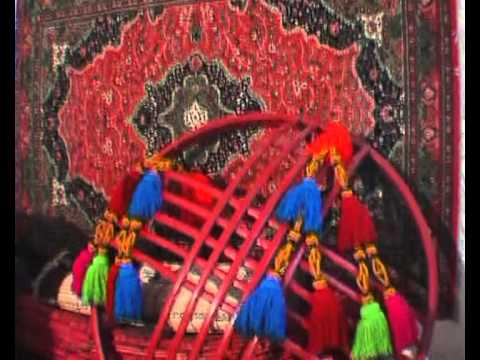
Ala-kiyiz and Shyrdak, art of Kyrgyz traditional felt carpets - UNESCO Intangible Cultural Heritage
ich.unesco.org →Traditional felt carpets are one of the foremost arts of the Kyrgyz people and an integral part of their cultural heritage. The Kyrgyz traditionally produce two types of felt carpets: Ala-kiyiz and Shyrdaks. Knowledge, skills, diversity, the semantics of ornamentation, and the ceremonies of creating carpets are all important cultural components, providing Kyrgyz people with a sense of identity and continuity. The making of Kyrgyz felt carpets is inseparably linked to the everyday life of nomads, who used felt carpets to warm and decorate their homes. Creation of felt carpets demands unity among the community and fosters the transmission of traditional knowledge – as a rule by older women who are normally concentrated in rural and mountainous areas, to younger women within the family. The Ala-kiyiz and Shyrdak traditional art is in danger of disappearing, however. The number of practitioners is diminishing, with most over forty years of age. The lack of governmental safeguarding, the disinterest of the younger generation, the dominance of inexpensive synthetic carpets, and the poor quality and low availability of raw materials are exacerbating the situation. As a result, Ala-kiyiz carpets have practically disappeared from Kyrgyz homes and Shyrdaks are under serious threat of being lost. 1. Knowledge and practices concerning nature and the universe (308) 2. Social practices, rituals and festive events (584) 3. Traditional craftsmanship (460)
Excerpt from a page describing this subject · 9,638 chars · not written by Vinony
Wikidata facts
- Subclass of
- carpet
- Part of
- ala kiyiz
- Country of origin
- Kazakhstan
- Material used
- felt
- Image
- Shyrdak on floor.jpg
Show 2 more facts
- intangible cultural heritage status
- List of Intangible Cultural Heritage in Need of Urgent Safeguarding
- described at URL
- ich.unesco.org/fr/USL/00693
Sources (1)
via Wikidata · CC0
~4 min read
Encyclopedic overview
6 sectionsContents
- History
- Manufacturing
- Design
- See also
- References
- External links
thumb|A shyrdak on the floor of a home in Aksy District, Kyrgyzstan
A shyrdak (, ) or syrmak (, ) is a stitched, and often colourful felt floor and wallcovering, usually handmade in Central Asia. Kazakhs and Kyrgyz people alike traditionally make shyrdaks, and most especially in Kyrgyzstan the tradition is kept alive, with products also sold to tourists.
Excerpted from Wikipedia’s “shyrdak” article, available under the CC BY-SA 4.0 licence.