Encyclopedia of Life · EOL (see source)
Simsia
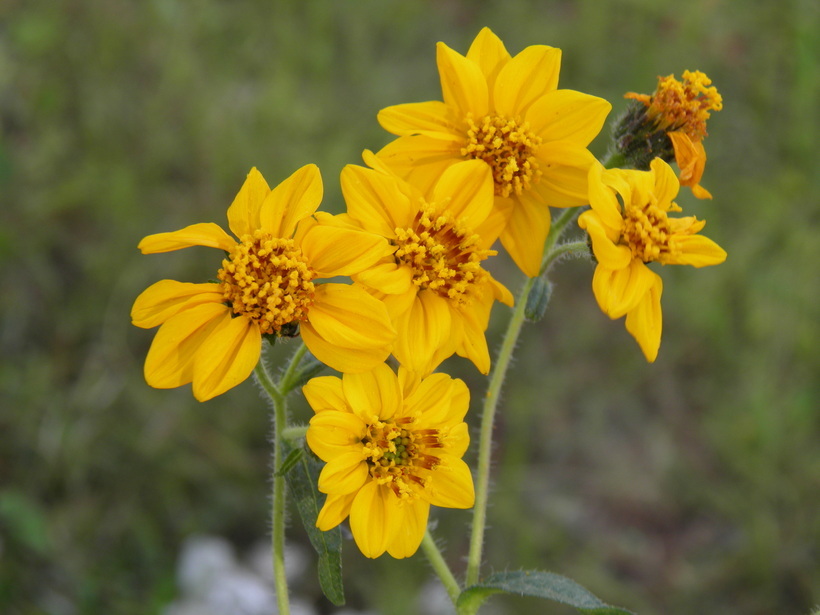
Sign in to saveSimsia is a genus of flowering plants in the tribe Heliantheae within the family Asteraceae. It includes annuals, herbaceous perennials, and shrubs. They range from the western United States south through Central and South America to Argentina, with the center of diversity occurring in Mexico. The genus is named for British physician and botanist John Sims (1749–1831). Although some species are relatively rare, others have become common weeds that line the roadsides and fields of Mexico, often forming dense stands mixed with Tithonia and other Asteraceae. Some species are known by the common n
Species
Genus
- PhylumAnnelida
- ClassClitellata
- OrderCrassiclitellata
- FamilyMegascolecidae
Царство: Растения Подцарство: Зелёные растения Отдел: Цветковые Класс: Двудольные[1] Надпорядок: Asteranae Порядок: Астроцветные Семейство: Астровые Подсемейство: Астровые Триба: Подсолнечниковые Род: Симсия Международное научное название Simsia Pers., 1801, non R.Br., 1807 Систематикана ВикивидахИзображенияна Викискладе ITIS 38414NCBI 372431EOL 62709GRIN g:11173IPNI 11027-1 Симсия (лат. Simsia) — род растений, входящий в подсемейство Астровые (Asteroideae) семейства Астровые (Asteraceae). Названа в честь британского врача и ботаника Джона Симса. Содержание 1 Ботаническое описание 2 Ареал 3 Таксономия 3.1 Синонимы 3.2 Список видов 4 Примечания 5 Литература Ботаническое описание Многолетние или однолетние травянистые растения или полукустарники, достигающие 20—400 см в высоту. Стебли прямостоячие или приподнимающиеся. Листья расположены очерёдно или супротивно, на иногда крылатых черешках, обычно яйцевидной формы, иногда трёхдольчатые, с гладкими или зубчатыми краями, опушённые или мелкочешуйчатые с обеих сторон. Краевые цветки ложноязычковые, обычно в количестве от 5 до 21, с жёлтыми, розовыми, сиреневыми или белыми венчиками. Срединные цветки в числе 13—154, обоеполые, с чёрными и
via · Kew POWO
Museum specimens
- Specimen records
- 184
- With media
- 76
- Family
- Asteraceae
- Collections
- INECOL, IBUNAM, FC-UNAM, FCB-BUAP, UNICACH
- Recorded in
- Mexico
Wikidata facts
- Instance of
- taxon
- Parent taxon
- Asteraceae
- Image
- Simsia calva.jpg
Show 6 more facts
- Commons category
- Simsia
- taxon name
- Simsia
- taxon rank
- genus
- topic's main category
- Category:Simsia
- taxon common name
- bushsunflower
Sources (1)
via Wikidata · CC0
~4 min read
Encyclopedic overview
2 sectionsContents
- Description and systematics
- References
Simsia is a genus of flowering plants in the tribe Heliantheae within the family Asteraceae. It includes annuals, herbaceous perennials, and shrubs. They range from the western United States south through Central and South America to Argentina, with the center of diversity occurring in Mexico. The genus is named for British physician and botanist John Sims (1749–1831). Although some species are relatively rare, others have become common weeds that line the roadsides and fields of Mexico, often forming dense stands mixed with Tithonia and other Asteraceae. Some species are known by the common name bushsunflower.
==Description and systematics== A feature that characterizes many of the species of the genus and helps to distinguish them from related genera is the extremely flattened cypsela (achene). There are, however, several species in which the cypsela is biconvex, and these are recognized as belonging to Simsia by a group of other, mostly technical features, including nodal disks (stipule-like appendages at the base of the petioles), relatively long and narrow ray ovaries, and long and tapering style branches that lack a pronounced apical appendage.
Excerpted from Wikipedia’s “Simsia” article, available under the CC BY-SA 4.0 licence.