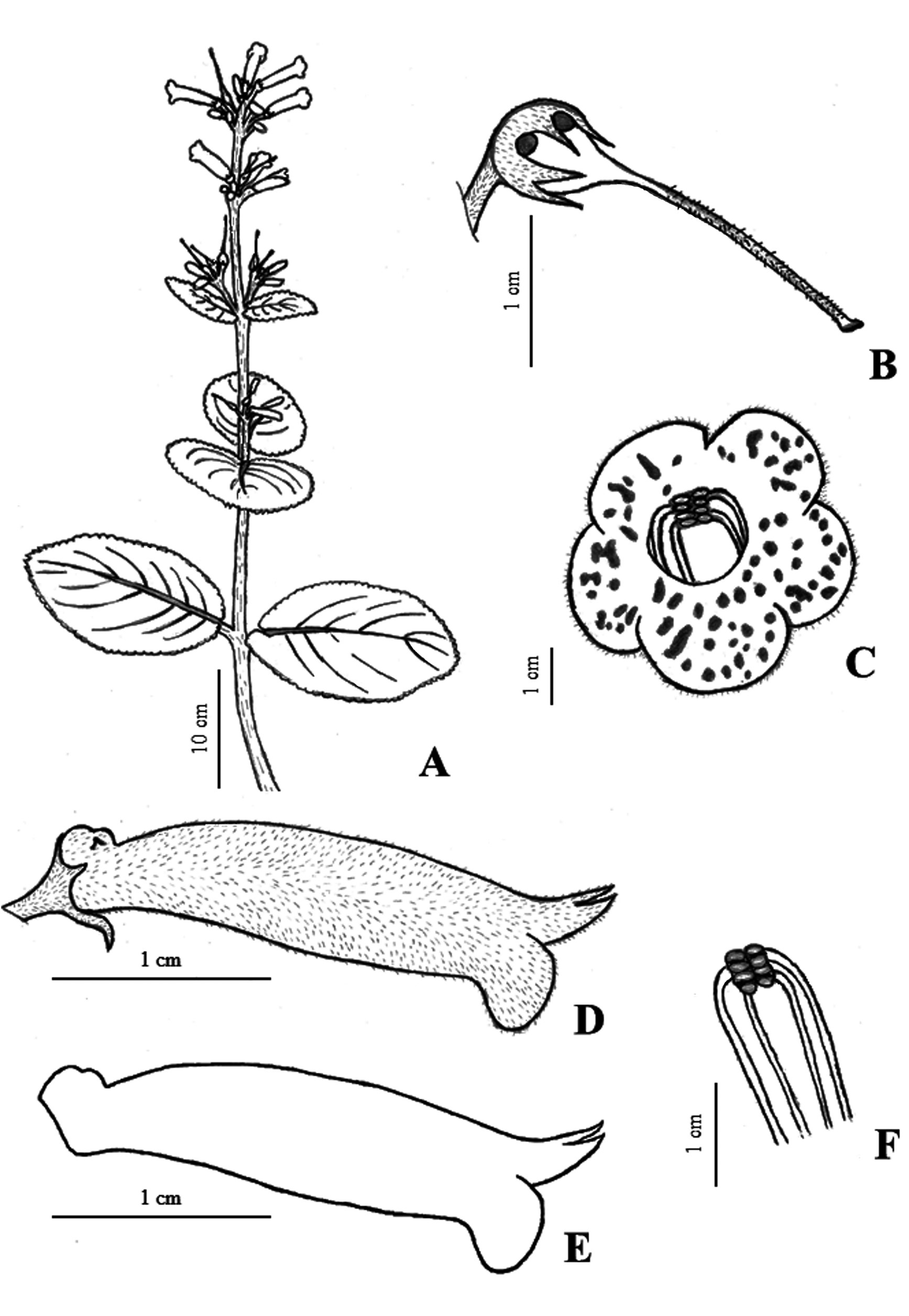
Ferreira, Gabriel Emiliano;Waechter, Jorge Luiz;Chautems, Alain
Sinningia
Sign in to saveSinningia is a genus of flowering plants in the family Gesneriaceae. It is named after Wilhelm Sinning (1792–1874), a gardener of the Botanische Gärten der Friedrich-Wilhelms-Universität Bonn. There are about 65 species of tuberous herbaceous perennials, all occurring in Central and South America, with the greatest concentration of species occurring in southern Brazil.
Species
Gloxinia
GENUS
- KingdomPlantae
- PhylumTracheophyta
- ClassMagnoliopsida
- OrderLamiales
- FamilyGesneriaceae
岩桐属(学名:Sinningia;發音: /sᵻˈnɪndʒiə/)是苦苣苔科下的一个開花植物属,其學名以19世紀德國波恩的植物學家Wilhelm Sinning(1794-1874)命名。本屬包括有65到70個品種,均為多年生草本塊莖植物,都原產於中美洲及南美洲,而且集中於巴西南部。 Sinningia incarnata
via GBIF · Kew POWO
Museum specimens
- Specimen records
- 482
- With media
- 72
- Family
- Gesneriaceae
- Collections
- UFPB, UFRGS, MO, ESALQ, UNITINS, F
- Recorded in
- Brasil, Peru, Bolivia, Venezuela, Brazil, United States, Argentina, Costa Rica
Wikidata facts
- Instance of
- taxon
- Parent taxon
- Gesneriaceae
- Image
- Sinningia leucotricha auckland 1.JPG
Show 6 more facts
- taxon rank
- genus
- taxon name
- Sinningia
- Commons category
- Sinningia
- topic's main category
- Category:Sinningia
- taxon common name
- 大岩桐属
Sources (1)
via Wikidata · CC0
~7 min read
Encyclopedic overview
4 sectionsContents
- Garden uses and cultivation
- Species
- References
- External links
Sinningia is a genus of flowering plants in the family Gesneriaceae. It is named after Wilhelm Sinning (1792–1874), a gardener of the Botanische Gärten der Friedrich-Wilhelms-Universität Bonn. There are about 65 species of tuberous herbaceous perennials, all occurring in Central and South America, with the greatest concentration of species occurring in southern Brazil.
The best-known species, Sinningia speciosa, was originally introduced in cultivation as Gloxinia speciosa and is still commonly known to gardeners and in the horticultural trade as "gloxinia", although this is now considered incorrect. The true genus Gloxinia is distinguished by having scaly rhizomes rather than tubers.
Excerpted from Wikipedia’s “Sinningia” article, available under the CC BY-SA 4.0 licence.