Encyclopedia of Life · EOL (see source)
Species
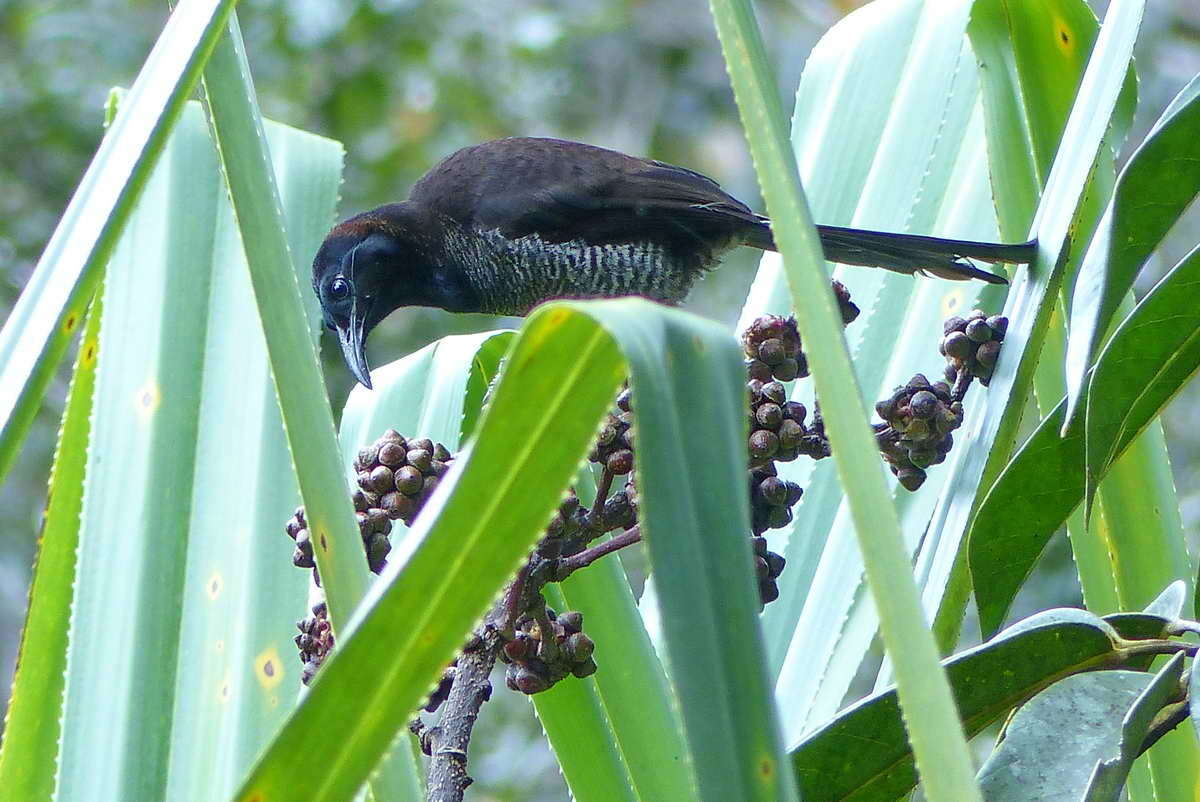
Least ConcernЦарство: Животные Подцарство: Эуметазои Без ранга: Двусторонне-симметричные Без ранга: Вторичноротые Тип: Хордовые Подтип: Позвоночные Инфратип: Челюстноротые Надкласс: Четвероногие Класс: Птицы Подкласс: Настоящие птицы Инфракласс: Новонёбные Отряд: Воробьинообразные Подотряд: Певчие воробьиные Семейство: Райские птицы Род: Астрапии Вид: Великолепная астрапия Международное научное название Astrapia splendidissima Rothschild, 1895 Охранный статус Вызывающие наименьшие опасенияIUCN 3.1 Least Concern: 22706215 Систематикана ВикивидахИзображенияна Викискладе ITIS 558796NCBI 681186EOL 1051852 Великолепная астрапия[1] (лат. Astrapia splendidissima) — вид воробьиных птиц из семейства райских птиц (Paradisaeidae)[2]. Птица средних размеров, длина тела примерно 39 см. Основу питания составляют фрукты, насекомые, ящерицы и лягушки. Вид малоизучен, населяет горные леса в западной части находящихся в центре Новой Гвинеи возвышенностей. В границах своего ареала эта птица обычна и многочисленна[3]. Самка коричневая с тёмной головой. Оперение самца в целом чёрное, с дающим эффект иризации жёлто-зелёным окрасом груди и головы, голубовато-зелёным горлом, тёмно-зелёной нижней частью и белыми с чёрн
via IUCN
Wikidata facts
Show 6 more facts
- taxon rank
- species
- IUCN conservation status
- Least Concern
- Commons category
- Astrapia splendidissima
- taxon name
- Astrapia splendidissima
- taxon common name
- astrápia-esplêndida
- short name
- A. splendidissima
Sources (3)
via Wikidata · CC0
~11 min read
Encyclopedic overview
The splendid astrapia (Astrapia splendidissima) is a species of bird in the family Paradisaeidae, native to the montane forests of New Guinea. Males are known for their iridescent plumage and elaborate courtship displays, including branch-hopping, tail-flicking, and frog-like calls; they may also display in leks.
Its diet consists mainly of fruit, along with insects, lizards, and frogs. Males are generally solitary, while females raise the young and may forage in small groups. The species is considered stable, though habitat loss may pose a future threat. Two subspecies are recognized, and hybridization with other astrapias has been reported.
Excerpted from Wikipedia’s “Splendid Astrapia” article, available under the CC BY-SA 4.0 licence.