Encyclopedia of Life · EOL (see source)
Spongilla
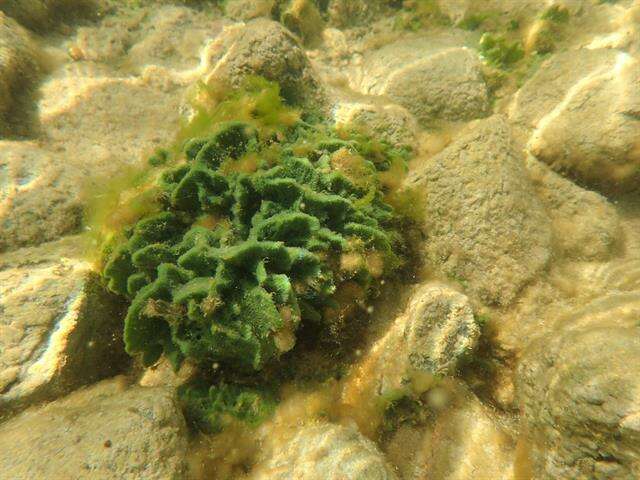
Sign in to saveSpongilla is a genus of freshwater sponges containing over 200 different species. Spongilla was first publicly recognized in 1696 by Leonard Plukenet and can be found in lakes, ponds and slow streams.Spongilla have a leuconoid body form with a skeleton composed of siliceous spicules. They are sessile organisms, attaching themselves to hard substrate like rocks, logs. and sometimes to ground. Using their ostia and osculum these sponges filter the water for various small aquatic organisms such as protozoans, bacteria, and other free-floating pond life. Sponges of the genus Spongilla partake in s
Species
GENUS
- KingdomAnimalia
- PhylumPorifera
- ClassDemospongiae
- OrderSpongillida
- FamilySpongillidae
Spongilla es un género de esponjas de agua dulce y estuarinas de la familia Spongillidae. Descritas por Lamarck en 1816.
via GBIF
Museum specimens
- Specimen records
- 419
- With media
- 20
- Family
- Spongillidae
- Collections
- USNM, NHMUK, NCSM, YPM, GNM, CAS
- Recorded in
- Canada, United Kingdom, United States, Bolivia, Sweden, Tanzania, India, Indonesia
Wikidata facts
- Instance of
- taxon
- Parent taxon
- Spongillidae
- Image
- Spongilla lacustris.jpg
Show 5 more facts
- Commons category
- Spongilla
- taxon name
- Spongilla
- taxon rank
- genus
- topic's main category
- Category:Spongilla
- taxon author citation
- Lamarck, 1816
Sources (2)
via Wikidata · CC0
~3 min read
Encyclopedic overview
4 sectionsContents
- Reproduction
- Species
- References
- External links
Spongilla is a genus of freshwater sponges containing over 200 different species. Spongilla was first publicly recognized in 1696 by Leonard Plukenet and can be found in lakes, ponds and slow streams.Spongilla have a leuconoid body form with a skeleton composed of siliceous spicules. They are sessile organisms, attaching themselves to hard substrate like rocks, logs. and sometimes to ground. Using their ostia and osculum these sponges filter the water for various small aquatic organisms such as protozoans, bacteria, and other free-floating pond life. Sponges of the genus Spongilla partake in symbiotic relationships with the green algae, zoochlorellae, which gives the sponges a green appearance, and without which they would appear white.
Spongilla was used by John Hogg in the 19th century to attempt to justify a fourth kingdom of life.
Excerpted from Wikipedia’s “Spongilla” article, available under the CC BY-SA 4.0 licence.