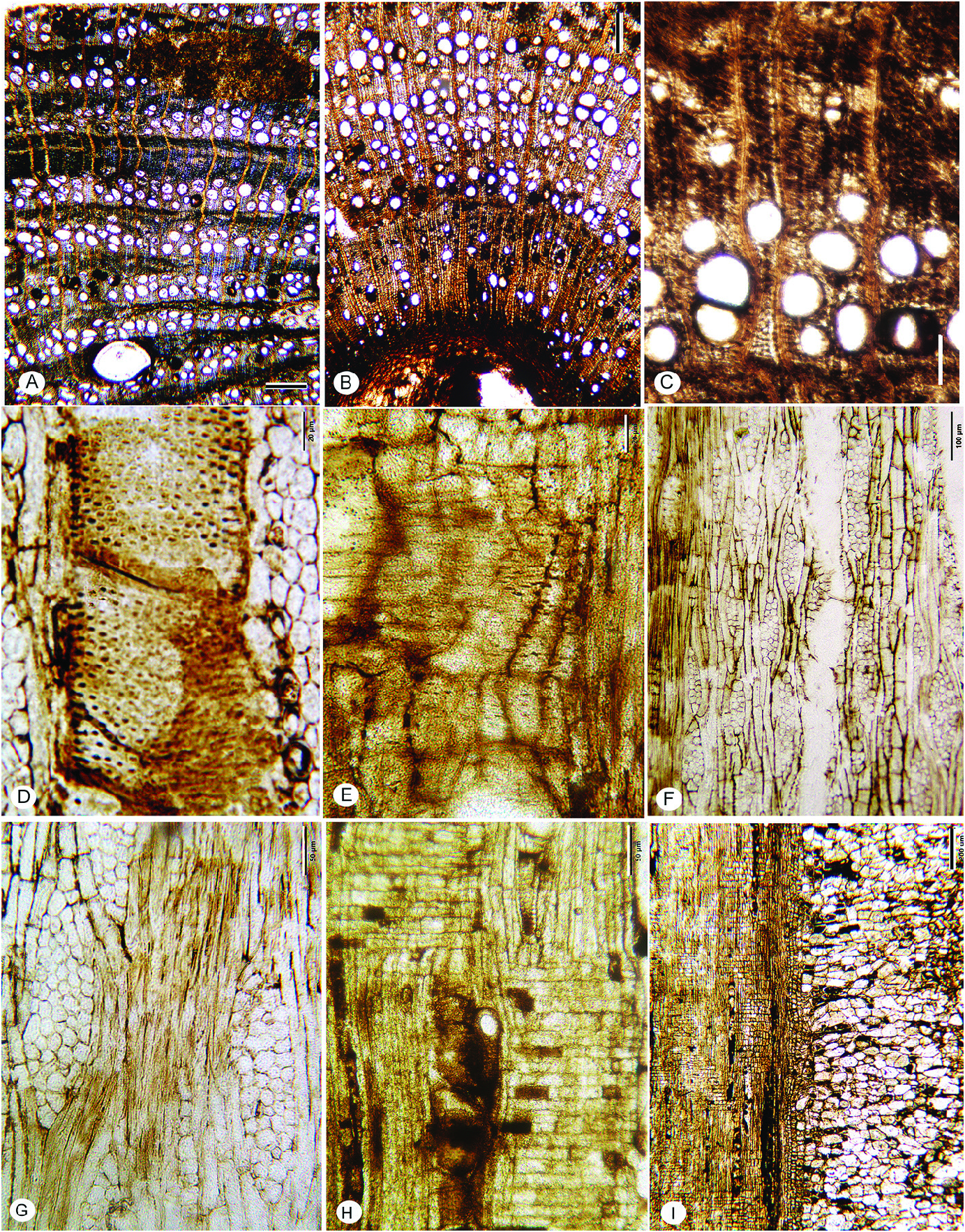
Wheeler, Elisabeth A.;Manchester, Steven R.;Baas, Pieter
Styphnolobium
Sign in to saveStyphnolobium is a genus of flowering plants in the pea family, Fabaceae. It includes nine species of small trees and shrubs native to China and to the Americas, from the southern United States to Colombia. It belongs to subfamily Faboideae, and was formerly included within a broader interpretation of the genus Sophora. It was recently assigned to the unranked, monophyletic Cladrastis clade. They differ from the genus Calia (mescalbeans) in having deciduous leaves and flowers in axillary, not terminal, racemes. The leaves are pinnate, with 9–21 leaflets, and the flowers in pendulous racemes si
Species
GENUS
- KingdomPlantae
- PhylumTracheophyta
- ClassMagnoliopsida
- OrderFabales
- FamilyFabaceae
Styphnolobium es un género de plantas con flores con nueve especies, perteneciente a la familia Fabaceae.
via GBIF · Kew POWO
Museum specimens
- Specimen records
- 30
- With media
- 29
- Family
- Fabaceae
- Collections
- MO, ANSP, ASU, BRIT
- Recorded in
- United States, Costa Rica, Mexico
Wikidata facts
Show 6 more facts
- taxon name
- Styphnolobium
- taxon rank
- genus
- Commons category
- Styphnolobium
- topic's main category
- Category:Styphnolobium
- taxon common name
- 槐属
Sources (1)
via Wikidata · CC0
~3 min read
Encyclopedic overview
7 sectionsContents
- Etymology
- Species
- Section ''Oresbios''
- Section ''Styphnolobium''
- Uses
- References
- External links
Styphnolobium is a genus of flowering plants in the pea family, Fabaceae. It includes nine species of small trees and shrubs native to China and to the Americas, from the southern United States to Colombia. It belongs to subfamily Faboideae, and was formerly included within a broader interpretation of the genus Sophora. It was recently assigned to the unranked, monophyletic Cladrastis clade. They differ from the genus Calia (mescalbeans) in having deciduous leaves and flowers in axillary, not terminal, racemes. The leaves are pinnate, with 9–21 leaflets, and the flowers in pendulous racemes similar to those of the black locust. Necklacepod is a common name for plants in this genus.
==Etymology== From Greek styphno-, stryphno- "sour, astringent" and lobion "pod", because of the fresh pods' pulp taste.
Excerpted from Wikipedia’s “Styphnolobium” article, available under the CC BY-SA 4.0 licence.
Gallery (4)
Available in 21 languages
- Español
- Français
- 中文
- Português
- Italiano
- العربية
- Azerbaijani
- Bahasa Indonesia
- Catalan
- Cebuano
- Danish
- Finnish
- Hungarian
- Nederlands
- Polski
- Svenska
- Tiếng Việt
- Türkçe
via Wikidata sitelinks · CC0