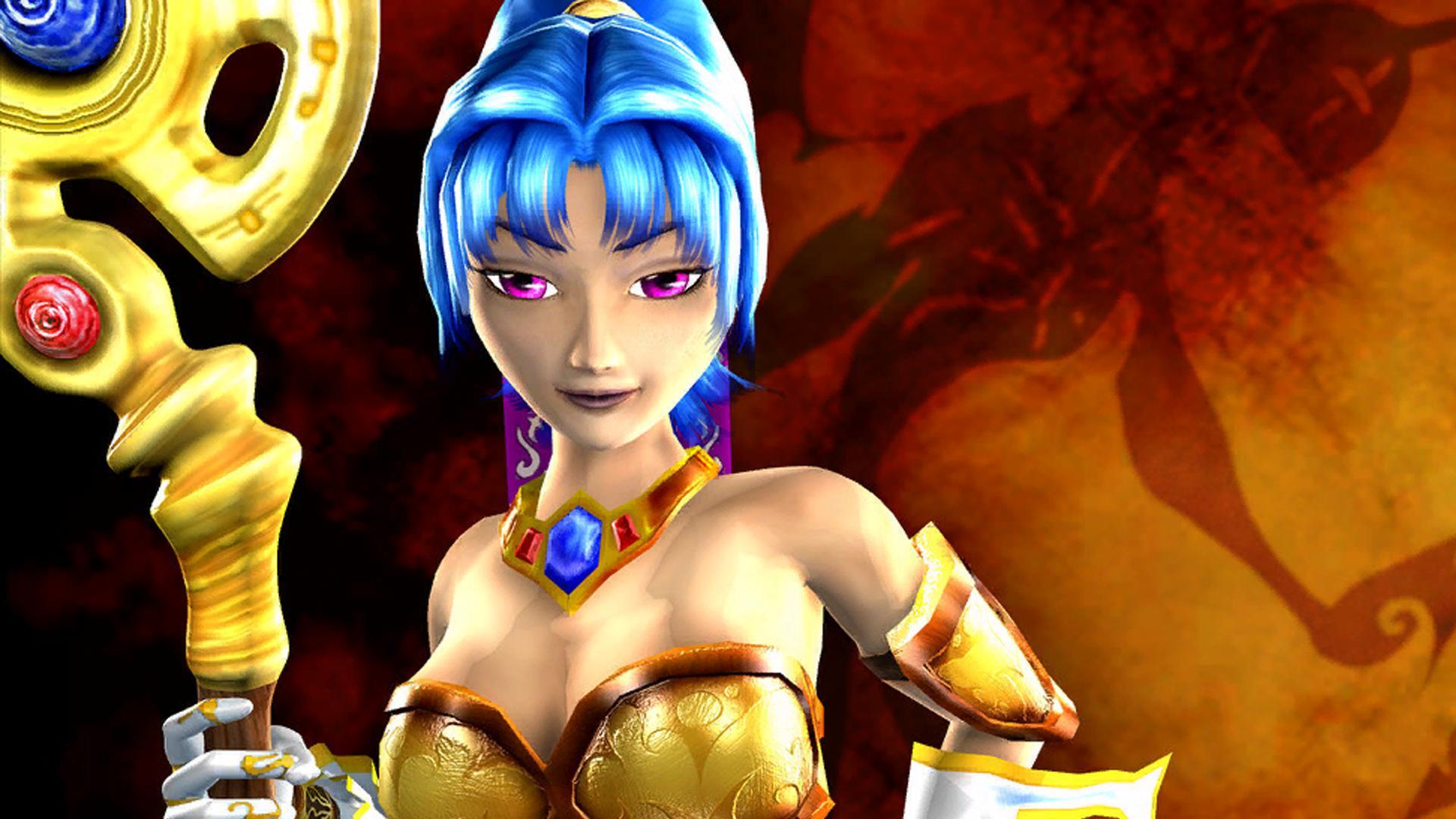
Sudeki · RAWG · Courtesy of RAWG
Sudeki
Sign in to saveSudeki is a 2004 action role-playing game developed by Climax Studios. It was originally released for Xbox by Microsoft Game Studios. A Microsoft Windows port was released in Europe by Zoo Digital Publishing in 2005, and worldwide via Steam and GOG.com in 2014 by Climax. Set on the splintered world of Sudeki, divided into the twin planets Illumina and Akloria, the storyline follows four characters chosen by the god Tetsu to prevent the return of the dark god Haigou and reform Sudeki. Gameplay follows the four protagonists as they explore various environments, with different characters fighting
Game data
Metacritic 72- Released
- 2005-03-24
- User rating
- 3.90 / 5
- Genres
- Adventure, Action, RPG
- Platforms
- PC, Xbox
- ESRB
- Mature
via RAWG
Wikidata facts
Show 2 more facts
- publication date
- 2004-07-20
- review score
- 75/100
Sources (3)
via Wikidata · CC0
~23 min read
Article
11 sectionsContents
- Gameplay
- Synopsis
- Setting and characters
- Plot
- Development
- Art and graphics
- Music
- Release
- Reception
- References
- External links
Sudeki is a 2004 action role-playing game developed by Climax Studios. It was originally released for Xbox by Microsoft Game Studios. A Microsoft Windows port was released in Europe by Zoo Digital Publishing in 2005, and worldwide via Steam and GOG.com in 2014 by Climax. Set on the splintered world of Sudeki, divided into the twin planets Illumina and Akloria, the storyline follows four characters chosen by the god Tetsu to prevent the return of the dark god Haigou and reform Sudeki. Gameplay follows the four protagonists as they explore various environments, with different characters fighting enemies using third-person melee or first-person shooter combat.
The concept of the game began in 1999, originally as a Dreamcast project. After multiple platform changes, production proper started in 2000 as an Xbox exclusive. As Climax's first role-playing game, the team wanted to emulate Japanese RPGs, though the art style was adjusted from its earlier anime-inspired aesthetic to appeal to a Western audience. The game saw mixed reviews from journalists; praise went to its graphics and combat system, but there were mixed thoughts on the narrative due to its pacing and generic content. It also met with low sales in all release regions.