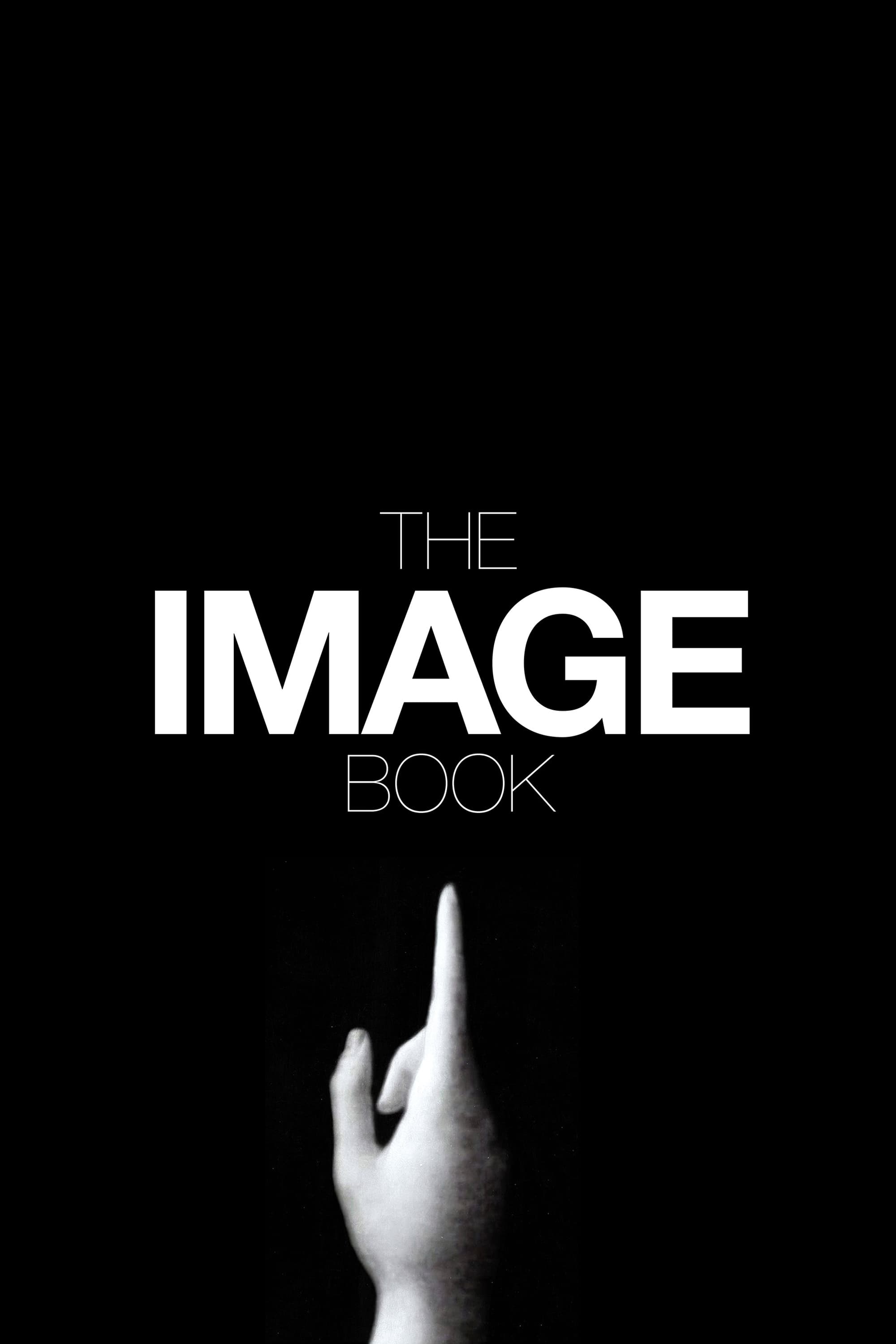
Poster from TMDB
Film · TMDB
6.3In Le Livre d’Image, Jean-Luc Godard recycles existing images (films, documentaries, paintings, television archives, etc.), quotes excerpts from books, uses fragments of music. The driving force is poetic rhyme, the association or opposition of ideas, the aesthetic spark through editing, the keystone. The author performs the work of a sculptor. The hand, for this, is essential. He praises it at the start. “There are the five fingers. The five senses. The five parts of the world (…). The true condition of man is to think with his hands. Jean-Luc Godard composes a dazzling syncopation of sequences, the surge of which evokes the violence of the flows of our contemporary screens, taken to a level of incandescence rarely achieved. Crowned at Cannes, the last Godard is a shock film, with twilight beauty.
Cast
- Jean-Luc Godard as Narrator (voice)
- Anne-Marie Miéville as Narrator (voice)
- Jean-Pierre Gos as Narrator (voice)
- Buster Keaton as (archive footage)
- Jean Gabin as (archive footage)
- Douglas Fairbanks as (archive footage)
Themes
- experimental cinema
- jean-luc godard
This product uses the TMDB API but is not endorsed or certified by TMDB.
Described at
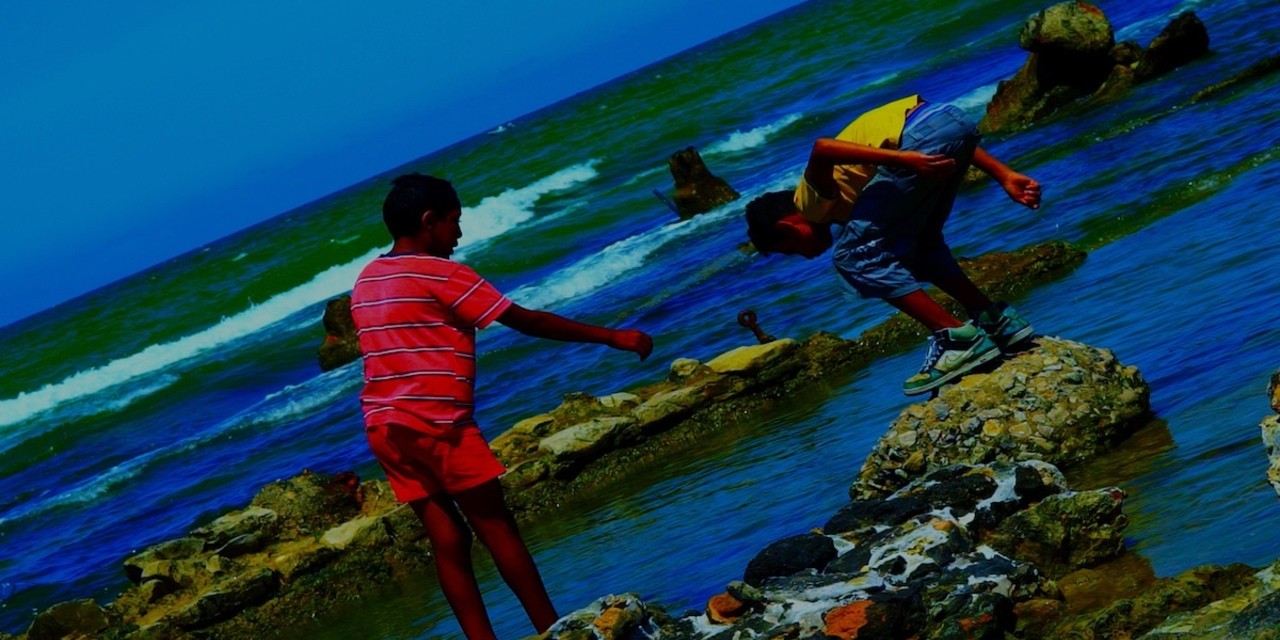
Journeys into Dissonance: Close-Up on Jean-Luc Godard's "The Image Book" on Notebook | MUBI
Jean-Luc Godard's Special Palme d'Or-winner is difficult, sometimes impenetrable, obtuse, challenging—and brilliant.
mubi.com →Allows the MUBI website to know if it can use the browser's local storage. Sets a unique ID for the visitor, that allows third party advertisers to target the visitor with relevant advertisement. This pairing service is provided by third party advertisement hubs, which facilitates real-time bidding for advertisers. Close-Up is a feature that spotlights films now playing on MUBI. Jean-Luc Godard's The Image Book (2018) is having its exclusive online premiere in the United Kingdom from December 3 – January 1, 2019. Attempting to write about Jean-Luc Godard’s The Image Book is a frankly Sisyphean and onerous task. We can start with the fact that the film was screened in Cannes and in the closing ceremony was awarded a Special Palme d’Or, the first in the festival’s history. The award felt like a merci et au revoir to one of the most distinctive, pioneering thrillingly intellectual and irascible directors in cinema; a man who re-mapped and re-routed the destination of the medium many times. But was seldom thanked for it, at least not after the halcyon New Wave period that incorporated Breathless (1960) and Contempt (1963). Godard, it transpires, has no plans to stop working. Good for him; the perennial fly in the ointment. He obviously takes an active role in production notes too. The ones the distributor provides for The Image Book are like something Heidegger might have come up with. They made my head hurt. The written equivalent of Le vent d’est (1970), one of the films Godard made as part of another collective, the Dziga Vertov Group. The Image Book premiered in Competition at Cannes and had its debut presentation in the majestic Grand Théâtre Lumière, an imposing emporium designed to accentuate the fact that cinema can be a majestic synthesis of sound and vision. (Cinema can also be The House That Jack Built .) My personal experience, and this is open to conjecture, was that the film was booed and applauded in equal measure. As is now tradition with any Godard screened in Cannes, several people seated in my row left rather noisily, making a haughty show of their disdain, as if perhaps they had been served up one of the suppers from Salò, or the 120 Days of Sodom (1975), a clip of which features early on. This visual signifier is followed shortly after by a particularly dissonant Scott Walker composition and if this film resembles anything at all, it is something from Walker’s post- Tilt ouevre. There is also the work of the Shostakovich-influenced Alfred Schnittke and a liberal dose of sounds from Manfred Eicher’s ECM catalogue. Difficult, sometimes impenetrable, obtuse, challenging, brilliant. This is not chart fodder. Watching The Image Book , a voyage through the mediums of art, history, politics and cinema which feels reminiscent of 1988’s eight-episode compendium Histoire(s) du cinéma , I was enraptured, confused and constantly exhilarated. Throughout the screening and to the accompaniment of chairs slamming up as their inhabitants fled for safety, I thought frequently of a quote from Alexsandr Sokurov. Some seven months later whilst wrestling with the film and its dense, labyrinthine nature I think of it still: We shouldn’t be afraid of difficult films, we shouldn’t be afraid not to be entertained. Sometimes it is easier to see The Image Book through the prism of others. Jonathan Romney, writing in Screen described it as “a meditation in sight, sound, text and blazing colour that is intractably hardcore even by the standards of Film Socialisme and 3D experiment Farewell to Language .” That’s pretty much the sum of it. Romney, and other similar smart decoders, are also right to point out the film defies estimation and assessment. If Jonathan Romney can’t understand it what hope have the rest of us? And that is actually one of its myriad pleasures. There may be logic to the constant barrage of text, sound and image, but it is very much in the eye of the beholder. What this film does is make it feel exciting to look,
Excerpt from a page describing this subject · 30,100 chars · not written by Vinony
Wikidata facts
- Instance of
- film
- Genre
- essay film
- Country of origin
- France
- Original language
- French
- Main subject
- global politics
- Director
- Jean-Luc Godard
- Screenwriter
- Jean-Luc Godard
- Voice actor
- Jean-Luc Godard
- Producer
- Alain Sarde
- Duration
- 85
- FilmAffinity ID
- 776215
- Distribution format
- video on demand
Show 6 more facts
- publication date
- 2019-04-04
- distributed by
- Wild Bunch
- title
- Le Livre d'image
- production date
- 2016-00-00
- described at URL
- mubi.com/notebook/posts/journeys-into-dissonance-close-up-on-jean-luc-godard-s-the-image-book
- review score
- 7.6/10
Sources (11)
via Wikidata · CC0
Gallery (6)
Available in 16 languages
- Español
- Français
- 日本語
- Português
- Italiano
- العربية
- Basque
- Egyptian Arabic
- Nederlands
- Serbian (Latin)
- Türkçe
- Ukrainian
- Welsh
- فارسی
- 한국어
via Wikidata sitelinks · CC0