File:Gottfried_Wilhelm_Leibniz,_Bernhard_Christoph_Francke.jpg · Wikimedia Commons · See Wikimedia Commons
theodicy
Sign in to saveAlso known as free-will defense
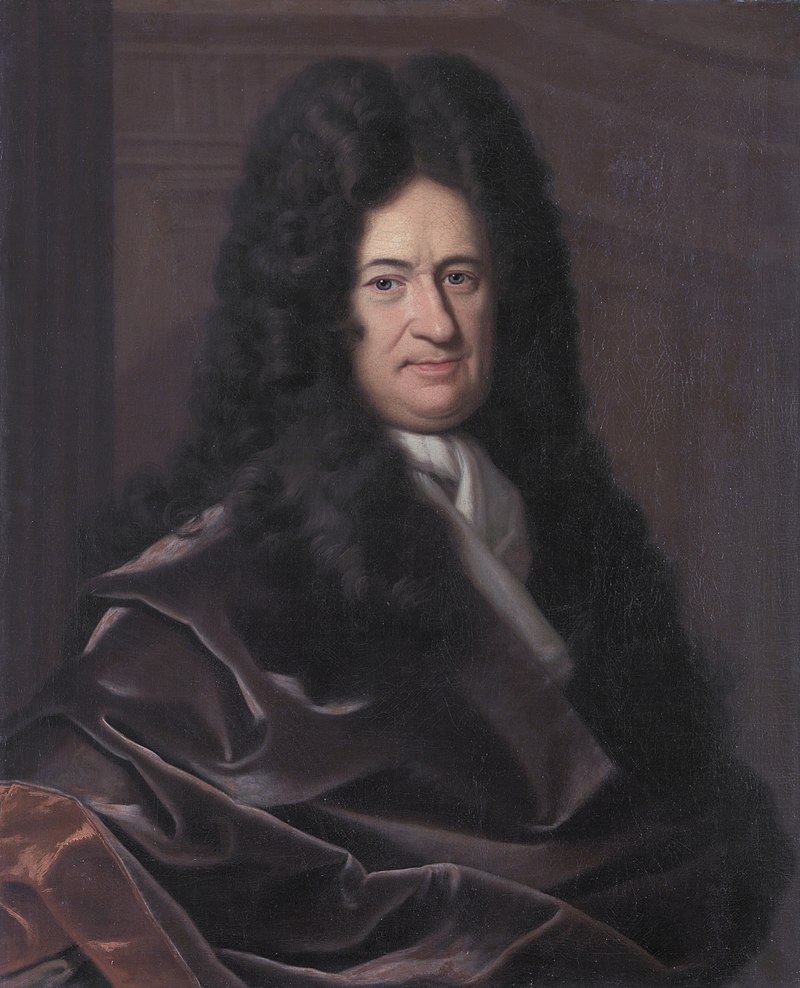
thumb|Gottfried Leibniz coined the term theodicy to justify God's existence in light of the apparent imperfections of the world.
Wikidata facts
- Subclass of
- philosophical theory
- Part of
- theology
Show 4 more facts
- Stack Exchange tag
- christianity.stackexchange.com/tags/theodicy
- topic's main category
- Category:Theodicy
- is the study of
- problem of evil
- described by source
- Wikitólica
via Wikidata · CC0
~44 min read
Encyclopedic overview
25 sectionsContents
- Definition and etymology
- Purposes
- History
- Ancient religions
- Biblical theodicy
- Augustinian theodicy
- Irenaean theodicy
- Compensation theodicy
- Origenian theodicy
- Relatively minor theodicies
- Islam
- Ashʿarism
- Maturidism
- Atharism
- Mu'tazilism
- Alternatives
- Jewish anti-theodicy
- Christian alternatives to theodicy
- Free-will defense
- Cosmodicy and anthropodicy
- Essential kenosis
- See also
- Citations
- References
- External links
thumb|Gottfried Leibniz coined the term theodicy to justify God's existence in light of the apparent imperfections of the world.
A theodicy (from Ancient Greek , "god" and , "justice"), meaning 'vindication of God', is an argument in the philosophy of religion that attempts to resolve the problem of evil, which arises when all power (omnipotence) and all goodness (omnibenevolence) are attributed to God simultaneously.
Excerpted from Wikipedia’s “theodicy” article, available under the CC BY-SA 4.0 licence.