
File:PortraitThomasGrayByJohnGilesEccart1747to1748.jpg · Wikimedia Commons · See Wikimedia Commons
Thomas Gray
Sign in to saveEnglish poet and classical scholar (1716–1771)
Thomas Gray was an English poet and classical scholar who lived from 1716 to 1771 and is remembered as one of the important literary figures of the eighteenth century. His most famous work, "Elegy Written in a Country Churchyard," remains widely read today and helped establish him as a significant voice in English poetry during his lifetime.
AI-generated from the Wikipedia summary — may contain errors.
Wikidata facts
- Instance of
- human
- Given name
- Thomas
- Family name
- Gray
- Gender
- male
- Citizenship
- Kingdom of Great Britain
- Place of birth
- London
- Place of death
- Cambridge
- Occupation
- writer
- Position held
- professor
- Educated at
- Eton College
- Employer
- University of Cambridge
- Languages spoken
- English language
- Native language
- English language
- Image
- PortraitThomasGrayByJohnGilesEccart1747to1748.jpg
Show 12 more facts
- Commons Creator page
- Thomas Gray
- topic's main category
- Category:Thomas Gray
- Commons category
- Thomas Gray
- date of birth
- 1716-00-00
- date of death
- 1771-00-00
- has works in the collection
- National Gallery of Art
- writing language
- English language
- start of work period
- 1742-00-00
- ethnic group
- English people
- P8168
- Hohenfeld
- P12749
- Ryokuchi-kōen Station
- place of burial
- Buckinghamshire
Sources (3)
via Wikidata · CC0
Works in European collections
11 objects attributed to Thomas Gray, held across European museums, libraries & archives · via Europeana
Poésies de Gray
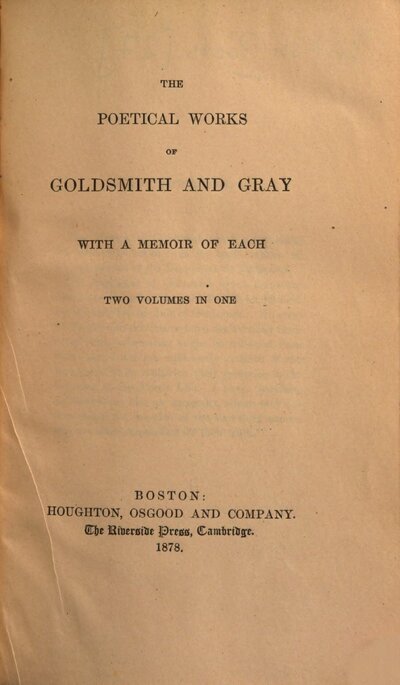
The poetical works of (Oliver) Goldsmith and (Thomas) Gray : with a memoir of each : two volumes in one
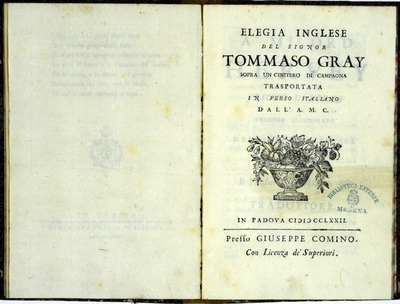
English Elegia of Mr. Tommaso Gray above a country cemetery carried in Italian verse from a. M. C.-In Padua: at Giuseppe Comino, 1772.
Untitled
Untitled
Untitled
Untitled
Untitled
Untitled
Untitled
Untitled
Article · Português
Thomas Gray (Londres, 26 de dezembro de 1716 — Cambridge, 30 de Julho de 1771), poeta e romancista inglês. Iniciou seus estudos em Eton College e no Colégio São Pedro de Cambridge, onde se tornou amigo dos escritores Horace Walpole e . Deixou Cambridge em 1738 e acompanhou Walpole em uma viagem pelo continente durante o ano seguinte. Juntos, visitaram a França e a Itália, onde se desentenderam e Gray foi para Veneza, retornando à Inglaterra por ocasião da morte de seu pai. Em 1744 reconciliou-se com Walpole e em 1750 concluiu sua Elegia escrita num cemitério camponês, obra esta iniciada muitos anos antes. Em 1757, recusou a distinção de poeta laureado. Após a abertura do , em 1759, Gray passou a morar em Londres para poder estudar as obras expostas. Em 1768, foi nomeado professor de história moderna em Cambridge. A obra literária de Gray é pouco volumosa mas a boa qualidade de seus escritos compensa esse fato. A Elegia é a mais popular e, talvez, a melhor de suas obras. Liga-se à corrente da poesia das tumbas, inaugurada por Edward Young, influência esta que também se encontra nas odes pindáricas: Os progressos da poesia, O bardo, ode profética e outras.
Abstract from DBpedia / Wikipedia · CC BY-SA