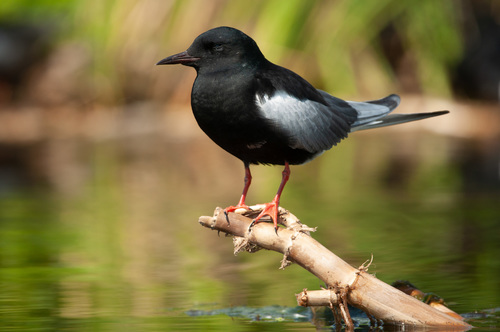
(c) Ренат Рахматуллин, some rights reserved (CC BY-NC), uploaded by Ренат Рахматуллин · cc-by-nc
White Tern
Sign in to saveAlso known as Common white tern, Gygis alba, Fairy tern, Angel tern, White noddy, manu-o-Kū, kakaia, Atlantic white tern
species of bird
OverviewAI-generated
The White Tern, scientifically known as *Gygis alba*, is a species of bird within the family Laridae and order Charadriiformes. It belongs to the class Aves and phylum Chordata, with the genus *Gygis* serving as its parent taxon. The species was described by Sparrman in 1786 and is also referred to by common names such as common white-tern, White-winged Tern, Dara-laut putih, Feenseeschwalbe, and Charrán blanco común.
This marine bird has a wingspan of 78 and a mass of 138. Its taxonomic range includes Brazil, South America, and Africa. The White Tern is currently classified as Least Concern on the IUCN Red List, a status last assessed in 2022.
Synthesized by Vinony from 29 facts across 5 sources: Wikidata, iNaturalist, WoRMS, IUCN Red List, Vinony graph. Generated from structured data (not the Wikipedia text) and checked against those facts — may still contain errors.
Species
Least Concerncommon white-tern
Species
- PhylumChordata
- ClassAves
- OrderCharadriiformes
- FamilyLaridae
Gygis alba La Gygis blanche (Gygis alba) est une espèce d'oiseau marin des régions tropicales et subtropicales, et que l'on peut trouver dans les océans Pacifique, Indien et Atlantique Sud[1]. Sommaire 1 Description 2 Alimentation 3 Répartition 4 Sous-espèces 5 Liens externes 6 Notes et références Description La Gygis blanche est un oiseau qui possède un plumage entièrement blanc, avec des ailes translucides en vol. Son bec est quant à lui noir, avec une teinte bleutée à sa base. Bien que le culmen soit droit, il apparaît légèrement arqué[2]. Ses pattes sont grisâtres et palmées. Ses yeux peuvent paraître très grands, car ils sont entourés d'un cercle oculaire noir et le contraste avec son plumage blanc ne fait pas ressortir ses iris bruns. Il mesure de la tête à la queue de 28 à 33 cm, avec une envergure qui varie de 66 à 80 cm. Il présente une particularité originale, il pond ses œuf directement sur une branche d'arbre dénudée[3]. Gygis blanche couvant son œuf sur une branche Un œuf de Gysis alba, Muséum d'Histoire Naturelle de Toulouse Alimentation Cette espèce se nourrit principalement de petits poissons (piscivore), mais aussi de calmars et de crustacés. Elle a tendance à volt
via IUCN
Wikidata facts
Show 9 more facts
- taxon rank
- species
- IUCN conservation status
- Least Concern
- taxon name
- Gygis alba
- Commons category
- Gygis alba
- Commons gallery
- Gygis alba
- wingspan
- 78
- taxon range
- Africa
- taxon common name
- tinhosa-branca
- short name
- G. alba
via Wikidata · CC0
~4 min read
Encyclopedic overview
The Atlantic white tern (Gygis alba), also known as the common white tern, is a small seabird found in the Atlantic Ocean. It is sometimes known as the fairy tern, although this name is potentially confusing as it is also the common name of Sternula nereis. Other names for the species include angel tern and white noddy. The blue-billed white tern (Gygis candida) and the little white tern (Gygis microrhyncha) have sometimes been considered as subspecies of the Atlantic white tern.
Taxonomy
Excerpted from Wikipedia’s “White Tern” article, available under the CC BY-SA 4.0 licence.