
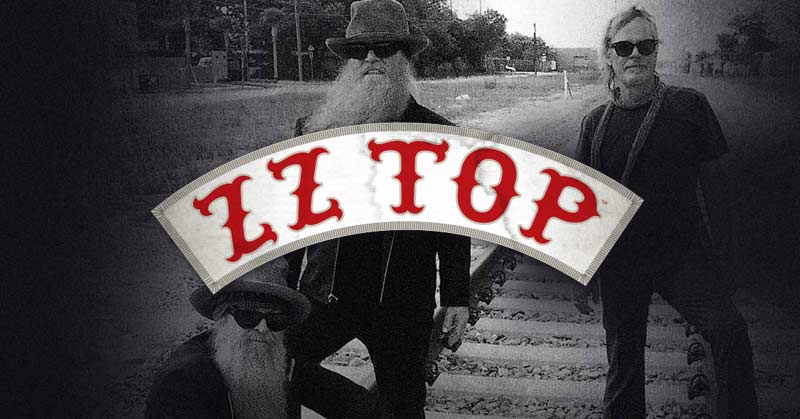
File:ZZ_Top,_Tons_of_Rock,_Oslo_Norway_(53851276584)_(cropped).jpg · Wikimedia Commons · See Wikimedia Commons
ZZ Top is an American rock band known for their distinctive blues-rock sound and energetic live performances. They became one of the most commercially successful and influential rock acts, helping to define the sound of rock music across multiple decades.
AI-generated from the Wikipedia summary — may contain errors.
Official website
Link to the official site · 29,879 chars · not written by Vinony
Wikidata facts
- Instance of
- musical group
- Has part
- Frank Beard
- Country
- United States
- Genre
- Southern rock
- Country of origin
- United States
- Record label
- Warner Music Group
- Discography
- ZZ Top discography
- Official website
- www.zztop.com
- Image
- ZZ Top performing in San Antonio, Texas 2015.jpg
Show 10 more facts
- Commons category
- ZZ Top
- topic's main category
- Category:ZZ Top
- social media followers
- 584000
- location of formation
- Houston
- topic has template
- Template:ZZ Top
- inception
- 1969-01-01
- member category
- Category:ZZ Top members
- start of work period
- 1969-00-00
- name
- ZZ Top
- native label
- ZZ Top
via Wikidata · CC0
~25 min read
Encyclopedic overview
ZZ Top is an American rock band formed in Houston, Texas, in 1969. The band maintained a constant lineup for over five decades—consisting of vocalist-guitarist Billy Gibbons, drummer Frank Beard, and bassist-vocalist Dusty Hill until Hill's departure, and eventual death, in 2021. ZZ Top developed a signature sound based on Gibbons' blues style and Hill and Beard's rhythm section. They are known for their live performances, sly and humorous lyrics, and the matching appearances of Gibbons and Hill, who wore sunglasses, hats, and long beards.
ZZ Top formed after Gibbons' band, Moving Sidewalks, disbanded in 1969. Within a year, they signed with London Records and released ZZ Top's First Album in 1971. Albums Tres Hombres (1973) and Fandango! (1975), and singles "La Grange" and "Tush", gained extensive radio airplay and have become staple tracks of classic rock radio. By the mid-1970s, ZZ Top had become renowned in North America for their live act, including the Worldwide Texas Tour (1976–77), which was a critical and commercial success. ZZ Top returned in 1979 with a new musical direction and image, with Gibbons and Hill wearing sunglasses and matching chest-length beards. With the album El Loco (1981), they began to experiment with synthesizers and drum machines. They established a more mainstream sound and rose to international stardom with Eliminator (1983) and Afterburner (1985), which integrated influences from new wave, punk, and dance-rock. The popularity of the albums' music videos, including for "Gimme All Your Lovin'", "Sharp Dressed Man", and "Legs", gave them mass exposure on MTV and made them prominent in 1980s pop culture. The Afterburner tour set records for the highest-attended and highest-grossing of 1986.
Excerpted from Wikipedia’s “ZZ Top” article, available under the CC BY-SA 4.0 licence.