Category
page 116th-century Roman Catholics

Galileo Galilei
Italian polymath (1564-1642)

Michelangelo
Michelangelo di Lodovico Buonarroti Simoni (6March 147518February 1564), known mononymously as Michelangelo, was an Italian sculptor, painter, architect, and poet of the High Renaissance. He was born in the Republic of Florence but was mostly active in Rome from his 30s onwards. His work was inspired by models from classical antiquity and had a lasting influence on Western art. Michelangelo's creative abilities and mastery in a range of artistic arenas define him as an archetypal Renaissance man, along with his rival and elder contemporary, Leonardo da Vinci. Given the sheer volume of survivin

Ferdinand Magellan
Portuguese explorer in the service of Spain

Raphael
Raffaello Sanzio da Urbino (; March 28 or April 6, 1483April 6, 1520), now generally known in English as Raphael ( , ), was an Italian painter and architect of the High Renaissance. His work is admired for its clarity of form, ease of composition, and visual achievement of the Neoplatonic ideal of human grandeur. Together with Leonardo da Vinci and Michelangelo, he forms the traditional trinity of great masters of that period.

François Rabelais
16th-century French writer and humanist (1494–1553)
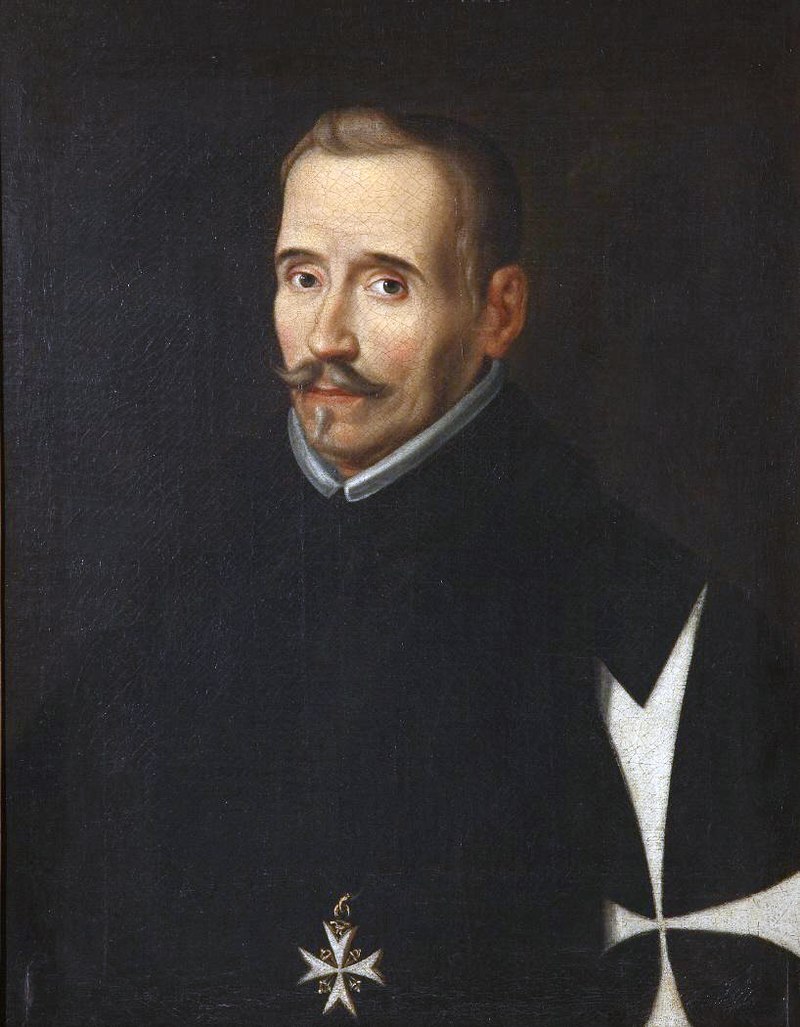
Lope de Vega
Spanish playwright and poet (1562-1635)
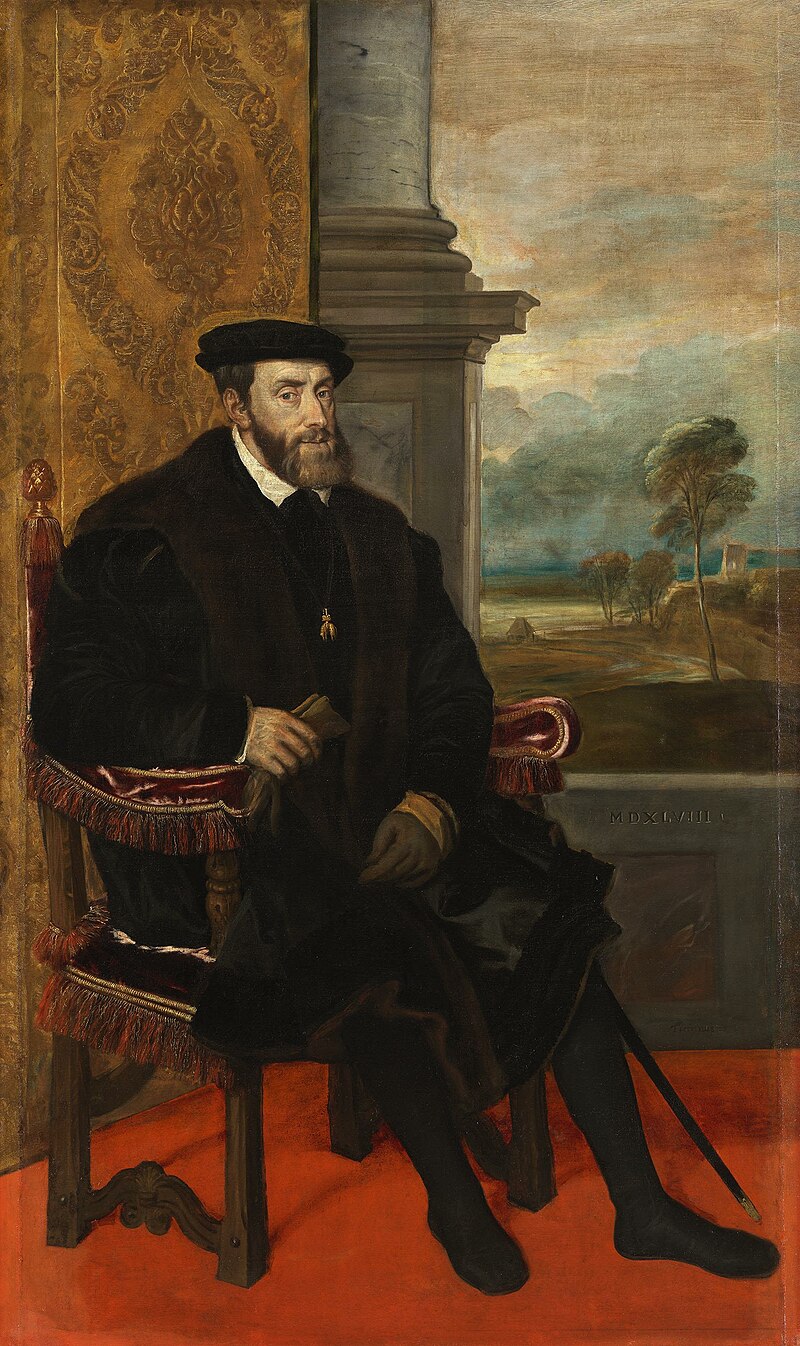
Charles V
Holy Roman Emperor from 1519 to 1556 (1500–1558)

Nostradamus
Michel de Nostredame (December 1503 – July 1566), usually Latinised as Nostradamus, was a French astrologer, apothecary, physician, and reputed seer, who is best known for his book Les Prophéties (published in 1555), a collection of 942 poetic quatrains allegedly predicting future events.

Henry VIII
Henry VIII was King of England from 22 April 1509 until his death in 1547. After the Pope refused to annul his marriage to Catherine of Aragon, Henry passed legislation that severed England and Ireland from the Roman Catholic Church and established the monarch as Supreme Head of the Church of England, initiating the English Reformation. He subsequently married five more times; two marriages were annulled, and two wives were executed.

Luís de Camões
16th-century Portuguese poet

Pedro Álvares Cabral
Portuguese military commander and explorer (c.1467/8 – c.1521)

Étienne de La Boétie
French judge, writer and philosopher
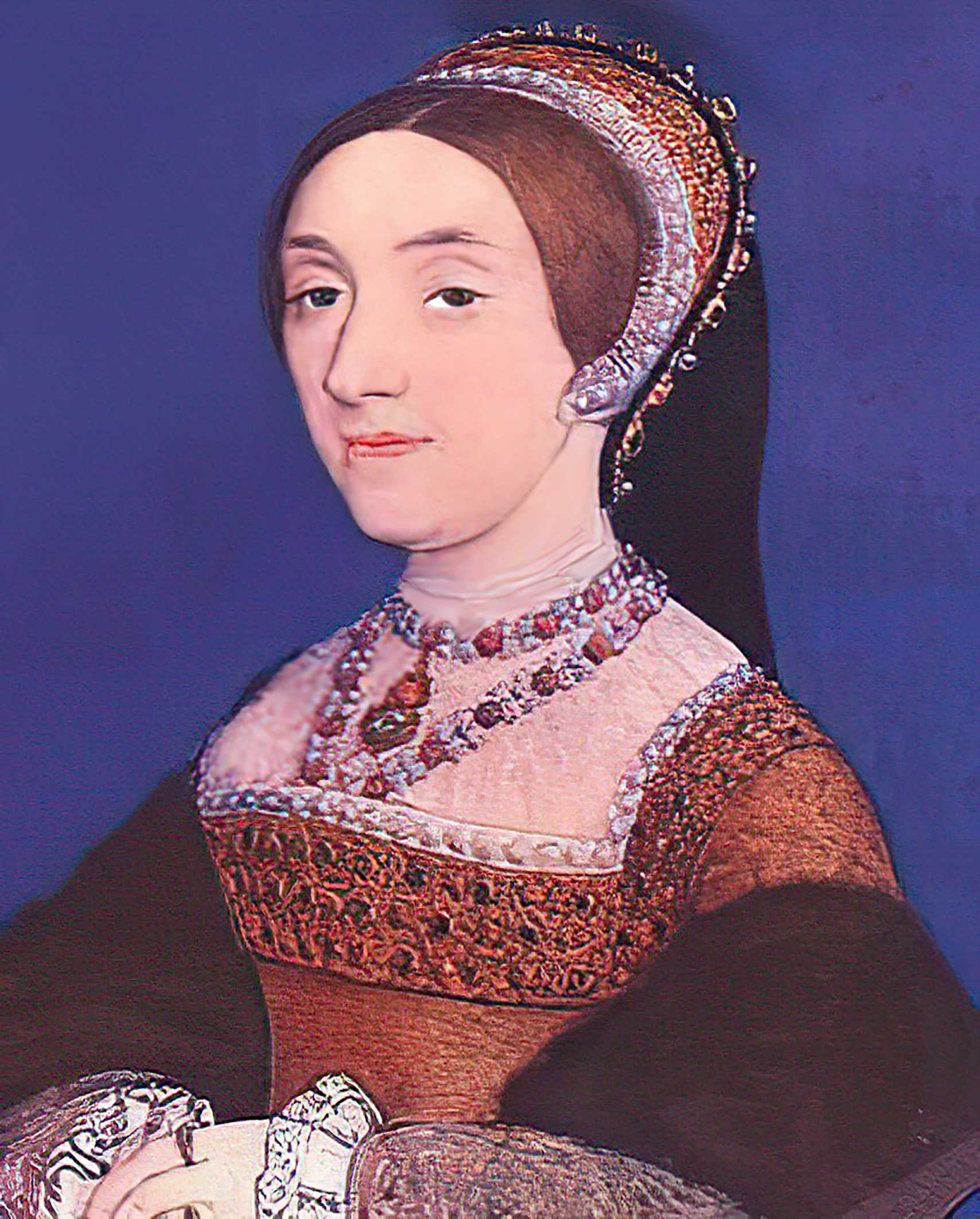
Catherine Howard
fifth wife of Henry VIII of England

Benvenuto Cellini
Florentine sculptor and goldsmith (1500–1571)

Luis de Góngora
Spanish Baroque lyric poet (1561-1627)

Leo Africanus
Andalusian author

Sebastian Brant
German humanist and satirist

Jean de Valette Parisot
nobleman from Quercy, having belonged to the order of the Hospitallers of Saint John of Jerusalem of which he was Grand Prior of Saint-Gilles (Langue de Provence) from 1556 to 1557 then Grand Master from 1557 to 1568

Alexander Farnese
duke of Parma and Piacenza, lived (1545-1592); duke of Castro, man of government and military in the service of Spain

John Dowland
English Renaissance composer, lutenist, and singer (1563–1626)

Pietro Pomponazzi
Italian philosopher (1462 – 1525)

Alessandro Allori
Italian painter (1535–1607)

Marko Marulić
Croatian national poet and European humanist
Gil Vicente
Portuguese writer (1465-1536)
Julius Caesar Scaliger
Italian scholar, physician and philosopher (1484-1558)
Fernão Mendes Pinto
Portuguese explorer and writer (1509–1583)
Pier Luigi Farnese
Duke of Parma (1503-1547)

Gonzalo Jiménez de Quesada
founder of Bogotá
Beatrice of Portugal, Duchess of Savoy
Portuguese noble (1505-1538)
John Corvinus
illegitimate son of King Matthias of Hungary and Ban of Croatia, Presumptive crown prince of Hungary (1473-1504)
Philip de Montmorency, Count of Horn
Dutch admiral (1524-1568)
John Parkinson
English herbalist and botanist (1567-1650)

Hosokawa Gracia
member of the Akechi family during the Sengoku period

Thomas Howard, 4th Duke of Norfolk
English politician and nobleman (1536–1572)
Albertus Pictor
painter
Bartolomeo Scappi
Italian chef
Thomas Percy
English conspirator
Bohuslav Hasištejnský z Lobkovic
Czech poet, traveller, humanist and satiricist
Francis Tresham
English conspirator
William Alabaster
English poet, playwright, and religious writer
Mary Villiers, Countess of Buckingham
daughter of Anthony Beaumont of Glenfield, Leicestershire

Hugh Roe O'Donnell
King of Dun na nGall

Dona Catherina of Kandy
Queen of Kandy
Henry FitzAlan, 12th Earl of Arundel
Chancellor of the University of Oxford; English earl (1512-1580)
Cherubino Alberti
engraver and painter (1553-1615)
Thomas Bates
Catholic executed for involvement in UK 1605 Gunpowder plot
Charles Neville, 6th Earl of Westmorland
English Earl
Domenico Alfani
Italian painter (1480-1553)
Henry Constable
English poet
Abraham Bzovius
Abraham Bzowski (Bzovius) (1567–1637) was a Polish Dominican historian. He carried on the work of Baronius. The Catholic Encyclopedia calls his contributions for 1198 to 1571 "less notable" than some of other continuators, namely Raynaldus, Laderchi, and August Theiner.
Chidiock Tichborne
English conspirator and poet
John and Christopher Wright
members of the Gunpowder Plot
François Baudouin
French jurist, theologian and historian (1520-1573)
Robert Keyes
English criminal
Jane Neville
English noblewoman
Jane Dormer
British noble (1538-1612)
Everard Digby
(1578–1606) English conspirator in the Gunpowder Plot of 1605
Henry Brooke, 11th Baron Cobham
English peer (1564-1619)
John VI, Count of Oldenburg
Co-ruler of Oldenburg
Robert and Thomas Wintour
Members of the Gunpowder plot