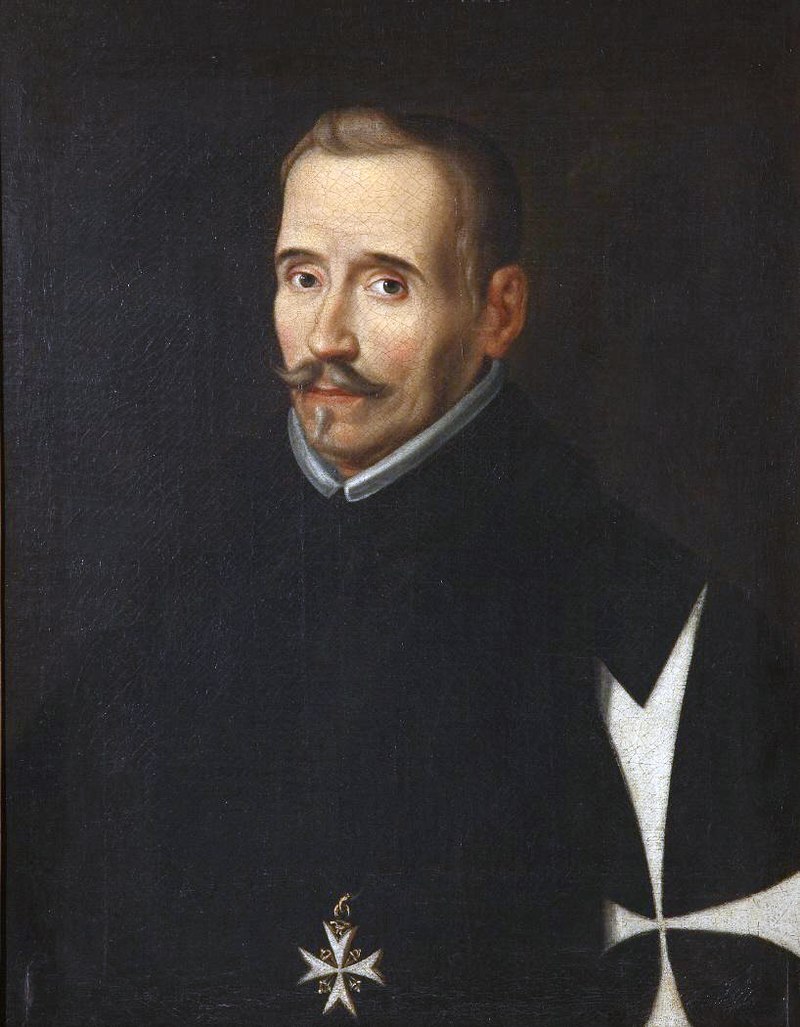
Lope de Vega
Also known as Phoenix of Wits, Prodigy of Nature, Lope Félix de Vega Carpio, Lopez de la Vega, Félix Lope de Vega y Carpio
Spanish playwright and poet (1562-1635)
AI overview
Lope de Vega was a Spanish playwright and poet who lived from 1562 to 1635 and is considered one of the most important figures in Spanish literature. He wrote hundreds of plays that helped establish the modern form of Spanish drama and remains widely read and performed today.
AI-generated from the Wikipedia summary — may contain errors.
Listeners · Last.fm
- Listeners
- 198
- Total plays
- 1,711
Similar artists
AmadoNervoEl Cancionero de la ColombinaLuys MilanJoan CererolsJulio Cortázar
Félix Arturo Lope de Vega y Carpio (usually called simply Lope de Vega; 25 November 1562 – 27 August 1635) was one of the most important playwrights and poets of the Spanish Golden Century Baroque literature. His reputation in the world of Spanish letters is second only to that of Cervantes, while the sheer volume of his literary output is unequalled, making him one of the most prolific authors in the history of literature. Nicknamed "The Phoenix <a href="https://www.last.fm/music/Lope+de+Vega">Read more on Last.fm</a>
Recent publications · Crossref
5 total works indexed
Works in European collections
36 objects attributed to Lope de Vega, held across European museums, libraries & archives · via Europeana
Chosen collection of non-dramatic works by frey Lope Félix de Vega Carpio
El milagro por los celos [Manuscrito] :]comedia en tres jornadas. Emp.: ¡Oh, qué proposición tan importuna! (h. 1)... Fin.: dad perdón a la primera (h. 47)
Las burlas de Benitico [Manuscrito] :]comedia en tres jornadas. Emp.: Muera, muera o vaya preso (h. 1)... Fin.: el discurso de este cuento (h. 21v)
Article
Félix Lope de Vega y Carpio (/dəˈveɪɡə/; 25 November 1562 – 27 August 1635) was a Spanish playwright, poet, and novelist who was a key figure in the Spanish Golden Age (1492–1659) of Baroque literature. In the literature of Spain, Lope de Vega is often considered second only to Miguel de Cervantes. Cervantes said that Lope de Vega was “The Phoenix of Wits” (Fénix de los ingenios) and “Monster of Nature” (Monstruo de naturaleza).
Lope de Vega renewed the literary life of Spanish theatre when it became mass culture, and with the playwrights Pedro Calderón de la Barca and Tirso de Molina defined the characteristics of Spanish Baroque theatre with great insight into the human condition. The literary production of Lope de Vega includes 3,000 sonnets, three novels, four novellas, nine epic poems, and approximately 500 stageplays.
Gallery (6)
Connections
Categories
1562 births1635 deaths16th-century Roman Catholics16th-century Spanish dramatists and playwrights16th-century Spanish male writers16th-century Spanish poets16th-century Spanish writers17th-century Roman Catholics17th-century Spanish dramatists and playwrights17th-century Spanish poetsDeaths from streptococcus infectionKnights of Malta