Category
page 1Actinopterygii orders

Perciformes
Perciformes (), also called the Acanthopteri, is an order or superorder of ray-finned fish in the clade Percomorpha. Perciformes means "perch-like". Among the well-known members of this group are perches and darters (Percidae), and also sea basses (Serranidae). This order contains many familiar freshwater temperate and tropical marine fish groups, but also extremophiles that have successfully colonized both the North and South Poles, as well as the deepest depths of the ocean.
.jpg)
Cypriniformes
Cypriniformes is an order of ray-finned fish which contains many sister families and genera of cypriniform fish split into several suborders, including the barbs, loaches, botias, carps, danionins, and minnows, amongst others. Cypriniformes is an "order-within-an-order", placed under the superorder Ostariophysi—which is also made up of cyprinid, ostariophysin fishes. The order contains 11–12 families (with some authorities having listed as many as 23), over 400 genera, and more than 4,250 named species; new species are regularly described, and new genera are recognized frequently. Cyprinids ar
Clupeiformes
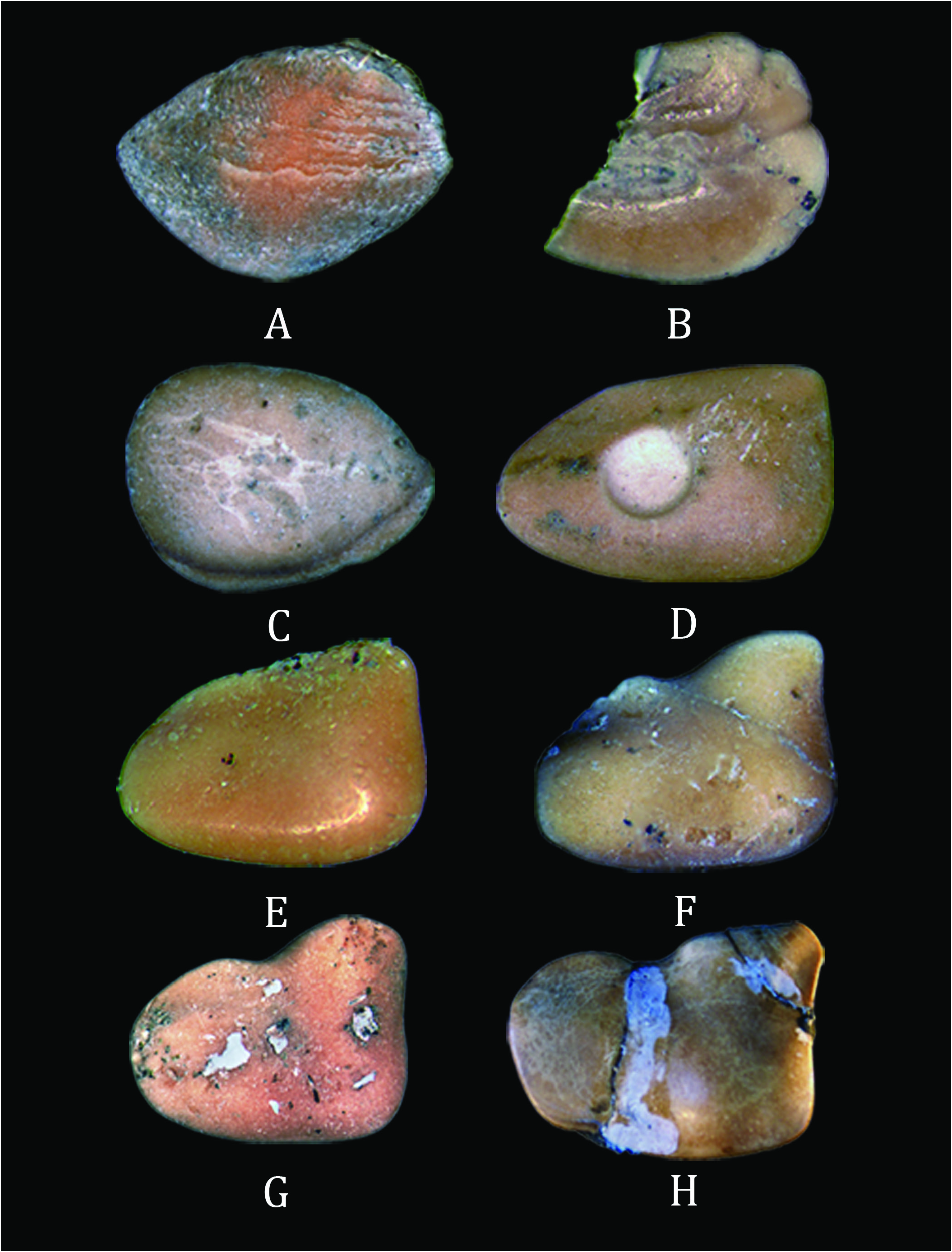
Clupeiformes is the order of ray-finned fish that includes the herring family, Clupeidae, and the anchovy family, Engraulidae and sardines. The group includes many of the most important forage and food fish.

Acipenseriformes
thumb|Fossil of the Chondrosteidae|chondrosteid Strongylosteus hindenburgi, Tübingen
thumb|Fossil of the Peipiaosteidae|peipiaosteid Yanosteus longidorsalis, [[MHNT]]
thumb|The living Polyodontidae|polyodontid Polyodon spathula (American paddlefish)
thumb|The living Acipenseridae|acipenserid Acipenser ruthenus (sterlet)
thumb|The living Acipenseridae|acipenserid [[Pseudoscaphirhynchus kaufmanni (false shovelnose sturgeon)]]

Gadiformes
Gadiformes , also called the Anacanthini, are an order of ray-finned fish that include the cod, hakes, pollock, haddock, burbot, rocklings and moras, many of which are food fish of major commercial value. They are mostly marine fish found throughout the world and the vast majority are found in temperate or colder regions (tropical species are typically deep-water) while a few species may enter brackish estuaries. Pacific tomcods, one of the two species that makes up the genus Microgadus, are able to enter freshwater, but there is no evidence that they breed there. Some populations of landlocke

Characiformes
Characiformes is an order of ray-finned fish, comprising the characins and their allies. Grouped in 18 recognized families, more than 2000 different species are described, including the well-known piranha and tetras. Characins are most diverse in the Neotropics, where they are found in lakes and rivers throughout most of South and Central America. At least 209 species of characins are found in Africa, including the distichodontids, citharinids, alestids, and hepsetids. The rest of the characins originate in the Americas.

Tetraodontiformes
Tetraodontiformes (), also known as the Plectognathi, is an order of ray-finned fishes which includes the pufferfishes and related taxa. This order has been classified as a suborder of the order Perciformes, although recent studies have found that it, as the Tetraodontoidei, is a sister taxon to the anglerfish order Lophiiformes, called Lophiodei, and have placed both taxa within the Acanthuriformes. The Tetraodontiformes are represented by 10 extant families and at around 430 species overall. The majority of the species within this order are marine but a few may be found in freshwater. They a

Cyprinodontiformes
Cyprinodontiformes () is an order of ray-finned fish, comprising mostly small, freshwater fish. Many popular aquarium fish, such as killifish and live-bearers, are included. They are closely related to the Atheriniformes and are occasionally included with them. A colloquial term for the order as a whole is toothcarps, though they are not actually close relatives of the true carps – the latter belong to the superorder Ostariophysi, while the toothcarps are Acanthopterygii.

Syngnathiformes
The Syngnathiformes are an order of ray-finned fishes that includes the pipefishes, seahorses, trumpetfishes, goatfish, dragonets, flying gurnards and sea moths, among others.

Atheriniformes
The Atheriniformes, also known as the silversides, are an order of ray-finned fishes that includes the Old & New World silversides, the rainbowfishes, and several less-familiar families, including the unusual Phallostethidae. The order includes at least 354 species. They are found worldwide in tropical and temperate marine and freshwater environments.
Beloniformes
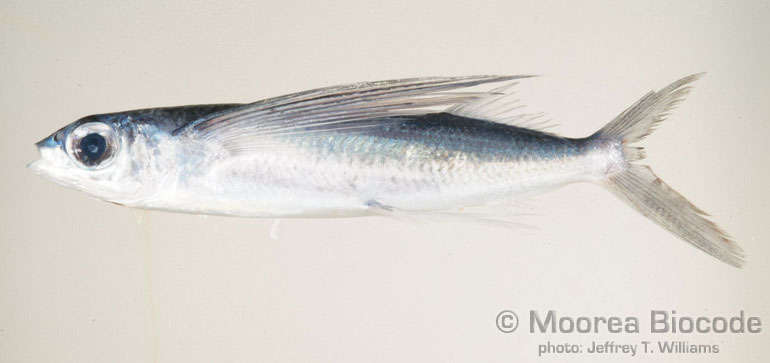
Beloniformes is an order composed of six families (and about 264 species) of freshwater and marine ray-finned fish:
Adrianichthyidae (ricefish and medakas)
Belonidae (needlefish)
Exocoetidae (flyingfishes)
Hemiramphidae (halfbeaks)
Scomberesocidae (sauries)
Zenarchopteridae (viviparous halfbeaks)

Lampriformes
Lampriformes () is an order of ray-finned fishes. Members are commonly known as lampriforms, and include such open-ocean and partially deep-sea Teleostei as the opahs, sailfin velifer, crestfishes, ribbonfishes and oarfishes. A synonym for this order is Allotriognathi, while an often-seen spelling variant is Lampridiformes. They contain seven extant families which are generally small but highly distinct, and a mere 12 lampriform genera with some 20 species altogether are recognized. They are the only extant members of the superorder Lamprimorpha, which was formerly diverse throughout much of t

Gymnotiformes
The Gymnotiformes are an order of teleost bony fishes commonly known as Neotropical knifefish or South American knifefish, which inhabit fresh water (the only exceptions are species that occasionally may visit brackish water to feed). These mostly nocturnal fish have long bodies and swim using undulations of their elongated anal fin. They are electric fish, are capable of producing electric fields for various purposes, such as detecting prey, for navigation, communication, and, in the case of the electric eels (Electrophorus spp.), attack and defense. A few species are familiar to the aquarium
Osteoglossiformes
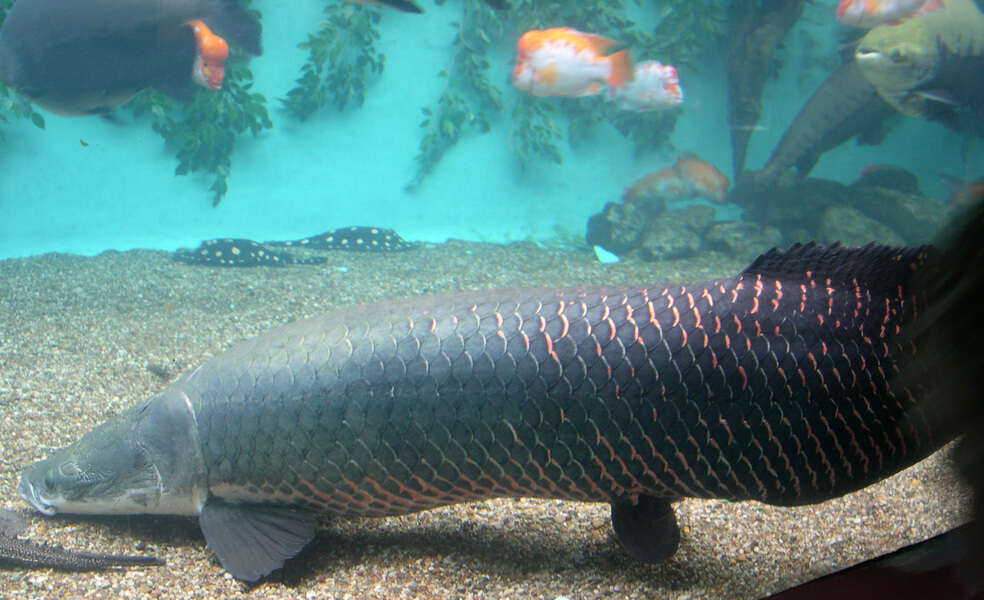
Osteoglossiformes , meaning "bony tongues" in Ancient Greek, is a relatively primitive order of ray-finned fish that contains two sub-orders, the Osteoglossoidei and the Notopteroidei. All of at least 245 living species inhabit freshwater. They are found in South America, Africa, Australia and southern Asia, having first evolved in Gondwana before that continent broke up. In 2008, several new species of marine osteoglossiforms were described from the Danish Eocene Fur Formation, dramatically increasing the diversity of this group. This implies that the Osteoglossomorpha is not a primary freshw

Zeiformes
The Zeiformes are a small order of exclusively marine ray-finned fishes most notable for the dories, a group of common food fish. The order consists of about 33 species in six extant families, mostly deep-sea types. The boarfishes (Caproidae) have been previously included in this order though they are currently included in the Perciformes.

Osmeriformes
The Osmeriformes are an order of ray-finned fish that includes the true or freshwater smelts and allies, such as the noodlefishes; they are also collectively called osmeriforms. They belong to the teleost superorder Protacanthopterygii, which also includes pike and salmon, among others. The order's name means "smelt-shaped", from Osmerus (the type genus) + the standard fish order suffix "-formes". It ultimately derives from Ancient Greek osmé (ὀσμή, "pungent smell") + Latin forma ("external form"), the former in reference to the characteristic aroma of the flesh of Osmerus.

Myctophiformes
The Myctophiformes are an order of ray-finned fishes consisting of two families of deep-sea marine fish, most notably the highly abundant lanternfishes (Myctophidae). The blackchins (Neoscopelidae) contain six species in three genera, while the bulk of the family belongs to the Myctophidae, with over 30 genera and some 252 species.

Aulopiformes
Aulopiformes is a diverse order of marine ray-finned fish consisting of some 15 extant and several prehistoric families with about 45 genera and over 230 species. The common names grinners, lizardfishes and allies, or aulopiforms are sometimes used for this group. They are included in the superorder Cyclosquamata, though modern taxonomists consider this superorder to be unwarranted.
Gonorynchiformes
The Gonorynchiformes are an order of ray-finned fish that includes the important food source, the milkfish (Chanos chanos, family Chanidae), and a number of lesser-known types, both marine and freshwater.

Synbranchiformes
Synbranchiformes, often called swamp eels, though that name can also refer specifically to Synbranchidae, is an order of ray-finned fishes that are eel-like but have spiny rays, indicating that they belong to the superorder Acanthopterygii.
Percopsiformes
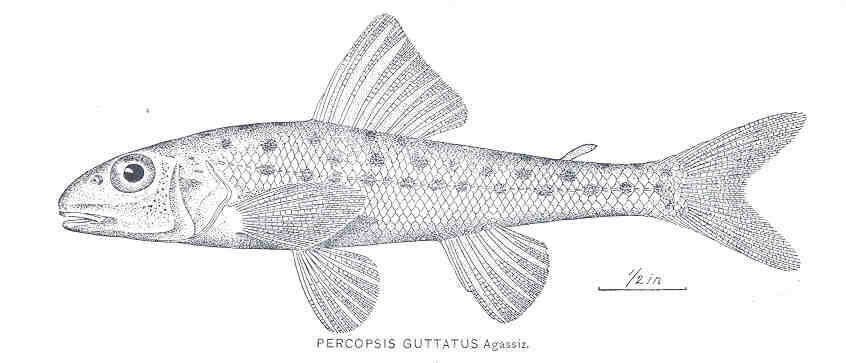
The Percopsiformes are a small order of freshwater teleost fishes measuring less than in length, comprising the trout-perch and its allies. It contains just ten extant species, grouped into seven genera and three families. Five of these genera are monotypic.

Beryciformes
The Beryciformes are a poorly-understood order of carnivorous ray-finned fishes consisting of 7 families, 30 genera, and 161 species. They feed on small fish and invertebrates. Beyond this, little is known about the biology of most member species because of their nocturnal habits and deepwater habitats.

Notacanthiformes
The Notacanthiformes are an order of deep-sea ray-finned fishes, consisting of the families Halosauridae and Notacanthidae (spiny eels).
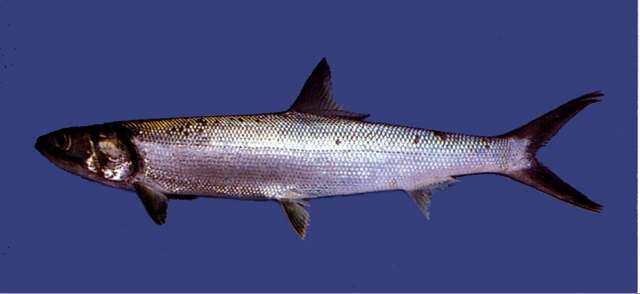
Elopiformes
The Elopiformes are the order of ray-finned fish including the tarpons, tenpounders, and ladyfish, as well as a number of extinct types. They have a long fossil record, easily distinguished from other fishes by the presence of an additional set of bones in the throat.

Ophidiiformes
Ophidiiformes is an order of ray-finned fish that includes the cusk-eels (family Ophidiidae), pearlfishes (family Carapidae), viviparous brotulas (family Bythitidae), and others. Members of this order have small heads and long slender bodies. They have either smooth scales or no scales, a long dorsal fin and an anal fin that typically runs into the caudal fin. They mostly come from the tropics and subtropics, and live in both freshwater and marine habitats, including abyssal depths. They have adopted a range of feeding methods and lifestyles, including parasitism. The majority are egg-laying,

Stomiiformes
Stomiiformes is an order of deep-sea ray-finned fishes of very diverse morphology. It includes, for example, dragonfishes, lightfishes (Gonostomatidae and Phosichthyidae), loosejaws, marine hatchetfishes and viperfishes. The order contains 4 families (5 according to some authors) with more than 50 genera and at least 410 species. As usual for deep-sea fishes, there are few common names for species of the order, but the Stomiiformes as a whole are often called dragonfishes and allies or simply stomiiforms.
.jpg)
Amiiformes
The Amiiformes order of fish has only two extant species, the bowfins: Amia calva and Amia ocellicauda, the latter recognized as a separate species in 2022. These Amiiformes are found in the freshwater systems of North America, in the United States and parts of southern Canada. They live in freshwater streams, rivers, and swamps. The order first appeared in the Triassic, and the extinct members include both marine and freshwater species, many of which are morphologically disparate from bowfins, such as the caturids.

Argentiniformes
The Argentiniformes is an order of marine ray-finned fish whose distinctness was recognized only fairly recently. In former times, they were included in the Osmeriformes (typical smelt and allies) as suborder Argentinoidei. That term refers only to the suborder of marine smelts and barreleyes in the classification used here, with the slickheads and allies being the Alepocephaloidei. These suborders were treated as superfamilies Argentinoidea and Alepocephaloidea, respectively, when the present group was still included in the Osmeriformes.
%201.jpg)
Gobioidei
The Gobioidei are a suborder of percomorph fish. Many of these fishes are called gobies. It is by far the largest and most diverse order within the order Gobiiformes, and one of the most diverse groups of ray-finned fish in general.
%20group%20Sydney%20Zoo%20aquarium%202023-03-08.jpg)
Mugiliformes
Mugiliformes is a small order of percomorph fish in the clade Ovalentaria.
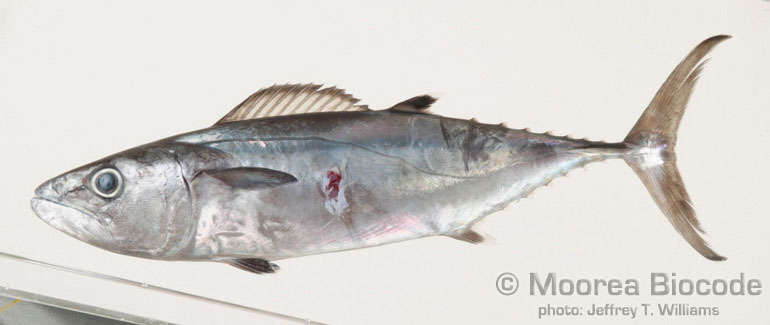
Scombriformes
Scombriformes, also known as Pelagia or Pelagiaria, is an order of ray-finned fish within the clade Percomorpha. It contains 287 extant species in 16 families, most of which were previously classified under the suborders Scombroidei and Stromateoidei of the order Perciformes.
Lepisosteiformes
Lepisosteiformes is an order of ray-finned fish and the only living members of the clade Ginglymodi. Its only extant representatives are the gar (family Lepisosteidae), and it is defined as all members of Ginglymodi that are more closely related to gar than to the extinct Semionotiformes, the other major grouping of ginglymodians. They are one of two extant orders in the infraclass Holostei alongside the Amiiformes (now represented by only the bowfins).''''''
.jpg)
Gobiiformes
Gobiiformes (meaning "goby-like") is an order of percomorph fish containing three suborders: Apogonoidei, Trichonotoidei, and Gobioidei. The order was formerly defined as containing only the gobies (now placed within the Gobioidei). However, more recent taxonomic treatments also place their close relatives (the cardinalfishes, nurseryfishes, and sand-divers) with them, based on phylogenetic studies that unexpectedly found a close relationship between these groups. The Gobioidei are the most speciose clade of the family.
left|thumb|Goby eggs attached to rocks, showing their distinctive adhesive
Salmoniformes
Salmoniformes (, lit. "salmon-shaped") is an order of ray-finned fishes native to the temperate and subarctic Northern Hemisphere.' It contains two suborders: Salmonoidei (containing only the Salmonidae) and Esocoidei (containing pikes and mudminnows).' In addition, potential fossil members of the group, dating back to the Late Cretaceous, are also known from Europe and Africa. Both large-sized members of this order (Salmonidae and Esocidae) are important food and sport fish of the Northern Hemisphere.
Cichliformes
Cichliformes is an order of ray-finned fish. Its members were previously classified under the order Perciformes, but now many authorities consider it to be an independent order within the subseries Ovalentaria. The earliest fossils are known from the Eocene.
Acanthuriformes
Acanthuriformes is a large, diverse order of mostly marine ray-finned fishes, part of the Percomorpha clade. In the past, members of this clade were placed in the suborders Acanthuroidea and Percoidea of the order Perciformes, but this treatment is now considered paraphyletic.
Hiodontiformes
Hiodontiformes is an order of ray-finned fish consisting of the two living species of the mooneye family, Hiodontidae, and three extinct genera.
Carangiformes
Carangiformes is a large and diverse order of ray-finned fishes within the clade Percomorpha. It is part of a sister clade to the Ovalentaria, alongside its sister group, the Anabantaria (including Anabantiformes and Synbranchiformes). The order includes ecologically diverse groups such as the jacks and trevallies, flatfishes, barracudas, billfishes, and archerfishes.
Ateleopodiformes
REDIRECT Jellynose fish
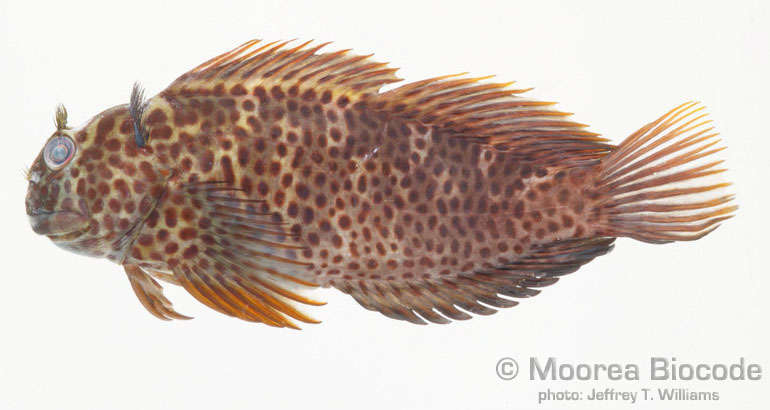
Blenniiformes
Blenniiformes is an order of percomorph fish in the clade Ovalentaria, of which it is the most diverse group. This order contains several well-known fish groups such as blennies and damselfish.
Polymixiiformes
REDIRECT Beardfish
Ovalentaria
Ovalentaria is a clade of ray-finned fishes within the Percomorpha, referred to as a subseries. It is made up of a group of fish families which are referred to in ''Fishes of the World's fifth edition as incertae sedis, as well as the orders Mugiliformes, Cichliformes, and Blenniiformes. It was named by W. L. Smith and T. J. Near in Wainwright et al.'' (2012) based on a molecular phylogeny, but the authors suggested that the group was united by the presence of demersal eggs that are attached to a substrate. Some authors have used the ordinal name Stiassnyiformes for a clade including Mugiloide
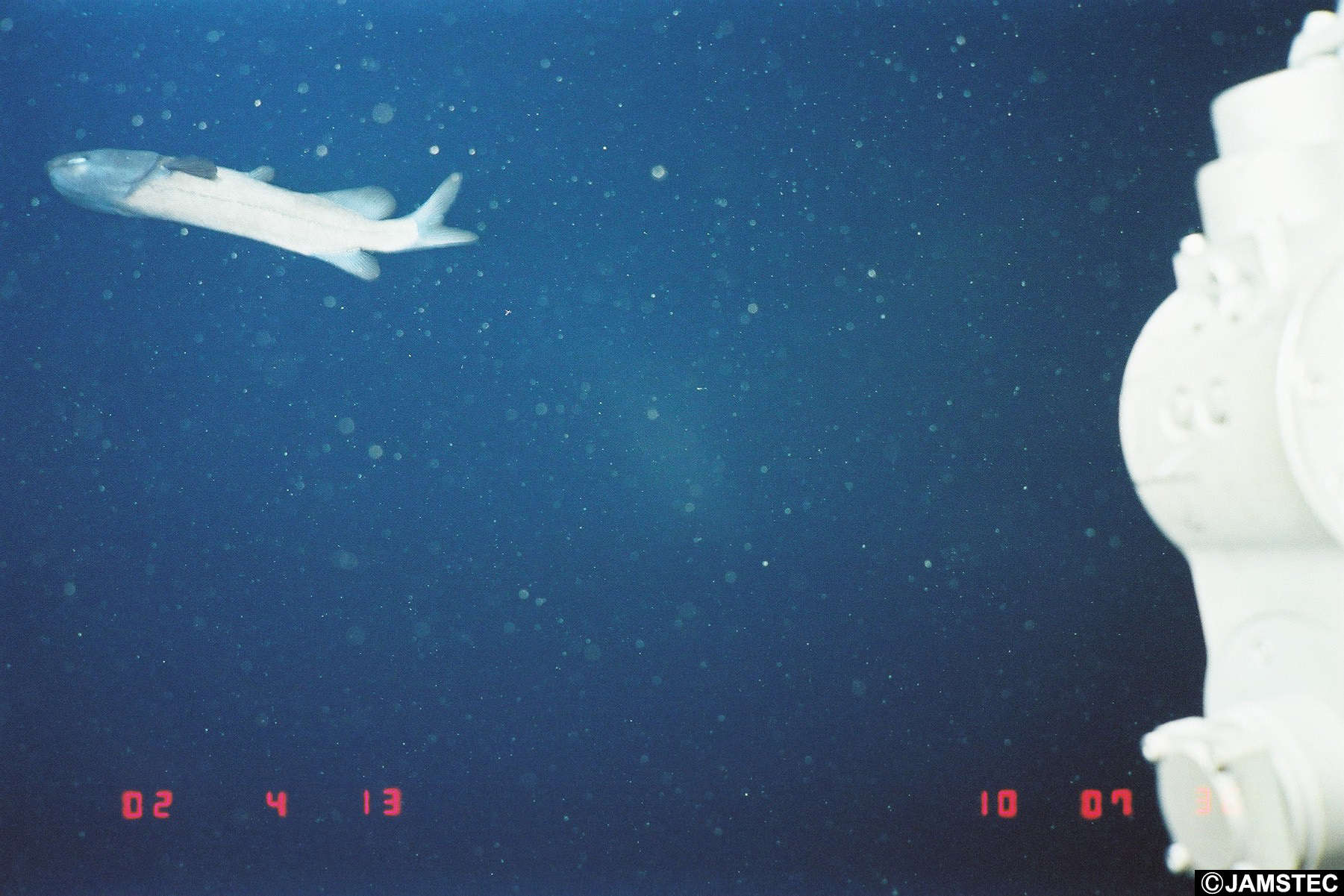
Alepocephaliformes
Alepocephaliformes is an order of marine deep-sea teleost fishes. It was previously classified as the suborder Alepocephaloidei of the order Argentiniformes.
Polypteriformes
REDIRECT Bichir

Trachichthyiformes
The Trachichthyiformes are an order of ray-finned fishes in the clade Acanthomorpha, consisting of 5 families, 20 genera, and over 70 species. The order includes the flashlight fishes, fangtooth fishes, spinyfins, pineconefishes, and roughies. They are exclusively marine fish, with many species inhabiting the deep sea.
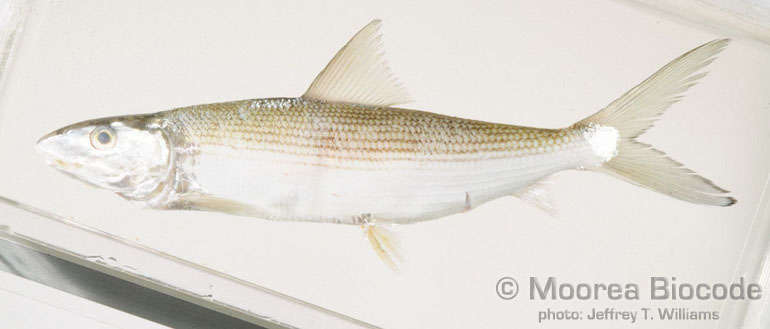
Albuliformes
REDIRECT Bonefishes

Centrarchiformes
Centrarchiformes is an order of ray-finned fish, previously included amongst the perciformes. The order Centrarchiformes is not recognized in the 5th Edition (2016) of Fishes of the World, but is accepted on the World Register of Marine Species in November 2023, Fishbase, and ''Eschmeyer's Catalog of Fishes''.

Acropomatiformes
The Acropomatiformes or Pempheriformes are an order of fish from the group of perch relatives Percomorpha. The relationship of the families assigned to the Acropomatiformes is based on molecular biological studies and is not yet supported by morphological characteristics.
Spariformes
Spariformes is an order of ray-finned fishes consisting of six families within the series Percomorpha.
Priacanthiformes
The Priacanthiformes is a proposed order of marine ray-finned fishes. The order comprises two families, the Priacanthidae and the Cepolidae, which bear very little morphological similarity to each other but which have been shown to be sister taxa in repeated molecular analyses. The exact placement of the order within the series Eupercaria is incertae sedis. However, the more traditional classification followed in the 5th Edition of the Fishes of the World places both these families within the order Perciformes.