Category
page 1Alexander Shulgin

MDMA
3,4-Methylenedioxymethamphetamine (MDMA), commonly known as ecstasy (tablet form), and molly (crystal form), is an entactogen with stimulant and minor psychedelic properties.

mescaline
Mescaline, also known as mescalin or mezcalin, and in chemical terms 3,4,5-trimethoxyphenethylamine, is a naturally occurring classical psychedelic protoalkaloid of the substituted phenethylamine class, found in cacti like peyote (Lophophora williamsii) and San Pedro (certain species of the genus Echinopsis).

Alexander Shulgin
American medicinal chemist, biochemist, pharmacologist, psychopharmacologist, and author (1925–2014)

2C-B
2C-B, also known as 4-bromo-2,5-dimethoxyphenethylamine or by names such as Nexus or Erox, is a psychedelic drug of the phenethylamine and 2C families. The drug is used as a recreational drug and is usually taken orally. 2C-B produces hallucinogenic, mild stimulant, and mild entactogenic-like effects. Its hallucinogenic effects at typical doses are milder than those of other psychedelics like LSD or psilocybin.
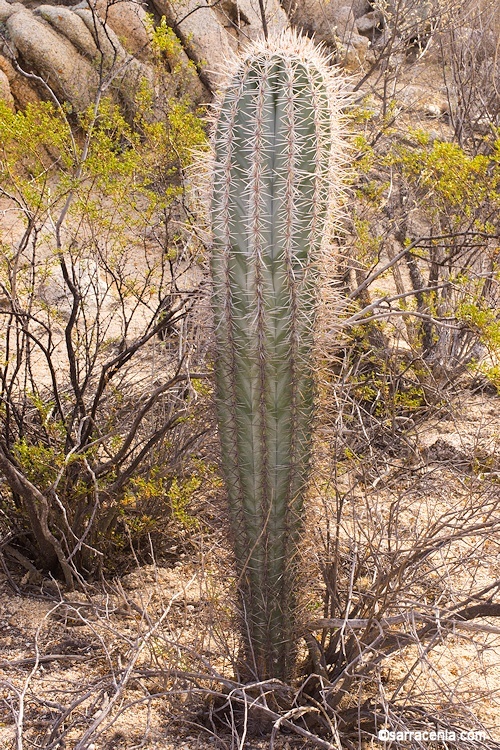
Pachycereus pringlei
species of plant
(RS)-methylone
Methylone, also known as '3,4-methylenedioxy-N-methylcathinone (MDMC'), is an entactogen and stimulant drug of the amphetamine, cathinone, and MDxx families related to 3,4-methylenedioxymethamphetamine (MDMA; "ecstasy"). It is the β-keto or cathinone analogue of MDMA. The drug is usually taken orally, but can also be administered by other routes.
2,5-dimethoxy-4-methylamphetamine
2,5-Dimethoxy-4-methylamphetamine (DOM), also known as STP (standing for "Serenity, Tranquility, and Peace" and other phrases), is a psychedelic drug of the phenethylamine, amphetamine, and DOx families. It has stimulant and antidepressant-like effects at low doses and hallucinogenic effects at higher doses. The drug can have a very slow onset and long duration, with its duration possibly being up to a few days at high doses. It is usually taken orally.
Tryptamines I Have Known and Loved
TiHKAL: The Continuation, also known as Tryptamines I Have Known and Loved, is a 1997 book written by Alexander Shulgin and Ann Shulgin. It is about a family of psychoactive drugs known as tryptamines, which includes psychedelics, other hallucinogens, and entactogens. The book has two halves, and the second part of the book contains detailed entries on 55tryptamines. TiHKAL is a sequel to PiHKAL: A Chemical Love Story (Phenethylamines I Have Known and Loved) (1991).
2C-E
2C-E, also known as 4-ethyl-2,5-dimethoxyphenethylamine, is a psychedelic drug of the phenethylamine and 2C families. It is taken orally.

Ann Shulgin
American author and the widow of chemist Alexander Shulgin (1931–2022)
empathogen-entactogen
Entactogens, also known as empathogens or connectogens, are a class of psychoactive drugs that induce experiences of emotional communion, oneness, connectedness, emotional openness—that is, empathy—as particularly observed and reported for experiences with MDMA (ecstasy). This class of drug is distinguished from the classes of hallucinogens or psychedelics and stimulants, although entactogens, for instance MDMA, can also have these properties. Entactogens are used both as recreational drugs and are being investigated for medical use in the treatment of psychiatric disorders, for instance MDMA-
2C-D
2C-D, also known as 4-methyl-2,5-dimethoxyphenethylamine, is a psychedelic drug of the phenethylamine and 2C families. It has an unusually wide and gradual dose range and at low doses produces claimed cognitive enhancer-like effects, mild stimulant effects, and mild perceptual effects, whereas at high doses, it produces robust psychedelic effects. The drug is taken orally.
Phenethylamines I Have Known And Loved
PiHKAL: A Chemical Love Story, also known as Phenethylamines I Have Known and Loved, is a book by Alexander Shulgin and Ann Shulgin published in 1991. The subject of the work is psychoactive phenethylamine chemical derivatives, notably those that act as psychedelics and/or entactogens. The book has two halves, with the second part containing detailed entries on 179phenethylamines. PiHKAL was followed by TiHKAL: The Continuation (Tryptamines I Have Known and Loved) (1997).
2C-T-2
2C-T-2, also known as 4-ethylthio-2,5-dimethoxyphenethylamine, is a psychedelic drug of the phenethylamine and 2C families. It is taken orally.
2C
class of chemical compounds
N,N-diisopropyltryptamine
Diisopropyltryptamine (DiPT), also known as '''N,N-diisopropyltryptamine''', is a psychedelic drug of the tryptamine family related to dimethyltryptamine (DMT). It is unusual among psychedelics in that at usual doses it primarily or exclusively produces strong auditory changes, including decreased pitch, harmonic distortion, and sound unfamiliarity, but produces no other hallucinogenic effects such as visuals. However, the drug may produce more classically psychedelic effects at very high doses. It is taken orally, but can also be smoked.

5-methoxy-N,N-diisopropyltryptamine
5-MeO-DiPT, also known as '5-methoxy-N,N-diisopropyltryptamine and sometimes as foxy methoxy or simply foxy', is an atypical psychedelic drug of the tryptamine and 5-methoxytryptamine families. It has unique and distinct effects from other serotonergic tryptamines, including some stimulant- and entactogen-like effects, robust tactile and sexual enhancement, and only light hallucinogenic effects. The drug is usually taken orally, but may also be used by other routes.
(RS)-5-methoxy-3,4-methylenedioxyamphetamine
group of stereoisomers
2C-T-7
2C-T-7, also known as 4-propylthio-2,5-dimethoxyphenethylamine or as Blue Mystic or 7th Heaven, is a psychedelic drug of the phenethylamine and 2C families. It is taken orally.
2C-B-FLY
2C-B-FLY is a psychedelic and designer drug of the phenethylamine, 2C, and FLY families. It was first described in 1995 by Aaron Monte, Professor of Chemistry at UW-La Crosse.
Ariadne
chemical compound

3,4,5-trimethoxyamphetamine
3,4,5-Trimethoxyamphetamine (TMA, TMA-1, or 3,4,5-TMA), also known as α-methylmescaline (3C-mescaline or 3C-M) or mescalamphetamine, is a psychedelic drug of the phenethylamine and amphetamine families. It is one of the trimethoxyamphetamine (TMA) series of positional isomers. The drug is notable in being the amphetamine (α-methylated) analogue of mescaline (3,4,5-trimethoxyphenethylamine).
2,5-dimethoxy-4-ethylamphetamine
DOET, also known as 4-ethyl-2,5-dimethoxyamphetamine or as Hecate, is a psychedelic drug of the phenethylamine, amphetamine, and DOx families. It is closely related to DOM and is a synthetic analogue of the naturally occurring phenethylamine psychedelic mescaline. The drug is the derivative of DOM in which the methyl group at the 4 position has been replaced with a ethyl group. It is taken orally. DOET has a slow onset of 1 to 3hours, a delayed peak of 3 to 5hours, and a dose-dependent and potentially very long duration of 5 to 20hours.
2C-T
2C-T, or 2C-T-1, also known as 4-methylthio-2,5-dimethoxyphenethylamine, is a psychedelic drug of the phenethylamine and 2C families. It is taken orally. The drug has a relatively short duration and is of relatively low potency among the 2C psychedelics.
mexacarbate
Mexacarbate is a carbamate pesticide developed by Alexander Shulgin and marketed in 1961 by Dow Chemical Company under the trade name Zectran. As of 2009, Mexacarbate is considered obsolete or discontinued, according to the World Health Organization. It is notable for being the first biodegradable pesticide.
thumb|left|Canister of mexacarbate (Zectran)
thumb|Mexacarbate being sprayed by helicopter.
N,N-diallyl-5-methoxytryptamine
5-MeO-DALT, also known as '''N,N-diallyl-5-methoxytryptamine or as foxtrot''', is a psychedelic drug of the tryptamine and 5-methoxytryptamine families. It is taken orally.
Shulgin Rating Scale
Scale for reporting subjective effects of psychoactive substances