Category
page 1Amphiesmenoptera

Lepidoptera
Lepidoptera ( ) or lepidopterans are an order of winged insects which include butterflies and moths. About 180,000 species of the Lepidoptera have been described, representing 10% of the total described species of living organisms, making it the second largest insect order (behind Coleoptera) with 126 families and 46 superfamilies, and one of the most widespread and widely recognizable insect orders in the world.

Trichoptera
The caddisflies (order Trichoptera) are a group of insects with aquatic larvae and terrestrial adults. There are approximately 14,500 described species, most of which can be divided into the suborders Integripalpia and Annulipalpia on the basis of the adult mouthparts. Integripalpian larvae construct a portable casing to protect themselves as they move around looking for food, while annulipalpian larvae make themselves a fixed retreat in which they remain, waiting for food to come to them. The affinities of the small third suborder Spicipalpia are unclear, and molecular analysis suggests it ma
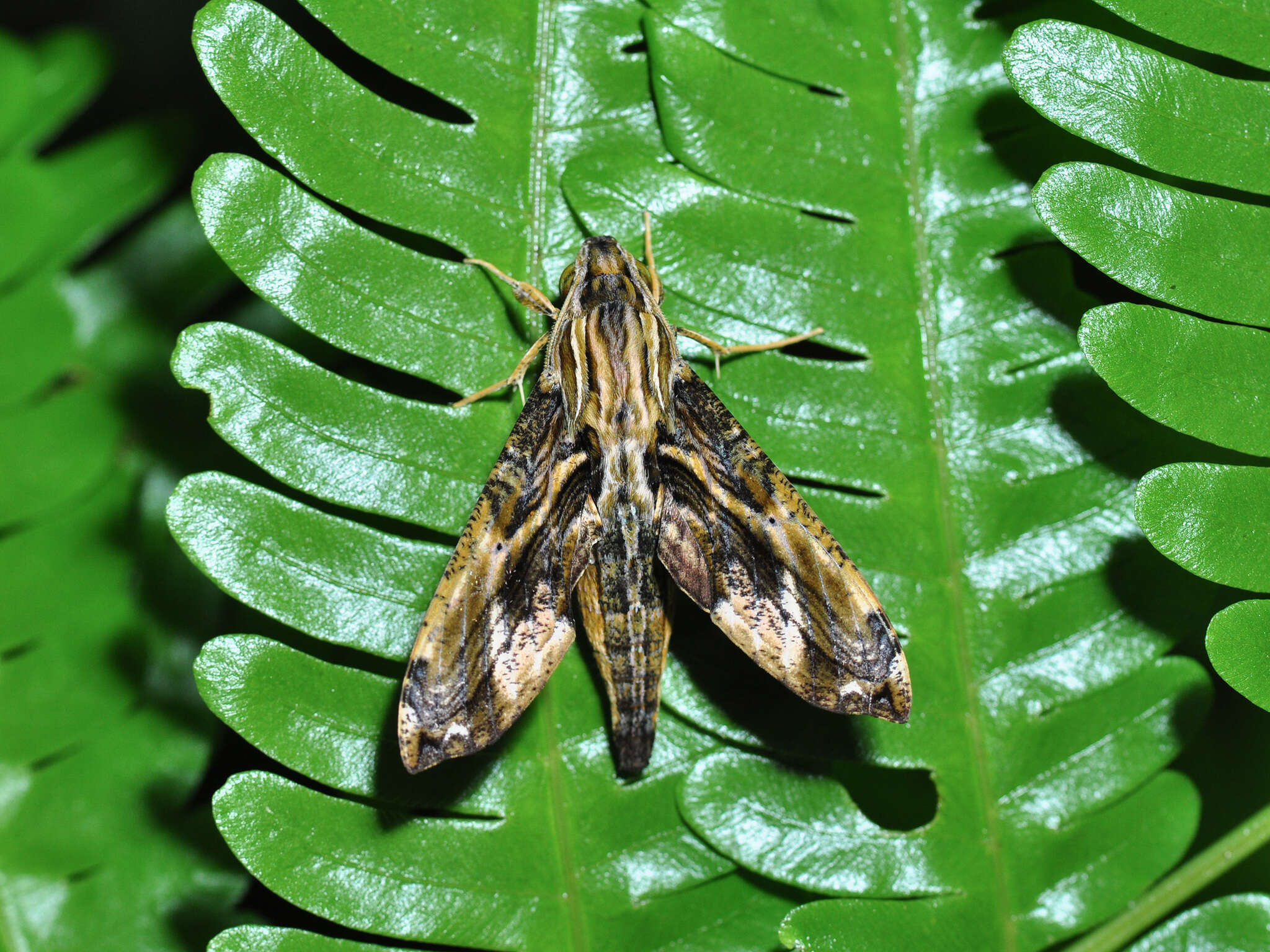
Amphiesmenoptera
Amphiesmenoptera is an insect superorder, established by S. G. Kiriakoff, but often credited to Willi Hennig in his revision of insect taxonomy for two sister orders: Lepidoptera (butterflies and moths) and Trichoptera (caddisflies). In 2017, a third fossil order was added to the group, the Tarachoptera.