Encyclopedia of Life · EOL (see source)
Amphiesmenoptera
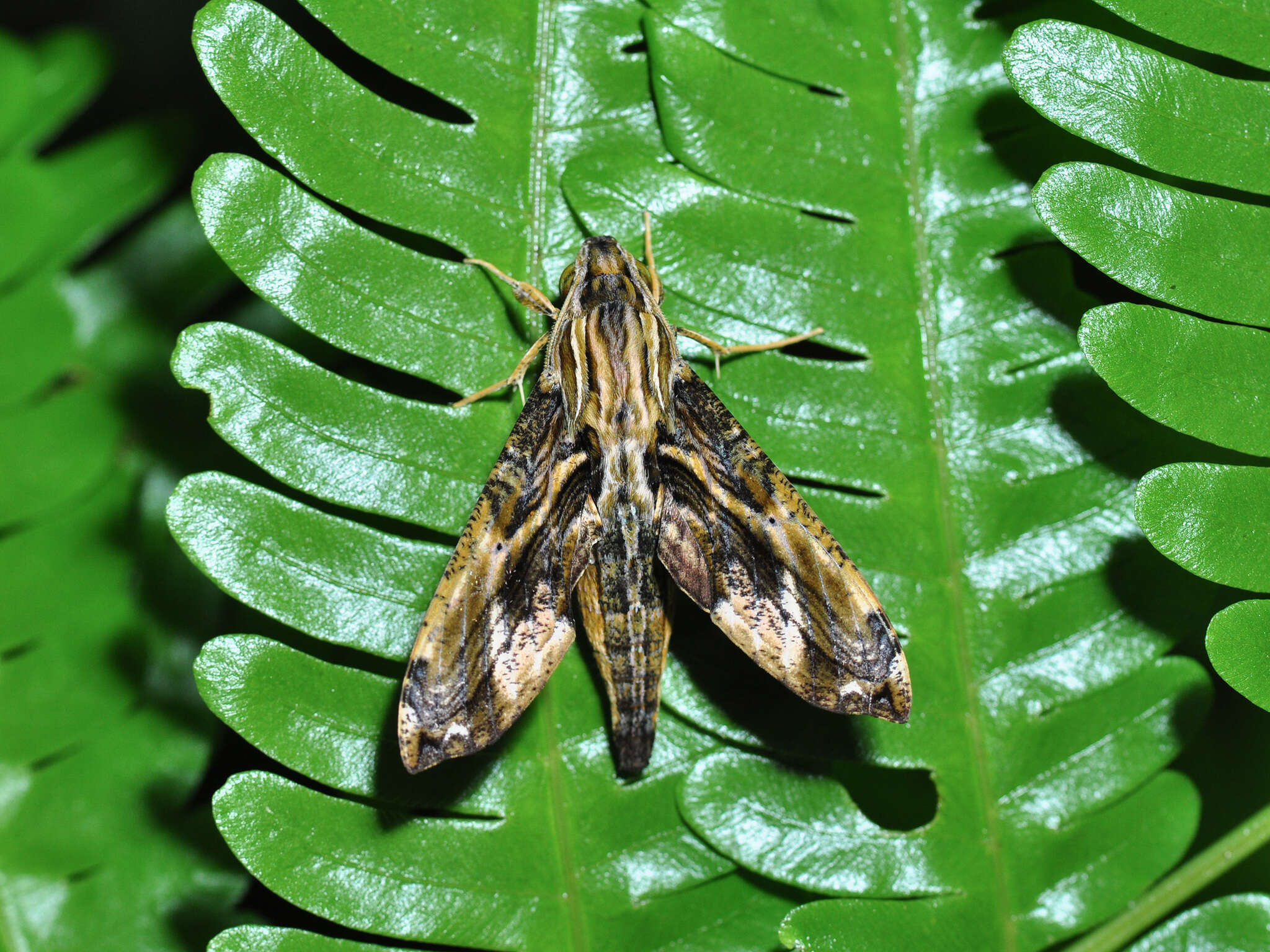
Sign in to saveAmphiesmenoptera is an insect superorder, established by S. G. Kiriakoff, but often credited to Willi Hennig in his revision of insect taxonomy for two sister orders: Lepidoptera (butterflies and moths) and Trichoptera (caddisflies). In 2017, a third fossil order was added to the group, the Tarachoptera.
Species
類脈總目是由威利·亨尼希所建立的,其下有毛翅目和鱗翅目兩個目。2017年,第三個化石目Tarachoptera被加上該組。 毛翅目和鱗翅目有許多的相同裔徵(共同衍徵),這證明了牠們有著相同的祖先: 雄性有一條性染色體,雌性有兩條; 翅膀上有濃密的棘毛(在鱗翅目裡演化為鱗); 前翅有獨特的翅脈圖案(雙環臀脈); 幼蟲的嘴巴構造和唾腺可以生成和控制絲。 因此,這兩個目被歸在類脈總目。這個總目可能是在侏羅紀時演化出來的,由已經滅絕了的Necrotaulidae。鱗翅目和毛翅目有些許不同的特徵,包括翅脈、翅膀上的鱗、沒有尾鬚、沒有單眼,以及腳部上的變化。
via
Wikidata facts
- Instance of
- taxon
- Image
- Lepidoptera 001.jpg
Show 2 more facts
- taxon name
- Amphiesmenoptera
- taxon rank
- superorder
Sources (1)
via Wikidata · CC0
~1 min read
Encyclopedic overview
1 sectionsContents
- References
Amphiesmenoptera is an insect superorder, established by S. G. Kiriakoff, but often credited to Willi Hennig in his revision of insect taxonomy for two sister orders: Lepidoptera (butterflies and moths) and Trichoptera (caddisflies). In 2017, a third fossil order was added to the group, the Tarachoptera.
Trichoptera and Lepidoptera share a number of derived characters (synapomorphies) which demonstrate their common descent: Females, rather than males, are heterogametic (i.e. their sex chromosomes differ). Dense setae are present in the wings (modified into scales in Lepidoptera). There is a particular venation pattern on the forewings (the double-looped anal veins). Larvae have mouth structures and glands to make and manipulate silk.
Excerpted from Wikipedia’s “Amphiesmenoptera” article, available under the CC BY-SA 4.0 licence.