Category
page 1Animal viral diseases

influenza
Influenza, commonly known as the flu, is an infectious disease caused by influenza viruses. Symptoms range from mild to severe and often include fever, runny nose, sore throat, muscle pain, headache, coughing, and fatigue. These symptoms begin one to four (typically two) days after exposure to the virus and last for about two to eight days. Diarrhea and vomiting can occur, particularly in children. Influenza may progress to pneumonia from the virus or a subsequent bacterial infection. Other complications include acute respiratory distress syndrome, meningitis, encephalitis, and worsening of pr

Ebola hemorrhagic fever
Ebola, also known as Ebola virus disease (EVD) and Ebola hemorrhagic fever (EHF), is a zoonotic viral hemorrhagic fever in humans and other primates, caused by four of the six known ebolaviruses. Symptoms typically start anywhere between two days and three weeks after infection. The first symptoms are usually fever, sore throat, muscle pain, and headaches. These are usually followed by vomiting, diarrhoea, rash, hepatic and renal dysfunction, at which point some people begin to bleed both internally and externally. The disease causes a mortality rate of anywhere between 25 and 90%, averaging o

common cold
common viral infection of upper respiratory tract

swine influenza
infection caused by any one of several types of swine influenza viruses

mpox
Mpox (, ; originally known as monkeypox) is an infectious viral disease that can occur in humans and other animals. Symptoms include a rash that forms blisters and then crusts over, as well as fever and swollen lymph nodes. The illness is usually mild, and most infected individuals recover within a few weeks without treatment. The time from exposure to the onset of symptoms ranges from three to seventeen days, and symptoms typically last from two to four weeks. However, cases may be severe, especially in children, pregnant women, or people with suppressed immune systems.

foot-and-mouth disease
infectious and sometimes fatal viral disease that affects cloven-hoofed animals and caused by apthovirus

croup
Croup ( ), also known as croupy cough, is a type of respiratory infection that is usually caused by a virus. The infection leads to swelling inside the trachea, which interferes with normal breathing and produces the classic symptoms of "barking/brassy" cough, inspiratory stridor, and a hoarse voice. Fever and runny nose may also be present. These symptoms may be mild, moderate, or severe. It often starts or is worse at night and normally lasts one to two days.

Orthoebolavirus zairense
species of virus

viral hemorrhagic fever
group of viral diseases having in common capillary permeability, leukopenia and thrombocytopenia
hepatitis E
an inflammation of the liver caused by infection with the hepatitis E virus

Middle East respiratory syndrome coronavirus
species of virus
West Nile fever
human disease
canine distemper
dog disease

rinderpest
Rinderpest (also cattle plague or steppe murrain) was an infectious viral disease of cattle, domestic water buffalo, and many other species of even-toed ungulates, including gaurs, buffalo, bison, antelope, deer, giraffes, wildebeests, and warthogs. The disease was characterized by fever, oral erosions, diarrhea, lymphoid necrosis, and high mortality. Death rates during outbreaks were usually extremely high, approaching 100% in immunologically naïve populations. Rinderpest was mainly transmitted by direct contact and by drinking contaminated water, although it could also be transmitted by air.

Human herpesvirus 3
herpes virus that causes chickenpox and shingles
bronchiolitis
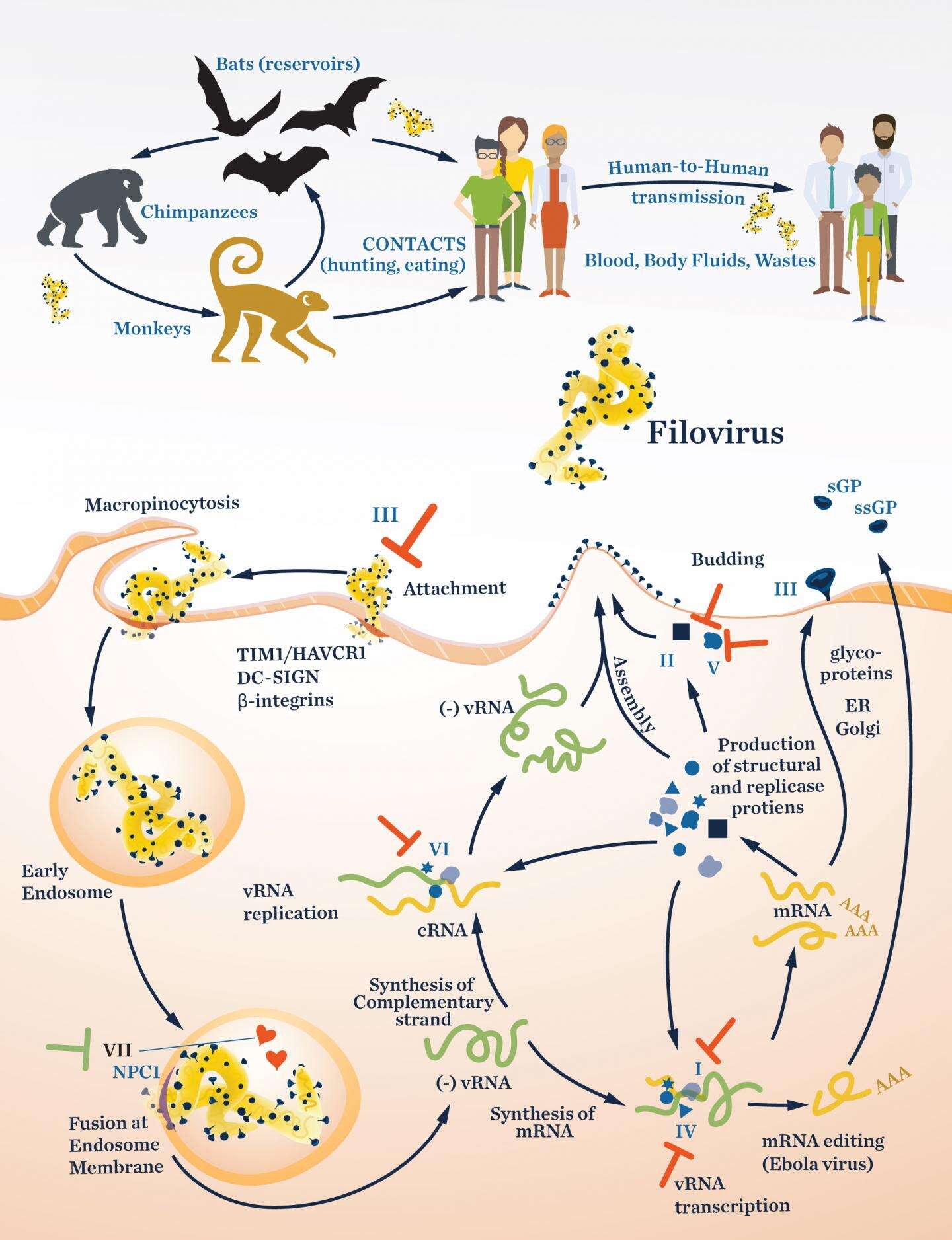
Filoviridae
Filoviridae () is a family of single-stranded negative-sense RNA viruses in the order Mononegavirales. Two members of the family that are commonly known are Ebola virus and Marburg virus. Both viruses, and some of their lesser known relatives, cause severe disease in humans and nonhuman primates in the form of viral hemorrhagic fevers.
bluetongue disease
type of disease that afflicts ruminants

feline immunodeficiency virus
species of virus

Ebolavirus
thumb|Phylogenetic tree comparing ebolaviruses and marburgviruses. Numbers indicate percent confidence of branches.
.png)
cowpox
Cowpox is an infectious disease caused by Cowpox virus (CPXV). It presents with large blisters in the skin, a fever and swollen glands, historically typically following contact with an infected cow, though in the last several decades more often (though overall rarely) from infected cats. The hands and face are most frequently affected and the spots are generally very painful.

myxomatosis
Myxomatosis is a disease caused by Myxoma virus, a poxvirus in the genus Leporipoxvirus. The natural hosts are tapeti (Sylvilagus brasiliensis) in South and Central America, and brush rabbits (Sylvilagus bachmani) in North America. The myxoma virus causes only a mild disease in these species, but causes a severe and usually fatal disease in European rabbits (Oryctolagus cuniculus), the species of rabbit commonly raised for companionship and as a food source.
Marburg virus disease
human disease
feline infectious peritonitis
incurable, fatal disease that affects cats
classical swine fever
animal disease

Feline leukemia virus
species of virus

Mononegavirales
Mononegavirales is an order of negative-strand RNA viruses which have nonsegmented genomes. Some members that cause human disease in this order include Ebola virus, human respiratory syncytial virus, measles virus, mumps virus, Nipah virus, and rabies virus. Important pathogens of nonhuman animals and plants are also in the group. The order includes eleven virus families: Artoviridae, Bornaviridae, Filoviridae, Lispiviridae, Mymonaviridae, Nyamiviridae, Paramyxoviridae, Pneumoviridae, Rhabdoviridae, Sunviridae, and Xinmoviridae.

pseudorabies
'''Aujeszky's disease, usually called pseudorabies in the United States, is a viral disease in swine that is endemic in most parts of the world. It is caused by pseudorabies virus (PRV'''). Aujeszky's disease is considered to be the most economically important viral disease of swine in areas where classical swine fever (hog cholera) has been eradicated. Other mammals, such as cattle, sheep, goats, cats, dogs, and raccoons, are also susceptible. The disease is usually fatal in these animal species.
lumpy skin disease
bovine disease

Canine parvovirus
subtype of virus

African swine fever virus
species of virus
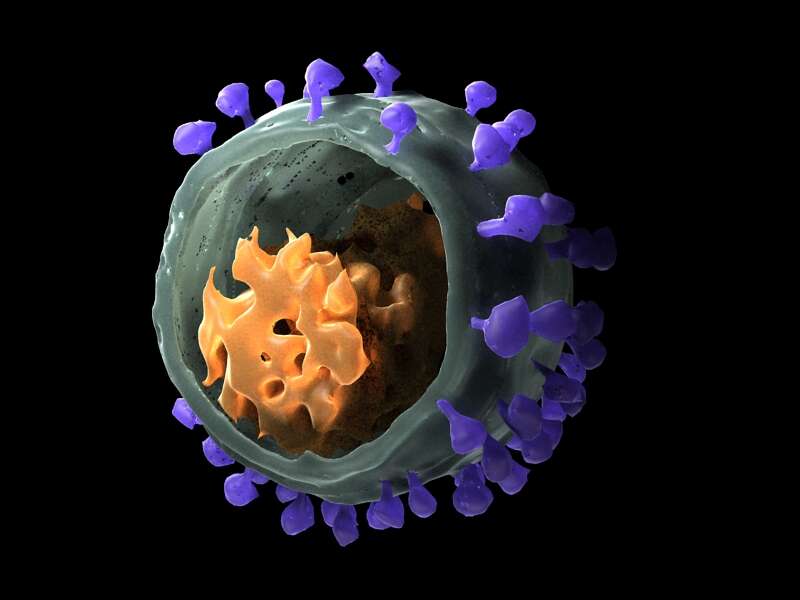
Simian immunodeficiency virus
species of virus
contagious pustular dermatitis
skin disease and general infection in sheep, goats, chamois, reindeer and muskrats

Small ruminant morbillivirus
contagious disease primarily affecting goats and sheep
African horse sickness
insect-borne reovirus infection of horses, mules and donkeys in Africa and the Middle East; characterized by pulmonary edema, cardiac involvement, and edema of the head and neck
infectious bursal disease
viral disease
Eastern equine encephalitis
horse disease
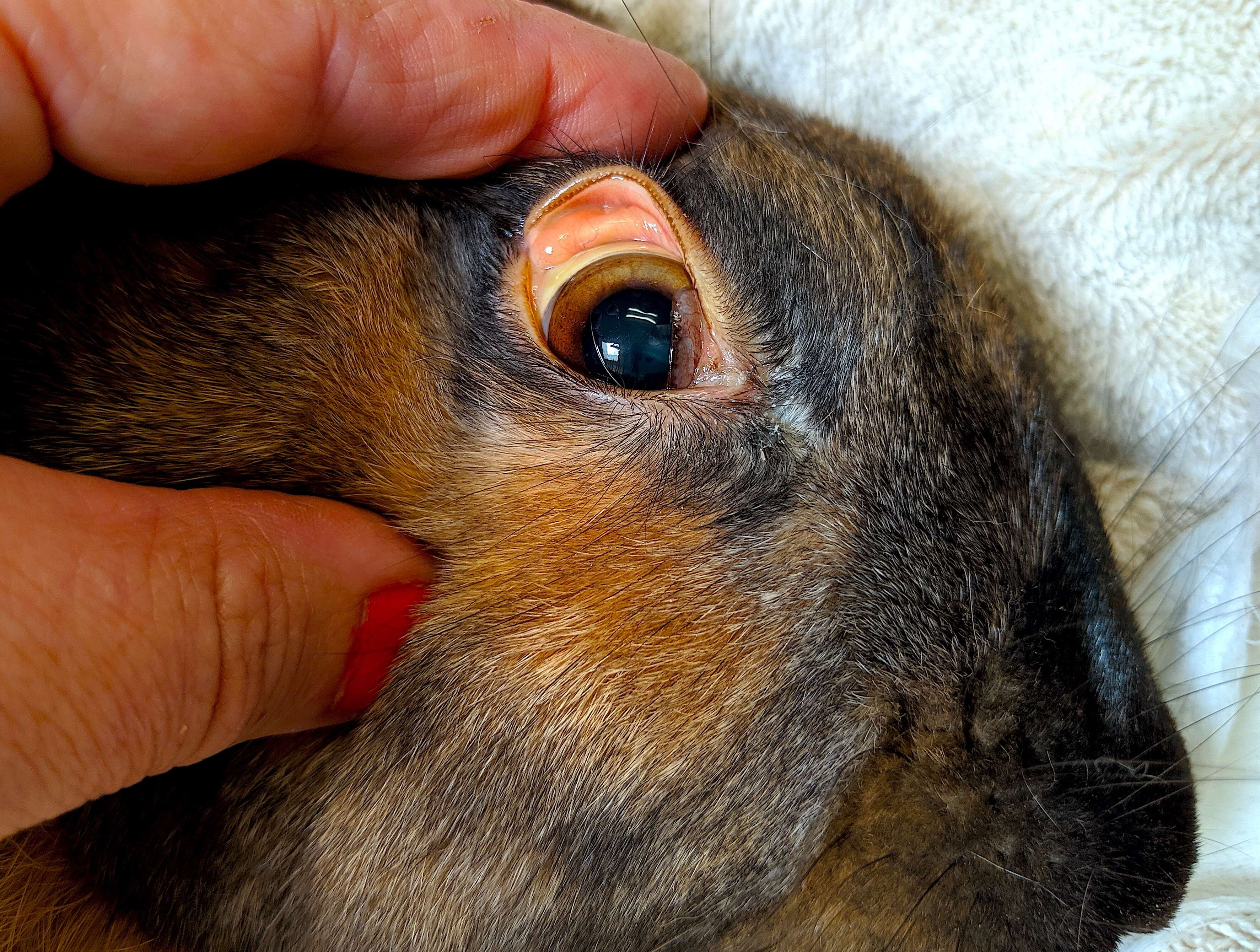
rabbit hemorrhagic disease
highly infectious and often fatal disease that affects wild and domestic rabbits of the species Oryctolagus cuniculus

canine coronavirus
species of virus

Feline calicivirus
virus of the family Caliciviridae
feline viral rhinotracheitis
upper respiratory or pulmonary infection of cats

Zaire ebolavirus
species within the genus Ebolavirus

Fowlpox virus
Fowlpox is the worldwide disease of poultry caused by viruses of the family Poxviridae and the genus Avipoxvirus. The viruses causing fowlpox are distinct from one another but antigenically similar, possible hosts including chickens, turkeys, quail, canaries, pigeons, and many other species of birds. There are two forms of the disease. The first (dry form) is spread by biting insects (especially mosquitoes) and wound contamination, and causes lesions on the comb, wattles, and beak. Birds affected by this form usually recover within a few weeks. The second (wet form) is contracted by inhalation

Avian coronavirus
species of virus
Lassa mammarenavirus
species of virus
Marek's disease
highly contagious viral neoplastic disease in chickens
bovine virus diarrhea
significant economic disease of cattle caused by two species of Pestivirus

Orbivirus
Orbivirus is a genus of double-stranded RNA viruses in the order Reovirales and the family Sedoreoviridae. Unlike other reoviruses, orbiviruses are arboviruses. They can infect and replicate within a wide range of arthropod and vertebrate hosts. Orbiviruses are named after their characteristic doughnut-shaped capsomers ( in Latin means ring).
equine infectious anemia
horse disease caused by a retrovirus and transmitted by bloodsucking insects
Oropouche fever
Human disease
Marburgvirus
The genus Marburgvirus is the taxonomic home of Marburg marburgvirus, whose members are the two known marburgviruses, Marburg virus (MARV) and Ravn virus (RAVV). Both viruses cause Marburg virus disease in humans and nonhuman primates, a form of viral hemorrhagic fever. Both are select agents, World Health Organization Risk Group 4 Pathogens (requiring Biosafety Level 4-equivalent containment), National Institutes of Health/National Institute of Allergy and Infectious Diseases Category A Priority Pathogens, Centers for Disease Control and Prevention Category A Bioterrorism Agents, and are list

white spot syndrome
viral infection
Equine influenza
the disease caused by strains of Influenza A that are enzootic in horse species
lymphocytic choriomeningitis
rodent-borne viral infectious disease that presents as aseptic meningitis, encephalitis or meningoencephalitis

Feline coronavirus
strain of virus

Sendai virus
species of virus

bovine leukemia virus
species of virus
equine viral arteritis
horse disease

porcine reproductive and respiratory syndrome virus
species of virus
Argentine hemorrhagic fever
human disease