Category
page 1Ant genera

Camponotus
genus of insects

Formica
Formica is a genus of ants of the subfamily Formicinae, including species commonly known as wood ants, mound ants, thatching ants, and field ants. Formica is the type genus of the Formicidae, and of the subfamily Formicinae. The type species of genus Formica is the European red wood ant Formica rufa. Ants of this genus tend to be between 4 and 8 mm long.

Myrmecia
genus of insects

Atta
genus of insects

Dorylus
Dorylus, also known as driver ants, safari ants, or siafu, is a large genus of army ants found primarily in central and east Africa, although the range also extends to southern Africa and tropical Asia. The term siafu is a loanword from Swahili, and is one of numerous similar words from regional Bantu languages used by indigenous peoples to describe various species of these ants. Unlike the New World members of the former subfamily Ecitoninae (now Dorylinae), members of this genus form temporary subterranean bivouacs in underground cavities which they excavate and inhabit - either for a few da

Myrmica
Myrmica is a genus of ants within the subfamily Myrmicinae. It is widespread throughout the temperate regions of the Holarctic and high mountains in Southeast Asia.

Crematogaster
thumb|Male caste of Crematogaster degeeri|C. degeeri
thumb|Worker caste of Crematogaster corticicola|C. corticicola
Crematogaster is an ecologically diverse genus of ants found worldwide, which are characterised by a distinctive heart-shaped gaster (abdomen), which gives them one of their common names, the Saint Valentine ant. Members of this genus are also known as cocktail ants because of their habit of raising their abdomens when alarmed. Most species are arboreal (tree-dwelling). These ants are also known as acrobat ants.

Odontomachus
Odontomachus is a genus of ants commonly called trap-jaw ants found in the tropics and subtropics throughout the world.

Lasius
Lasius is a genus of formicine ants. The type species for this genus is the black garden ant, Lasius niger. Other major members, which live in drier heathland, are the cornfield ant, L. neoniger, and L. alienus. Other species include the temporary social parasites of the L. mixtus group and the hyper-social parasite L. fuliginosus. Lasius flavus is also a commonly seen species, building grassy hillocks in undisturbed pasture. In the Alps, these mounds – always aligned east to catch the first rays of the rising sun – have been traditionally used by goatherds as natural compasses. Species in the

Aenictus
Aenictus is a large army ant genus distributed in the Old World tropics and subtropics. It contains about 181 species, making it one of the larger ant genera of the world.

Pheidole
thumb|An individual of species Pheidole megacephala.
Pheidole () is a genus of ants that belongs to the ant subfamily Myrmicinae. The genus is widespread and ecologically dominant. Many species in the genus first evolved in the Americas, while some, such as Pheidole indica and Pheidole megacephala, originated from East Asia and Africa, respectively. These species eventually began spreading across the globe. Pheidole megacephala is considered a particularly problematic invasive species.

Cataglyphis
Cataglyphis is a genus of ant, desert ants, in the subfamily Formicinae. Its most famous species is C. bicolor, the Sahara Desert ant, which runs on hot sand to find insects that died of heat exhaustion, and can, like other several other Cataglyphis species, sustain body temperatures up to 50°C. Cataglyphis is also the name of an autonomous rover that won the NASA Sample Return Robot Centennial Challenge inspired by the navigation approaches used by desert ants.

Eciton
Eciton is a New World army ant genus that contains the most familiar species of army ants. The most predominant and well-known species is Eciton burchellii, which is also more commonly known as "Balichana" in the Colombian Caribbean Coast, but also as the army ant and is considered the type species.

Messor
Messor is a genus of myrmicine ants with more than 100 species, all of which are harvester ants; the generic name comes from the Roman god of crops and harvest, Messor. The subterranean colonies tend to be found in open fields and near roadsides, openings are directly to the surface.

Dinoponera
Dinoponera is a strictly South American genus of ant in the subfamily Ponerinae, commonly called tocandiras or giant Amazonian ants. These ants are generally less well known than Paraponera clavata, the bullet ant, yet Dinoponera females may surpass in total body length, making them among the largest ants in the world.

Iridomyrmex
Iridomyrmex is a genus of ants called rainbow ants (referring to their blue-green iridescent sheen) first described by Austrian entomologist Gustav Mayr in 1862. He placed the genus in the subfamily Dolichoderinae of the family Formicidae. It has 79 described species and five fossil species. Most of these ants are native to Australia; others are found in Asia and Oceania, and they have been introduced to Brazil, New Zealand, and the United Arab Emirates. Fossil species are known from China, France, and the United States.

Tapinoma
Tapinoma (from Greek ) is a genus of ants that belongs to the subfamily Dolichoderinae. The genus currently comprises 74 described species distributed worldwide in tropical and temperate regions. Species in the genus are generalized foragers, nesting in a wide variety of habitats, ranging from grasslands, open fields, woodlands, to inside buildings. The majority of species nest in the ground under objects such as stones or tree logs, other species build nests under bark of logs and stumps, in plant cavities, insect galls or refuse piles.
thumb|240px|right|Tapinoma species with Wax scales

Tetramorium
Tetramorium is a genus of ants in the subfamily Myrmicinae that includes more than 520 species. These ants are also known as pavement ants.
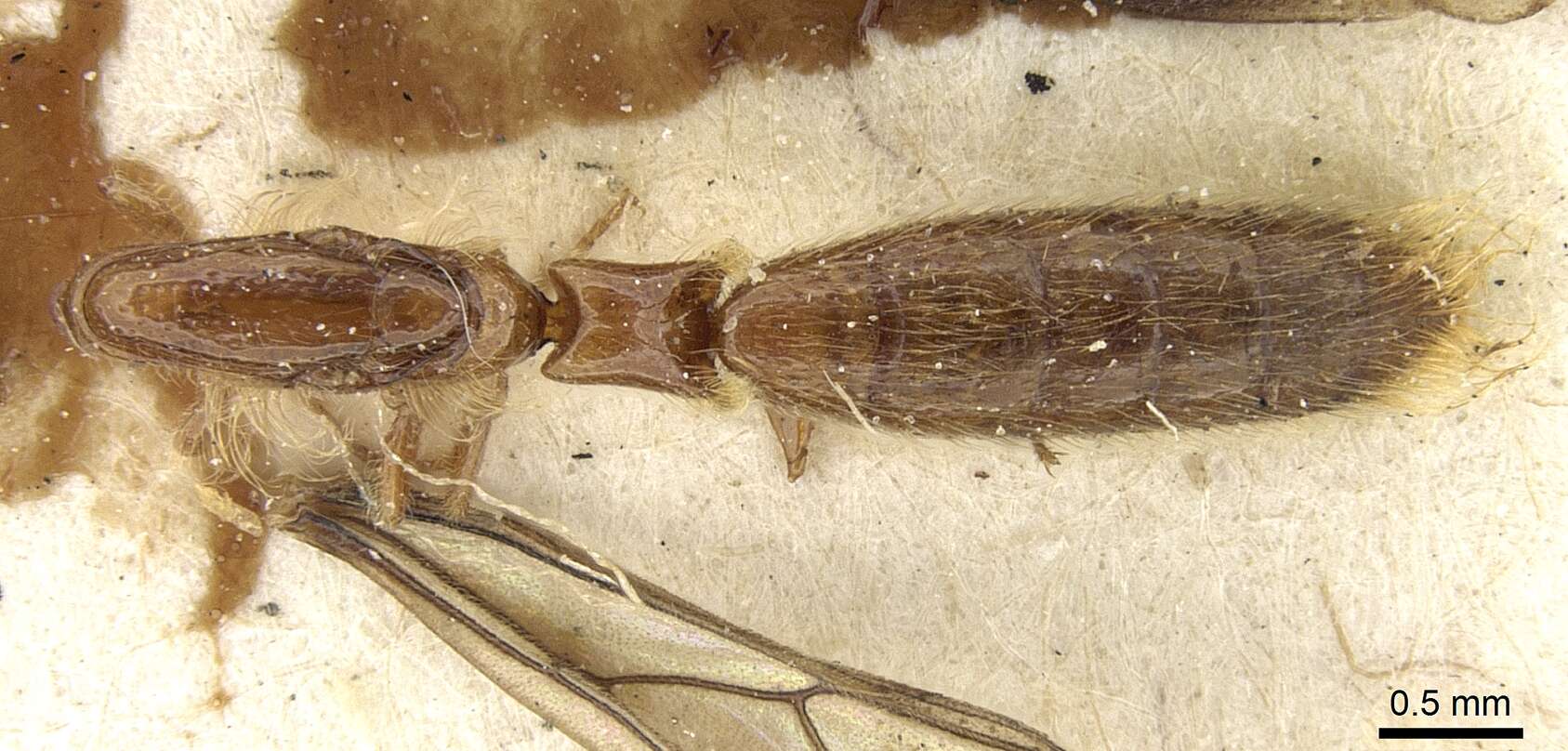
Aenictogiton
Aenictogiton is a genus of ants, comprising seven rarely collected species. All the species are known only from males found in Central Africa, and show a morphological and phylogenetic affinity to the army ant genus Dorylus. The dorylomorph ants include six subfamilies– Aenictogitoninae, Cerapachyinae, Leptanilloidinae, and the three army ant subfamilies Aenictinae, Dorylinae and Ecitoninae.

Aphaenogaster
Aphaenogaster is a genus of myrmicine ants in the tribe Stenammini. About 200 species have been described, including 18 fossil species. They occur worldwide except in South America south of Colombia, sub-Saharan Africa, and Antarctica.
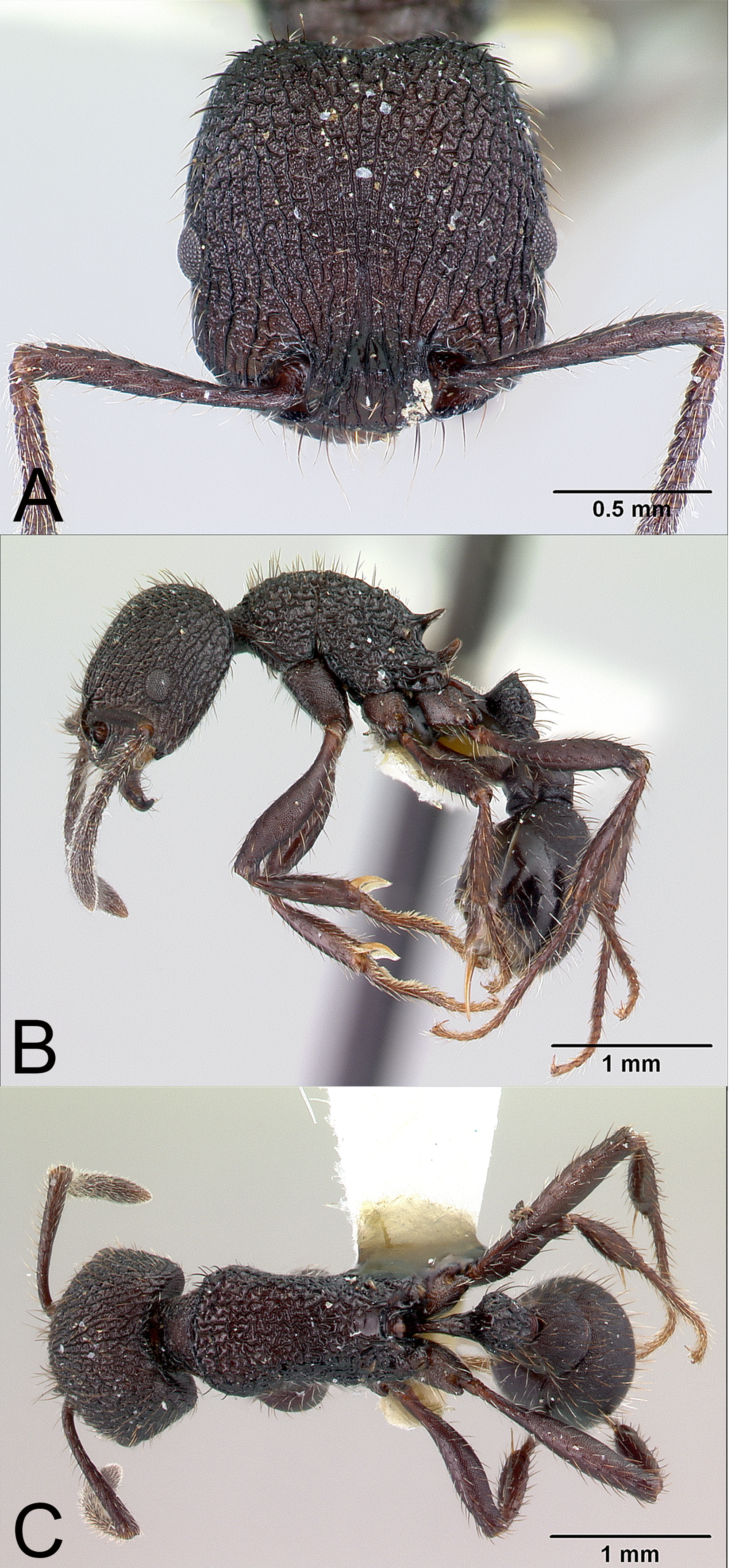
Pogonomyrmex
Pogonomyrmex is a genus of harvester ants, occurring primarily in the deserts of North, Central, and South America, with three endemic species from Haiti.
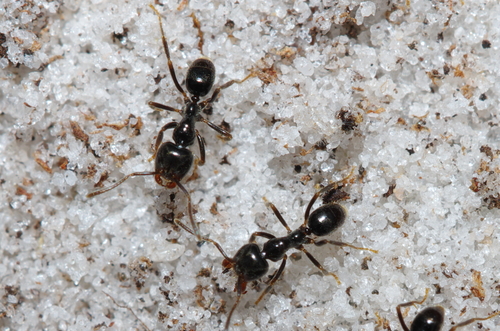
Anonychomyrma
Anonychomyrma is a genus of ants in the subfamily Dolichoderinae.
%20captured%20in%20India.jpg)
Anoplolepis
Anoplolepis, also known as the "pugnacious ants", is a genus of ants in the subfamily Formicinae and tribe Lasiini. The genus is mainly found in the Afrotropics, with a few native species known from the Malagasy and Oriental regions (and some introduced in other places).
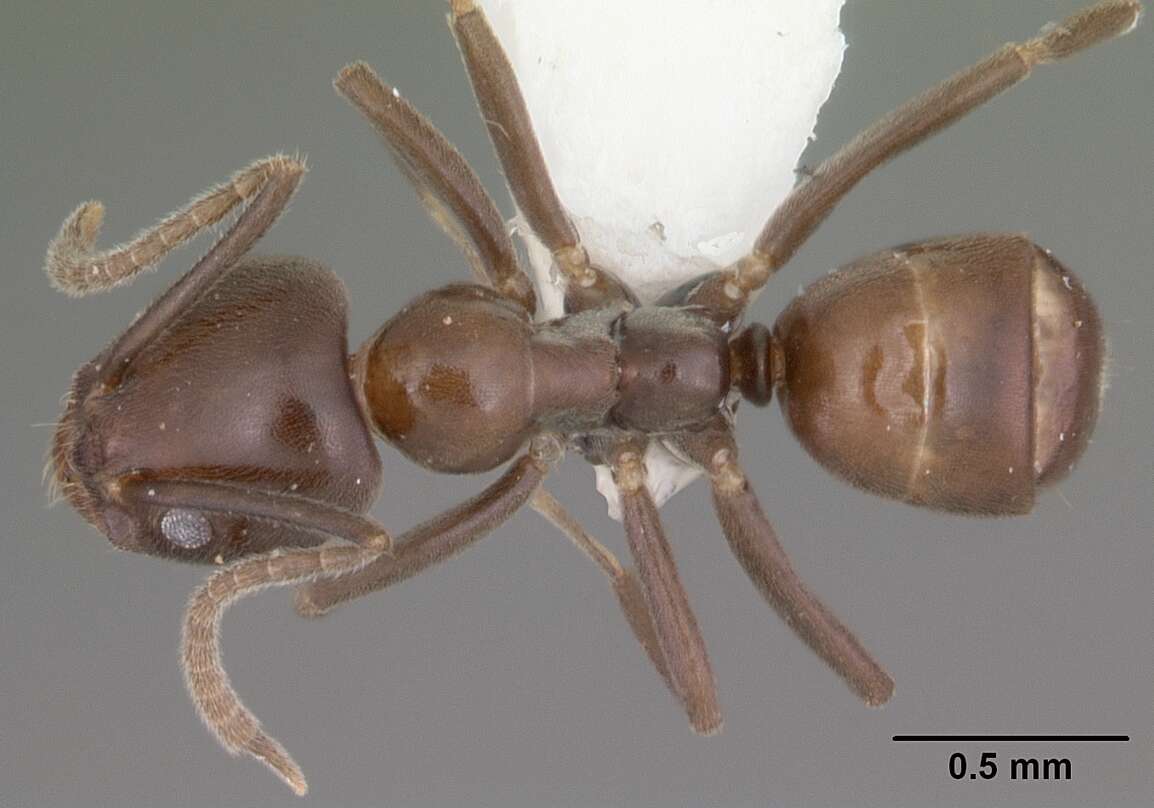
Linepithema
Linepithema is a genus of small ants in the subfamily Dolichoderinae.

Pseudomyrmex
Pseudomyrmex is a genus of stinging, wasp-like ants in the subfamily Pseudomyrmecinae. They are large-eyed, slender ants, found mainly in tropical and subtropical regions of the New World.

Monomorium
Monomorium is a genus of ants in the subfamily Myrmicinae. As of 2013 it contains about 396 species. It is distributed around the world, with many species native to the Old World tropics. It is considered to be "one of the more important groups of ants," considering its widespread distribution, its diversity, and its variety of morphological and biological characteristics. It also includes several familiar pest species, such as the pharaoh ant (M. pharaonis) and the flower ant (M. floricola).

Acromyrmex
Acromyrmex is a genus of New World ants of the subfamily Myrmicinae. This genus is found in South America and parts of Central America, Mexico and the Caribbean Islands, and contains 35 known species.
Commonly known as "leafcutter ants" they comprise one of the two genera of advanced attines within the tribe Attini, along with Atta.
Anochetus
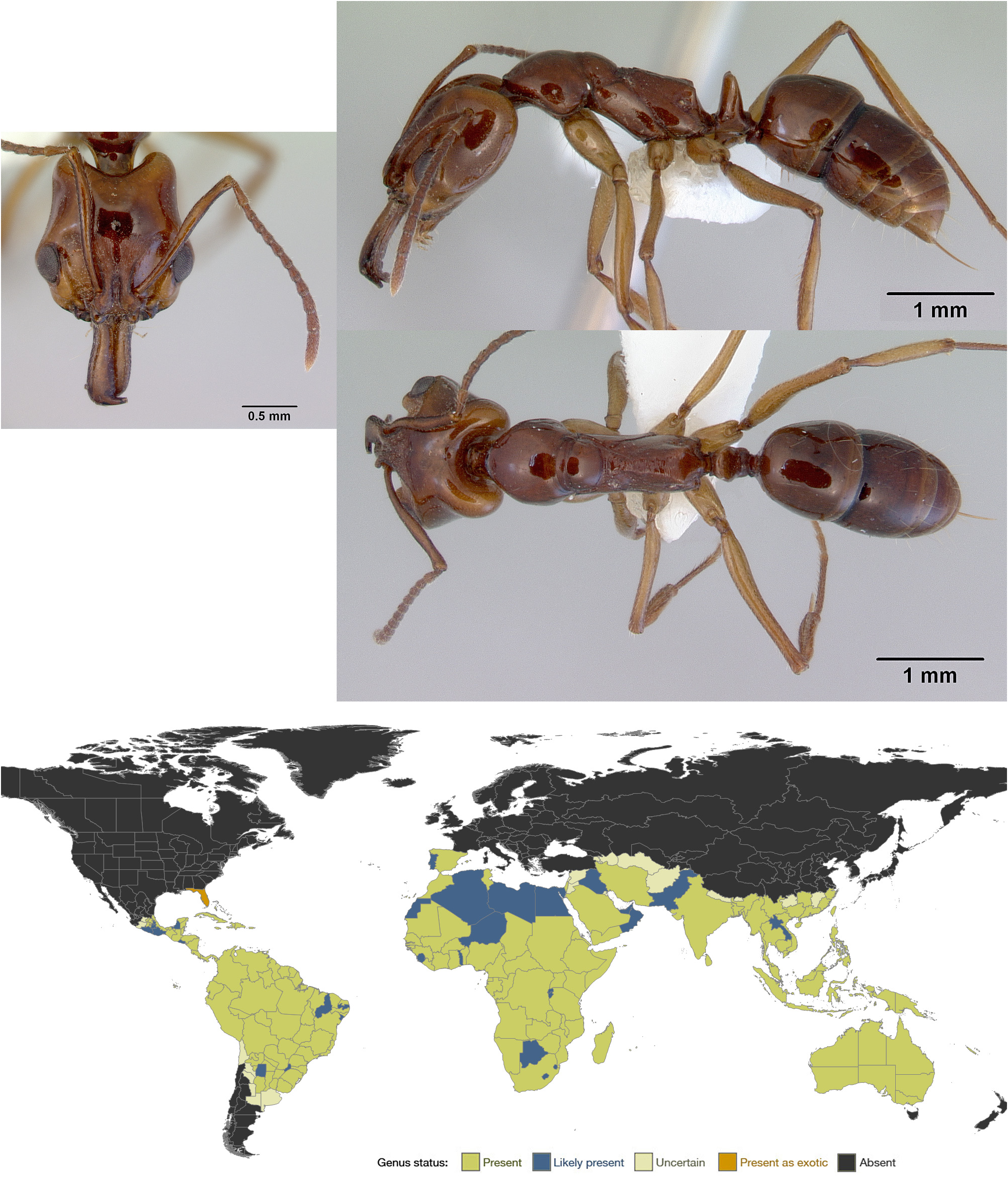
Anochetus is a genus of small, carnivorous ants found in the tropics and subtropics throughout the world.
Paraponera
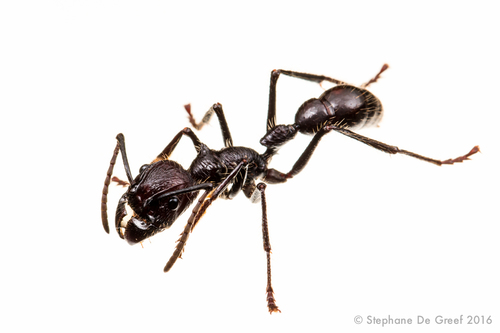
Paraponera is a genus of ants and the only genus in the subfamily Paraponerinae. The name means "near-Ponera".

Leptomyrmex
Leptomyrmex, or spider ants, is a genus of ants and a distinctive member of the ant subfamily Dolichoderinae. Commonly known as "spider ants" for their long legs and spider-like movements, these orange and black ants are prominent residents of intact wet forest and sclerophyll habitats throughout their range. One extant species, Leptomyrmex relictus, is known from central Brazil; otherwise, the global distribution of this genus is restricted to eastern Australia, New Caledonia and New Guinea, as well as the nearby Indonesian islands of Aru and Seram.
Paratrechina
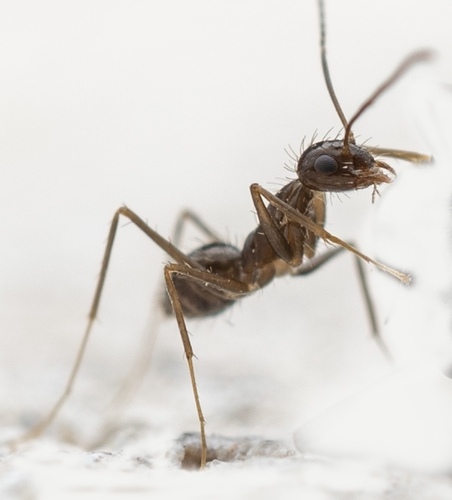
Paratrechina is one of seven ant genera (alongside Euprenolepis, Nylanderia, Paraparatrechina, Prenolepis, Pseudolasius, and Zatania) in the Prenolepis genus-group from the subfamily Formicinae (tribe Lasiini). Six species are included in Paratrechina; one of which, the longhorn crazy ant (Paratrechina longicornis), is a widespread, pantropical pest.

Dolichoderus
Dolichoderus is a genus of ants found worldwide.

Amblyopone
Amblyopone is a genus of 10 species of ants, found in Australia, New Caledonia, New Guinea and New Zealand. Ants of this genus possess gamergates, meaning workers are able to reproduce within a colony lacking a queen.thumb|left|Living specimen of Amblyopone from Auckland New Zealand about 20mm long

Cephalotes
Cephalotes is a genus of tree-dwelling ant species from the Americas, commonly known as turtle ants. All appear to be gliding ants, with the ability to "parachute" and steer their fall so as to land back on the tree trunk rather than fall to the ground, which is often flooded.
Diacamma
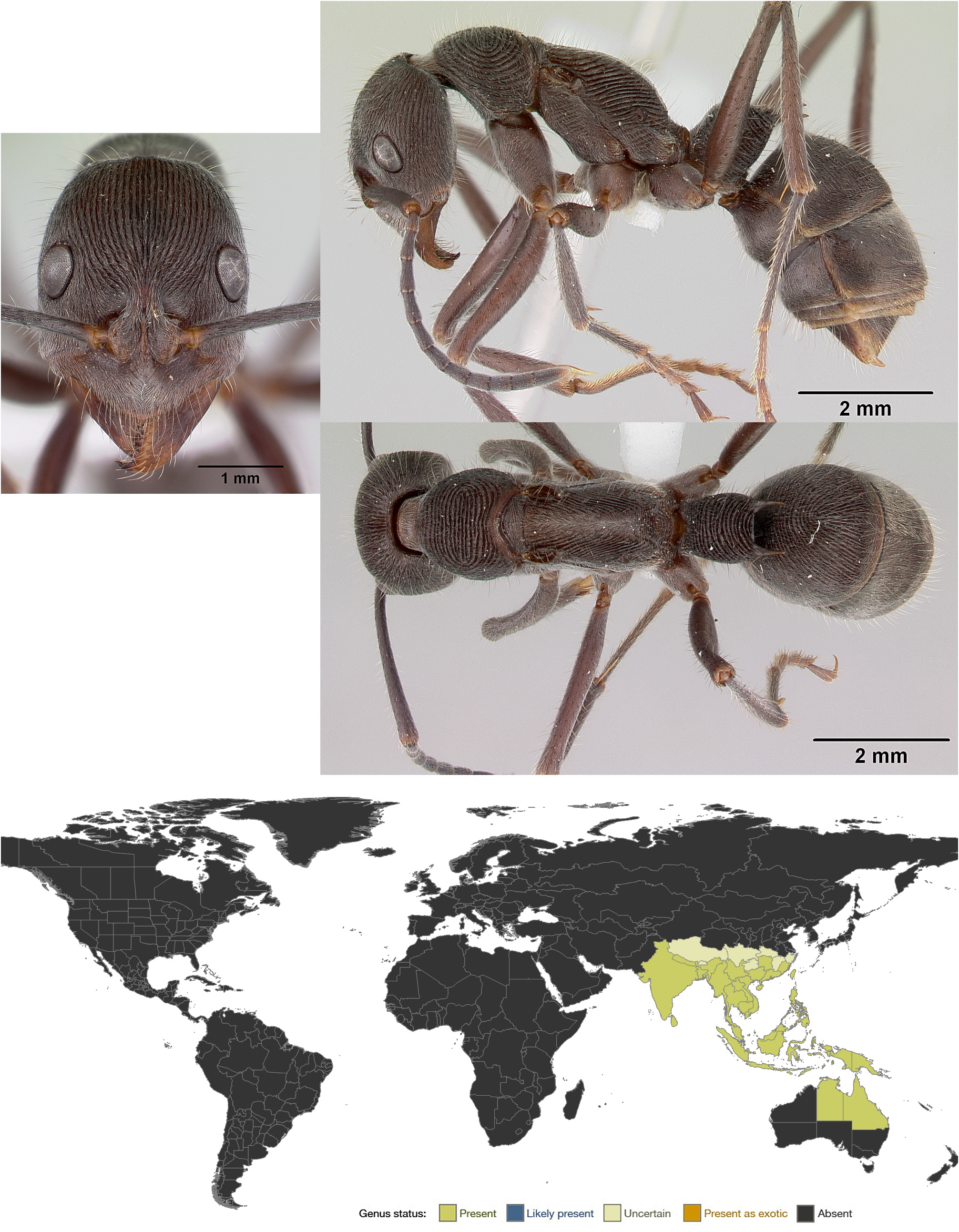
Diacamma is a genus of queenless ants belonging to the subfamily Ponerinae. It is distributed from India to Australia and contains about 24 species.

Ponera
Ponera is a genus of ponerine ants.
The name is the Latinized form (') of the Ancient Greek ' (, 'wicked, wretched').
%20(2).jpg)
Mystrium
Mystrium is a rare genus of ants in the subfamily Amblyoponinae. First described by Roger (1862) with the description of the queen of M. mysticum, the genus contains 14 species, all of which occur in the rainforests of the Old World with over half of the species endemic to the Malagasy region.

Cardiocondyla
thumb|Cardiocondyla pirata [[paratype]]
Cardiocondyla is an Old World genus of ants in the subfamily Myrmicinae.

Azteca
genus of ants
%20Figure%205.jpg)
Strumigenys
Strumigenys is a genus of ants in the subfamily Myrmicinae. It is a widespread, speciose genus of small ants with cryptic lifestyles that are predators of small arthropod prey.
Carebara
Carebara is a genus of ants in the subfamily Myrmicinae. It is one of the largest myrmicine genera with more than 200 species distributed worldwide in the tropics and the Afrotropical region. Many of them are very tiny cryptic soil and leaf-litter inhabitants. They nest in rotten wood to which the bark is still adherent in the Afrotropical region, or may be lestobiotic, nesting near other ant species. Some species are known to exist parasitically within termite nests. Little is known about the biology of the genus, but they are notable for the vast difference in size between queens and workers
Myrmecocystus
Myrmecocystus is a North American genus of ants in the subfamily Formicinae. It is one of five genera that includes honeypot ants. Worker ants keep and tend plerergates, which are other ants that store large quantities of nutritious fluid in their abdomens to feed the colony during famine times. Some species engage in highly territorial tournaments, which can result in intraspecific slavery. During the raids, they carry off larvae, workers, and plerergates. The genus has three subgenera, namely Myrmecocystus, Endiodioctes, and Eremnocystus.

Leptogenys
Leptogenys is a genus of ants in the subfamily Ponerinae. Leptogenys is the most diverse ponerine ant genus in the world; it is widespread throughout tropical and subtropical regions and there are over 260 extant species described. Most species have ergatoid queens, and many have falcate, bowed mandibles and are specialists on isopod prey.

Leptanilla
Leptanilla is a genus of ant in the subfamily Leptanillinae. Like other genera in this subfamily, the queen is fed by the hemolymph of their own larvae, which have specialized processes for this purpose.

Tetraponera
Tetraponera is a genus of ants in the subfamily Pseudomyrmecinae that are commonly known as slender ants and are characterized by their arboreal nature and slender bodies. The 96 described species of Tetraponera all of which live in hollow structures of plants and trees, such as thorns or branches; these hosts are known as myrmecophytes. Tetraponera species are closely related to the New World genus of ants Pseudomyrmex, but differ in their relationships with host plants.
Liometopum
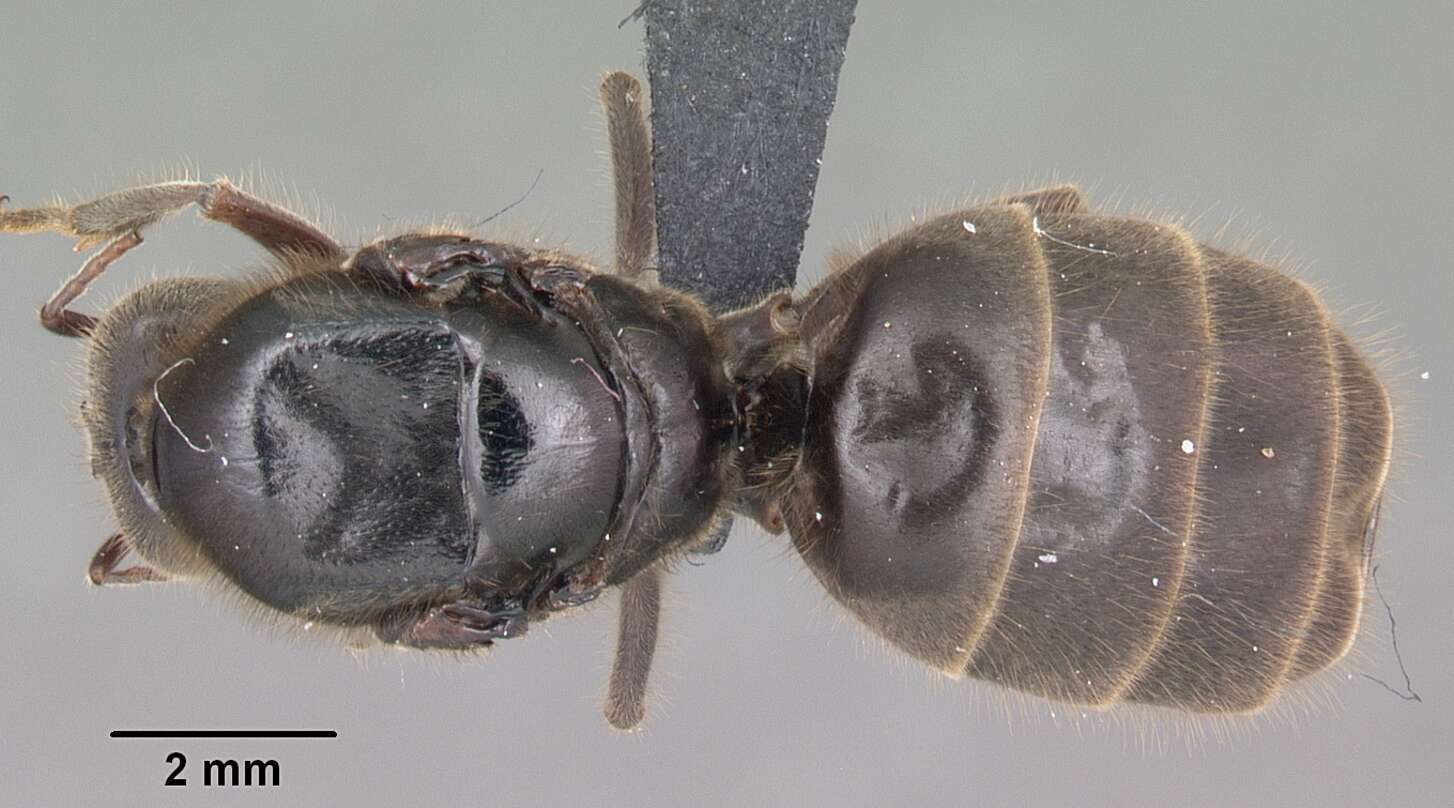
Liometopum is a genus of ants that belongs to the subfamily Dolichoderinae, found in North America, Europe and Asia.

Pachycondyla
Pachycondyla is a ponerine genus of ants found in the Neotropics.
Strongylognathus
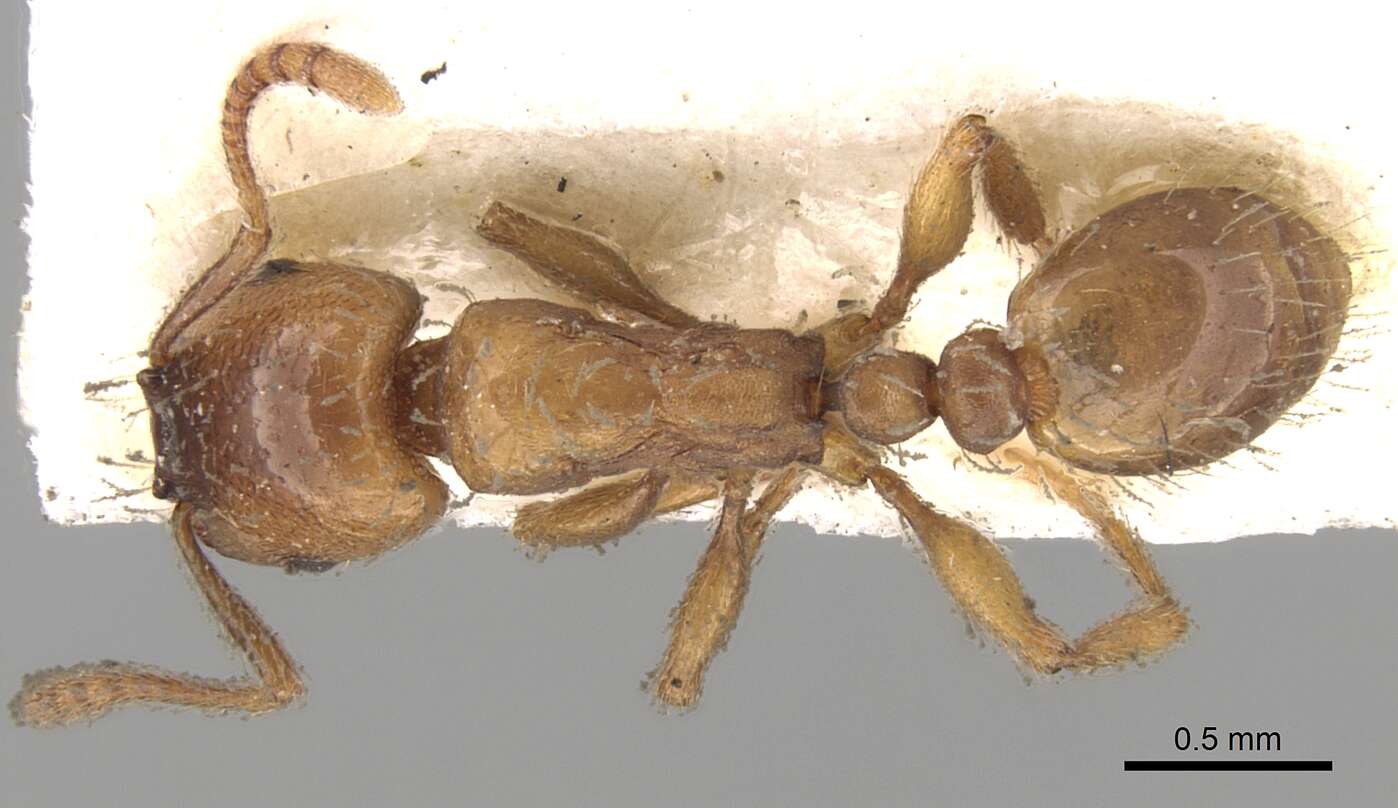
Strongylognathus is a genus of ants in the subfamily Myrmicinae. Many of its species are endemic to specific regions.
Turneria
Turneria is a genus of ants that belongs to the subfamily Dolichoderinae. Known from Australia, they form small colonies of fewer than 500 workers, and nest in trees and twigs.
Plagiolepis
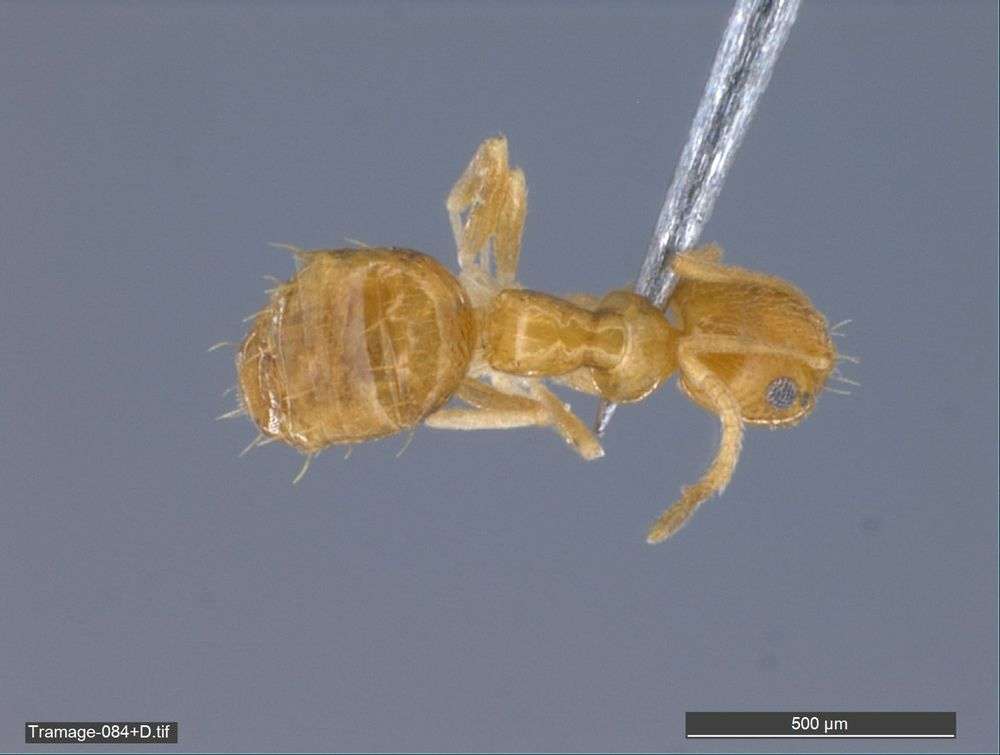
Plagiolepis is a genus of ants in the formic acid-producing subfamily Formicinae. The genus is found in tropical and temperate regions of the Old World.
Dorymyrmex
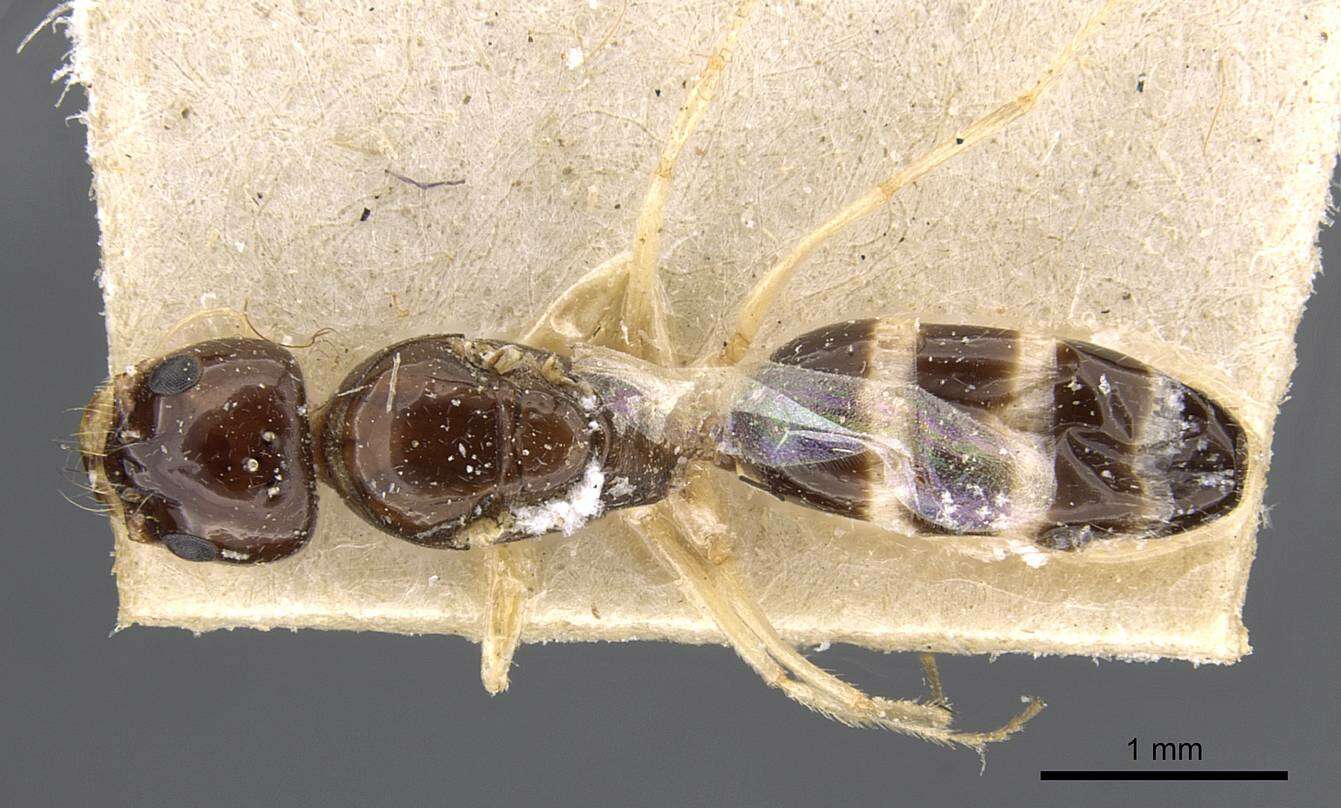
Dorymyrmex (also known as cone ants or pyramid ants) is a genus of ants in the subfamily Dolichoderinae.
Leptothorax
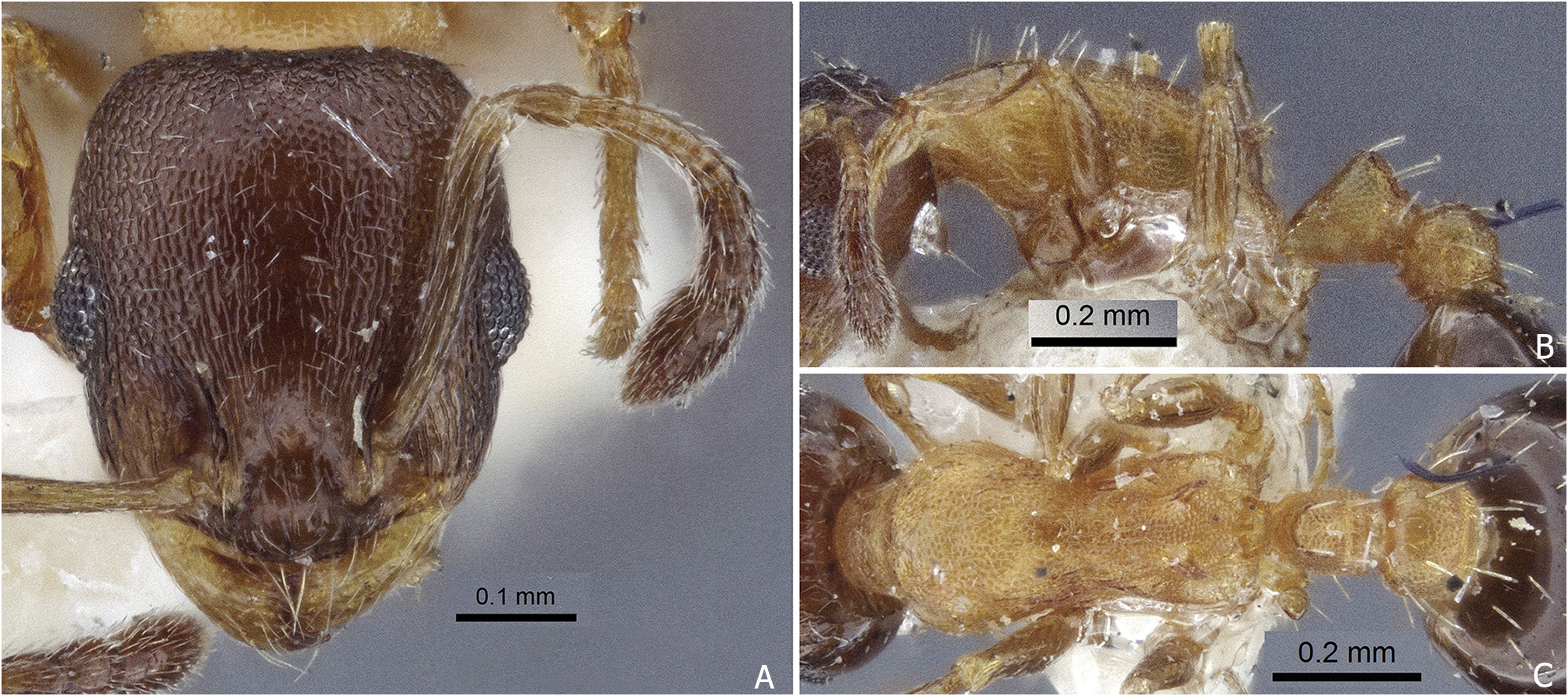
Leptothorax is a genus of small ants with mainly Holarctic distributions. The genus is notable for its widespread social parasitism, i.e. they are dependent on the help of workers from other ant species during a part or the whole of their life cycles.

Pristomyrmex
Pristomyrmex is a genus of ants in the subfamily Myrmicinae.

Ochetellus
Ochetellus is a genus of ants first described by Steve Shattuck in 1992. He placed it in the subfamily Dolichoderinae of the family Formicidae. The ants in this genus are small and black in colour; workers measure in length, the males at around are smaller, and the queens are the largest, reaching . There are seven described species and three described subspecies that mostly live in Australia in a wide variety of habitats, but some species are found in Asia. One species, Ochetellus glaber, has been introduced into New Zealand and the United States.

Platythyrea
Platythyrea is a genus of predaceous ants in the subfamily Ponerinae and the sole member of the tribe Platythyreini.

Forelius
Forelius is a Neotropical genus of ants in the subfamily Dolichoderinae. The genus is known from southern United States to Argentina.
Polyrhachis
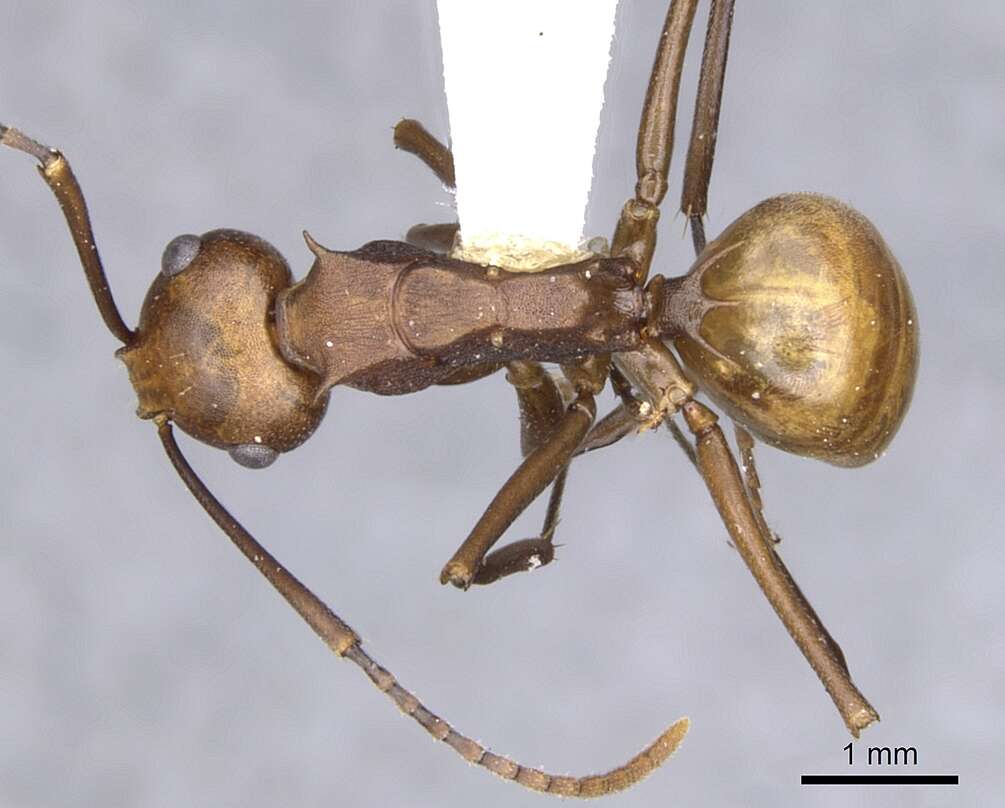
Polyrhachis is a genus of formicine ants found in the Old World with over 600 species. The genus is yet to be comprehensively resolved and contains many varied species including nest-weavers (e.g. Polyrhachis dives), swimming workers (e.g. Polyrhachis sokolova), soil (e.g. Polyrhachis proxima) and tree-dwellers (e.g. Polyrhachis bicolor). The first fossil record of this genus was of Polyrhachis annosa from the Miocene.
Manica
genus of insects

Brachymyrmex
Brachymyrmex is a genus in the ants subfamily Formicinae. The genus can be recognized by the combination of having nine antennal segments (fewer than most ants) and the petiole concealed by the gaster in dorsal view. They are sometimes called "rover ants".

Polyergus
Polyergus is a small genus of ants with 14 described species. They are also referred to by the names "slave-raiding ants" and "Amazon ants". They are characterized by their habit of raiding nests (of Formica) for workers.