Category
page 1Apioideae

carrot
The carrot (Daucus carota subsp. sativus) is a root vegetable, typically orange in colour, though heirloom variants including purple, black, red, white, and yellow cultivars exist, all of which are domesticated forms of the wild carrot, Daucus carota, native to Europe and Southwestern Asia. The plant probably originated in Iran and was originally cultivated for its leaves and seeds.

Coriandrum sativum
Coriander (), or Coriandrum sativum, is an annual herb in the family Apiaceae. The leaves are known as cilantro () in the United States (but not in the United Kingdom). Most people perceive the leaves as having a fresh, slightly citrus taste. Due to variations in the gene OR6A2, some people perceive its flavor to be more soaplike or rotten.

parsley
Parsley, or garden parsley (Petroselinum crispum), is a species of flowering plant in the family Apiaceae that is native to the Balkans. It has been introduced and naturalized in Europe and elsewhere in the world with suitable climates, and is widely cultivated as a herb and a vegetable.

Anethum graveolens
Dill (Anethum graveolens) is an annual herb in the celery family Apiaceae. Native to North Africa and West Asia, dill is grown widely in Eurasia, where its leaves and seeds are used as a herb or spice for flavouring food.

Pastinaca sativa
thumb|Pastinaca sativa fruits and seeds
thumb|right|Flowering parsnip, second year

Conium maculatum
species of plant

garden chervil
Chervil (; Anthriscus cerefolium), sometimes called French parsley or garden chervil (to distinguish it from similar plants also called chervil), is a delicate annual herb related to parsley. It was formerly called myrhis due to its volatile oil with an aroma similar to the resinous substance myrrh. It is commonly used to season mild-flavoured dishes and is a constituent of the French herb mixture .

Levisticum officinale
Lovage ( ; Levisticum officinale) is a perennial plant, the sole species in the genus Levisticum in the family Apiaceae, subfamily Apioideae. It is native to Afghanistan and Iran.

Aegopodium podagraria
species of plant

Daucus
Daucus is a worldwide genus of herbaceous plants of the celery family Apiaceae of which the best-known species is the cultivated carrot. Daucus has about 45 species. The oldest carrot fossil is 1.3 Ma, and was found on the island of Madeira in the Atlantic Ocean.

Anthriscus sylvestris
species of plant

Cicuta virosa
species of plant

cicely
Myrrhis odorata, with common names cicely ( ), sweet cicely, myrrh, garden myrrh, and sweet chervil, is a herbaceous perennial plant belonging to the celery family Apiaceae. It is the only species in the genus Myrrhis.

Cicuta
Cicuta, commonly known as water hemlock, is a genus of four species of highly poisonous plants in the family Apiaceae. They are perennial herbaceous plants which grow up to tall, having distinctive small green or white flowers arranged in an umbrella shape (umbel). Plants in this genus may also be referred to as cowbane or poison parsnip. Cicuta is native to temperate regions of the Northern Hemisphere, mainly North America and Europe, typically growing in wet meadows, along streambanks and other wet and marshy areas. In the United Kingdom it is frequently found along canals. These plants bear

Aegopodium
Aegopodium is a plant genus of the family Apiaceae native to Europe and western Asia. It is represented by about twelve species, all are herbs. Flowers are compounded, umbels appearing in spring-summer and are visited by many types of insect pollinators. Fruit consists of two-winged or ribbed nuts that separate on ripening.

Crithmum maritimum
thumb|Crithmum maritimum
thumb|upright|Rock samphire growing wild on a wall in Biscay, Basque Country, [[Spain]]
thumb|C. maritimum – MHNT

Conium
Conium ( or ) is a genus of flowering plants in the family Apiaceae. , Plants of the World Online accepts six species.

Anthriscus
Anthriscus (chervils) is a common flowering plant genus of the family Apiaceae, which includes 14 species native to Europe, temperate Asia, northwest Africa, and the tropical African mountains. The genus grows in meadows and verges on slightly wet porous soils. One species, Anthriscus cerefolium is cultivated and used in the kitchen to flavor foods.

Petroselinum
Petroselinum is a genus of two parsley species of flowering plants in the family Apiaceae, native to western and southern Europe and northern Africa.
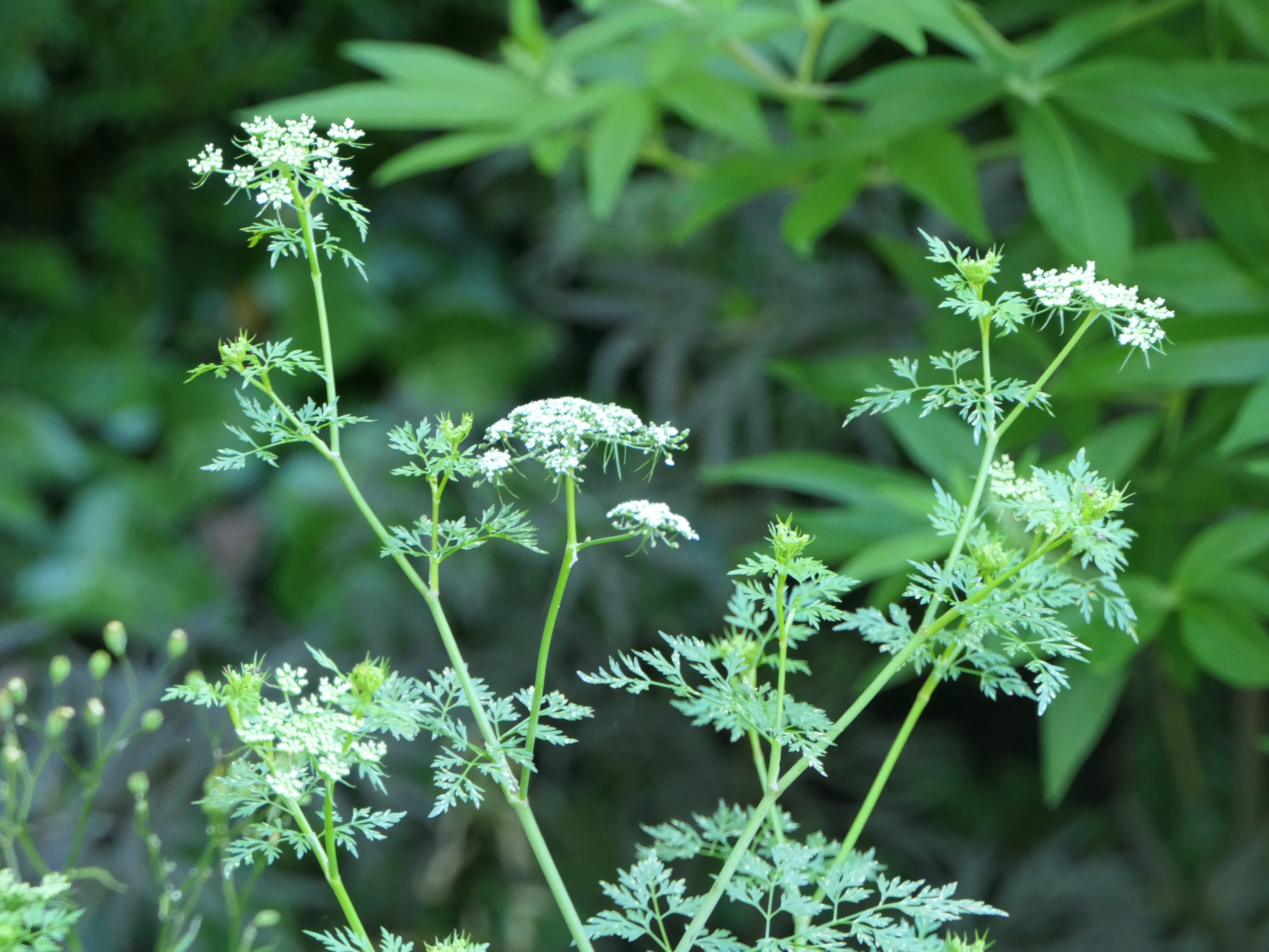
Aethusa cynapium
species of plant

Coriandrum
Coriandrum is a genus of herbs in the family Apiaceae containing the cultivated species Coriandrum sativum (coriander) and the wild species Coriandrum tordylium. The leaves and seeds of Coriandrum sativum are used in cooking. The leaves are often referred to as cilantro in North America.

Pastinaca
Pastinaca (parsnips) is a genus of flowering plant in the family Apiaceae, comprising 15 species. Economically, the most important member of the genus is Pastinaca sativa, the parsnip.
.jpg)
Astrantia
Astrantia is a genus of herbaceous plants in the family Apiaceae, native to Central, Eastern and Southern Europe and the Caucasus. There are several species, which have aromatic roots, palmate leaves, and decorative flowers. They are commonly known as great masterwort or masterwort which may also refer to other plants, particularly the unrelated Peucedanum ostruthium.

Foeniculum
Foeniculum is a genus of flowering plants in the carrot family. It includes the commonly cultivated fennel, Foeniculum vulgare.

Astrantia major
species of plant

Torilis japonica
species of plant

Scandix pecten-veneris
species of plant

Seseli
Seseli is a genus of herbaceous perennial plants in the family Apiaceae. They are sometimes woody at base with a conic taproot. Leaf blades are 1–3-pinnate or pinnately decompound. Umbels are compound, with bracts few or absent. Petals are white or yellow, and the fruit ovoid or ellipsoid.

Torilis
Torilis is a genus of plants in the family Apiaceae which are known generally as the hedge parsleys. They are native to Eurasia and North Africa but have been introduced to other continents. T. arvensis is quite widespread in North America but is facing population decline in the UK.

Berula erecta
species of plant

Laserpitium
Laserpitium is a genus of flowering plants in the family Apiaceae. It includes eight species native to Europe and Morocco.

Smyrnium olusatrum
species of plant

Ammi majus
species of plant

Cuminum
Cuminum is a genus of four flowering plants in the family Apiaceae. The most significant is Cuminum cyminum, source for the cumin seeds that are a popular spice.

Meum athamanticum
Meum is a monotypic genus in the family Apiaceae. Its only species is Meum athamanticum, a glabrous, highly aromatic (aroma compound), perennial plant. Common names in the UK include baldmoney, meu or meum, and spignel (also spikenel and spiknel).

Anethum
Anethum is a flowering plant genus in the family Apiaceae, native to the Middle East and the Sahara in northern Africa.

Cnidium
Cnidium is a genus of flowering plants in the family Apiaceae, native to Eurasia and North America.

Bunium bulbocastanum
species of plant

Falcaria vulgaris
species of plant

Anthriscus caucalis
species of plant

Ammi
genus of plants

Arracacia xanthorrhiza
species of plant

Seseli libanotis
species of plant
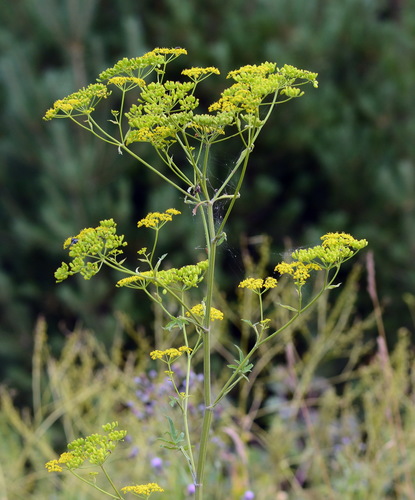
Selinum
Selinum is a Eurasiatic genus of flowering plants in the parsley family Apiaceae.

Scandix
thumb|Scandix australis MHNT
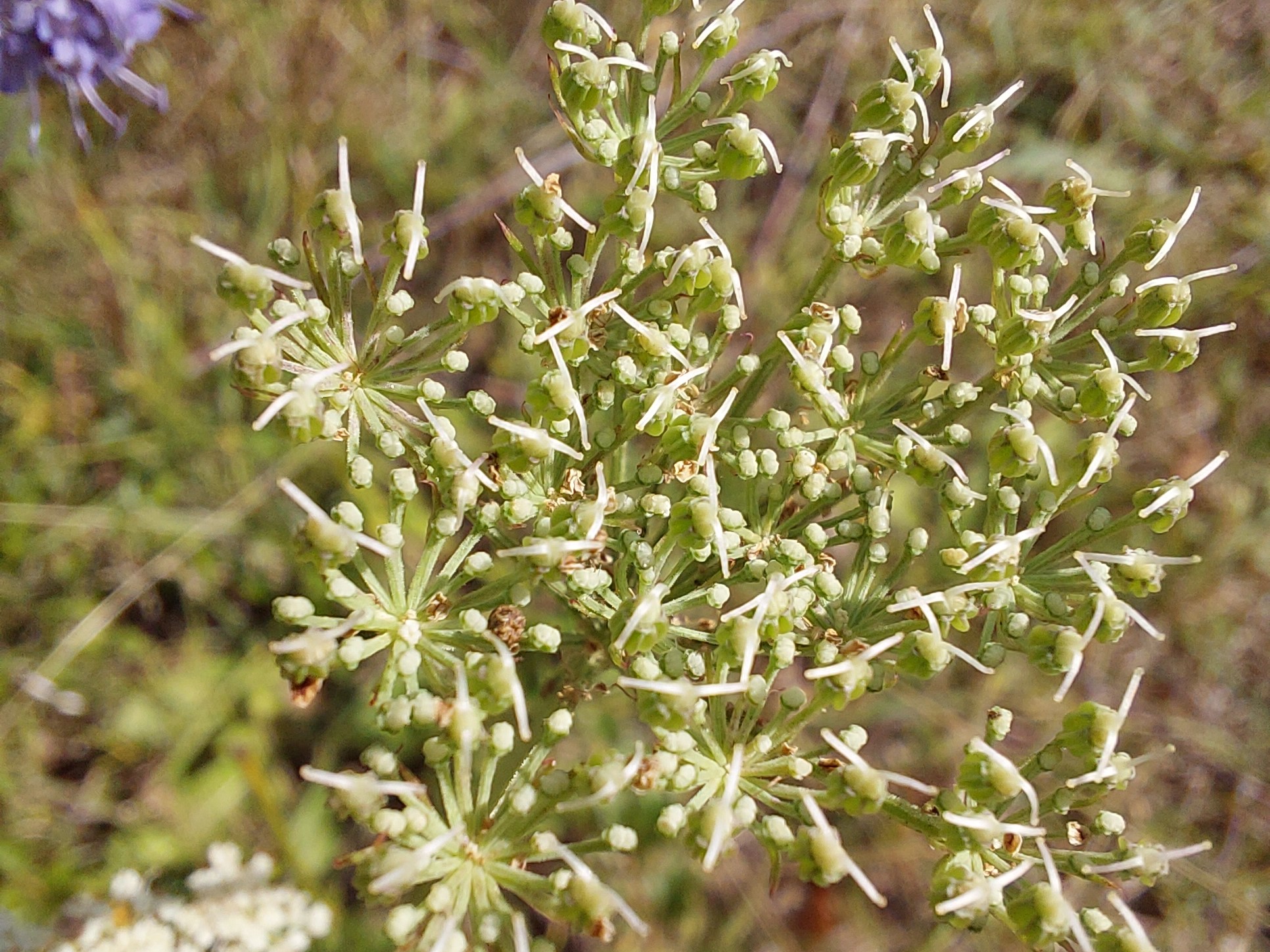
Selinum carvifolia
species of plant

Torilis arvensis
species of plant

Prangos
Prangos is a genus of flowering plants of the family Apiaceae, native from Europe to Mongolia and the western Himalayas.

Bunium
Bunium is a genus of flowering plants in the family Apiaceae, with 45 to 50 species.
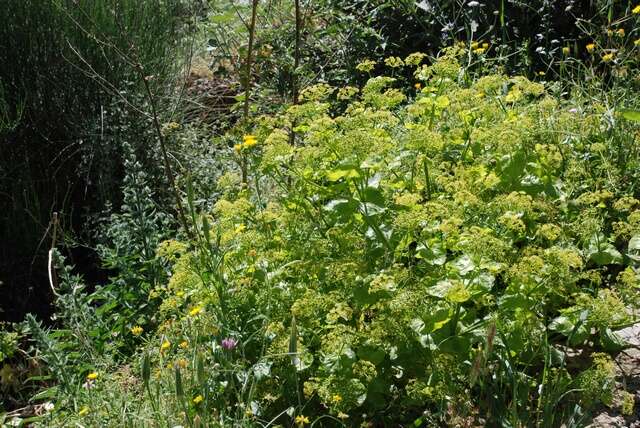
Smyrnium
Smyrnium is a genus of flowering plants in the family Apiaceae that naturally grows in a range stretching from Southern Europe to South Asia.

Laserpitium latifolium
species of plant

Conopodium majus
species of small perennial herb

Torilis nodosa
species of plant
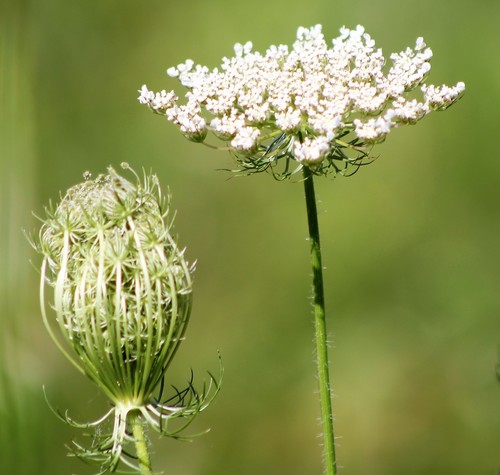
Caucalis
Caucalis platycarpos is a species of flowering plant in the family Apiaceae, the only member of the genus Caucalis. Common names are carrot bur parsley, small bur-parsley, and burr parsley. It is native to Europe, North Africa, and the Middle East as far east as Iran.

Elwendia persica
species of plant in the family Apiaceae

Apioideae
REDIRECT List of Apiaceae genera#Subfamily Apioideae

Conioselinum
Conioselinum is a genus of flowering plant in the family Apiaceae, native to Eurasia and North America. Its species are erect perennial plants with deeply toothed compound leaves and umbels of white flowers. Plants of this genus are known commonly as hemlock-parsley.
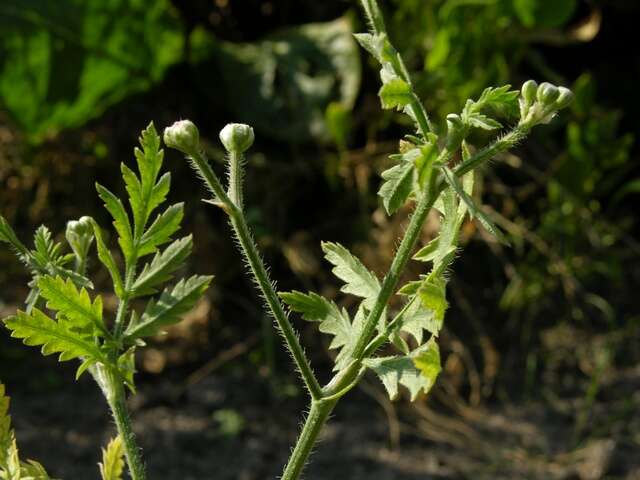
Turgenia
Turgenia is a genus of flowering plants in the family Apiaceae, containing up to seven species. The genus resembles Caucalis. False carrot is a common name for plants in this genus.

Orlaya
thumb|Orlaya grandiflora - MHNT

Ridolfia segetum
Ridolfia segetum, called false fennel, corn parsley, or false caraway, is an annual weed of the Mediterranean region. Its height is . The stem is erect, striate, and branched. The glabrous leaves are finely divided several times with filiform leaflets. The upper leaves frequently reduced and the base of the petiole enlarged. The flowers are yellow, arranged in small umbels with almost uniform rays (10–60).