Category
page 1Apocynaceae genera

Plumeria
Plumeria (), commonly known as frangipani, is a genus of flowering plants in the family Apocynaceae. Most species are deciduous shrubs or small trees. They are native to the Neotropical realm (in Mexico, Central America, and the Caribbean, and as far south as Brazil and as far north as Florida in the United States), but are often grown as ornamentals in tropical regions, especially in Hawaii, as well as hot desert climates in the Arabian Peninsula with irrigation.

Vinca
Vinca (; Latin: vincire "to bind, fetter") is an Old World genus of flowering plants in the family Apocynaceae. The English name periwinkle is shared with the related genus Catharanthus (and with the mollusc Littorina littorea). Some Vinca species are cultivated but have also spread invasively. Additionally, some species have medicinal uses. The most widespread species is Vinca minor.

Hoya
genus of plants

Adenium
thumb|Seedlings
Adenium is a genus of flowering plants in the family Apocynaceae first described as a genus in 1819. It is native to Africa and the Arabian Peninsula.
%20(5771618293).jpg)
Asclepias
Asclepias is a genus of herbaceous, perennial, flowering plants known as milkweeds, named for their latex, a milky substance containing cardiac glycosides termed cardenolides, exuded where cells are damaged. Most species are toxic to humans and many other species, primarily due to the presence of cardenolides. However, as with many such plants, some species feed upon milkweed leaves or the nectar from their flowers. A noteworthy feeder on milkweeds is the monarch butterfly, which uses and requires certain milkweeds as host plants for its larvae.

Apocynum
Apocynum, commonly known as dogbane or Indian hemp, is a small genus of the flowering plant family Apocynaceae. Its name comes from Ancient Greek , from apo- "away" and kyōn "dog", referring to dogbane (Cionura erecta), which was used to poison dogs. The genus is native to North America, temperate Asia, and southeastern Europe.
-peerj-01-70-g001.jpg)
Pachypodium
Pachypodium is a genus of succulent spine-bearing trees and shrubs, native to Madagascar and Africa. It belongs to the family Apocynaceae.
Vincetoxicum
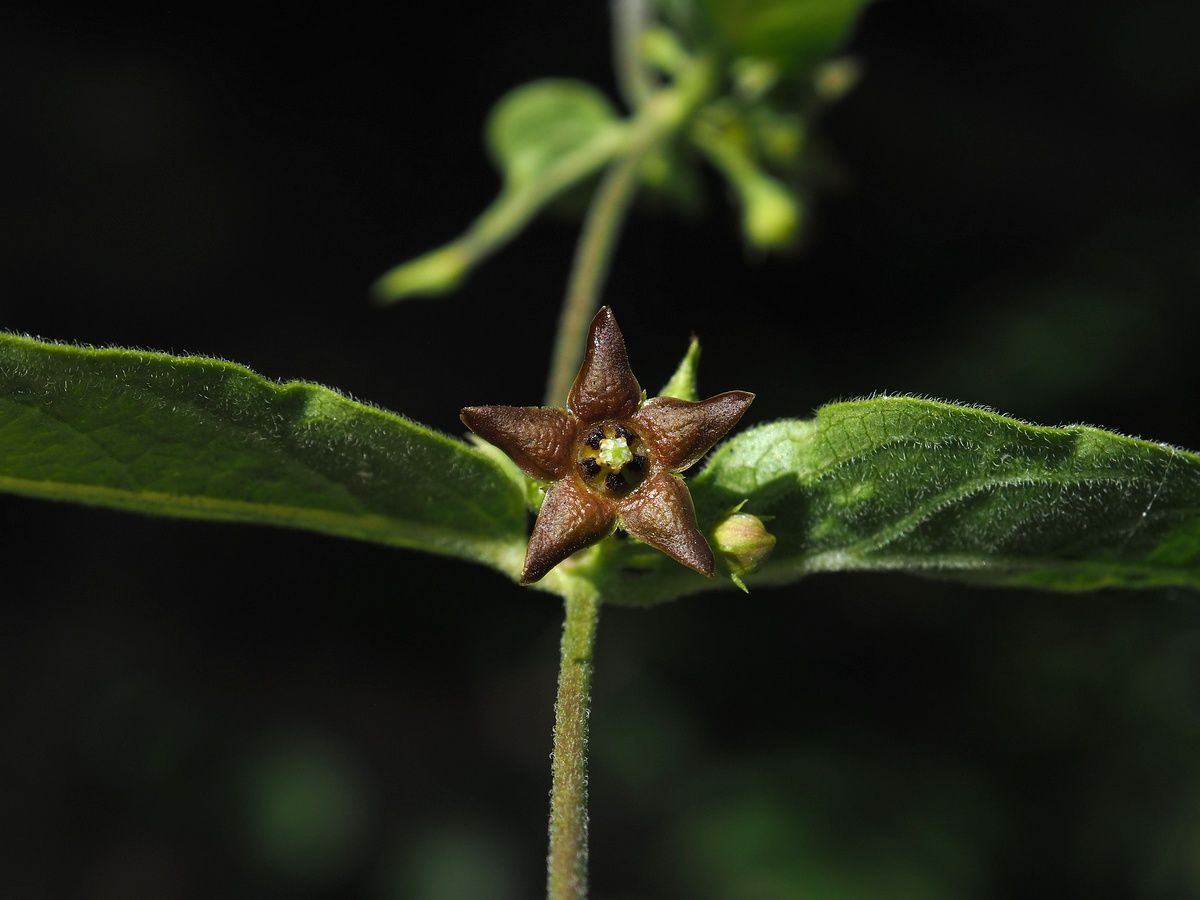
Vincetoxicum is a genus of plants in the family Apocynaceae. Although the species in Vincetoxicum have sometimes been included in Cynanchum, chemical and molecular evidence shows that Vincetoxicum is more closely related to Tylophora, now included in Vincetoxicum. The generic name means "poison-beater" in Botanical Latin because of the plants' supposed antidotal effects against snakebite.
%20W2%20IMG%203209.jpg)
Catharanthus
Catharanthus is a genus of flowering plants in the family Apocynaceae. Like the genus Vinca, they are known commonly as periwinkles. It is a perennial herb and a subshrub endemic to Madagascar, with the exception of Catharanthus pusillus (commonly known as the tiny periwinkle), which is found in India and Sri Lanka. The most widely known species is Catharanthus roseus due to its usage in traditional and modern medicine, specifically as a source of cancer-treating alkaloid chemicals.

Alstonia
Alstonia is a widespread genus of evergreen trees and shrubs, of the family Apocynaceae. It was named by Robert Brown in 1811, after Charles Alston (1685–1760), professor of botany at Edinburgh from 1716 to 1760.

Stapelia
Stapelia is a genus of low-growing, spineless, stem succulent plants, predominantly from South Africa with a few from other parts of Africa. Several Asian and Latin American species were formerly included but they have all now been transferred to other genera. The flowers of certain species, most notably Stapelia gigantea, can reach 41 cm (16 inches) in diameter when fully open. Most Stapelia flowers are visibly hairy and generate the odor of rotten flesh when they bloom.
%20(6928674411).jpg)
Rauvolfia
thumb|Rauvolfia serpentina fruit
Cynanchum
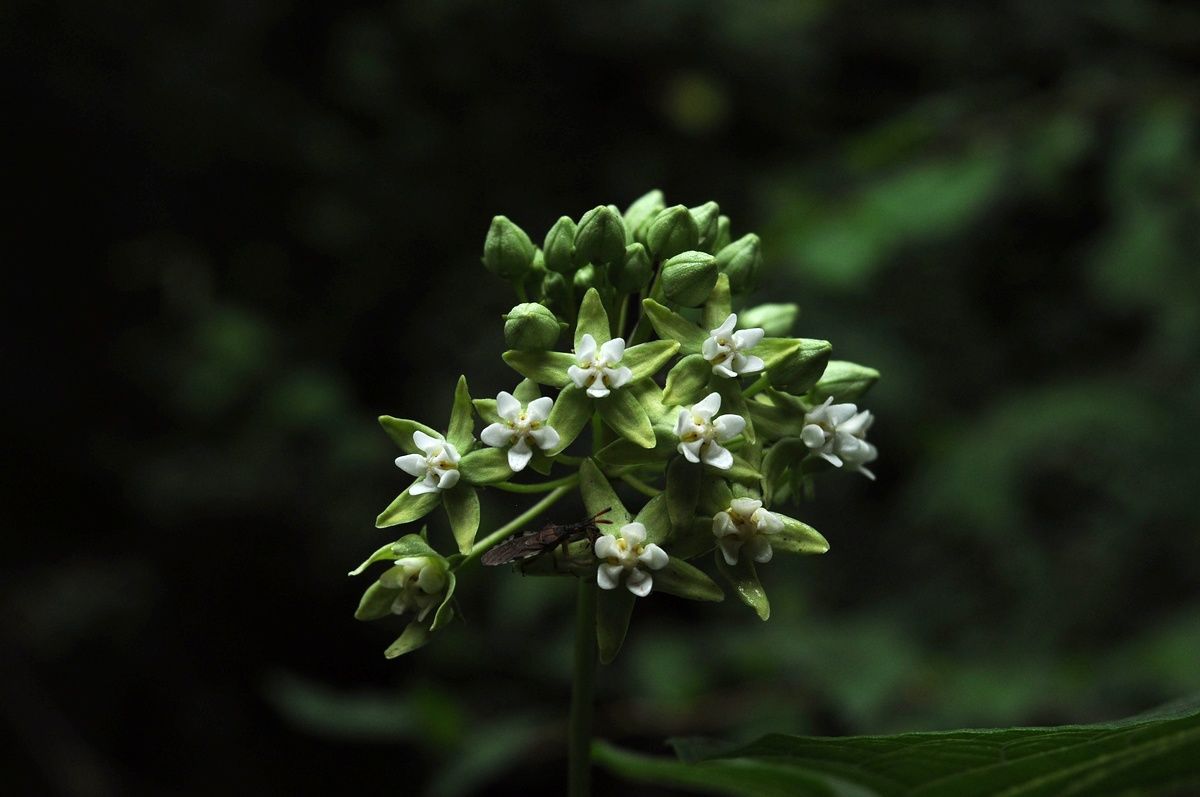
Cynanchum is a genus of about 300 species including some swallowworts, belonging to the family Apocynaceae. The taxon name comes from Greek kynos (meaning "dog") and anchein ("to choke"), hence the common name for several species is dog-strangling vine. Most species are non-succulent climbers or twiners. There is some evidence of toxicity.

Allamanda
Allamanda is a genus of flowering plants in the family Apocynaceae. They are native to the Americas, where they are distributed from Mexico to Argentina. Some species are familiar as ornamental plants cultivated for their large, colorful flowers. Most species produce yellow flowers; A. blanchetii bears pink flowers. The genus name Allamanda honors the Swiss botanist and physician Frédéric-Louis Allamand (1736–1809). It is the official flower of Kuching North City Hall.
Periploca
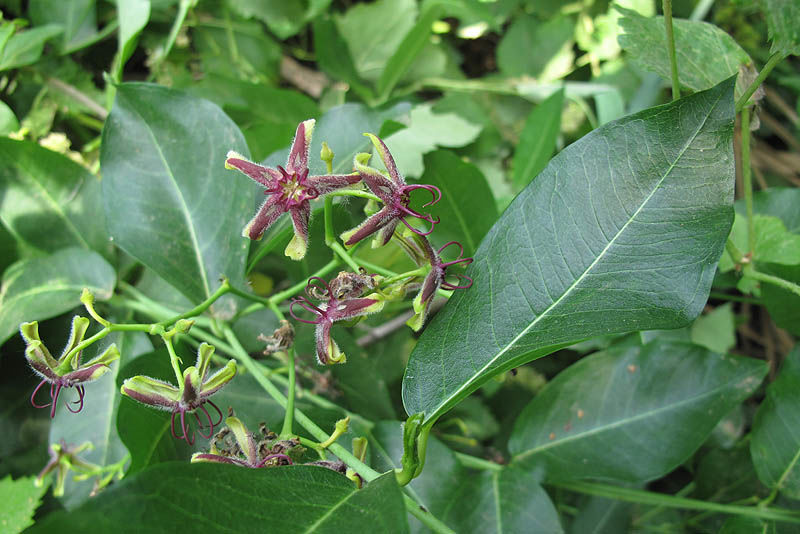
genus of plants
%202.jpg)
Calotropis
Calotropis is a genus of flowering plants in the family Apocynaceae, first described as a genus in 1810. It is native to southern Asia and North Africa.

Acokanthera
Acokanthera is a genus of flowering plants in the family Apocynaceae. It comprises 5 species and is generally restricted to Africa, although A. schimperi also occurs in Yemen. Its sap contains the deadly toxin ouabain, a glycoside that causes heart failure. The sap is among the most commonly used in arrow poisons, including those used for poaching elephants.

Carissa
thumb|right|Carissa bispinosa, thorns and flowers
thumb|right|Conkerberry (Carissa spinarum|C. spinarum) flowers in [[Shamirpet, Rangareddy district, Andhra Pradesh, India.]]

Tabernaemontana
Tabernaemontana is a genus of flowering plants in the family Apocynaceae. It has a pan-tropical distribution, found in Asia, Africa, Australia, North America, South America, and islands of the Indian and Pacific Oceans. These plants are evergreen shrubs and small trees growing to 1–15 m tall. The leaves are arranged in opposite pairs, 3–25 cm long, with milky sap; hence it is one of the diverse plant genera commonly called "milkwood". The flowers are fragrant, white, 1–5 cm in diameter.

Cerbera
Cerbera is a genus of evergreen trees or shrubs, native to tropical Asia, Australia, Madagascar, and various islands in the Indian and Pacific Oceans.
.jpg)
Amsonia
thumb|Single paired follicle (i.e. V-shaped pair of follicles) detached from specimen of Amsonia tabernaemontana

Ceropegia
Ceropegia is a genus of plants within the family Apocynaceae, native to Africa, southern Asia, and Australia. It was named by Carl Linnaeus, who first described this genus in his Genera plantarum, which appeared in 1737. Linnaeus referred to the description and picture of a plant in the Horti Malabarici as the plant for which the genus was created. In 1753 he named this species as Ceropegia candelabrum. Linnaeus did not explain the etymology but later explanations stated that the name Ceropegia was from the Greek word keropegion κηροπηγɩον. This means candelabrum in Latin, which has a broader
Strophanthus
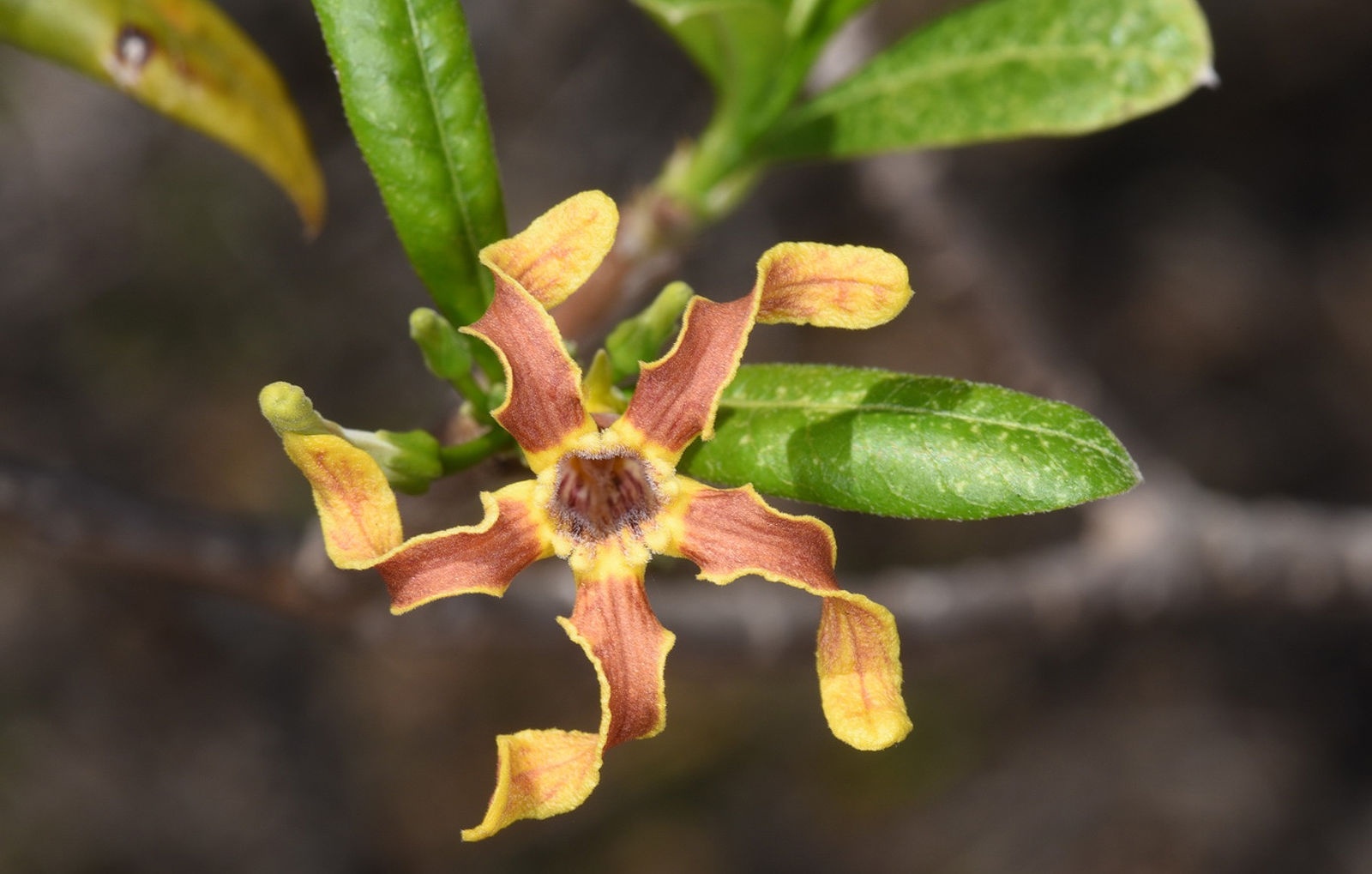
Strophanthus is a genus of flowering plants in the family Apocynaceae, first described as a genus in 1802. It is native primarily to tropical Africa, extending to South Africa, with a few species in Asia from southern India to New Guinea and southern China. The genus name is a compound of the Greek words στρόφος (stróphos) "twisted cord" and ἄνθος (ánthos) "flower", in reference to the corolla lobes which, in some species - notably S. petersianus (see below) - resemble long twisted ribbons or threads and can reach a length of 30–35 cm. This trait, in addition to colouring involving combin

Dischidia
Dischidia is a genus of plants in the "dog-bane" family Apocynaceae, collectively known as the "milkweeds" (true perennial milkweeds in the Apocynaceae are found in the genus Asclepias). They are epiphytes, native to tropical areas of China, India as well as Bhutan’s southern borders, wherever minimal frost occurs. Additionally, they are known from most areas of Mainland Southeast Asia, including forested areas of Myanmar, Thailand, Vietnam, Cambodia, Laos, and some parts of Indonesia, Malaysia and Singapore. Several species are also native to Papua New Guinea, northeastern Australia, Mariana

Hoodia
Hoodia (; known locally as "ghaap" or "bobbejaanghaap") is a genus of flowering plants in the family Apocynaceae, under the subfamily Asclepiadoideae, native to Southern Africa.

Gomphocarpus
Gomphocarpus is a genus of plants in the family Apocynaceae first described as a genus in 1810. It is in the milkweed subfamily Asclepiadoideae, and its members are considered milkweeds. It is widespread across much of Africa, with a few species naturalized in other regions.
%20(8489369372).jpg)
Caralluma
thumb|250px|left|Caralluma subulata, Yemen

Mandevilla
Mandevilla is a genus of tropical and subtropical flowering vines belonging to the family Apocynaceae. It was first described as a genus in 1840. A common name is rocktrumpet.

Trachelospermum
thumb|right|Flowers of T. jasminoides
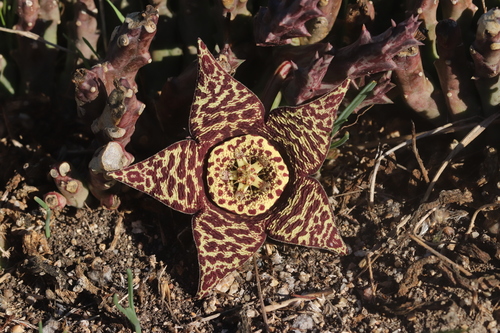
Orbea
genus of plants
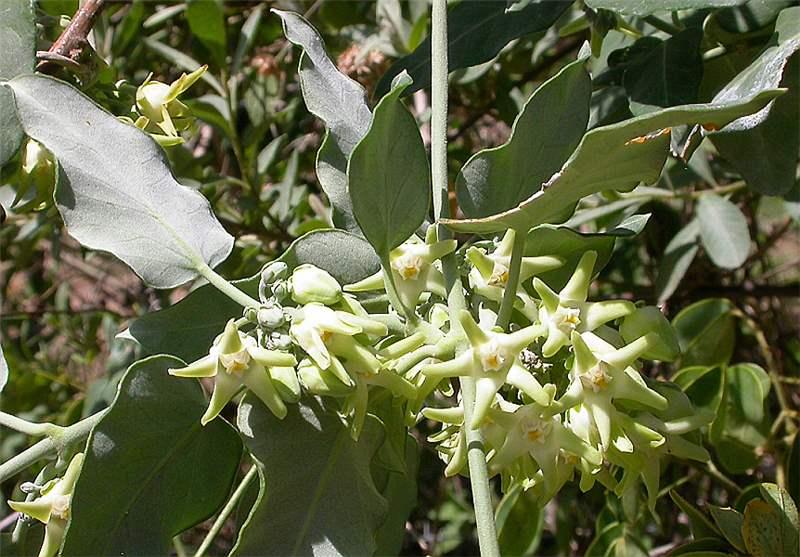
Araujia
Araujia is a small genus of perennial vines in the dogbane family first described as a genus in 1817. The group is native to South America.
%20in%20West%20Bengal%201.jpg)
Kopsia
thumb|Flowers of Kopsia fruticosa
thumb|Pollen grain of Pink Kopsia
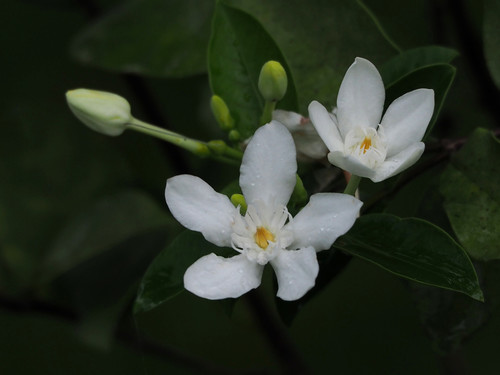
Wrightia
Wrightia is a genus of flowering plants in the family Apocynaceae, first described as a genus in 1810. It native to tropical Africa, China, the Indian subcontinent, Southeast Asia, Papuasia, and Australia. The species are all small trees or shrubs.

Huernia
The genus Huernia (family Apocynaceae, subfamily Asclepiadoideae) consists of perennial, stem succulents from Eastern and Southern Africa and Arabia, first described as a genus in 1810.

Alyxia
Alyxia is a genus of flowering plants in the family, Apocynaceae. It contains at present 106 species, but Alyxia stellata and A. tisserantii are very variable, might be cryptic species complexes, and are need of further study. It consists of shrubby, climbing or scrambling plants. This genus occurs in China, the Himalayas, Southeast Asia, Australia, New Caledonia and the Pacific Islands. There are 14 species in Australia, 21 in New Caledonia and 7 in the other Pacific Islands, including Hawaii.
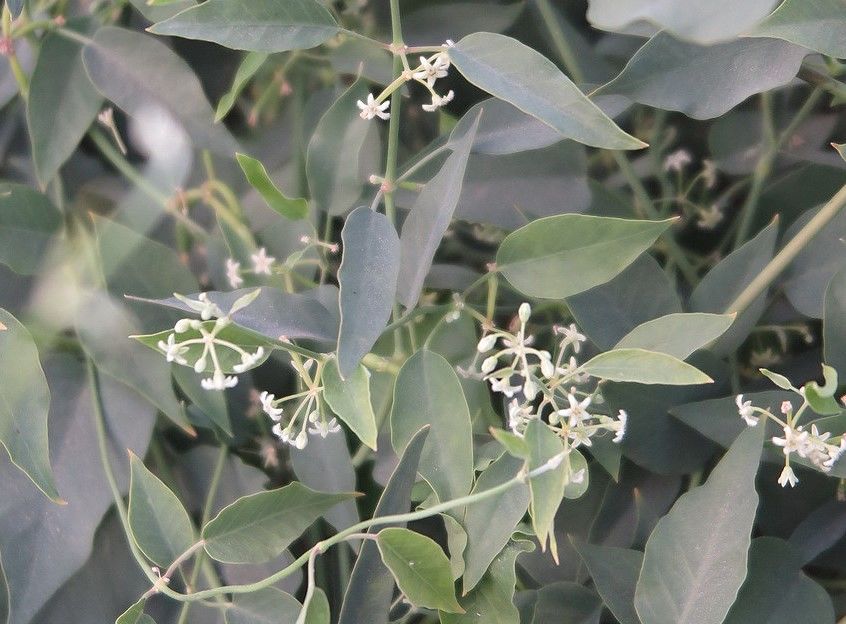
Leptadenia
Leptadenia is a genus of plants in the family Apocynaceae, first described as a genus in 1810. It is native to Africa, including Madagascar, as well as southwest Asia, the Indian subcontinent, and Indochina.
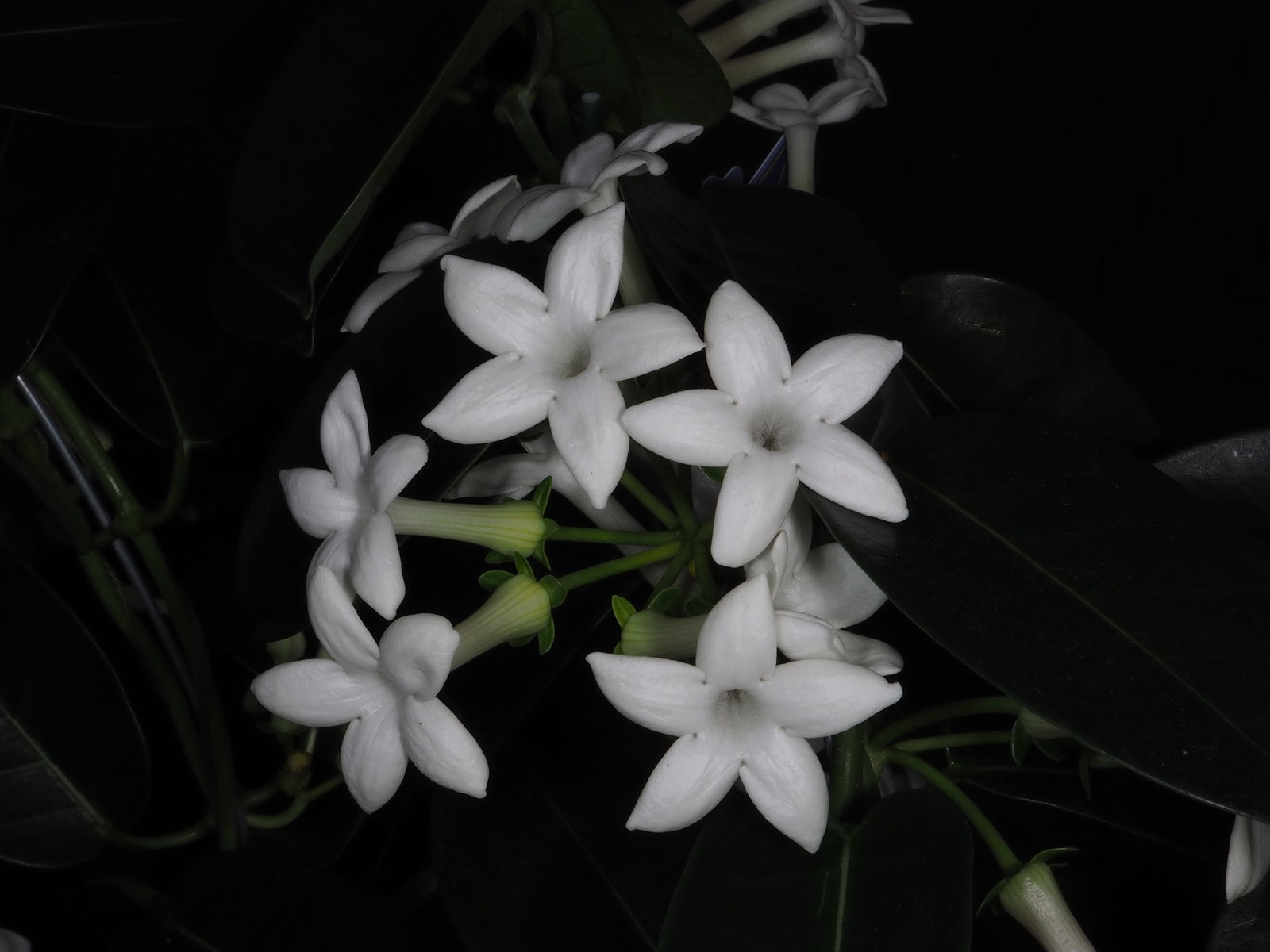
Stephanotis
Stephanotis is a genus of flowering plants first described in 1806. The name derives from the Greek στεφανωτής (stephanōtís) meaning, by sense, “fit for a crown”—from στέφανος (stéphanos), “crown”. It contains evergreen, woody-stemmed lianas with a scattered distribution in several tropical and subtropical regions.

Thevetia
Thevetia is a genus of flowering plants in the family Apocynaceae, first described for modern science as a genus in 1758. It is native to Mexico, Central America, South America, and Cuba. The taxonomy of the genus is controversial, with some authors including Cascabela within Thevetia, while others accept the two genera as separate.
thumb|right|Fruit and leaf detail of Thevetia ahouai

Gymnema
Gymnema (Neo-Latin, from Greek γυμνὀς gymnos, "naked" and νῆμα, nēma, "thread") is a genus in the family Apocynaceae first described as a genus in 1810.

Aspidosperma
thumb|Aspidosperma sp. - MHNT
thumb|Aspidosperma carapanauba - MHNT
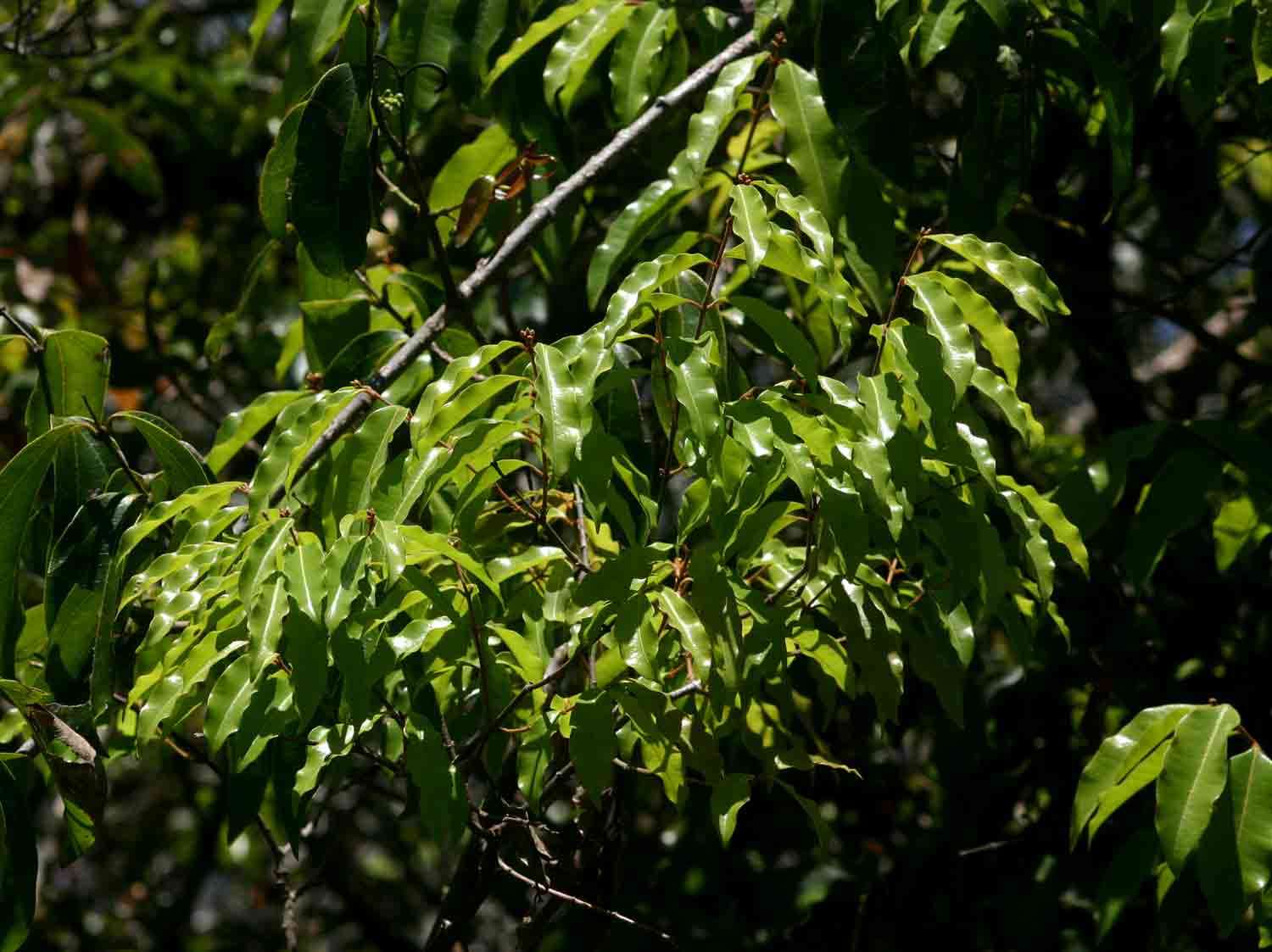
Landolphia
Landolphia is a genus of flowering plants in the family Apocynaceae first described as a genus in 1806. They take the form of vines that scramble over host trees. Landolphia is native to tropical Africa.

Holarrhena
Holarrhena is a genus of plant in the family Apocynaceae first described as a genus in 1810. It is native to tropical and southern Africa as well as south, east, and southeast Asia. the World Checklist of Selected Plant Families recognises 5 species:

Dyera
Dyera is a genus of tropical trees up to 80 m in height. They are in family Apocynaceae, native to southeast Asia. It was first described as a genus in 1882, by Joseph Dalton Hooker.
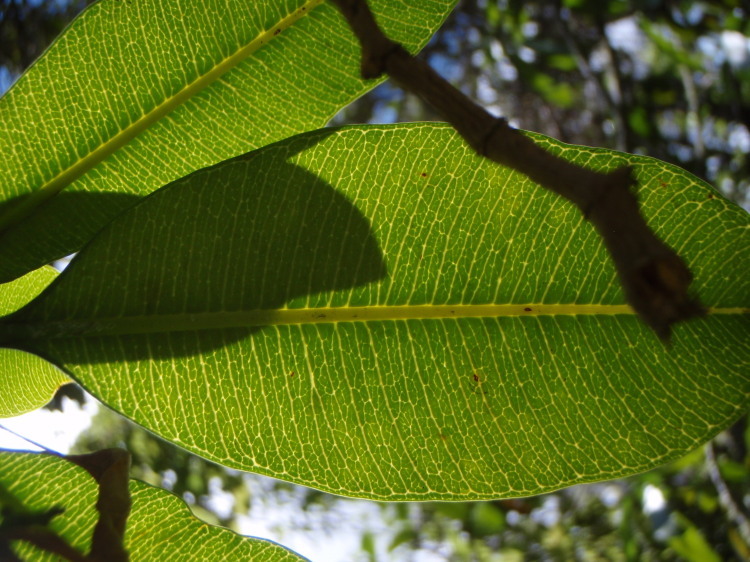
Ochrosia
Ochrosia is a genus of flowering plants, first described in 1789. It belongs to the family Apocynaceae, and is native to Southeast Asia, Australia, and various islands of the Indian and Pacific Oceans.
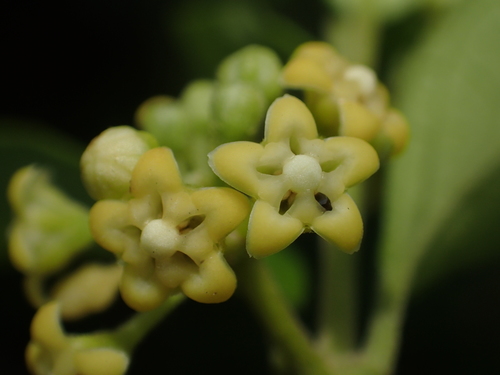
Marsdenia
Marsdenia is a genus of plants in the family Apocynaceae first described as a genus in 1810. It is named in honor of the plant collector and Secretary of the Admiralty, William Marsden. The plants are native to tropical regions in Asia, Africa, Australia, and the Americas.

Cryptostegia
Cryptostegia is a genus of flowering plants native to tropical Africa and Madagascar. The genus is in the family Apocynaceae.

Secamone
Secamone is a genus of plant in family Apocynaceae, first described as a genus in 1810. It is widespread across much of Africa, northern Australia, southern Asia, with numerous species endemic to Madagascar.
Voacanga
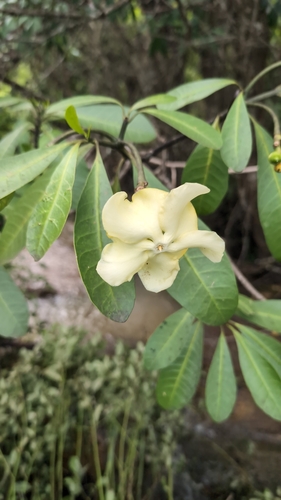
Voacanga is a genus of plants in the family Apocynaceae found in Africa, Southeast Asia, New Guinea, and Australia. the World Checklist of Selected Plant Families recognises 13 species:

Beaumontia
Beaumontia is a small genus of evergreen woody vines in the milkweed family. It is native to China, the Indian subcontinent, and Southeast Asia.

Oxypetalum
Oxypetalum is a genus of flowering plants in the family Apocynaceae, first described with this name in 1810. The genus is native to South America.
Fockea
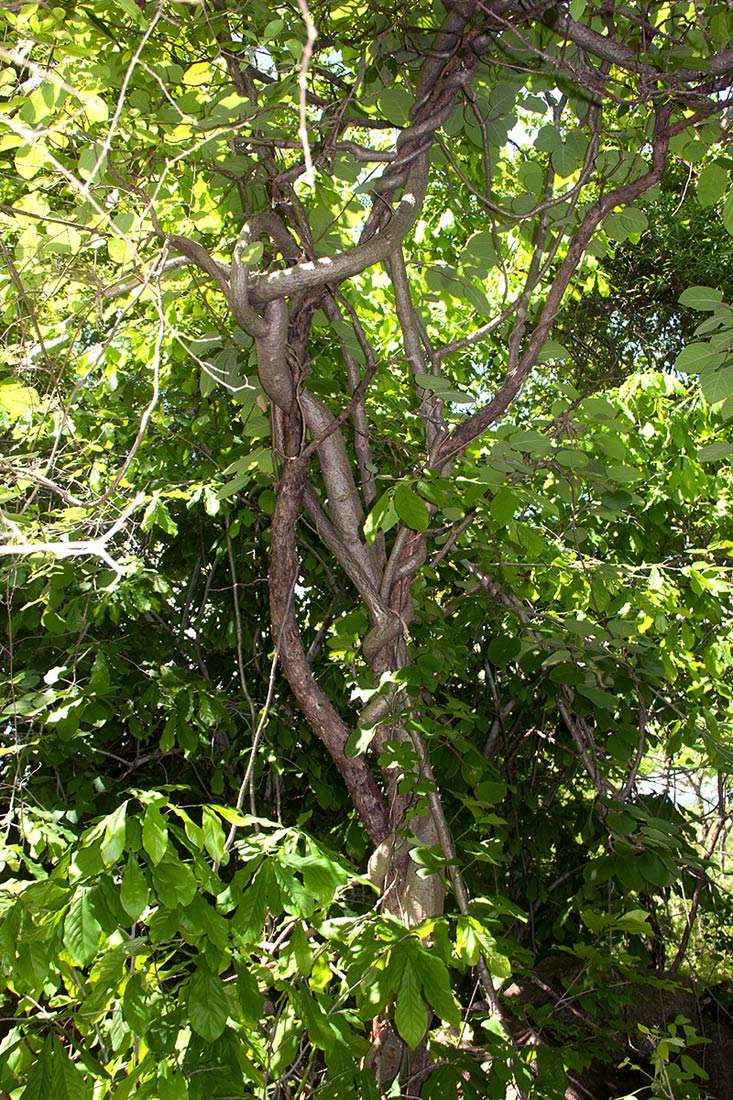
Fockea is a genus of succulent scrubs native to Africa south of the equator. They are members of the Asclepiadoideae (milkweeds), a subfamily of the dogbane family Apocynaceae. Of the six accepted species, only the two most widely distributed extend north of southern Africa, with F. multiflora reaching as far north as Tanzania and F. angustifolia reaching to southern Kenya. Fockea are known as water roots, a reference to the bulbous caudex characteristic of most species, which is also edible in at least some species.

Urceola
genus of plants

Matelea
Matelea is a genus of flowering plants in the family Apocynaceae. It contains about 200 species, which are commonly known as milkvines. Some people consider Chthamalia to be a synonym to or a subgenus of Matelea.
Funtumia
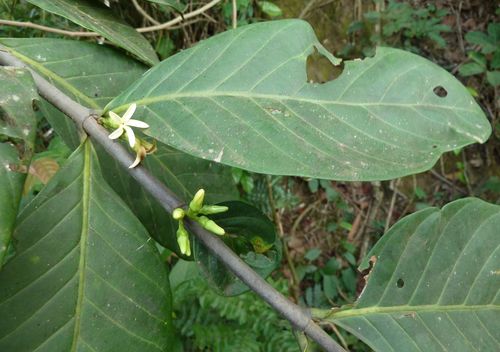
Funtumia is a genus of flowering plants in the family Apocynaceae first described as a genus in 1900. It is native to Africa.
Pergularia
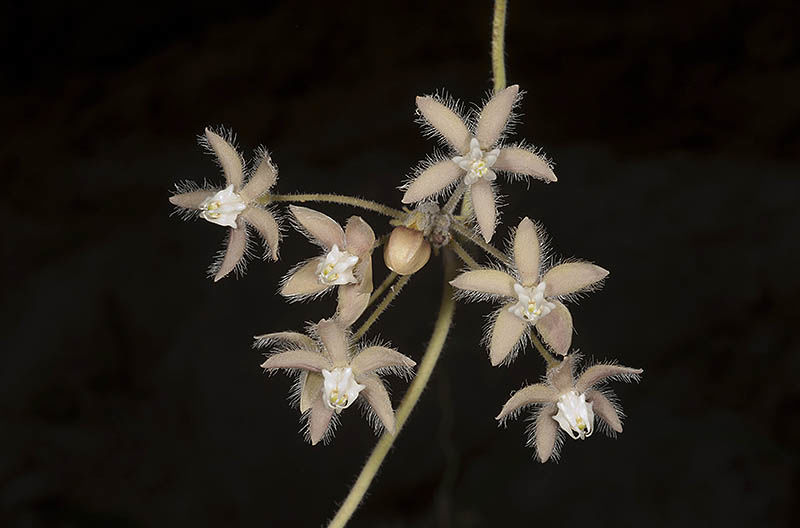
Pergularia is a genus of the botanical family Apocynaceae. Pergularia daemia is a perennial twinning herb that grows along the roadsides of India and tropical and subtropical regions in South Asia, Africa, and Australia.
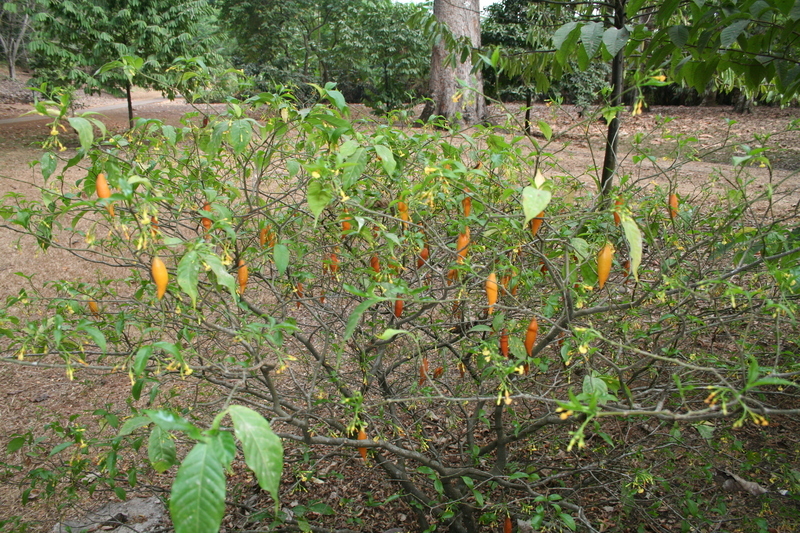
Tabernanthe
Tabernanthe is a genus of flowering plants in the family Apocynaceae, first described as a genus in 1888. It is native to tropical central Africa.

Saba
genus of plants
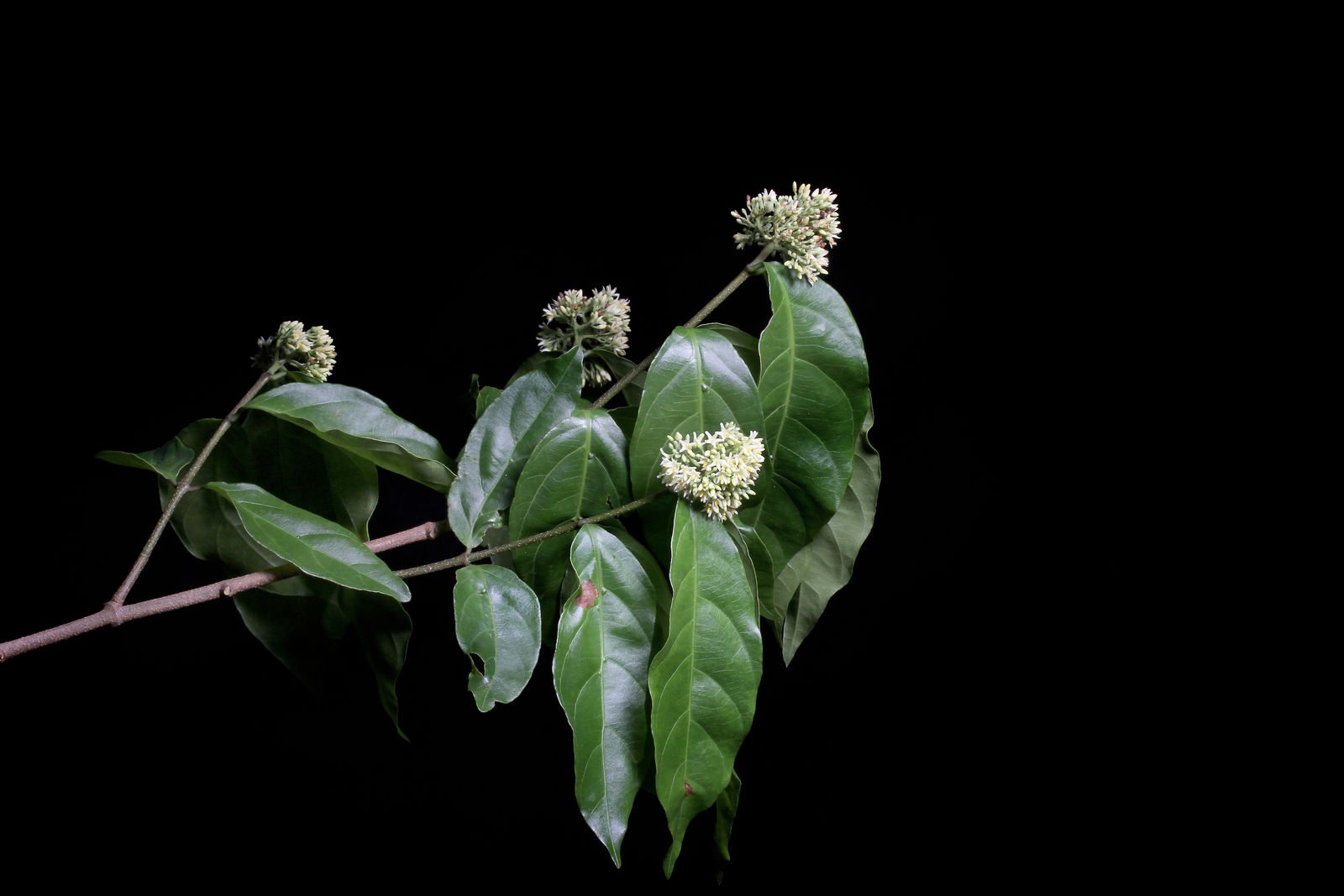
Forsteronia
Forsteronia is a genus of plants in the family Apocynaceae, first described as a genus in 1818. It is native to South America, Central America, Mexico, and the West Indies.
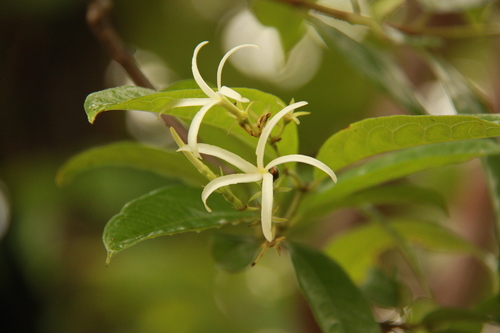
Aganosma
Aganosma is a genus of plants in family Apocynaceae first described as a genus in 1837. It is native to China, the Indian subcontinent, and Southeast Asia.

Baissea
Baissea is a genus of plant in the family Apocynaceae found in tropical Africa. the World Checklist of Selected Plant Families recognises 18 species: