Category
page 1Ascomycota orders

Pezizales
The Pezizales are an order of the subphylum Pezizomycotina within the phylum Ascomycota. The order contains 16 families, 199 genera, and 1683 species. It contains a number of species of economic importance, such as morels, the black and white truffles, and the desert truffles. The Pezizales can be saprobic, mycorrhizal, or parasitic on plants. Species grow on soil, wood, leaves and dung. Soil-inhabiting species often fruit in habitats with a high pH and low content of organic matter, including disturbed ground. Most species occur in temperate regions or at high elevation. Several members of th
Hypocreales
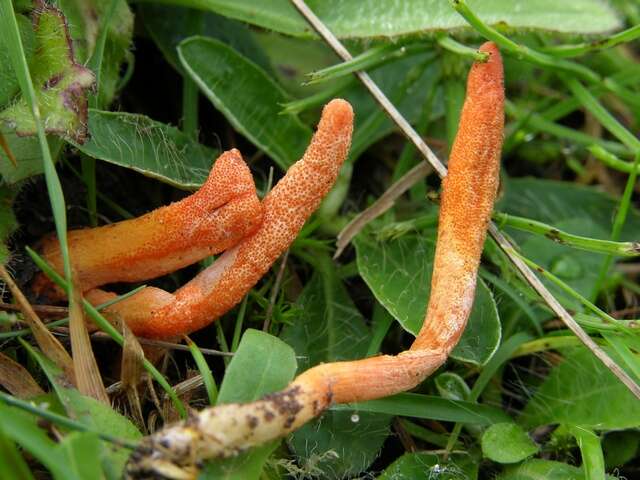
The Hypocreales are an order of fungi within the class Sordariomycetes.
Eurotiales
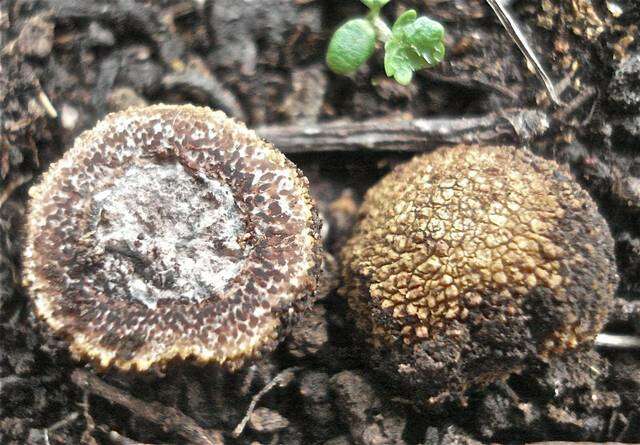
The Eurotiales are an order of sac fungi, also known as the green and blue molds. It was circumscribed in 1980.
Helotiales
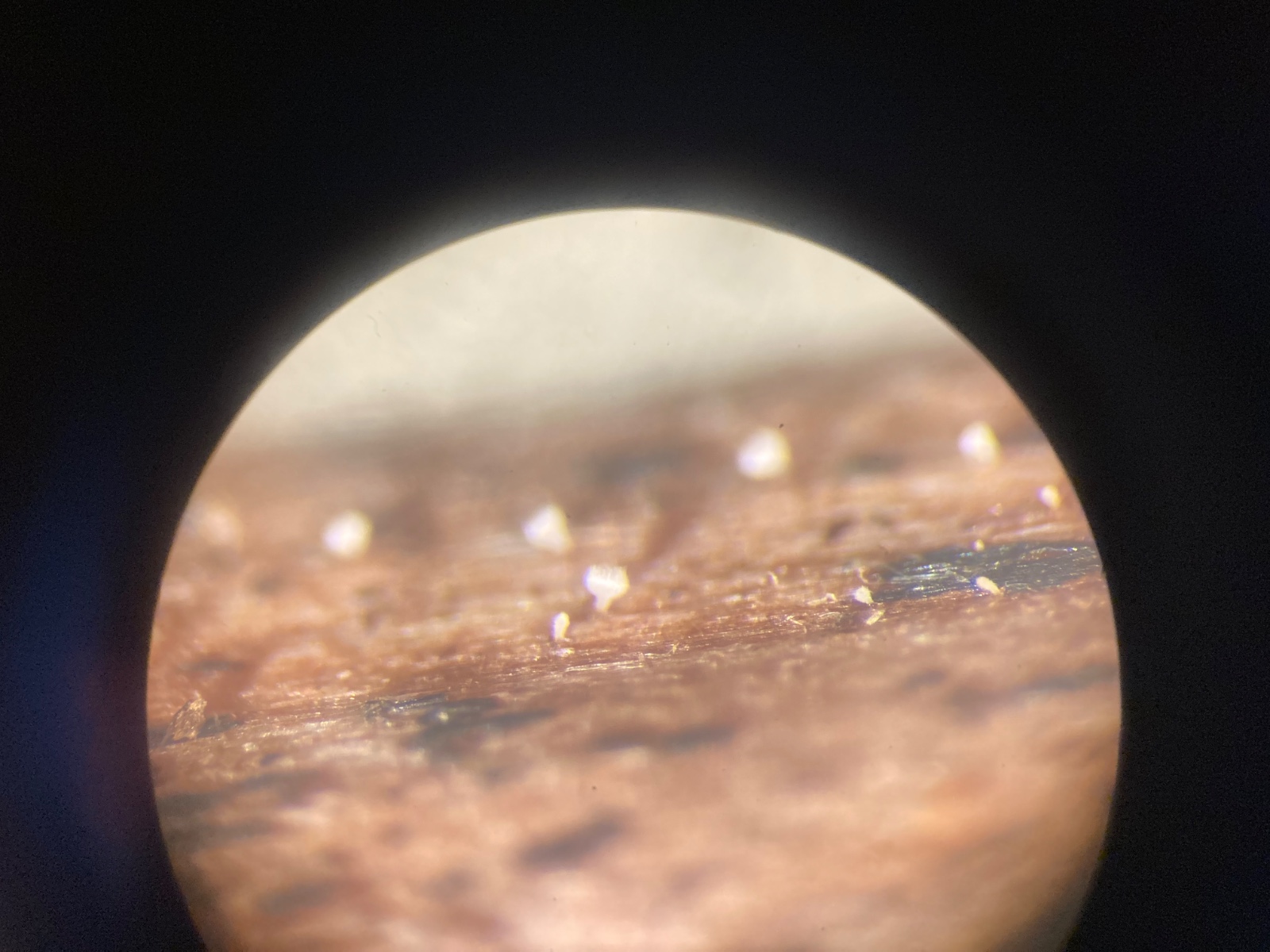
Helotiales is an order of the class Leotiomycetes within the division Ascomycota. The taxonomy within Helotiales has been debated. It has expanded significantly as genomic techniques for taxonomical identification have become more commonly used. , the order is estimated to contain 30 accepted families, 519 genera, and 6266 species.
Saccharomycetales
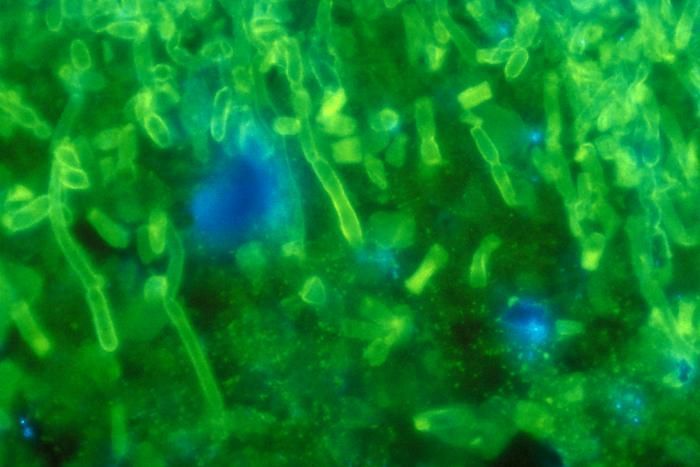
Saccharomycetales belongs to the kingdom of Fungi and the division Ascomycota. It is the only order in the class Saccharomycetes. There are currently 13 families recognized as belonging to Saccharomycetales. GBIF also includes; Alloascoideaceae (with 5 genera), Eremotheciaceae (16) Trigonopsidaceae (with 36) and Wickerhamomycetaceae (with 141 genera).

Xylariales
The Xylariales are an order of fungi within the class Sordariomycetes (also known as Pyrenomycetes), subdivision Pezizomycotina, division Ascomycota. It was the original order of the subclass Xylariomycetidae. Xylariales was circumscribed in 1932 by Swedish mycologist John Axel Nannfeldt, and Xylariomycetidae by Ove Erik Eriksson and Katarina Winka in 1997.

Pleosporales
The Pleosporales is the largest order in the fungal class Dothideomycetes. By a 2008 estimate, it contained 23 families, 332 genera and more than 4700 species. The majority of species are saprobes on decaying plant material in fresh water, marine, or terrestrial environments, but several species are also associated with living plants as parasites, epiphytes or endophytes. The best studied species cause plant diseases on important agricultural crops e.g. Cochliobolus heterostrophus, causing southern corn leaf blight on maize, Phaeosphaeria nodorum (Stagonospora nodorum) causing glume blotch on

Capnodiales
Capnodiales is a diverse order of Dothideomycetes, initially based on the family Capnodiaceae, also known as sooty mold fungi. Sooty molds grow as epiphytes, forming masses of black cells on plant leaves and are often associated with the honeydew secreted by insects feeding on plant sap. This diverse order has been expanded by the addition of several families formerly thought unrelated and now also includes saprobes, endophytes, plant pathogens, lichens and rock-inhabiting fungi. The new additions include the genus Mycosphaerella containing the causal agents of several economically important c
Onygenales
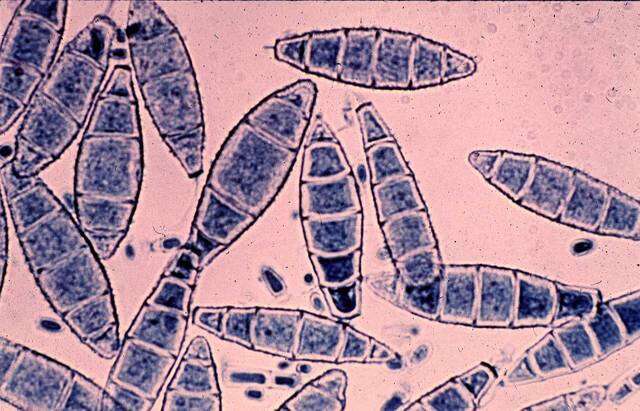
The Onygenales are an order of fungi in the class Eurotiomycetes and division Ascomycota. The order's last common ancestor is estimated to have lived 150 million years ago.
Diaporthales
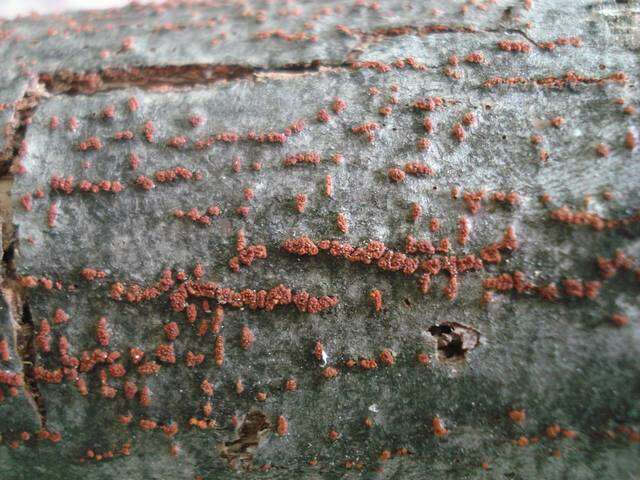
Diaporthales is an order of sac fungi.

Laboulbeniales
The Laboulbeniales is an order of fungi within the class Laboulbeniomycetes. They are also known by the colloquial name beetle hangers or labouls. The order includes around 2,325 species of obligate insect ectoparasites that produce cellular thalli from two-celled ascospores. Of the described Laboulbeniales, Weir and Hammond 1997 find 80% to be from Coleoptera and the next largest group to be the 10% from Diptera. Recently, the genus Herpomyces, traditionally considered a basal member of Laboulbeniales, was transferred to the order Herpomycetales based on molecular phylogenetic data. Laboulben

Baeomycetales
The Baeomycetales are an order of mostly lichen-forming fungi in the subclass Ostropomycetidae, in the class Lecanoromycetes. It contains 8 families, 33 genera and about 170 species. As a result of molecular phylogenetics research published in the late 2010s, several orders were folded into the Baeomycetales, resulting in a substantial increase in the number of taxa.
Sordariales
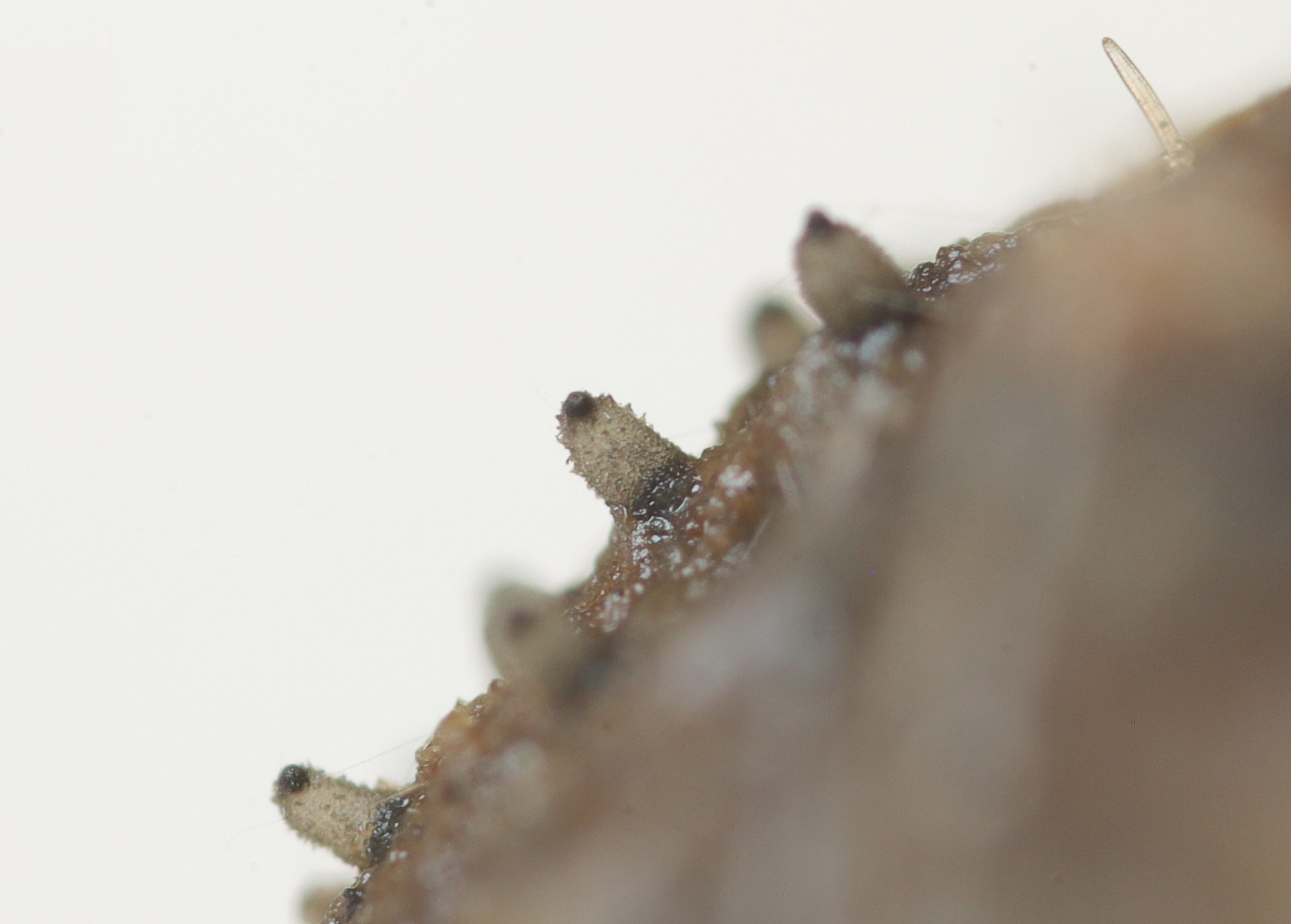
The order Sordariales is one of the most diverse taxonomic groups within the Sordariomycetes (subdivision Pezizomycotina, division Ascomycota).
.jpg)
Arthoniales
The Arthoniales is the second largest order of mainly crustose lichens, but fruticose lichens are present as well. The order contains around 1500 species, while the largest order with lichenized fungi, the Lecanorales, contains more than 14000 species.

Ophiostomatales
The Ophiostomatales are an order of fungi in the class Sordariomycetes. They are commonly symbionts to insect species, which can be found in numerous cases, including some termites and many bark beetles. In the cases of most beetle symbioses, the Ophiostomatales fungi is carried in mycangia, which help keep fungal inoculants close to the beetle at all times. In some cases, the fungi are the main source of food for the beetles. In others, the relationship is not as clear.

Microascales
The Microascales are an order of fungi in the class Sordariomycetes, subclass Hypocreomycetidae. This is a relatively small order of mostly saprobic fungi that live in soil, rotting vegetation and dung. Some species are plant pathogens, such as Ceratocystis fimbriata, transmitted by beetles to living trees and causing cacao wilt and many other economically important diseases. Species in the genus Pseudallescheria (family Microascaceae) are pathogenic to humans The order was circumscribed in 1980. Wijayawardene et al. in 2020 added more families and genera to the order.
Phyllachorales
Phyllachorales is a small order of perithecial sac fungi containing mostly foliar parasites. This order lacks reliable morphological characters making taxonomic placement of genera difficult. There is controversy among mycologists as to the boundaries of this order. Family Phaeochorellaceae was added in 2020.

Chaetothyriales
The Chaetothyriales are an order of ascomycetous fungi in the class Eurotiomycetes and within the subclass Chaetothyriomycetidae. The order was circumscribed in 1987 by mycologist Margaret Elizabeth Barr-Bigelow.
Dothideales
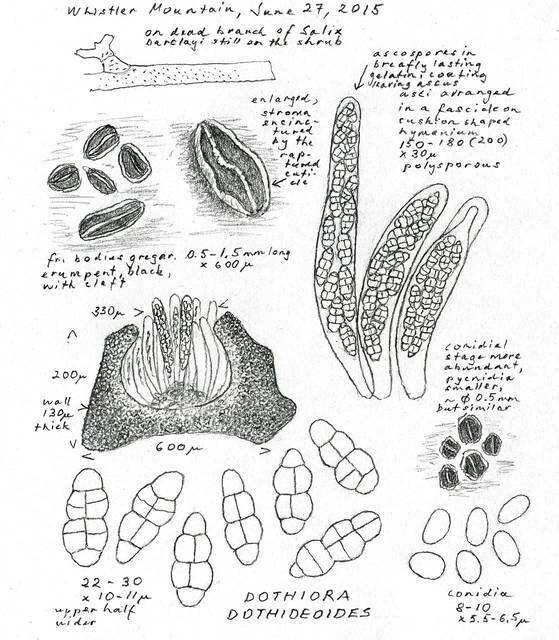
Dothideales are an order of bitunicate fungi consisting mainly of saprobic or plant parasitic species.
Verrucariales
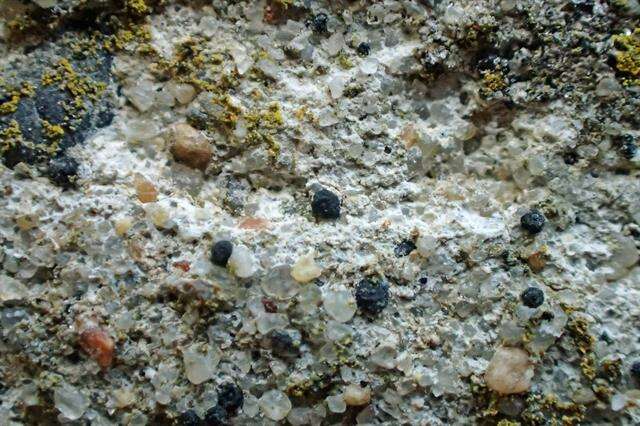
Verrucariales is an order of ascomycetous fungi within the subclass Chaetothyriomycetidae of the class Eurotiomycetes. Although most of the Verrucariales are lichenised, the family Sarcopyreniaceae consists of 11 species of lichenicolous (lichen-dwelling) fungi.
Lichinales
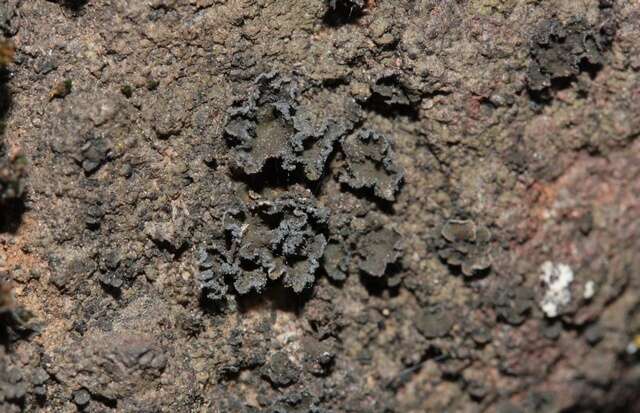
Lichinales is the sole order of ascomycete fungi in the class Lichinomycetes. It contains three families: Gloeoheppiaceae (3 genera), Lichinaceae (43 genera), and Peltulaceae (1 genus). Most species are lichenized. Lichinales was proposed in 1986 by German lichenologists Aino Henssen and Burkhard Büdel. The class Lichinomycetes was created by Valérie Reeb, François Lutzoni and Claude Roux in 2004.
Taphrinales
REDIRECT Taphrinomycetes
Myriangiales
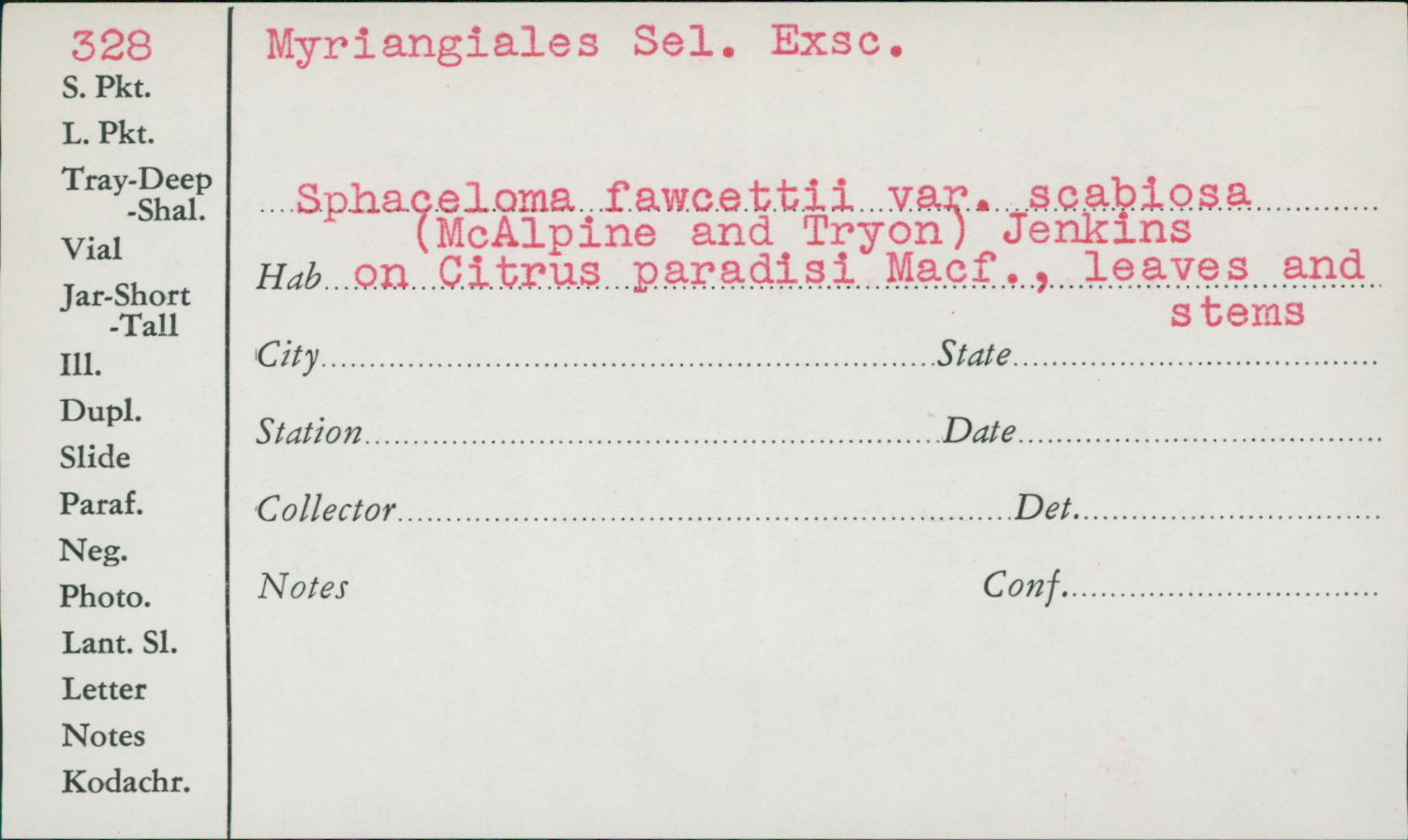
Myriangiales is an order of sac fungi, consisting of mostly plant pathogens.

Boliniales
The Boliniales are an order of fungi within the class Sordariomycetes.

Pyrenulales
The Pyrenulales are an order of ascomycetous fungi within the class Eurotiomycetes and within the subphylum Pezizomycotina.
Coronophorales
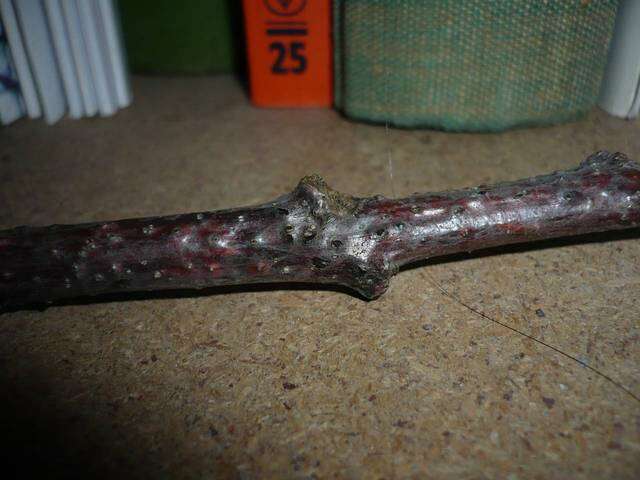
The Coronophorales are an order of fungi in the class Sordariomycetes. According to a 2008 estimate, the order consisted of 4 families, 26 genera, and 87 species. This was changed in 2020, it then had 6 families, with 46 genera.

Leotiales
The Leotiales are an order of ascomycete fungi. The order contains 2 families (the Bulgariaceae and the Leotiaceae), 11 genera, and 41 species.
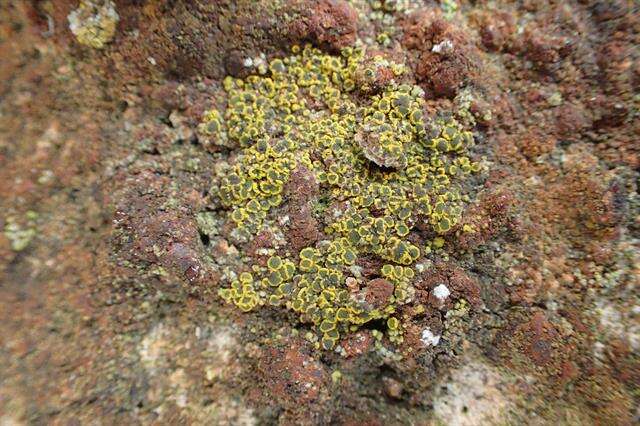
Candelariales
The Candelariales are an order of fungi in the monotypic class Candelariomycetes. It contains the families Candelariaceae and Pycnoraceae. The order was circumscribed by Jolanta Miadlikowska, François Lutzoni, and Helge Thorsten Lumbsch as part of a comprehensive phylogenetic classification of the kingdom Fungi published in 2007. The class Candelariomycetes was proposed in 2018 by Hermann Voglmayr and Walter Jaklitsch.
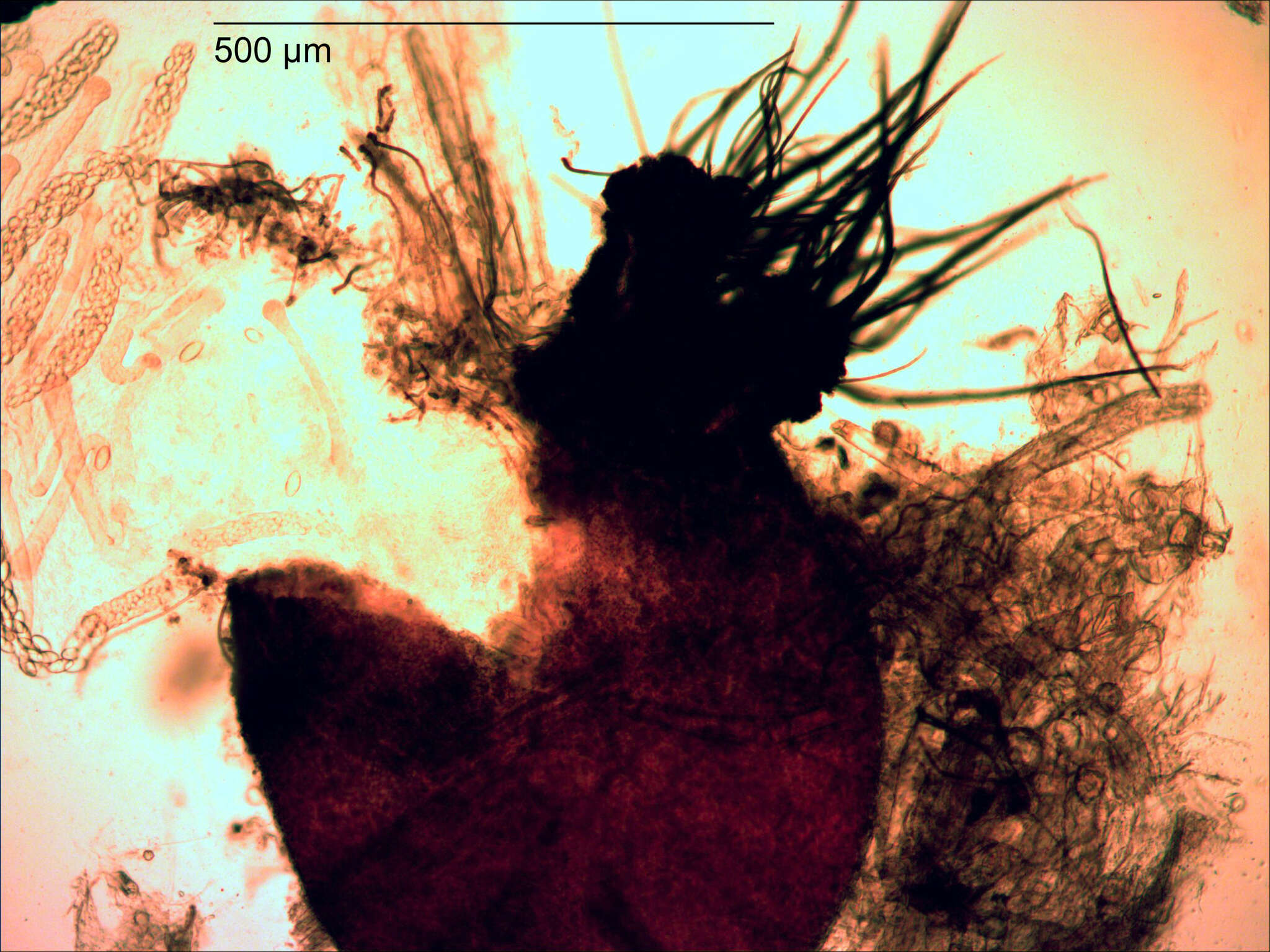
Coniochaetales
The Coniochaetales are an order of fungi within the class Sordariomycetes. This order was monotypic and contained a single family, the Coniochaetaceae, historically placed in the order Sordariales. However, this taxonomic placement has been challenged by other authorities, and the Coniochaetales was proposed to include the family Coniochaetaceae. In 2020, family Cordanaceae (with its monotypic genus Cordana and various species) was added to the order.
Mycocaliciales
The Mycocaliciales are an order of ascomycetous fungi within the subclass Mycocaliciomycetidae and within the class Eurotiomycetes (subphylum Pezizomycotina).
Lulworthiales
Lulworthiales is a monotypic order of fungi in the class Sordariomycetes and also subclass Lulworthiomycetidae.
Magnaporthales
The Magnaporthales are an order of fungi within the class Sordariomycetes and subclass Diaporthomycetidae.
It has several water based species and genera.
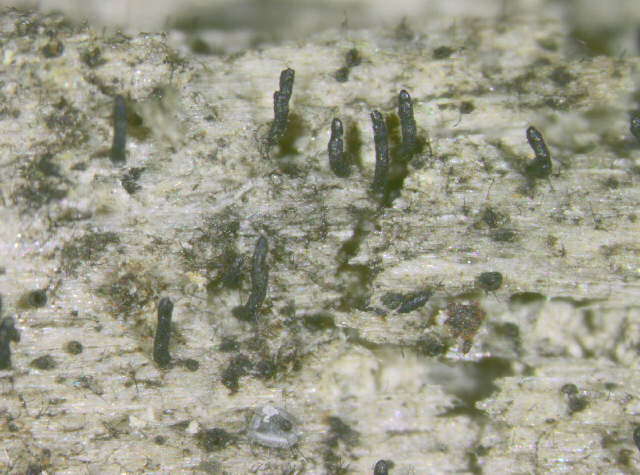
Calosphaeriales
The Calosphaeriales are an order of fungi within the class Sordariomycetes containing 2 families. They are saprophytes and have small fruiting bodies.
Chaetosphaeriales
The Chaetosphaeriales are an order of fungi within the class Sordariomycetes.
Coryneliales
The Coryneliales are an order of ascomycetous fungi within the monotypic subclass Coryneliomycetidae in the class Eurotiomycetes and within the subdivision Pezizomycotina. Species in this order are found almost exclusively in the tropics, primarily as a pathogen on the gymnosperm Podocarpus, although it has been found on other plants like the Southern Hemisphere beech Nothofagus, and Drimys.
Mytilinidiales
Mytilinidiales is an order of fungi within the class Dothideomycetes.
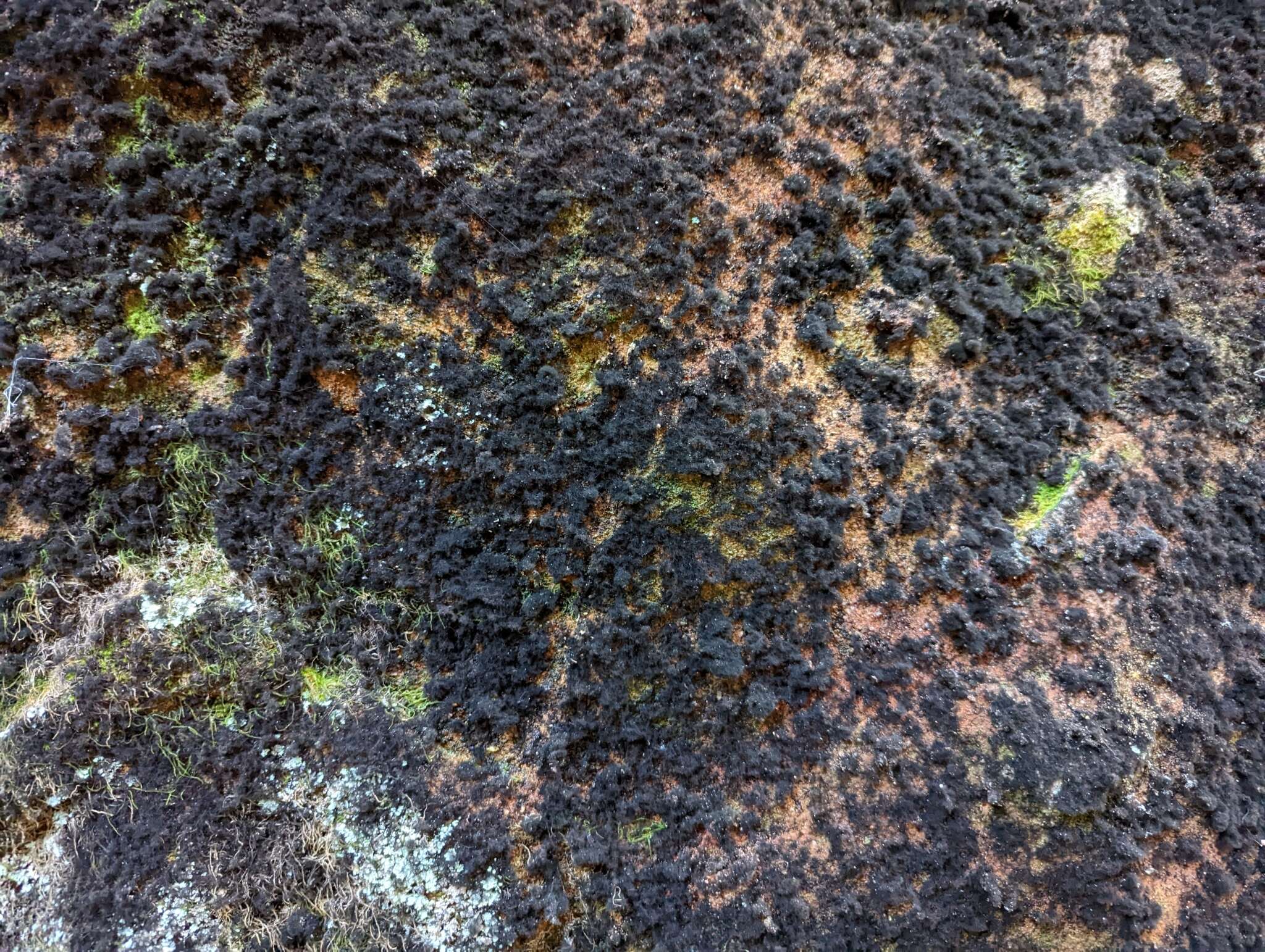
Microthyriales
The Microthyriales are an order of sac fungi. According to a 2008 estimate, the order contains 3 families, 62 genera and 323 species. Species in the Microthyriales have small, flattened fruit bodies with one of more central slits, and are saprobic or epiphytic on the leaves and stems of plants.
Trichosphaeriales
The Trichosphaeriales are an order of sac fungi. It is monotypic, and consists of the single family, the Trichosphaeriaceae. In 2017, the family of Trichosphaeriaceae was placed in Diaporthomycetidae families incertae sedis, which was accepted by Wijayawardene et al. (2018), and Wijayawardene et al. 2020. The order of Trichosphaeriales was also unplaced. They are generally saprobic and pathogenic on plants, commonly isolated from herbivore dung.
Botryosphaeriales
The Botryosphaeriales are an order of sac fungi (Ascomycetes), placed under class Dothideomycetes. Some species are parasites, causing leaf spot, plant rot, die-back or cankers, but they can also be saprophytes or endophytes. They occur world-wide on many hosts. For example, in China, infections related to Botryosphaeriales have been recorded on numerous hosts such as grapes, Caragana arborescens,Cercis chinensis, Eucalyptus, Chinese hackberry, blueberry, forest trees, and various other woody hosts.
Glomerellales
Glomerellales is an order of ascomycetous fungi within the subclass Hypocreomycetidae (Sordariomycetes). The order includes saprobes, endophytes and pathogens on plants, animals and other fungi with representatives found all over the world in varying habitats.
Patellariales
The Patellariaceae are a family of sac fungi. It is the only representative of the order Patellariales. According to a 2008 estimate, the family contains 15 genera and 38 species.
Jahnulales
thumb | right | A–F Jahnula purpurea (from the HOLOTYPE; MJF 14016, ILLS 72402). A–C Ascomata on submerged wood. Note the purple stain. Arrowheads indicate the subtending superficial hyphae on wood, which connect multiple ascomata on wood. D Ascoma in water showing broad hyphae emerging from the base of the fruiting body. E, F Longitudinal section through ascoma. Note broad pseudoparenchymatic cells comprising the peridial wall.
The Jahnulales are an order of fungi in the class Dothideomycetes, subclass Pleosporomycetidae. They are ascomycetes that have stalked/stessile and dimorphic ascomata
Thelebolales
The Thelebolales are an order of the class Leotiomycetes within the division Ascomycota. It contains the single family Thelebolaceae, circumscribed in 1968 by Finnish mycologist Finn-Egil Eckblad.
Pyxidiophorales
REDIRECT Pyxidiophoraceae
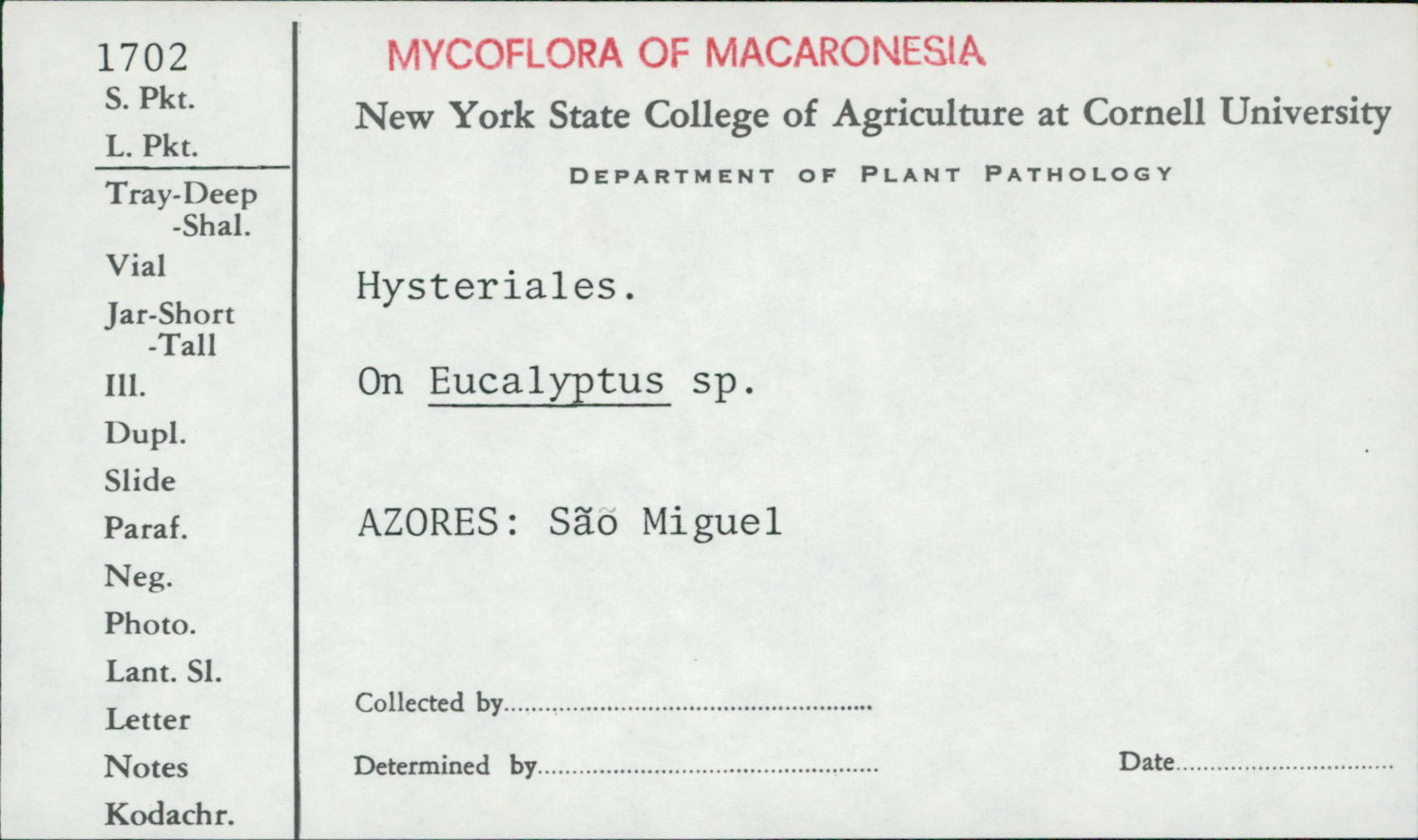
Hysteriales
The Hysteriales are an order of fungi in the class Dothideomycetes, subclass Pleosporomycetidae. It consists of a single family, Hysteriaceae. Members of Hysteriales produce elongated, often boat shaped sexual structures with slit-like openings (hysterothecia). However species with these structures are very diverse. Comparisons based on DNA sequences indicate species with hysterothecia do not share a single ancestor and therefore species with hysterothecia can be found in several fungal orders. The newest definition of the order relies on DNA sequence differences and a combination of morpholog
Trypetheliales
The Trypetheliales are an order of fungi in the class Dothideomycetes. Most of the species in the order form lichens, although some are lichenicolous fungi. Trypetheliales contains two families, Polycoccaceae and Trypetheliaceae.
Meliolales
Meliolales is a fungal order in the class Sordariomycetes. Meliolales, also known as black mildews, are obligate parasitic ascomycetous fungi that are found in the tropics and subtropics on leaves, twigs, and sometimes fruit of vascular plants. As parasites, they are frequently parasitized by other fungi, known as hyperparasites.
Asterinales
Asterinales is an order of fungi in the class Dothideomycetes. It contains ten families according to the 2021 work "Outline of Fungi and fungus-like taxa", each of which is listed with the number of genera it contains:
Venturiales
The Venturiales is an order in the fungal class Dothideomycetes.
Schizosaccharomycetales
Schizosaccharomycetales is an order in the kingdom of fungi that contains the family Schizosaccharomycetaceae.
Gyalectales
Gyalectales is an order of lichen-forming fungi in the class Lecanoromycetes. It contains 5 families, 18 genera and about 550 species.
Amphisphaeriales
The Amphisphaeriales are an order of fungi within the class Sordariomycetes and subclass Xylariomycetidae.
Medeolariales
REDIRECT Medeolaria
Orbiliales
REDIRECT Orbiliaceae
Acrospermales
REDIRECT Acrospermaceae