Category
page 1Asterales families

Asteraceae
Asteraceae () is a large family of flowering plants that consists of over 32,000 known species in over 1,900 genera within the order Asterales. The number of species in Asteraceae is rivaled only by the Orchidaceae, and which is the larger family is unclear as the number of extant species in each family is unknown. The Asteraceae were first described in the year 1740 and given the original name Compositae. The family is commonly known as the aster, daisy, composite, or sunflower family.

Campanulaceae
The family Campanulaceae (also bellflower family), of the order Asterales, contains nearly 2400 species in 84 genera of herbaceous plants, shrubs, and rarely small trees, often with milky sap. Among them are several familiar garden plants belonging to the genera Campanula (bellflower), Lobelia, and Platycodon (balloonflower). Campanula rapunculus (rampion or r. bellflower) and Codonopsis lanceolata are eaten as vegetables. Lobelia inflata (indian tobacco), L. siphilitica and L. tupa (devil's tobacco) and others have been used as medicinal plants. Campanula rapunculoides (creeping bellflower) m

Menyanthaceae
Menyanthaceae is a family of aquatic and wetland plants in the order Asterales. There are approximately 60 to 70 species in six genera distributed worldwide. The simple or compound leaves arise alternately from a creeping rhizome. In the submersed aquatic genus Nymphoides, leaves are floating and support a lax, umbellate or racemose inflorescence. In other genera the inflorescence is erect and consists of one (e.g., Liparophyllum) to many flowers. The sympetalous, insect-pollinated flowers are five-parted and either yellow or white. The petals are ciliate or adorned with lateral wings. Fruit t
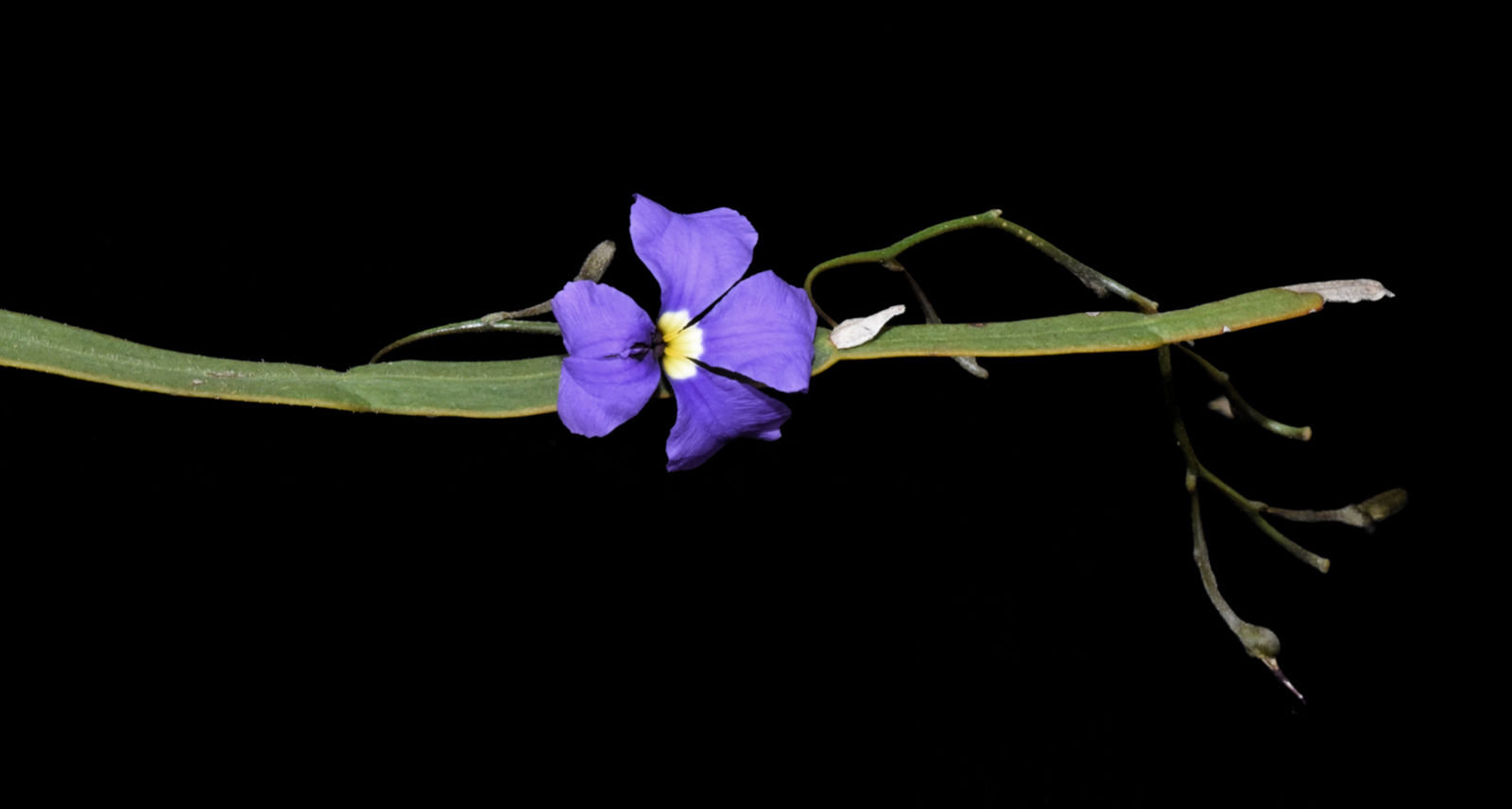
Goodeniaceae
Goodeniaceae is a family of flowering plants in the order Asterales. It contains about 404 species in twelve genera. The family is distributed mostly in Australia, except for the genus Scaevola, which is pantropical. Its species are found across most of Australia, being especially common in arid and semi-arid climates.
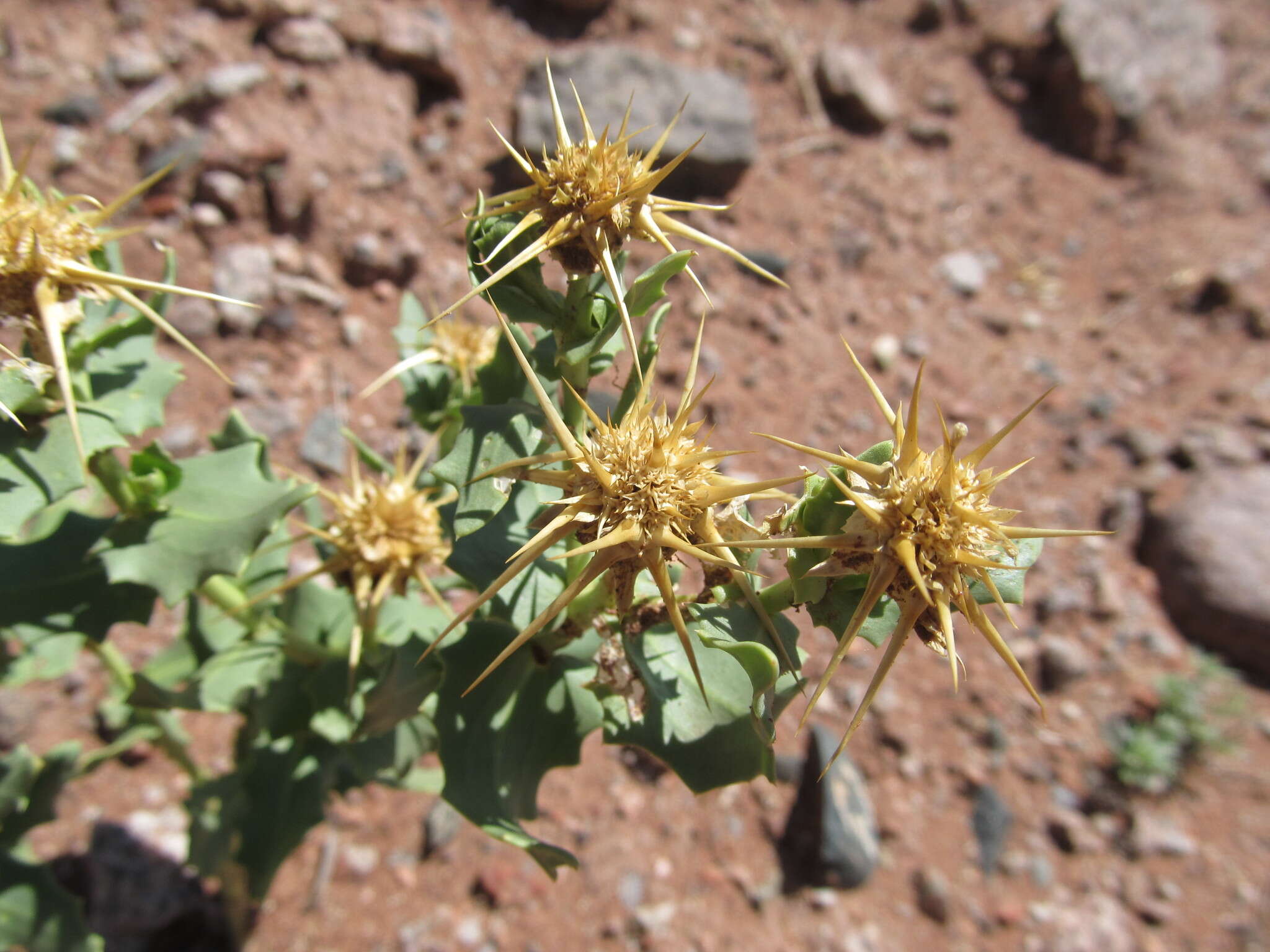
Calyceraceae
Calyceraceae is a plant family in the order Asterales. The natural distribution of the about sixty species belonging to this family is restricted to the southern half of South America. The species of the family resemble both the family Asteraceae and the Dipsacaceae.
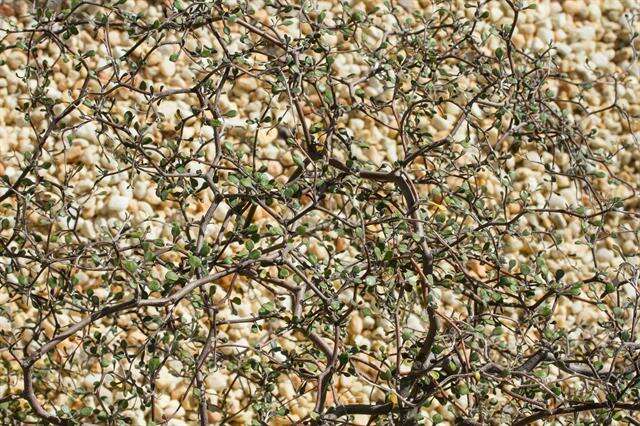
Argophyllaceae
Argophyllaceae is a family of shrubs or small trees belonging to the order Asterales. The family includes c. 24 species in two genera, Argophyllum and Corokia. Members of the family are native to eastern Australia, New Zealand, Lord Howe Island, New Caledonia, and Rapa Iti.

Stylidiaceae
The family Stylidiaceae is a taxon of dicotyledonous flowering plants. It consists of five genera with over 240 species, most of which are endemic to Australia and New Zealand. Members of Stylidiaceae are typically grass-like herbs or small shrubs and can be perennials or annuals. Most species are free standing or self-supporting, though a few can be climbing or scrambling (Stylidium scandens uses leaf tips recurved into hooks to climb).
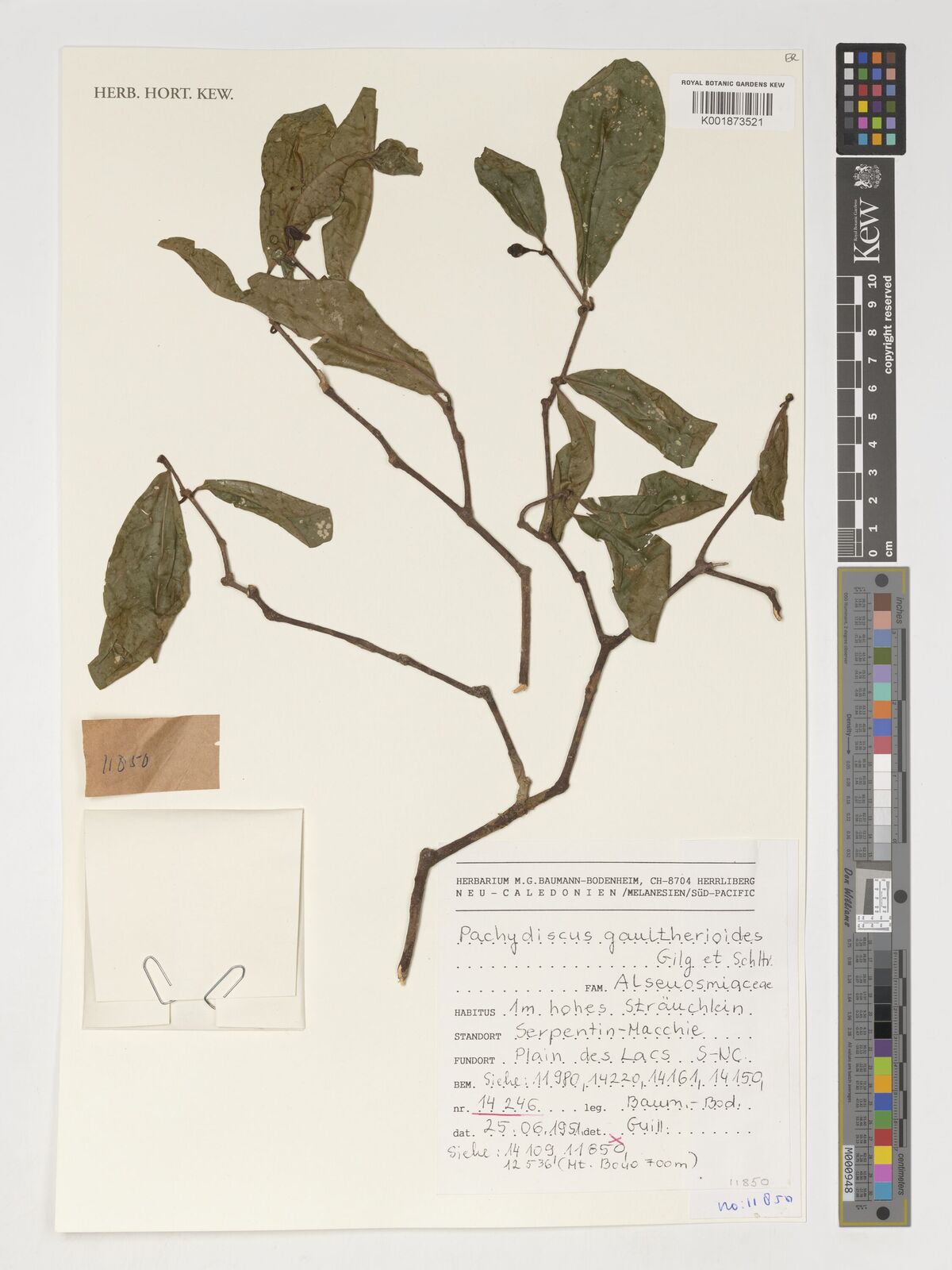
Alseuosmiaceae
Alseuosmiaceae is a plant family of the order Asterales found in Australia, New Caledonia, New Zealand, and New Guinea.
_fullsize.jpg)
Rousseaceae
Rousseaceae is a plant family in the order Asterales containing trees and shrubs. The fruit is a berry or capsule. Leaves are simple, with toothed margins. Leaf stipules are not seen in this group.