Category
page 1Barnacles

Barnacle
Barnacles are arthropods of the subclass Cirripedia in the subphylum Crustacea. They are related to crabs and lobsters, with similar nauplius larvae. Barnacles are exclusively marine invertebrates; many species live in shallow and tidal waters. Some 2,100 species have been described.

Balanidae
The Balanidae is a family of barnacles of the order Balanomorpha. As a result of research published in 2021 by Chan et al., the members of the family Archaeobalanidae were merged with this family.

Balanus
Balanus is a genus of barnacles in the family Balanidae of the subphylum Crustacea.
right|thumb|240px|Fossil shells of Balanus from Pliocene

Pedunculata
order of crustaceans

Rhizocephala
Rhizocephala are derived barnacles that are parasitic castrators. Their hosts are mostly decapod crustaceans, but include Peracarida, mantis shrimps and thoracican barnacles. Their habitats range from the deep ocean to freshwater. Together with their sister groups Thoracica and Acrothoracica, they make up the subclass Cirripedia. Their body plan is uniquely reduced in an extreme adaptation to their parasitic lifestyle, and makes their relationship to other barnacles unrecognisable in the adult form. They also exhibit the most extreme sexual dimorphism of all known animals. The females are para

Sacculina
thumb|Sacculina

Sessilia
Sessilia is an unranked clade of barnacles, comprising the barnacles without stalks, or acorn barnacles. They form a monophyletic group and are probably derived from stalked or goose barnacles. Sessilia is divided into two orders. The Verrucomorpha contain two families, Verrucidae and Neoverrucidae, and the remaining 14 families are in the order Balanomorpha.
Thoracica
Thoracica is an infraclass of crustaceans which contains the most familiar species of barnacles found on rocky coasts, such as Semibalanus balanoides and Chthamalus stellatus. They have six well-developed limbs, and may be either stalked or sessile. The carapace is heavily calcified. The group includes free-living and commensal species.

Balanomorpha
The Balanomorpha are an order of barnacles, containing familiar sessile shelled acorn barnacles of the seashore. The order contains these families:

Lepas
Lepas is a genus of goose barnacles in the family Lepadidae.
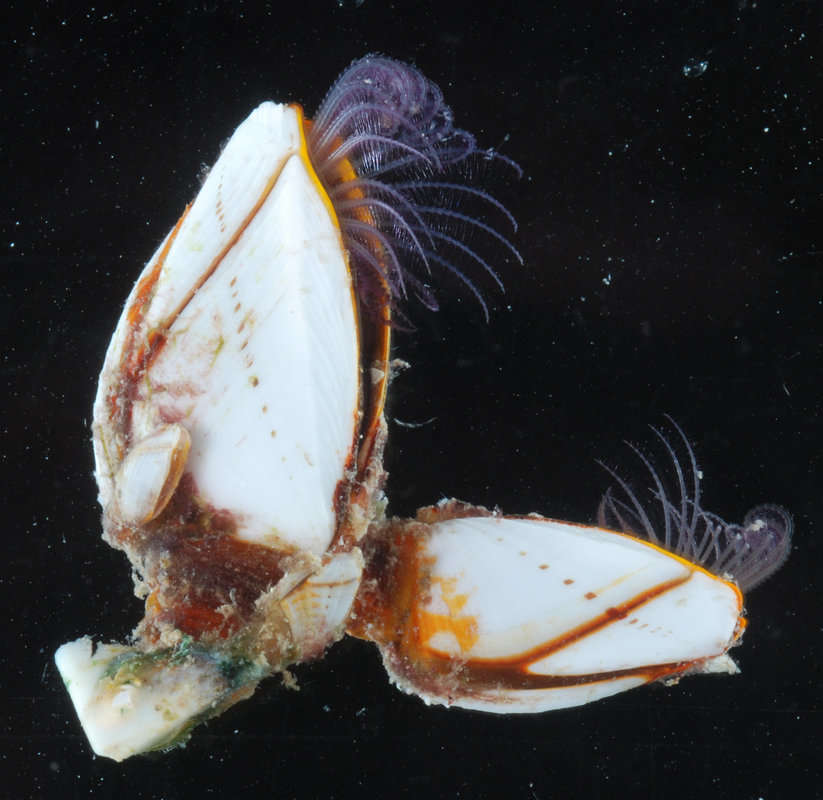
Lepadidae
Lepadidae is a family of goose barnacles, erected by Charles Darwin in 1852. There are about five genera and more than 20 described species in Lepadidae.
Acrothoracica
The Acrothoracica are an infraclass of barnacles.

Amphibalanus amphitrite
species of crustacean
Whale barnacle
family of barnacles
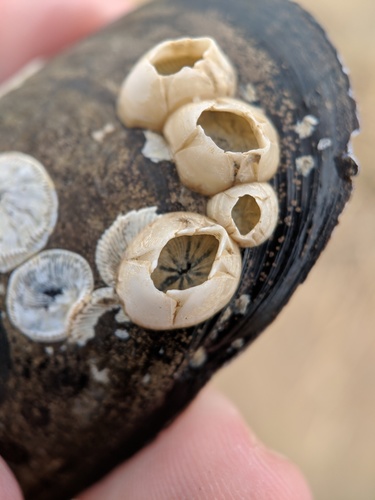
Balanus improvisus
species of crustacean

Pollicipes
Pollicipes is a genus of goose barnacles, first described by William Elford Leach in 1817. It comprises four species of marine suspension-feeders.

Austromegabalanus psittacus
species of crustacean

Coronula diadema
species of epibiont Cirripede
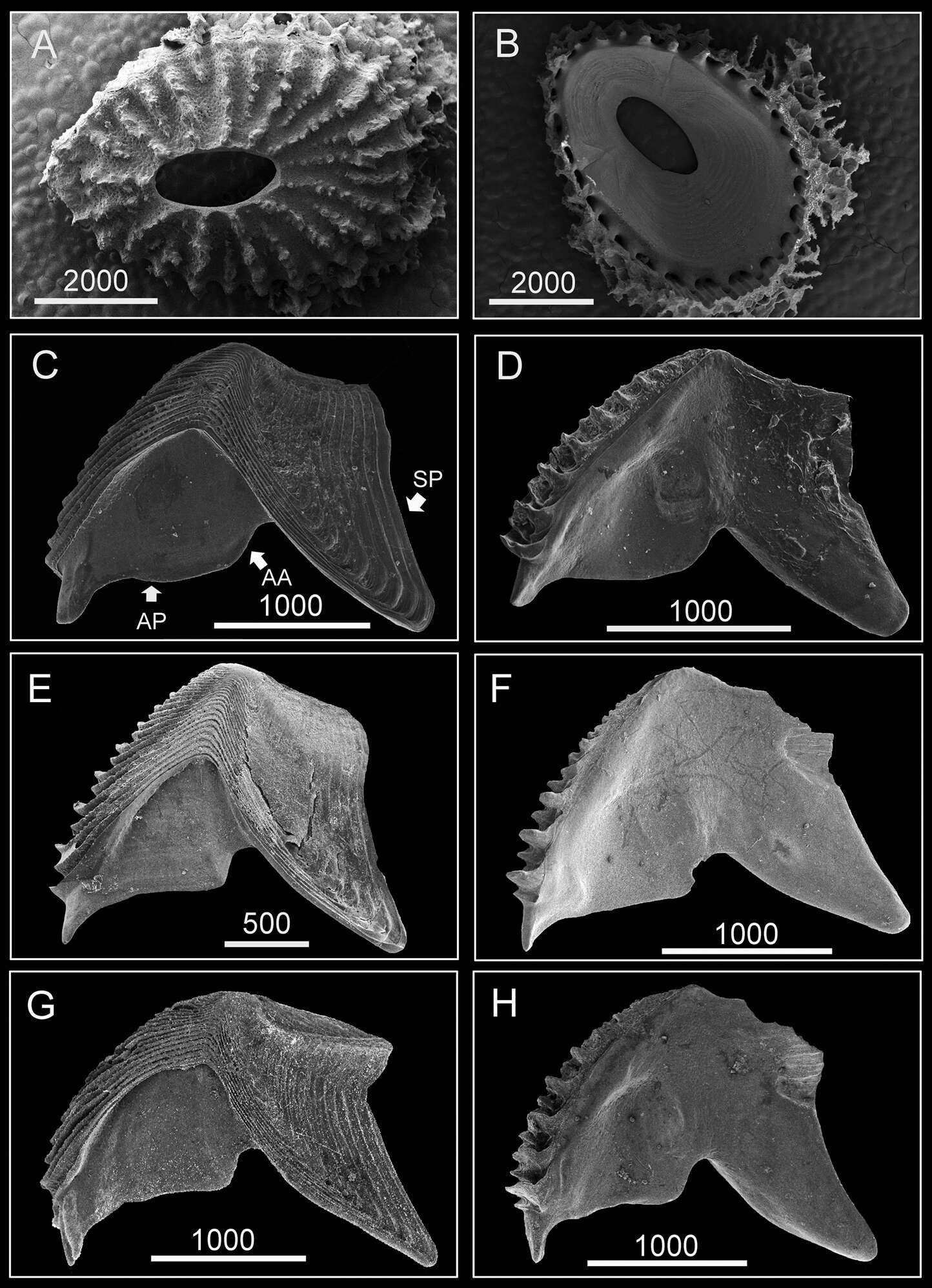
Pyrgomatidae
Pyrgomatidae is a family of barnacles belonging to the order Balanomorpha.
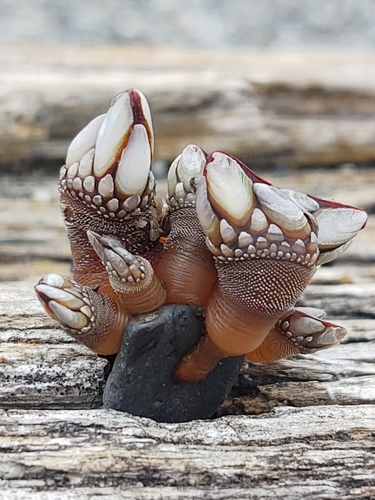
Pollicipes polymerus
species of crustacean
Sacculinidae
The Sacculinidae are a family of barnacles belonging to the parasitic and highly apomorphic infraclass Rhizocephala. The Sacculinidae is one of the two larger families of Rhizocephala, containing six genera:
Drepanorchis Boschma, 1927
Heterosaccus Smith, 1906
Loxothylacus Boschma, 1928
Ptychascus Boschma, 1933
Sacculina Thompson, 1836
Sesarmaxenos Annandale, 1911
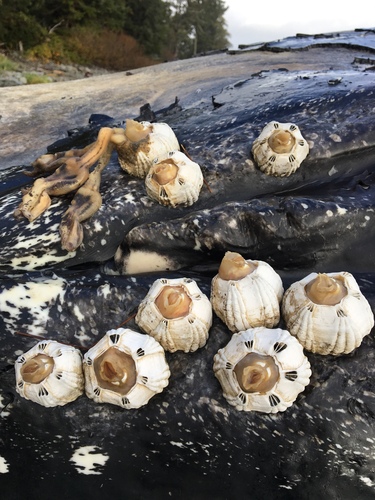
Coronula
Coronula is a genus of whale barnacles, containing the following species (those known only from the fossil record are marked '†'):
Coronula aotea Fleming, 1959 †
Coronula barbara Darwin, 1854 †
Coronula bifida Bronn, 1831 †
Coronula diadema (Linnaeus, 1767)
Coronula dormitor Pilsbry & Olson, 1951 †
Coronula ficarazzensis Gregorio, 1895 †
Coronula macsotayi Weisbord, 1971 †
Coronula reginae Darwin, 1854
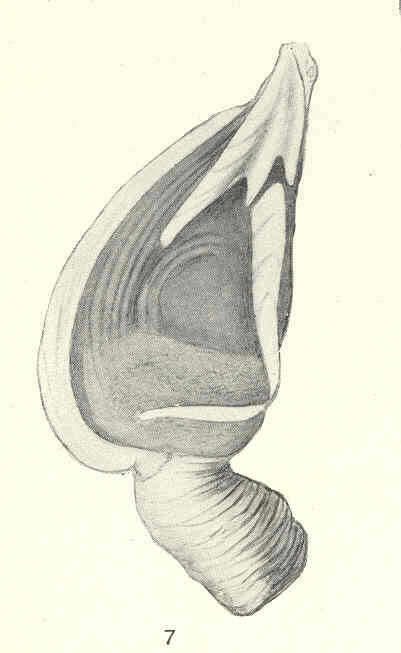
Heteralepadidae
Heteralepadidae is a family of goose barnacles.

Conchoderma auritum
species of crustacean
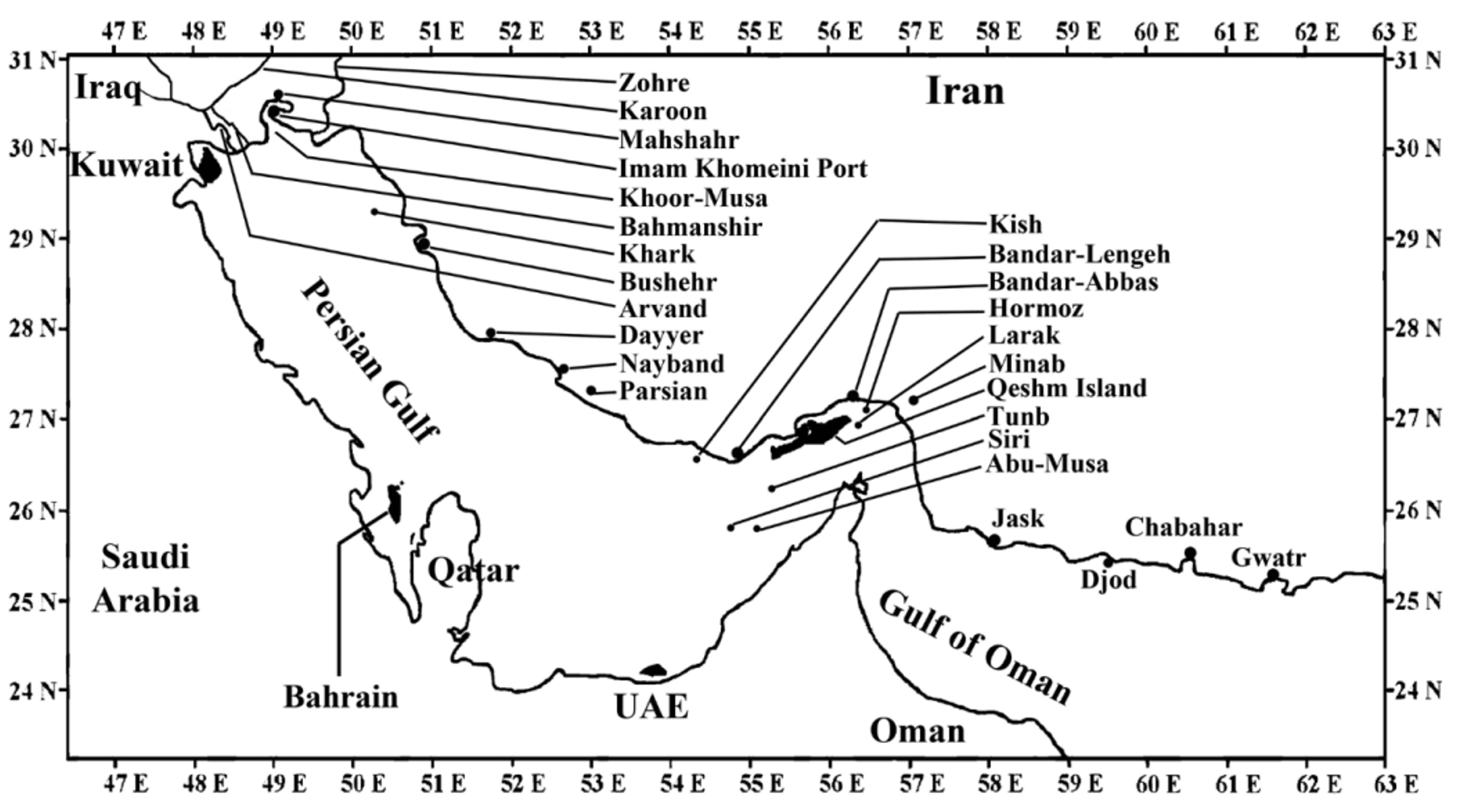
Balanus trigonus
species of crustacean

Scalpellidae
Scalpellidae is a family of acorn barnacles in the order Scalpellomorpha. There are about 25 genera and 220 described species in Scalpellidae.
Chthamalidae
The Chthamalidae are a family of chthamaloid barnacles, living entirely in intertidal/subtidal habitats, characterized by a primary shell wall of eight, six, or four plates, lacking imbricating plate whorls, and either membraneous or more rarely calcareous basis. They are not found below immediate subtidal habitats, and more likely are found in the highest tier of shallow-water barnacle fauna. They can be found in the most rigorous wave-washed locations, and some species are found in the surf zone above high tide mark, only receiving water from wave action at high tide. The family includes at
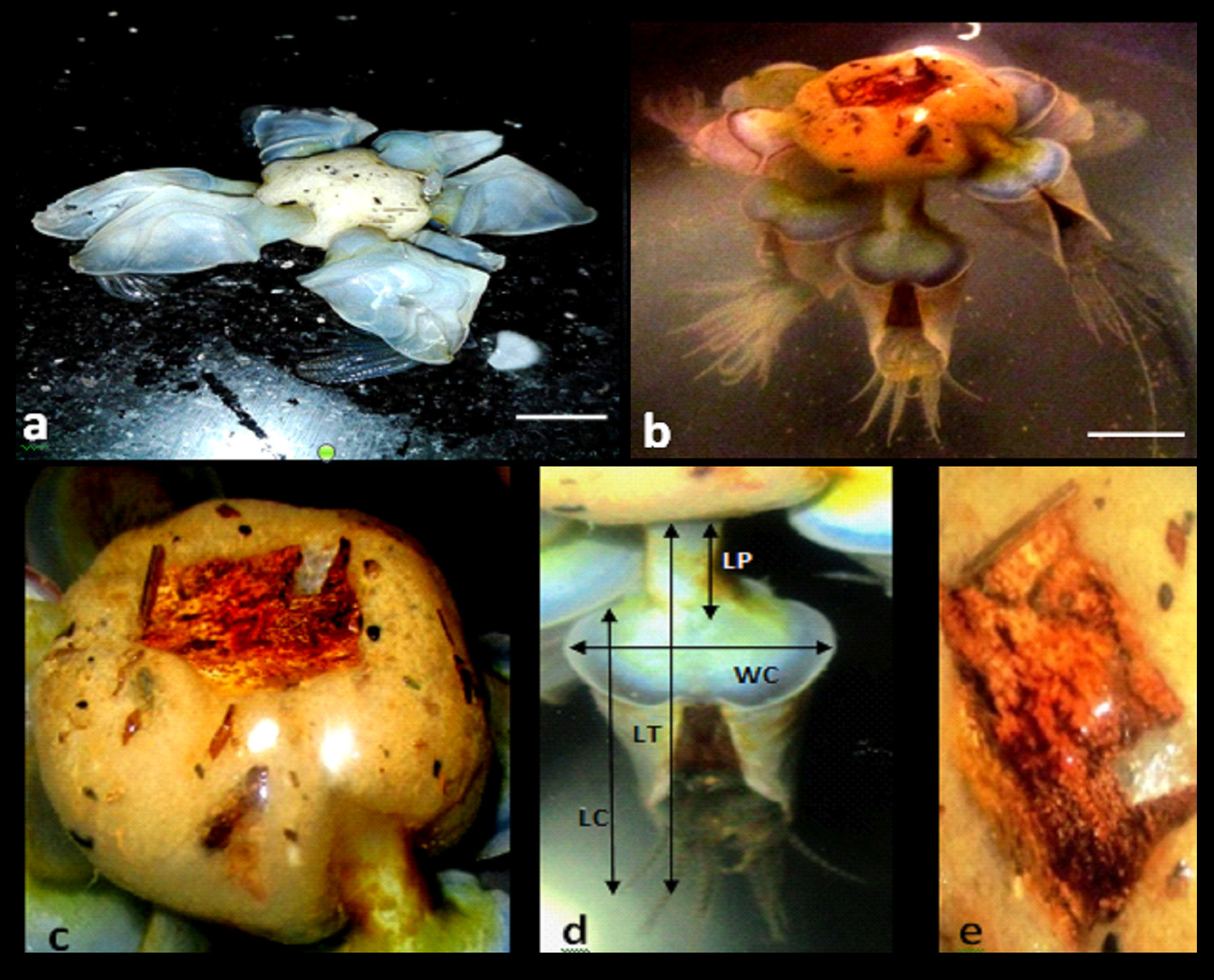
Dosima fascicularis
species of crustacean
Capitulum mitella
species of crustacean

Megabalanus
Megabalanus is a genus of barnacles in the family Balanidae. Members of the genus grow to in length and inhabit the lower intertidal zone.
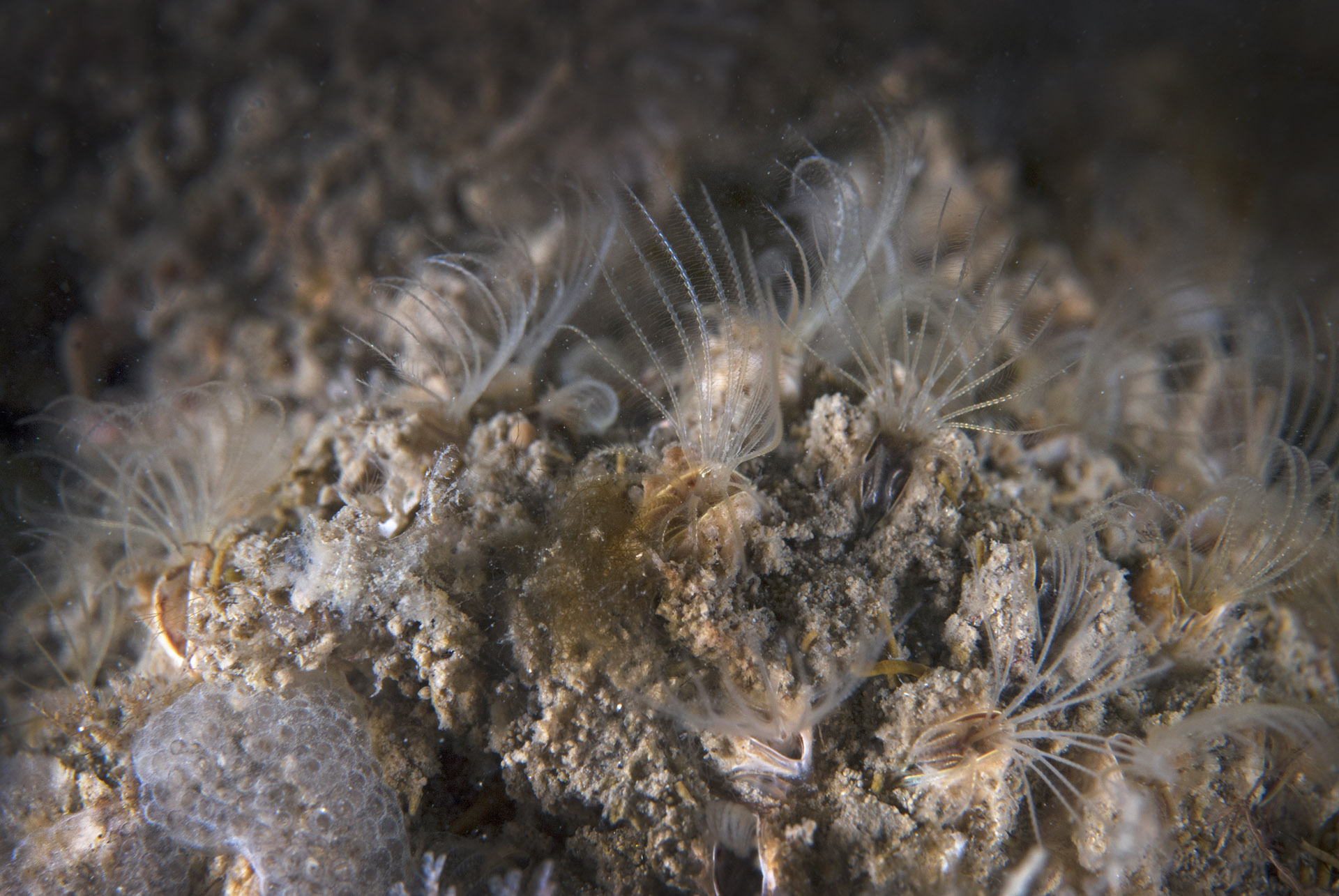
Balanus crenatus
species of crustacean

Poecilasmatidae
Poecilasmatidae is a family of goose barnacles.

Conchoderma
Conchoderma is a genus of goose barnacles in the family Lepadidae.

Verrucidae
Verrucidae is a family of asymmetrical sessile barnacles in the order Verrucomorpha. There are about 14 genera and more than 90 described species in Verrucidae.
Pollicipedidae
Pollicipedidae is a family of goose barnacles.
Calanticidae
Calanticidae is a family of acorn barnacles in the order Calanticomorpha. There are about 12 genera and more than 60 described species in Calanticidae.
Kentrogonida
Kentrogonida was formerly a suborder of barnacles belonging to the group Rhizocephala, now an infraclass. In research published by Chan et al. in 2021, the suborders Kentrogonida and Akentrogonida were removed from the infraclass Rhizocephala, leaving 13 families as children of Rhizocephala without intermediate orders or suborders.

Lepas australis
species of crustacean

Peltogastridae
The Peltogastridae are a family of barnacles belonging to the parasitic and highly apomorphic infraclass Rhizocephala. The Peltogastridae are by far the largest family of Rhizocephala. They comprise 14 genera, 3 of which (Lernaeodiscus, Septodiscus, and Triangulus) were moved from the family Lernaeodiscidae.
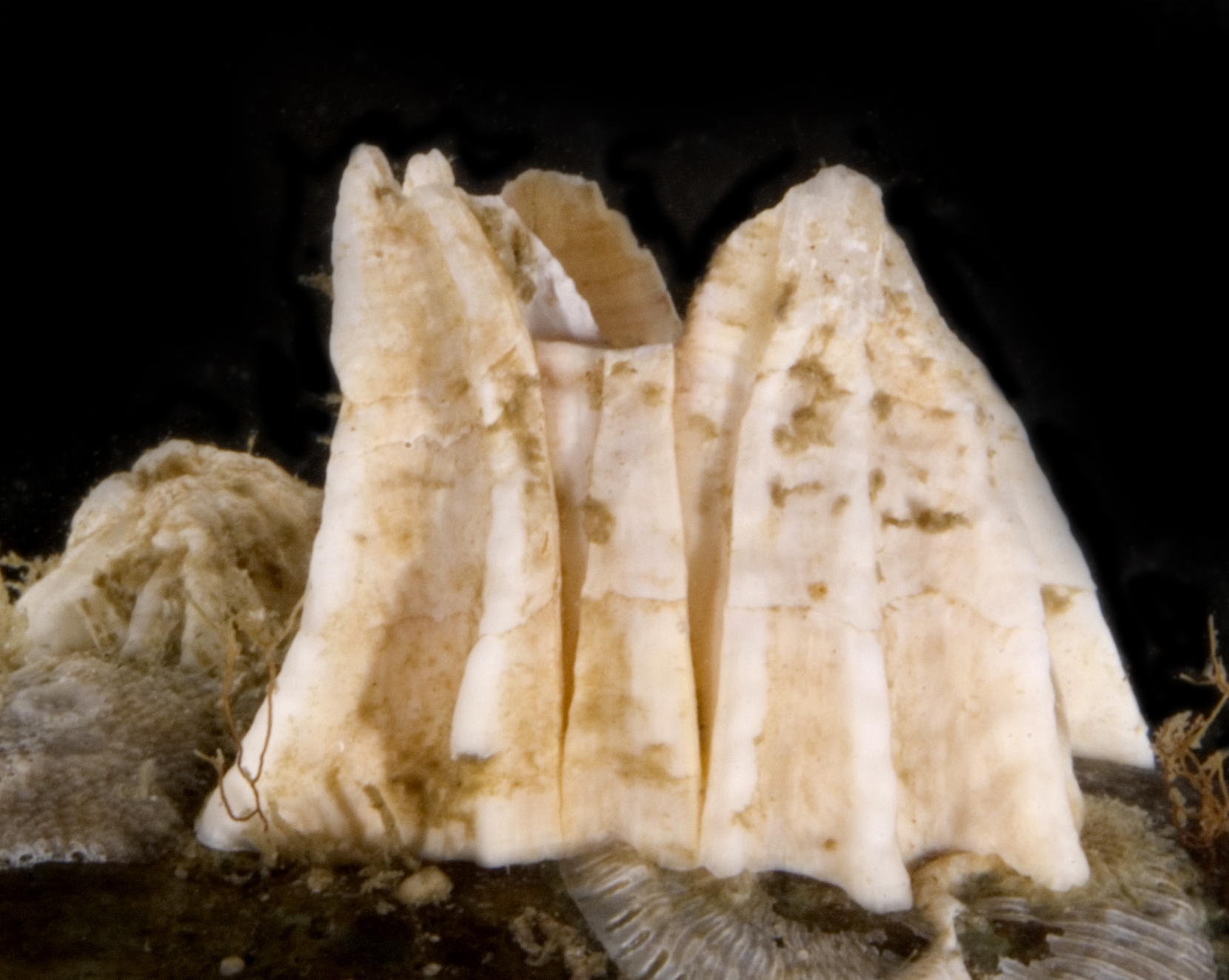
Balanus balanus
species of crustacean

Amphibalanus
Amphibalanus is a genus of barnacle of the family Balanidae that includes species formerly assigned to Balanus. It contains the following species:
Megabalanus coccopoma
species of crustacean
Chthamalophilidae
Chthamalophilidae is a family of barnacles belonging to the infraclass Rhizocephala.
Loxothylacus panopaei
species of crustacean

Heteralepas
Heteralepas is a genus of goose barnacles in the family Heteralepadidae. which was first described in 1907 by Henry Augustus Pilsbry.
Akentrogonida
Akentrogonida was formerly a suborder of barnacles belonging to the group Rhizocephala, now an infraclass. In research published by Chan et al. in 2021, the suborders Akentrogonida and Kentrogonida were removed from the infraclass Rhizocephala, leaving 13 families as children of Rhizocephala without intermediate orders or suborders.
Chthamaloidea
The Chthamaloidea are a subdivision of Balanomorpha proposed by Newman and Ross to include barnacles with shell wall composed of rostrum, carina, and one to three pairs of latera, rarely supplemented with one or more whorls of basal imbricating plates. The rostrolatus enters the sheath, but rarely fuses with the rostrum, as in the three higher superfamilies. Shell plates are simple in construction, solid, and incorporate organic chitin between carbonate layers. Opercular plates are deeply interlocked, and in some genera, may become concrescent with age.
Soft part morphology includes concave la
Coronuloidea
Coronuloidea is a superfamily of barnacles in the order Balanomorpha.
Chelonibiidae
Chelonibiidae is a family of turtle barnacles in the order Balanomorpha. There are at least three genera and about eight described species in Chelonibiidae.

Balanus nubilus
species of Maxillopoda

Platylepas hexastylos
species of crustacean
Chthamalus montagui
species of crustacean
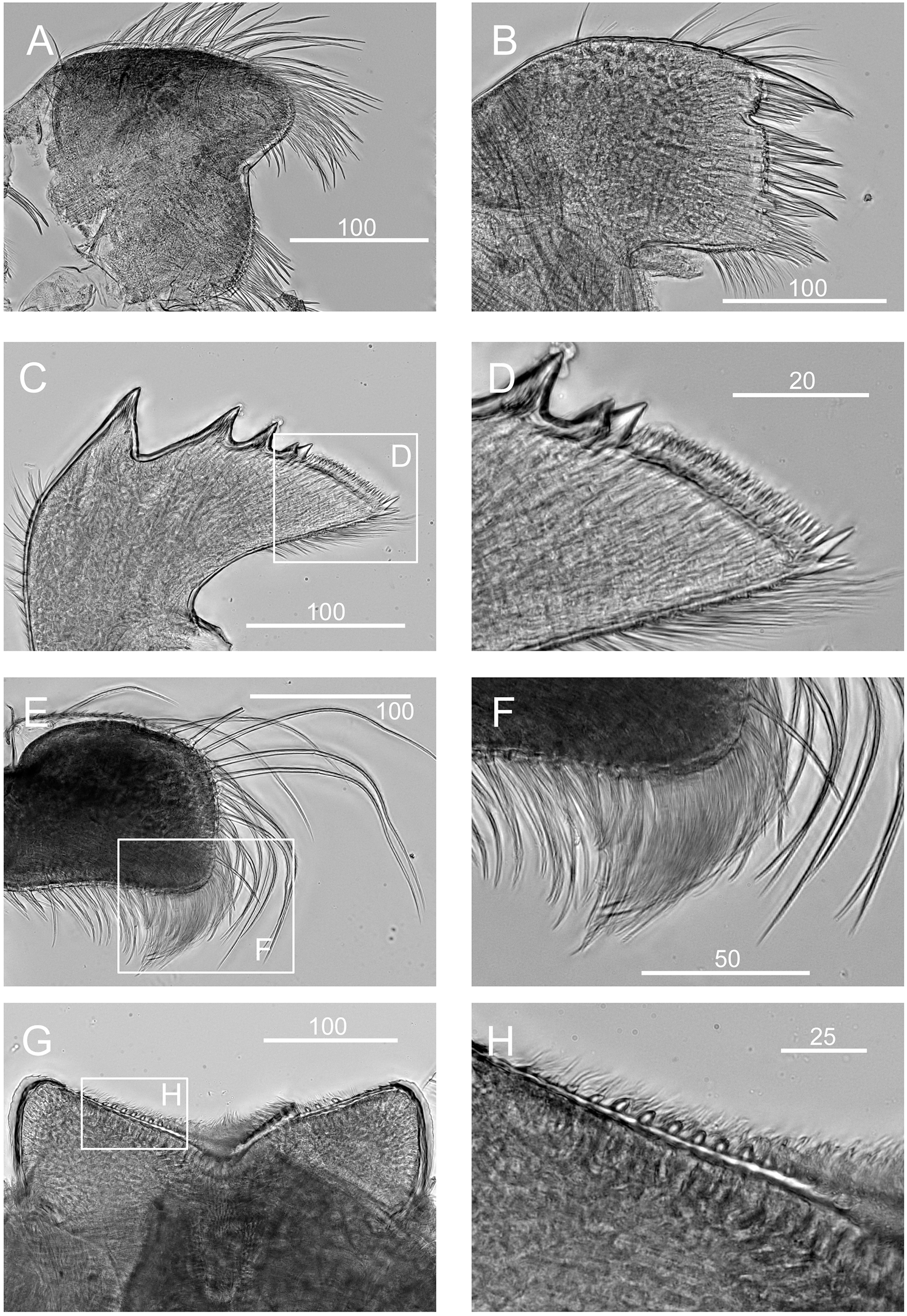
Chthamalus
Chthamalus (χθαμαλός, "flat" or "on the ground") is a genus of barnacles that is found along almost all non-boreal coasts of the Northern Hemisphere, as well as many regions in the Southern Hemisphere. These small barnacles have been studied in part because of the taxonomic confusion over a group of species that, by and large, are morphologically and ecologically quite similar. In recent years, molecular techniques have identified a number of cryptic species that have been subsequently confirmed by taxonomists using morphological measurements. Most recently the genus has been shown to be parap
Clistosaccidae
Clistosaccidae is a family of parasitic barnacles belonging to the highly apomorphic infraclass Rhizocephala, which is part of the barnacle subclass Cirripedia.
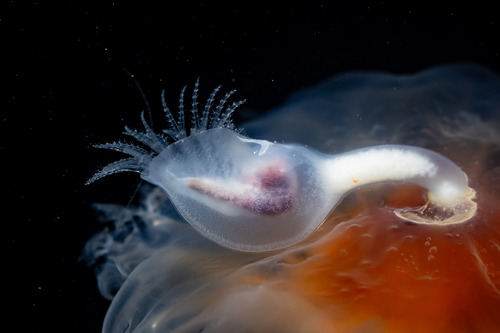
Alepas
Alepas is a genus of goose barnacles in the family Heteralepadidae.
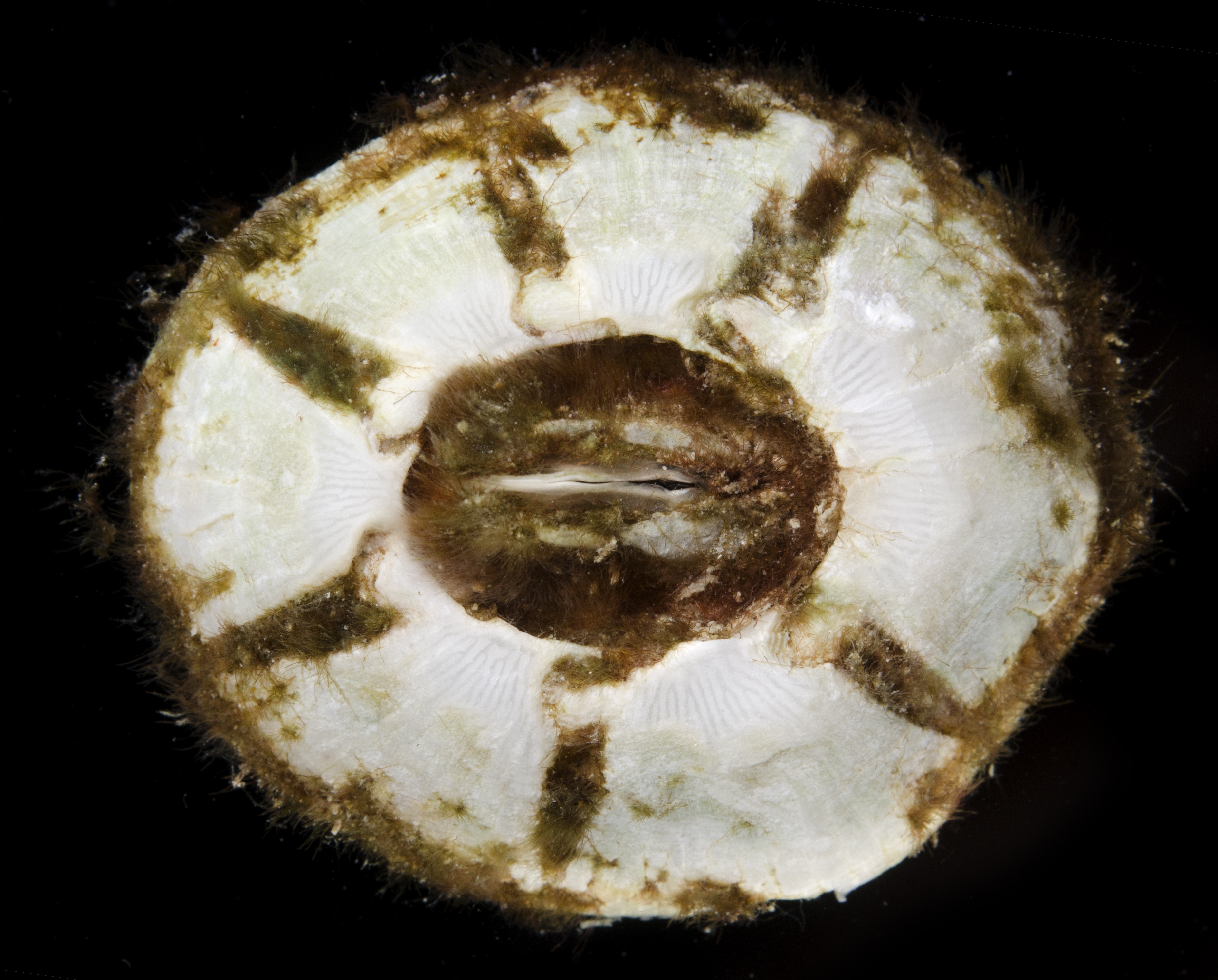
Chelonibia
Chelonibia is a genus of acorn barnacles in the family Chelonibiidae of the subphylum Crustacea.
Its members are epizootic and live attached to manatees, turtles, marine molluscs, crabs and horseshoe crabs in all tropical and subtropical oceans. In a few instances, they have been found on sea snakes, alligators and inanimate substrates, but they are not found in the typical habitats of barnacles – on rocks, docks or boats.
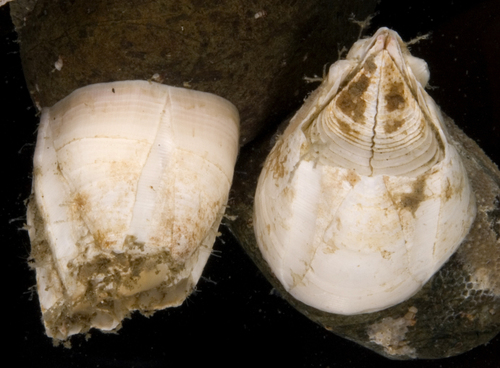
Balanus rostratus
species of crustacean

Paraconcavus pacificus
species of crustacean
Mycetomorpha
Mycetomorpha is a genus of crustaceans belonging to the monotypic family Mycetomorphidae. The naupliar larval stage is absent.
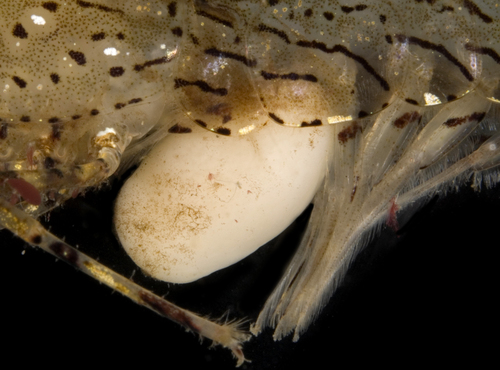
Sylon hippolytes
species of crustacean