Category
page 1Bat genera

Pteropus
thumb|Grey-headed flying fox
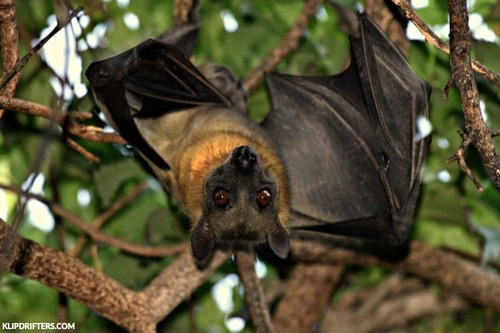
Pteropus (suborder Yinpterochiroptera) is a genus of megabats which are among the largest bats in the world. They are commonly known as fruit bats or flying foxes, among other colloquial names.
They live in South Asia, Southeast Asia, Australia, East Africa, and some oceanic islands in the Indian and Pacific Oceans.
There are at least 60 extant species in the genus.
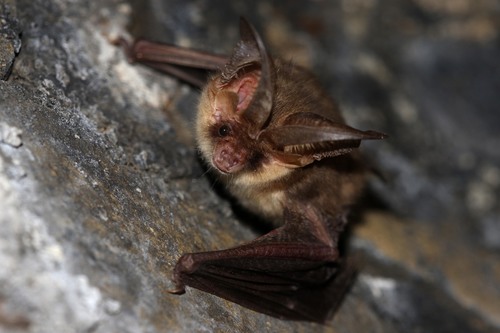
Plecotus
Plecotus is a genus of vesper bat, commonly called long-eared bats. They are found throughout Eurasia and northern Africa. Many species in the genus have only been described and recognized in recent years.
Pipistrellus
Pipistrellus is a genus of bats in the family Vespertilionidae and subfamily Vespertilioninae. The name of the genus is derived from the Italian word , meaning "bat" (from Latin "bird of evening, bat").

Nyctalus
Nyctalus is a genus of vespertilionid bats commonly known as the noctule bats. They are distributed in the temperate and subtropical areas of Europe, Asia and North Africa.

Miniopterus
Miniopterus, known as the bent-winged or long winged bats, is the sole genus of the family Miniopteridae. They are small flying insectivorous mammals, micro-bats of the order Chiroptera, with wings over twice the length of the body. The genus had been placed in its own subfamily among the vespertilionid bats, as Miniopterinae, but is now classified as its own family.
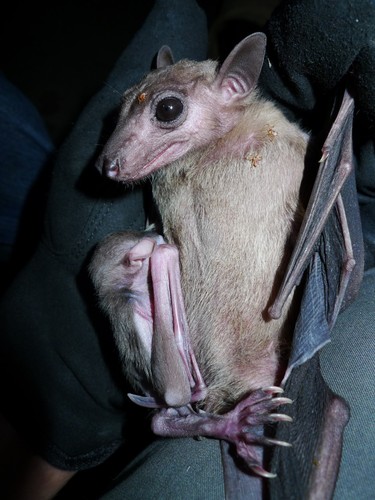
Rousettus
Rousettus is a genus of Old World fruit bats or megabats, referred to as rousette bats. The genus is a member of the family Pteropodidae. The genus consists of seven species that range over most of Africa to southeast Asia, and the islands of the south Pacific. They are among the few megabats capable of echolocation, and the only genus of megabats known to use vocal echolocation.
Vespertilio
Vespertilio is a genus of bats in the family Vespertilionidae. The common name for this family is vesper bats, which is a better-known classification than Vespertilio. They are also known as frosted bats.
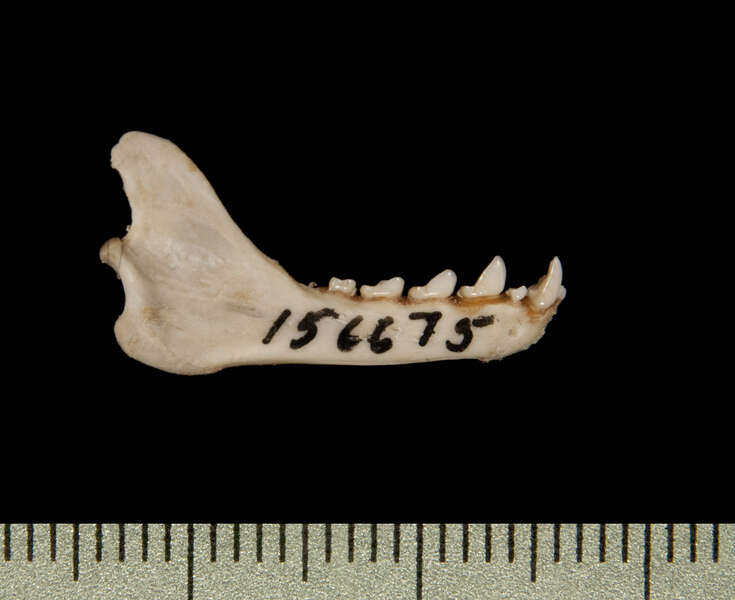
Cynopterus
Cynopterus (Latin meaning: ״flying dog״) is a genus of megabats. The cynopterine section is represented by 11 genera, five of which occur in Malaysia, namely, Chironax, Balionycteris, Penthetor, Dyacopterus, and Cynopterus. About 30 names for Cynopterus species have been proposed, but only 16 are taxonomically valid forms.
Eptesicus
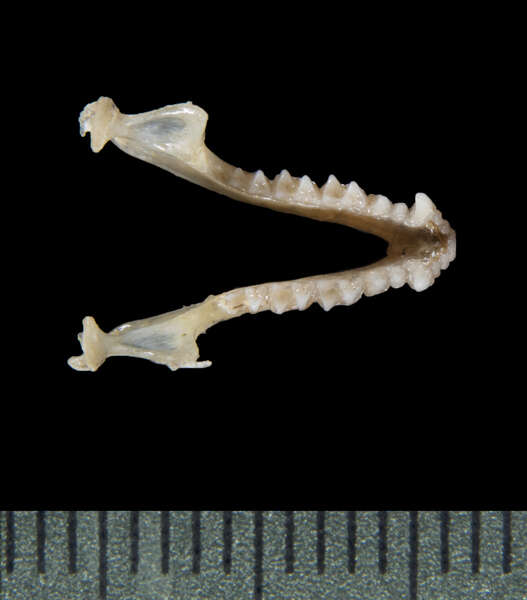
Eptesicus is a genus of bats, commonly called house bats or serotine bats, in the family Vespertilionidae. The genus name is likely derived from the Greek words ptetikos 'able to fly' or petomai 'house flier', although this is not certain.
Barbastella
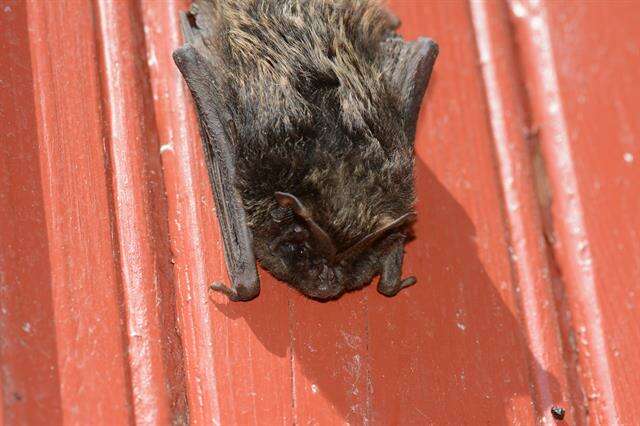
Barbastella is a genus of vespertilionid bats. There are seven extant species in this genus and one only known from fossil remains. It literally means "starbeard", and comes from the Latin words , 'beard', and , 'star', referring to the clusters of stiff hairs that some bats of this genus have around their nostrils, which may resemble a beard or, perhaps, the arrangement of the rays of a star. Furthermore, the Italian term is common for bats in northeastern Italy, especially in Ferrara and Bologna; this regional use of Italian could have influenced or been related to the choice of the scientif

Tadarida
The genus Tadarida has nine or more species of free-tailed bats divided into two subgenera, with the first of these containing seven species spread across the Old World (including southern Europe and North Africa, large parts of southern Asia, and India right across to Japan). Four species occur exclusively in Africa including Madagascar while two more species occur in central Papua New Guinea, and western and southern Australia, respectively.

Lasiurus
Lasiurus is a genus of bats in the family Vespertilionidae. Its members are known as hairy-tailed bats or red bats.
Nyctimene
genus of bats
Acerodon
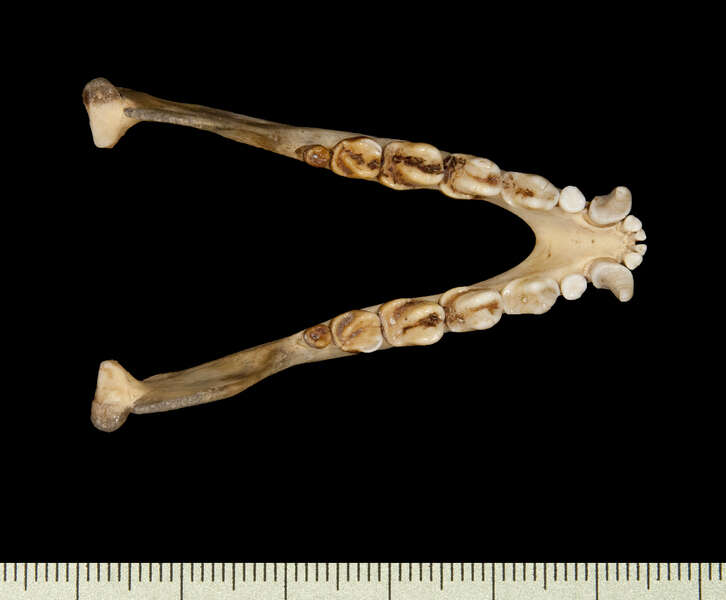
Acerodon (meaning: sharp-tooth) is a genus of bats in the family Pteropodidae containing five species, all native to forests in Southeast Asia, and all considered threatened. They are closely related to Pteropus. These bats are considered herbivores (frugivore) and feed on leaves and fruits. They can usually be found in a tropical forest or in a swamp-like wetland.
neotropical fruit bats
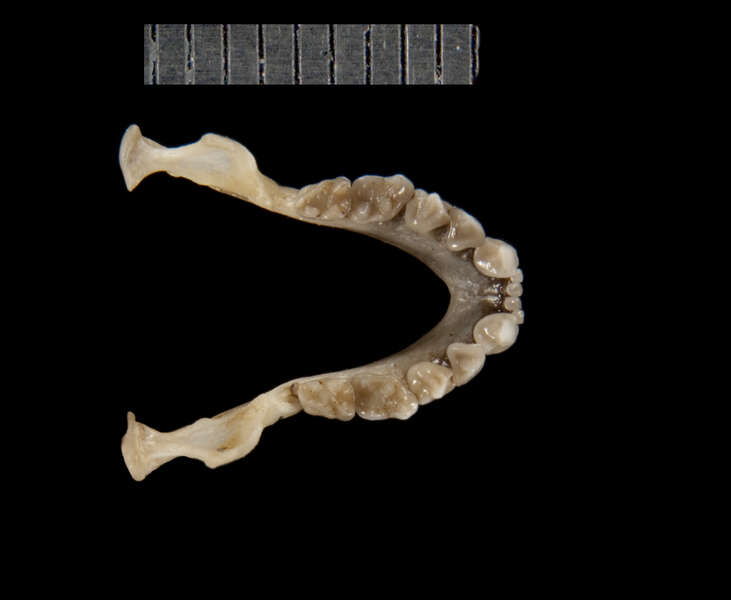
The Neotropical fruit bats (Artibeus) are a genus of bats within the subfamily Stenodermatinae. The genus consists of 12 species, which are native to Central and South America, as well as the Caribbean.
Kerivoula
Kerivoula is a genus of vesper bats in the subfamily Kerivoulinae. They are found throughout tropical and subtropical regions of Africa, Asia, and New Guinea.

Carollia
Carollia is a genus of bats often referred to as the short-tailed fruit bats. Along with the genus Rhinophylla, Carollia makes up the subfamily Carolliinae of family Phyllostomidae, the leaf-nosed bats. Currently, nine species of Carollia are recognized, with a number having been described since 2002. Members of this genus are found throughout tropical regions of Central and South America but do not occur on Caribbean islands other than Trinidad and Tobago. Bats of the genus Carollia often are among the most abundant mammals in neotropical ecosystems and play important roles as seed dispersers
Murina
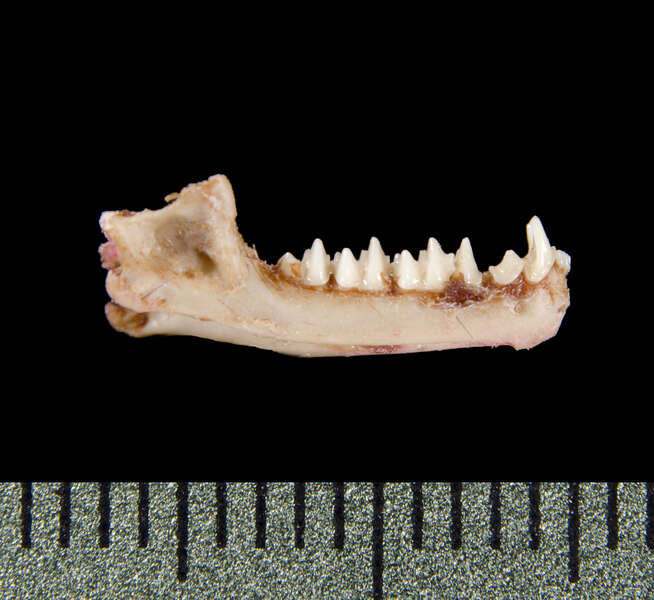
Murina is a genus of vesper bats. They are found throughout temperate and tropical regions of Asia.
Lonchorhina
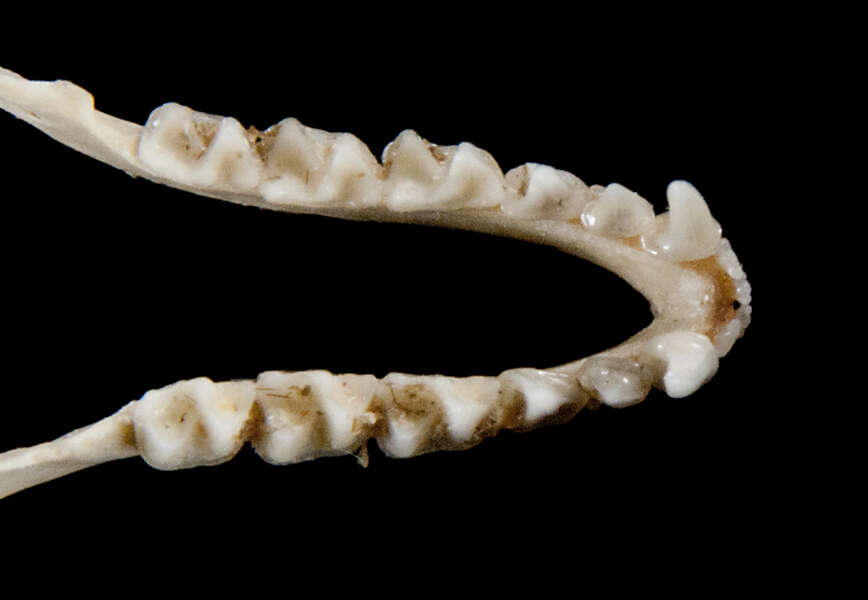
Lonchorhina is a genus of Central and South American bats in the family Phyllostomidae.
Otomops
Otomops is a genus of bat in the family Molossidae. Molecular sequence data supports it as a monophyletic taxon, although not a number of other molossid genera.
Rhinolophus
Redirect Horseshoe bat
Thyroptera
Disk-winged bats are a small group of bats of the family Thyropteridae and genus Thyroptera. They are found in Central and South America, usually in moist tropical rain forests. It is a very small family, consisting of a single genus with five extant and one fossil species.
Hypsugo
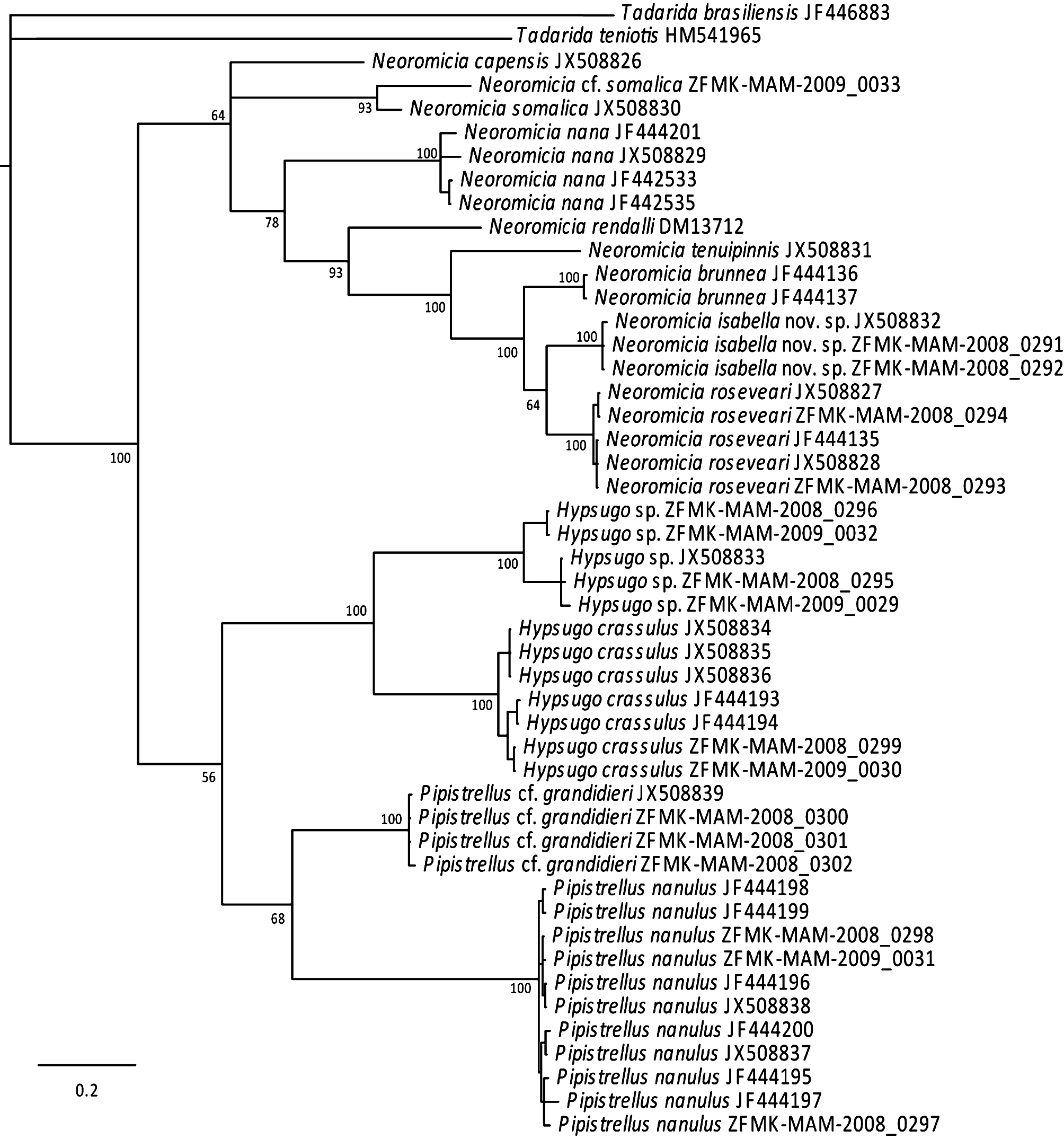
The genus Hypsugo contains many bats referred to as pipistrelles or pipistrelle bats (not to be confused with the genus Pipistrellus). They belong to the family Vespertilionidae or vesper bats. They are primarily found throughout Asia, the Middle East, Mediterranean Europe, and North Africa (including the Canary Islands), with a single (debated) species in Sub-Saharan Africa.
Molossus
genus of mammals
%202.jpg)
Scotophilus
Scotophilus is a genus of vespertilionid bats commonly called yellow bats. They are found in southern Asia and Africa. They are the only members of the tribe Scotophilini.
Eidolon
genus of megabats
Phyllostomus
Phyllostomus is a genus of leaf-nosed bat. It contains four described species.

Anoura
Anoura is a genus of leaf-nosed bats from Central and South America. Anoura members lack or have a short tail, and are nectarivorous bats of small to medium size among the Phyllostomidae.
Hipposideros
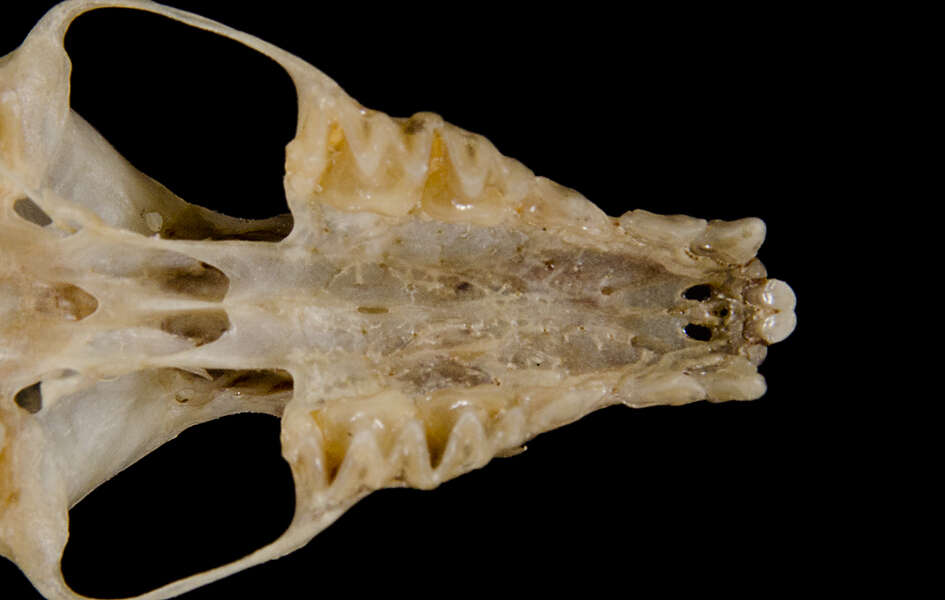
Hipposideros is one of the most diverse genera of bats, with more than 70 species. They are collectively called roundleaf bats after the shape of their nasal ornament. It is the type genus of the family Hipposideridae. It is divided into species groups based on morphology.
Macrotus
Macrotus is a genus of bats in the Neotropical family Phyllostomidae. It is the only member of the subfamily Macrotinae. This genus contains two species, Macrotus californicus commonly known as California leaf-nosed bat and Macrotus waterhousii commonly known as Mexican or Waterhouse's leaf-nosed bat. The range of this family includes the warmer parts of the southwestern United States, Mexico, Central and South America, and the Bahama Islands. Characteristic for the genus are large ears and the name giving triangular skin flap above the nose, the "leaf". The California Leaf-nosed Bat inhabits
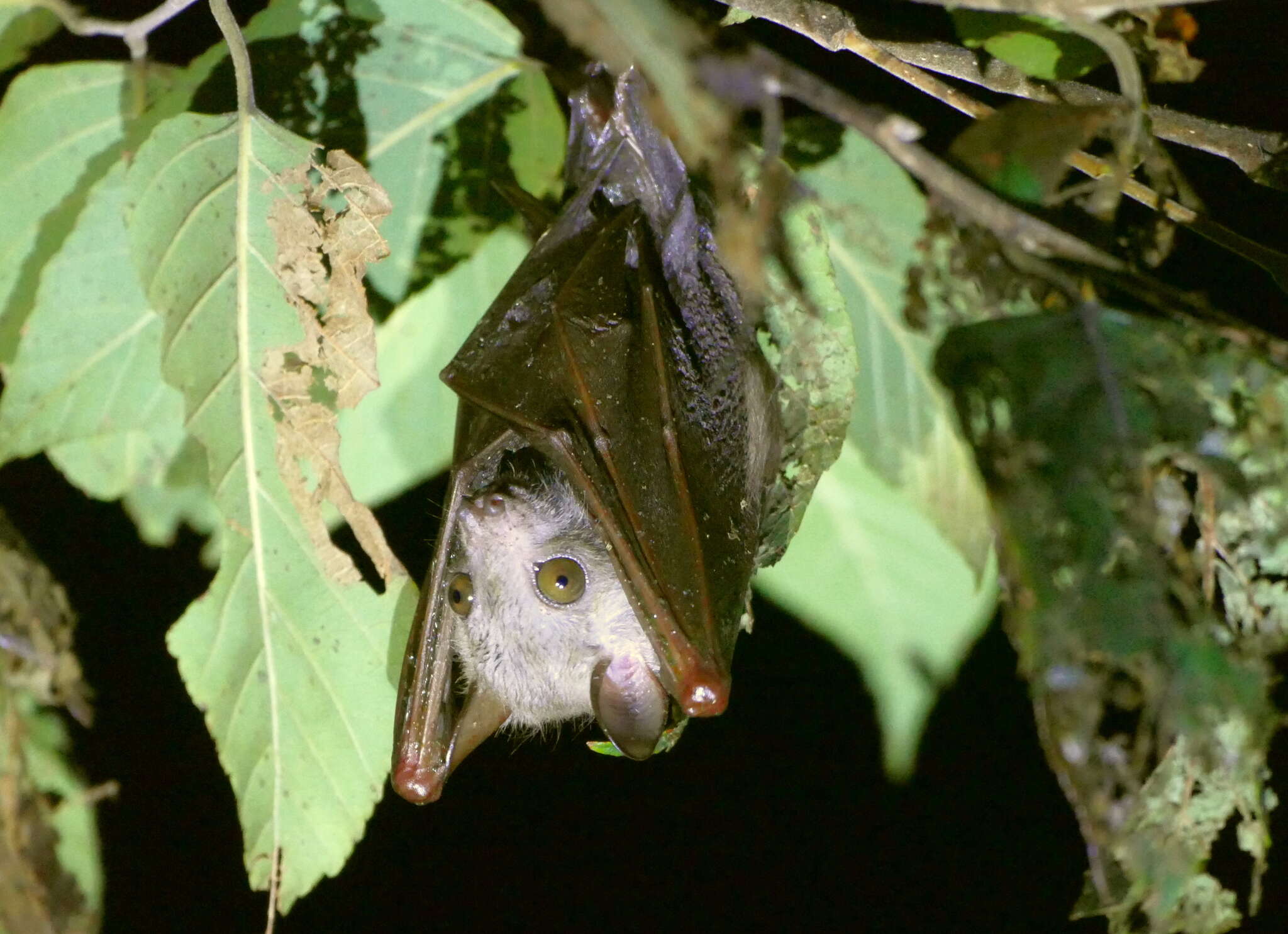
Megaerops
Megaerops is a genus of megabat.
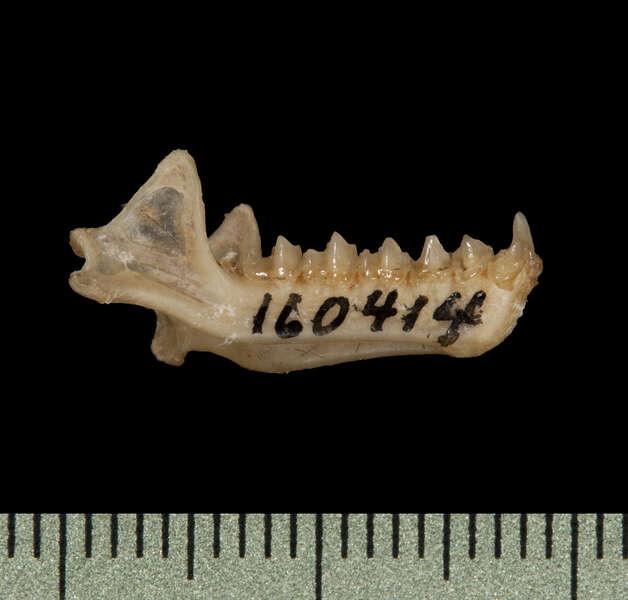
Megaderma
Megaderma is a genus of bat in the family Megadermatidae. It contains two living species:
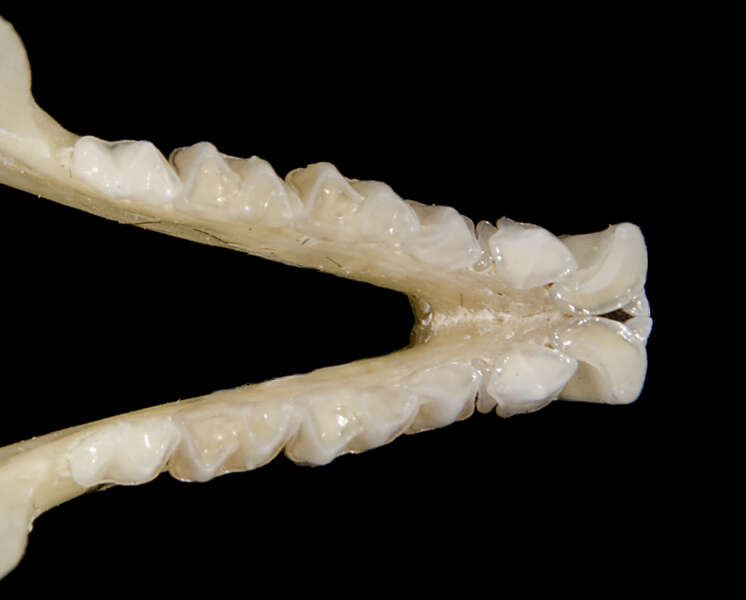
Tonatia
Tonatia is a small genus of South and Central American phyllostomid bats.
Micronycteris
Micronycteris is a genus of leaf-nosed bats.

Nyctophilus
Nyctophilus is a genus of the vespertilionids or vesper bats. They are often termed Australian big-eared bats or long-eared bats, as the length of their ears often greatly exceeds that of the head. They are sometimes colloquially called “Monbats”.:This genus occurs in the New Guinean-Australian region.
Glossophaga
Glossophaga (long-tongued bat) is a genus of bats in the leaf-nosed bat family, Phyllostomidae. Members of the genus are native to the American Neotropics.

Dobsonia
Dobsonia is a genus of megabat in the family Pteropodidae. It contains the following 14 species:
Andersen's naked-backed fruit bat, Dobsonia anderseni
Beaufort's naked-backed fruit bat, Dobsonia beauforti
Philippine bare-backed fruit bat, Dobsonia chapmani
Halmahera naked-backed fruit bat, Dobsonia crenulata
Biak naked-backed fruit bat, Dobsonia emersa
Sulawesi naked-backed fruit bat, Dobsonia exoleta
Solomon's naked-backed fruit bat, Dobsonia inermis
New Guinea naked-backed fruit bat, Dobsonia magna
Lesser naked-backed fruit bat, Dobsonia minor
Moluccan naked-backed fruit bat, Dobso
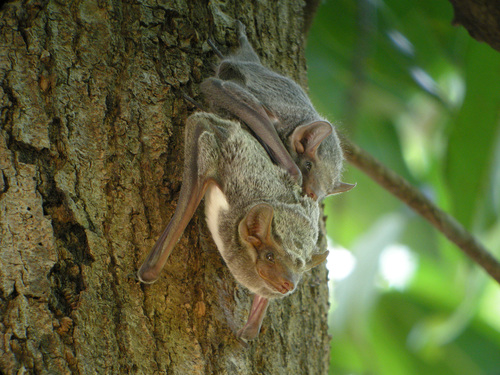
Taphozous
Taphozous is a genus of the family Emballonuridae. The wide distribution of the genus includes several regions of Australia, Indonesia, Papua New Guinea and Africa. Taphozous comes from the Greek τάφος, meaning "a tomb". The common names for species include variants on sac-winged, sheathtail, or tomb bats.
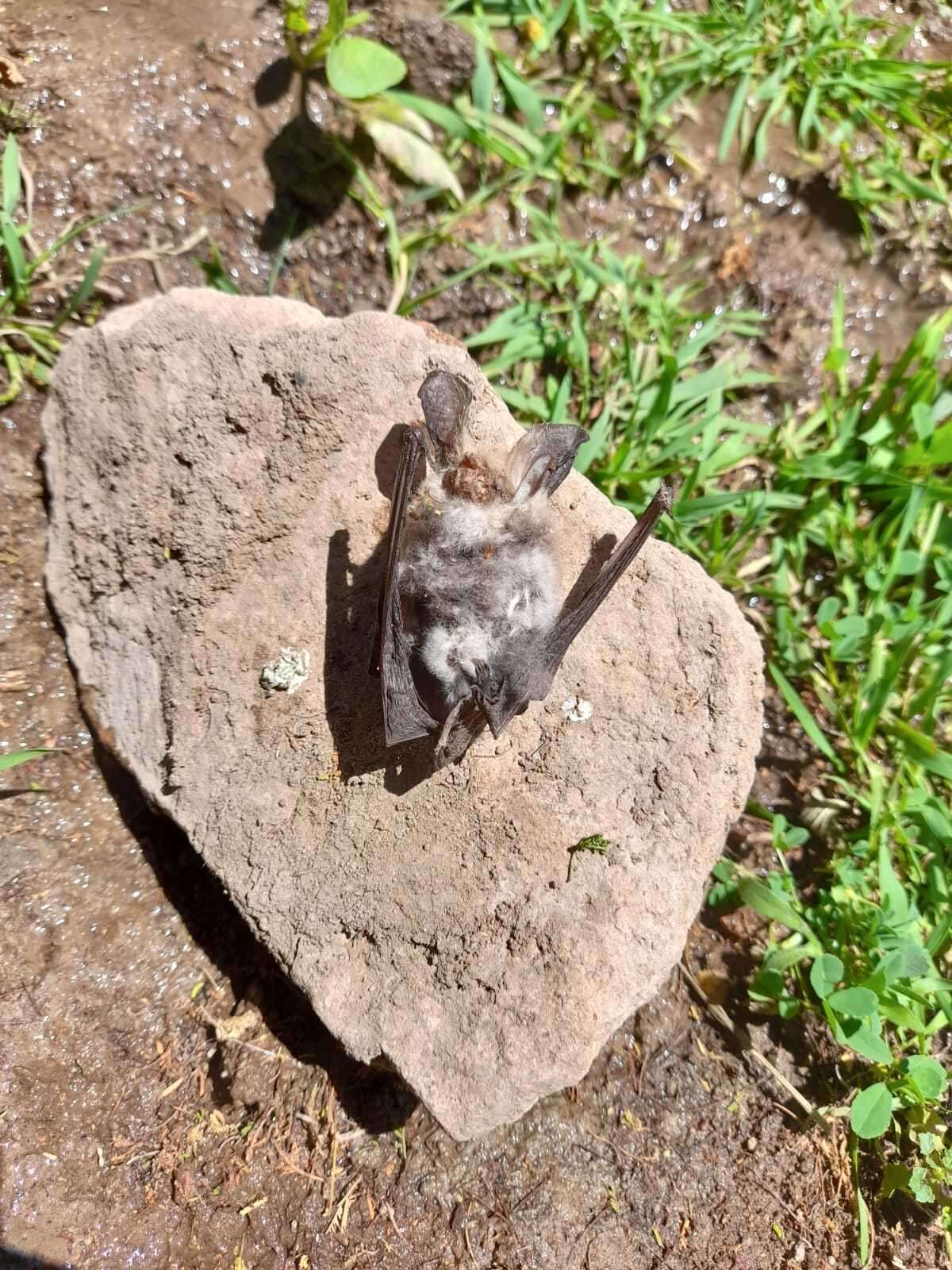
Histiotus
Histiotus (meaning "sail ears") is a genus of South American vesper bats with species that include:
Brachyphylla
Brachyphylla (Caribbean fruit-eating bat) is a genus of leaf-nosed bats in the family Phyllostomidae. Both species live on islands near or in the Caribbean. The genus contains the following species:
Cuban fruit-eating bat (B. nana)
Antillean fruit-eating bat (B. cavernarum)
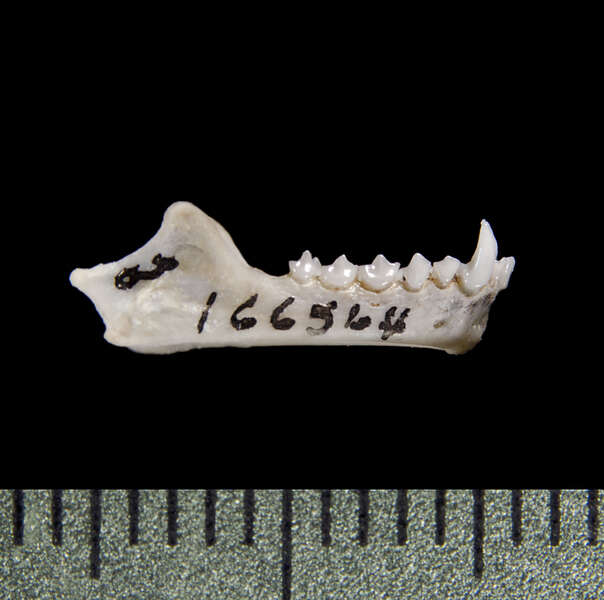
Rhinophylla
Rhinophylla is a genus of South American bats in the family Phyllostomidae containing these species:
Hairy little fruit bat, R. alethina
Fischer's little fruit bat, R. fischerae
Dwarf little fruit bat, R. pumilio
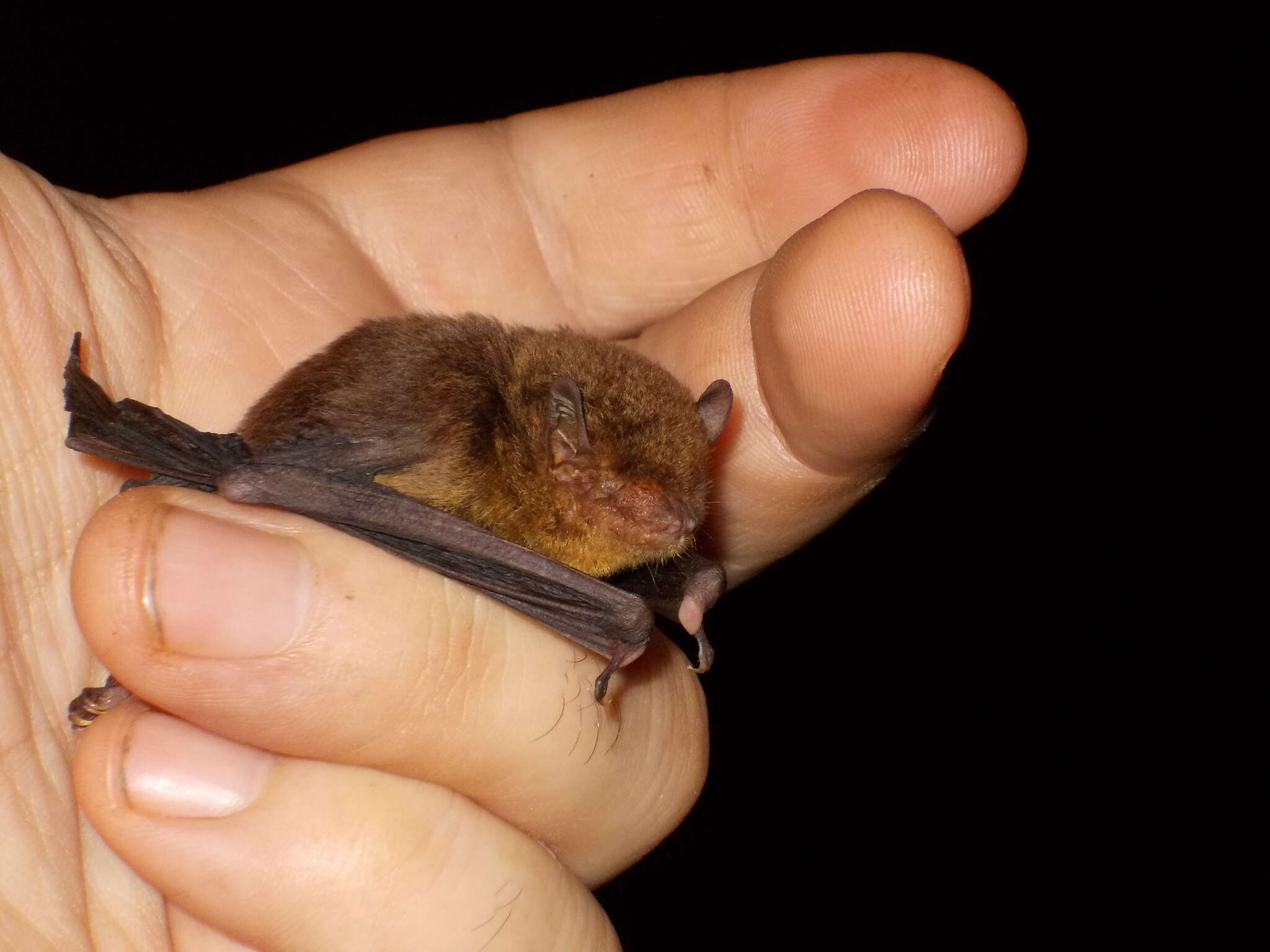
Glischropus
Glischropus is a genus of bats within the vesper bat family, Vespertilionidae. Species within this genus are:
Glischropus aquilus (Görföl, Wiantoro, Kingston, Bates & Huang, 2015) — dark thick-thumbed bat
Glischropus bucephalus.
Glischropus javanus Chasen, 1939 — Javan thick-thumbed bat
Glischropus tylopus (Dobson, 1875) — common thick-thumbed bat
G. t. tylopus
G. t. batjanus
Sturnira
Sturnira known as a yellow-shouldered bat or American epauleted bat, is a genus of bat in the family Phyllostomidae. The genus name comes from the Latin for "starling" and refers to , which took part in an 1836 voyage to Brazil during which the type specimen was collected. It contains the following species:
Angel's yellow-shouldered bat, Sturnira angeli
Aratathomas's yellow-shouldered bat, Sturnira aratathomasi
Baker's yellow-shouldered bat, Sturnira bakeri
Bidentate yellow-shouldered bat, Sturnira bidens
Bogotá yellow-shouldered bat, Sturnira bogotensis
Burton's yellow-shouldered bat, S
Macroglossus
Macroglossus (nectar bat) is a genus of megabats (family Pteropodidae) found in Indonesia and Southeast Asia. It has two species:
Lonchophylla
Lonchophylla is a genus of bats in the family Phyllostomidae.
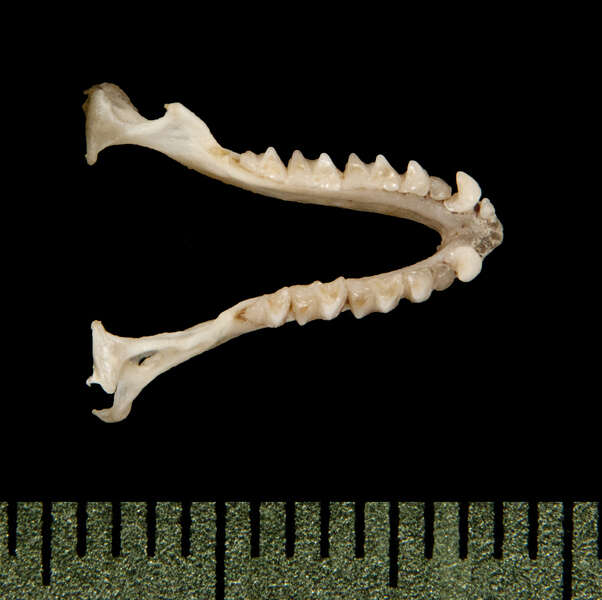
Asellia
Asellia is a genus of bat in the family Hipposideridae. It contains the following species:
Arabian trident bat (Asellia arabica)
Somalian trident bat (Asellia italosomalica)
Patrizi's trident leaf-nosed bat (Asellia patrizii)
Trident bat (Asellia tridens)
Platyrrhinus
Platyrrhinus is a genus of leaf-nosed bats in the tribe Stenodermatini of family Phyllostomidae. Twenty-one species are known:
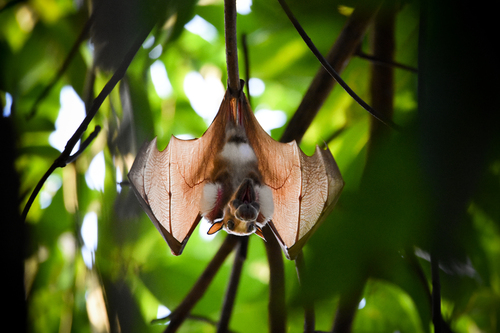
Epomophorus
Epomophorus (epauletted bat) is a genus of bat in the family Pteropodidae. They have a distribution throughout Africa.
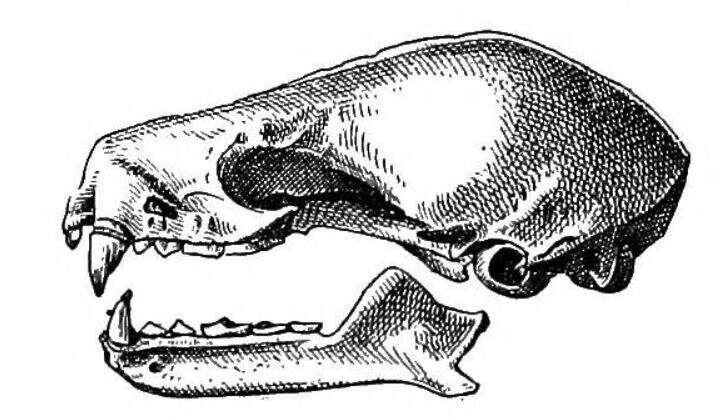
Phyllonycteris
Phyllonycteris is a genus of bat in the family Phyllostomidae.
It contains the following species:
Jamaican flower bat (Phyllonycteris aphylla)
† Puerto Rican flower bat (Phyllonycteris major)
Cuban flower bat (Phyllonycteris poeyi)
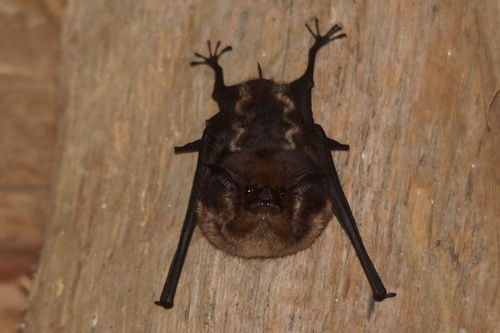
Saccopteryx
Saccopteryx is a genus of sac-winged bats from Central and South America. The species within this genus are:
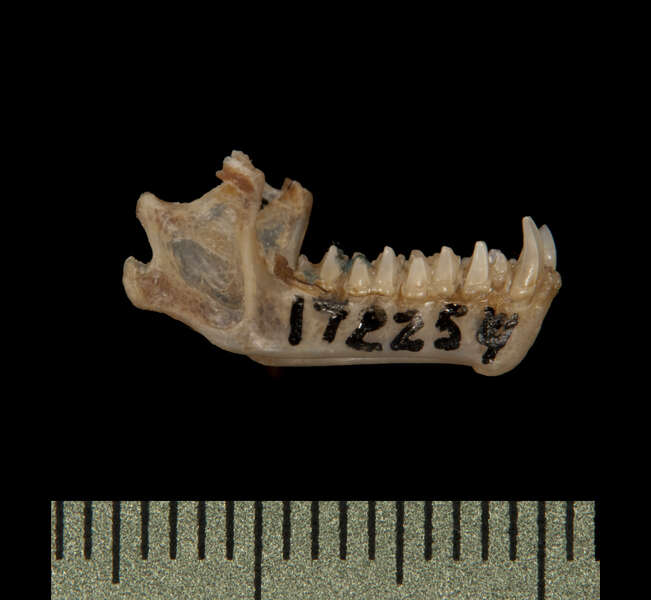
Hesperoptenus
Hesperoptenus is a genus of bats within the Vespertilionidae or vesper bat family.
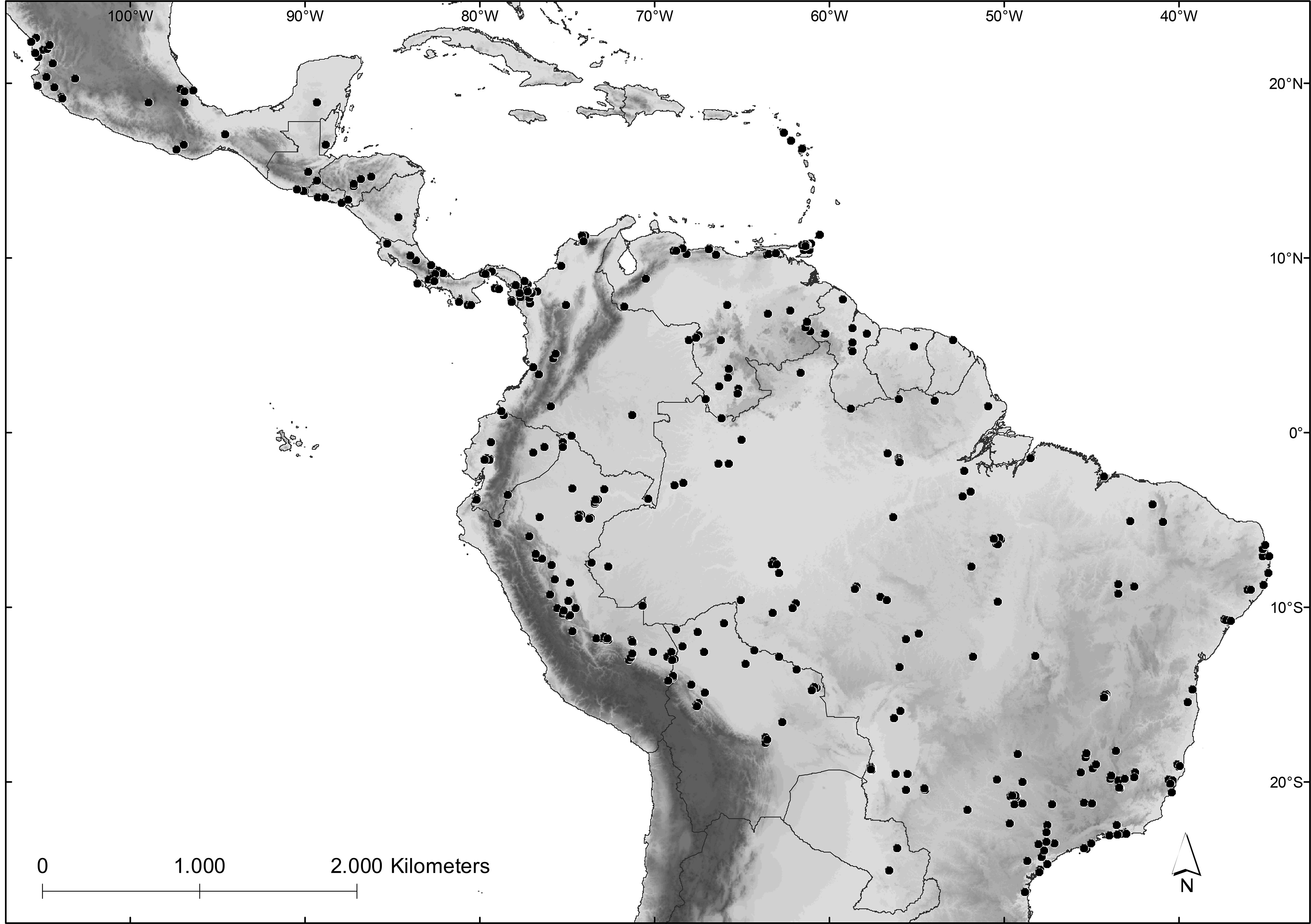
Chiroderma
Chiroderma – big-eyed bats or white-lined bats – is a genus of leaf-nosed bat found in North America, Central America, and South America and the Lesser Antilles.
Monophyllus
Monophyllus, the Antillean long-tongued bats or single leaf bats, is a genus of bats in the family Phyllostomidae. They are distributed on the Antilles.
Mystacina
Mystacina is the sole surviving genus of the Mystacinidae family of bats. It has three known species, of which only the New Zealand lesser short-tailed bat (Mystacina tuberculata) is confirmed to survive today. The closely related New Zealand greater short-tailed bat (Mystacina robusta) has not had a confirmed sighting since 1965 and is thought to be extinct. The third species, Mystacina miocenalis, is known from the Middle Miocene, some 19–16 million years ago.
Vampyressa
Vampyressa is a genus of bats in the family Phyllostomidae, the leaf-nosed bats. They are known commonly as the yellow-eared bats.
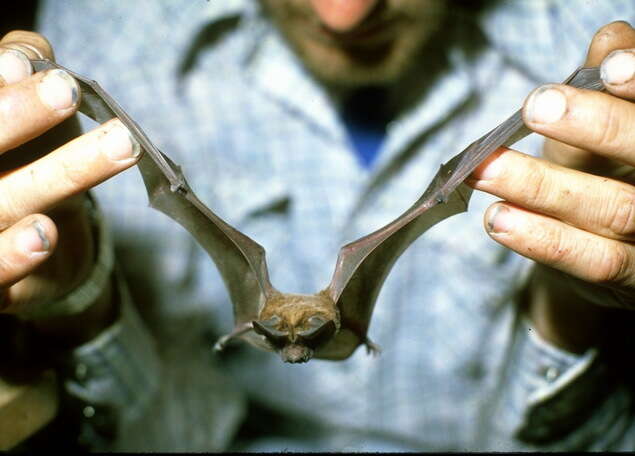
Eumops
Eumops (mastiff bats or bonneted bats) is a genus of bats in the family Molossidae. A total of 17 species of this genus have been described. The name "Eumops" comes from the Greek prefix Eu-, meaning "good" or "true", and the Malayan word , which means bat.
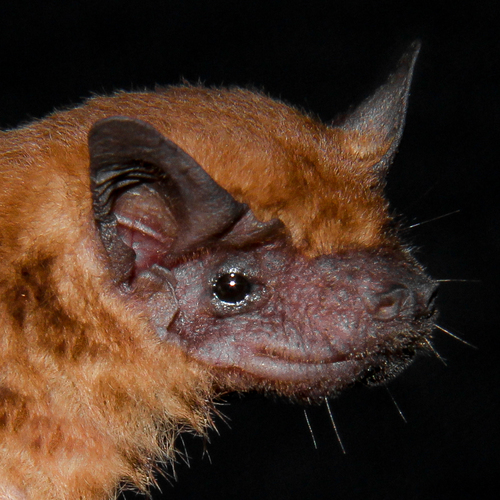
Molossops
Molossops (meaning: false molossus bat) is a genus of bat in the family Molossidae.
The four member species are found in nearly every country of South America, with the dwarf dog-faced bat being found in the most countries.
It contains only two species:
Rufous dog-faced bat (Molossops neglectus)
Dwarf dog-faced bat (Molossops temminckii)
Mormoops
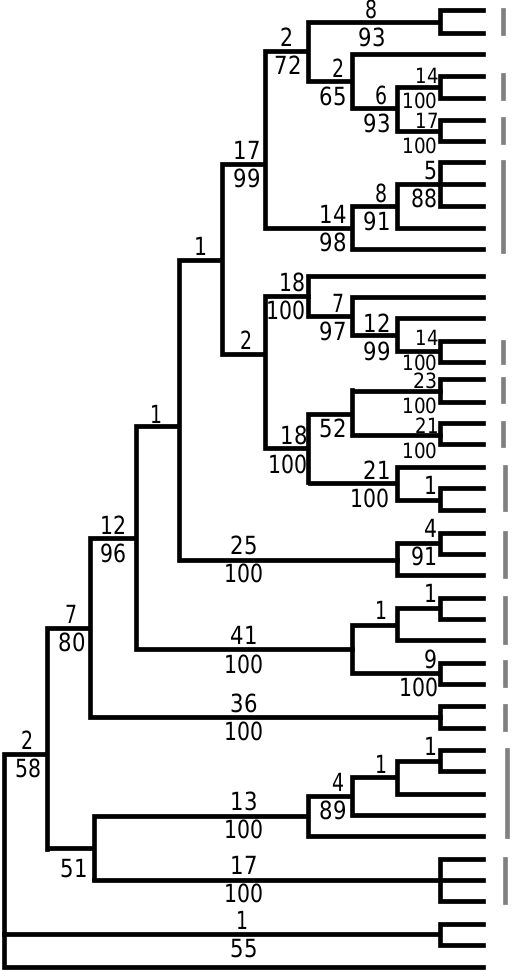
Mormoops is a genus of bat in the family Mormoopidae. It contains the following species:
Pteralopex
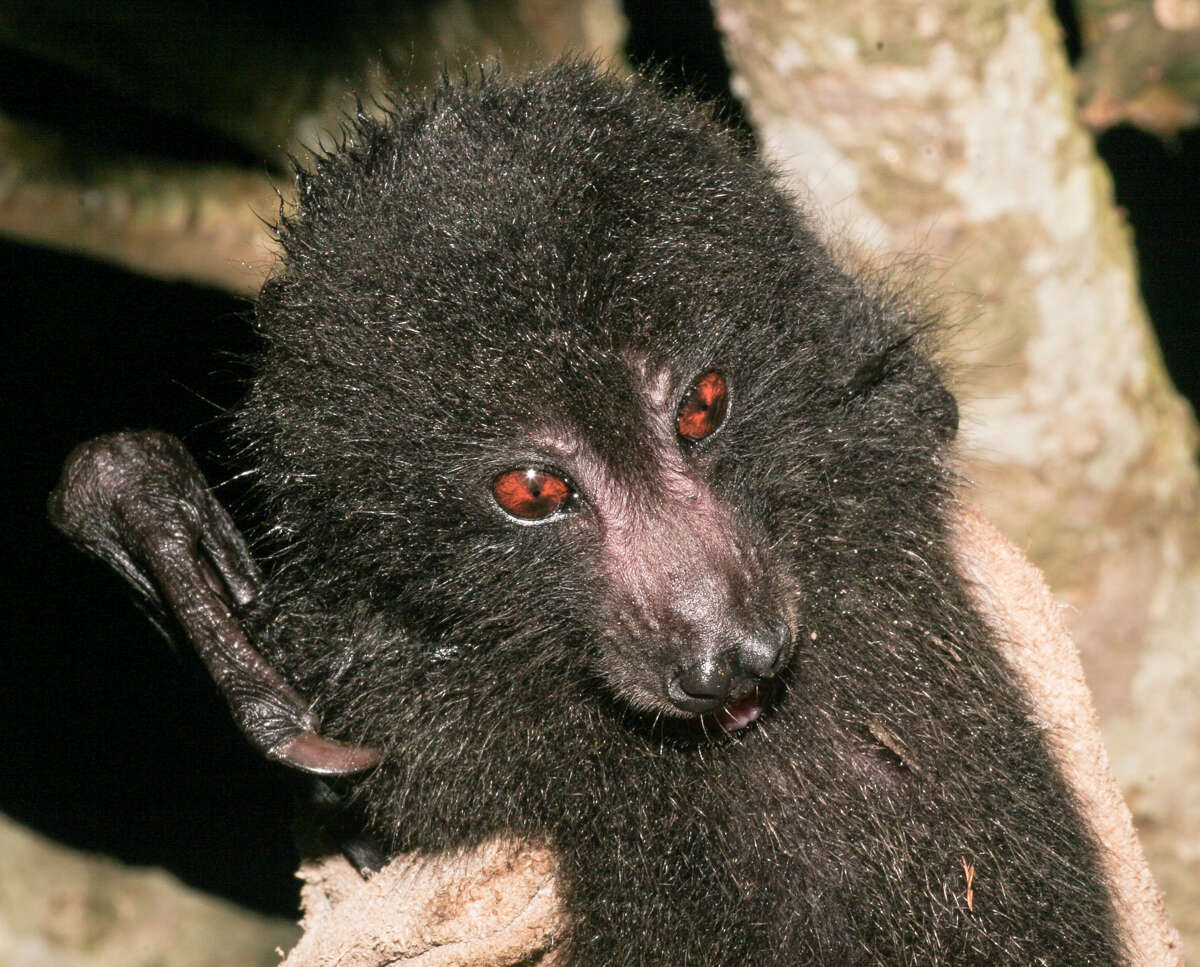
Pteralopex is a genus of large megabats in the family Pteropodidae. Species in this genus are commonly known as "monkey-faced bats". They are restricted to Solomon Islands rain forests in Melanesia, and all species are seriously threatened, being rated as either endangered or critically endangered by IUCN. Two species, P. taki and P. flanneryi, have been described since 2000.
Pteronotus
Pteronotus is a genus of bats. Eight extant species have been recognized, as well as one relatively recently extinct species.