Category
page 1Biological agents

Ebola hemorrhagic fever
Ebola, also known as Ebola virus disease (EVD) and Ebola hemorrhagic fever (EHF), is a zoonotic viral hemorrhagic fever in humans and other primates, caused by four of the six known ebolaviruses. Symptoms typically start anywhere between two days and three weeks after infection. The first symptoms are usually fever, sore throat, muscle pain, and headaches. These are usually followed by vomiting, diarrhoea, rash, hepatic and renal dysfunction, at which point some people begin to bleed both internally and externally. The disease causes a mortality rate of anywhere between 25 and 90%, averaging o

plague
specific contagious and frequently fatal human disease caused by Yersinia pestis
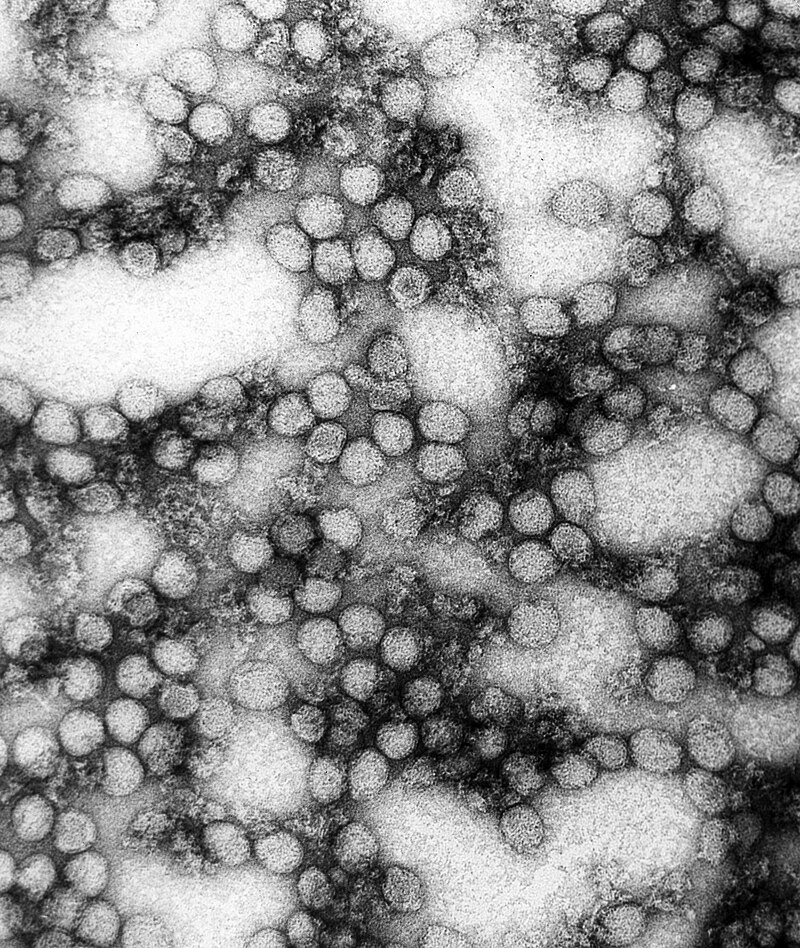
yellow fever
viral disease

botulism
Botulism is a rare and potentially fatal illness caused by botulinum toxin, which is produced by the bacterium Clostridium botulinum. The disease begins with weakness, blurred vision, feeling tired, and trouble speaking. This may then be followed by weakness of the arms, chest muscles, and legs. Vomiting, swelling of the abdomen, and diarrhea may also occur. The disease does not usually affect consciousness or cause a fever.

brucellosis
Brucellosis is a zoonosis (zoonotic disease) spread primarily via ingestion of unpasteurized milk from infected animals. It is also known as undulant fever, Malta fever, and Mediterranean fever.

chikungunya
Chikungunya is an infection caused by the chikungunya virus. The most common symptoms are fever and joint pain, typically occurring four to eight days after the bite of an infected mosquito. The pain has been described as "excruciating"; however some people may be infected without showing any symptoms. Other symptoms may include headache, muscle pain, joint swelling, and a rash. Symptoms usually improve within a week; however, occasionally the joint pain may last for months or years. The very young, old, and those with other health problems are at risk of more severe disease.

tularemia

Phytophthora infestans
microorganism that causes late blight

Rift Valley fever
human disease

Orthoebolavirus zairense
species of virus

Q fever
disease caused by infection with Coxiella burnetii

Shigella
Shigella is a genus of bacteria that is Gram negative, facultatively anaerobic, non–spore-forming, nonmotile, rod shaped, and is genetically nested within Escherichia coli. The genus is named after Japanese physician Kiyoshi Shiga, who discovered it in 1897.
Lassa fever
viral disease

ornithosis
Psittacosis, also known as parrot fever or ornithosis, is a zoonotic infectious disease caused by the bacterium Chlamydia psittaci. Birds are the main reservoir, and human infection usually follows inhalation of aerosolised dried droppings or respiratory secretions from infected birds. Although many human infections are mild, psittacosis can cause pneumonia and occasionally severe complications including endocarditis, hepatitis, and neurologic disease.

Filoviridae
Filoviridae () is a family of single-stranded negative-sense RNA viruses in the order Mononegavirales. Two members of the family that are commonly known are Ebola virus and Marburg virus. Both viruses, and some of their lesser known relatives, cause severe disease in humans and nonhuman primates in the form of viral hemorrhagic fevers.

Ebolavirus
thumb|Phylogenetic tree comparing ebolaviruses and marburgviruses. Numbers indicate percent confidence of branches.
Marburg virus disease
human disease
epidemic typhus
human disease

Magnaporthe grisea
plant-pathogenic fungus

glanders
Glanders is a contagious, zoonotic infectious disease caused by the bacterium Burkholderia mallei, which primarily occurs in horses, mules, and donkeys, but can also be contracted by dogs and cats, pigs, goats, and humans. The term glanders derives from the Middle English word ' and from the Old French word ', which both denote glands. Other terms for the glanders disease are the , the , the , and the .

melioidosis
Melioidosis is an infectious disease caused by a gram-negative bacterium called Burkholderia pseudomallei. Most people exposed to B. pseudomallei experience no symptoms, but complications can range from fever and skin changes to pneumonia, abscesses, and septic shock, which can be fatal. Approximately 10% of people with melioidosis develop symptoms that last longer than two months, termed "chronic melioidosis".

Legionella pneumophila
species of bacterium
Marburg virus
virus in the species Marburg marburgvirus
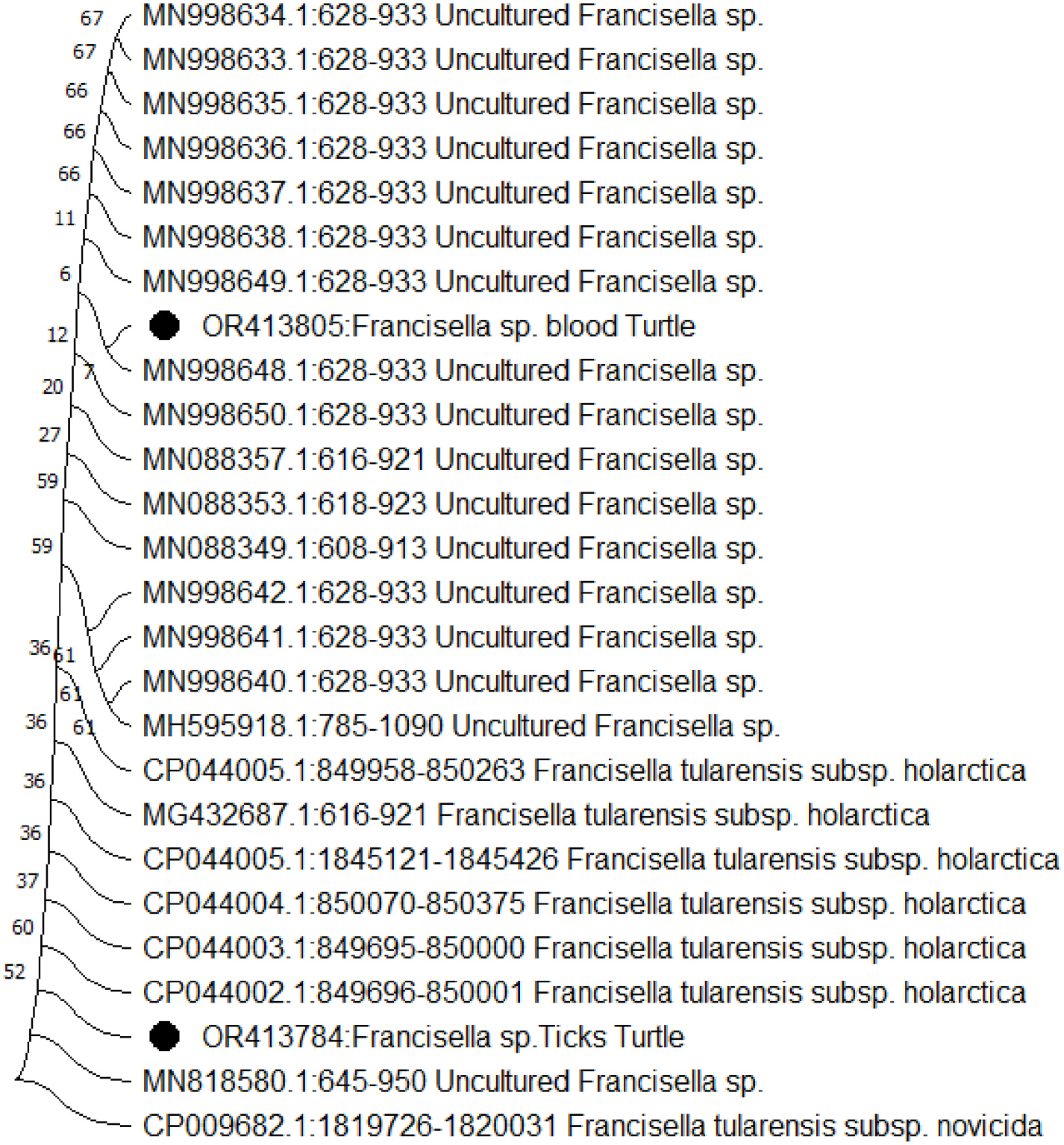
Francisella tularensis
species of bacterium
hemorrhagic fever with renal syndrome
Group of clinically similar illnesses caused by species of hantaviruses

coccidioidomycosis
Coccidioidomycosis (, ) is a mammalian fungal disease caused by Coccidioides immitis or Coccidioides posadasii. It is commonly known as cocci, Valley fever, or San Joaquin Valley fever. Coccidioidomycosis is endemic in certain parts of the United States in Arizona, California, Nevada, New Mexico, Texas, Utah, and northern Mexico.
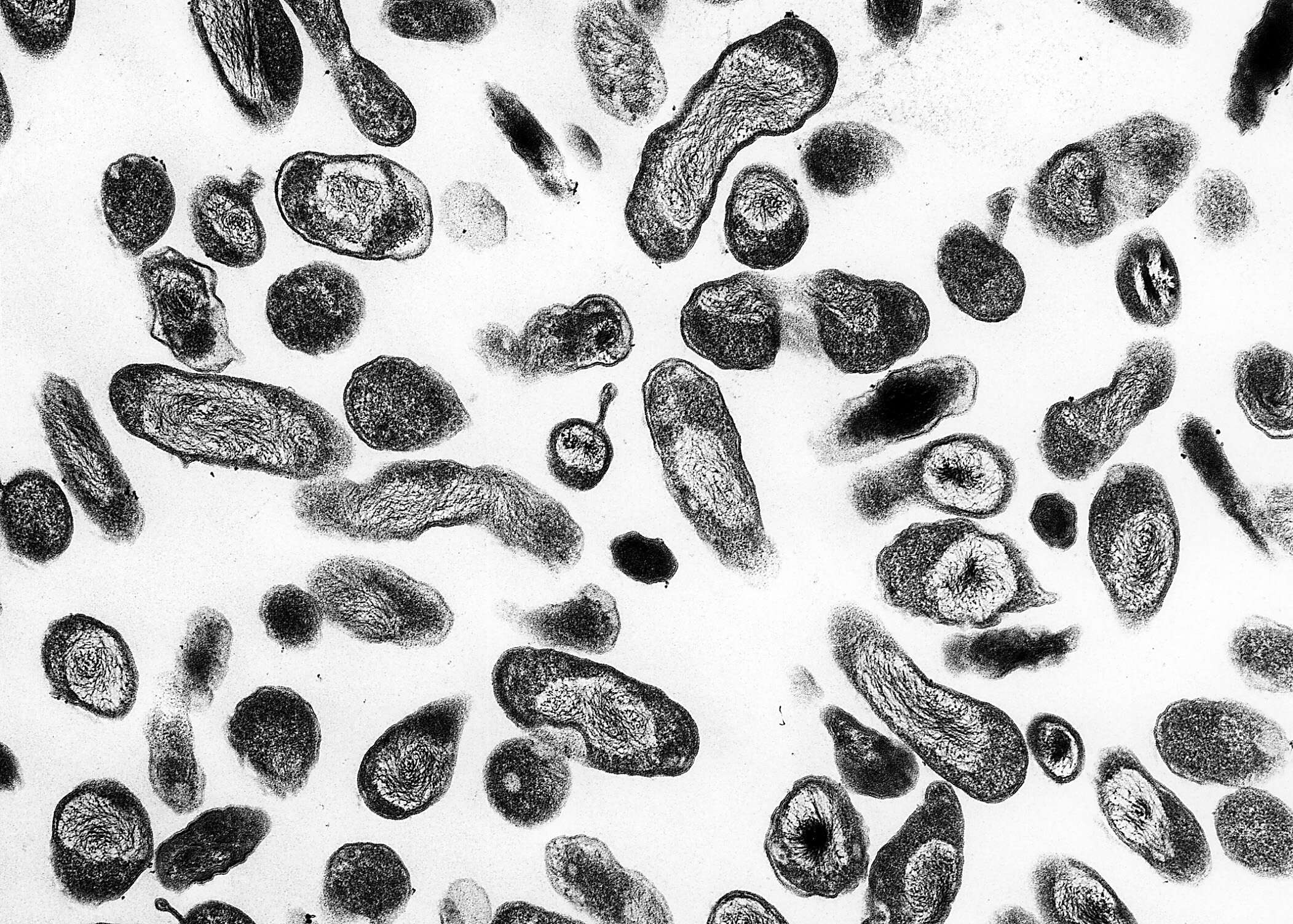
Coxiella burnetii
species of bacterium
Eastern equine encephalitis
horse disease
biological agent
pathogen that can be weaponized

Zaire ebolavirus
species within the genus Ebolavirus
Lassa mammarenavirus
species of virus
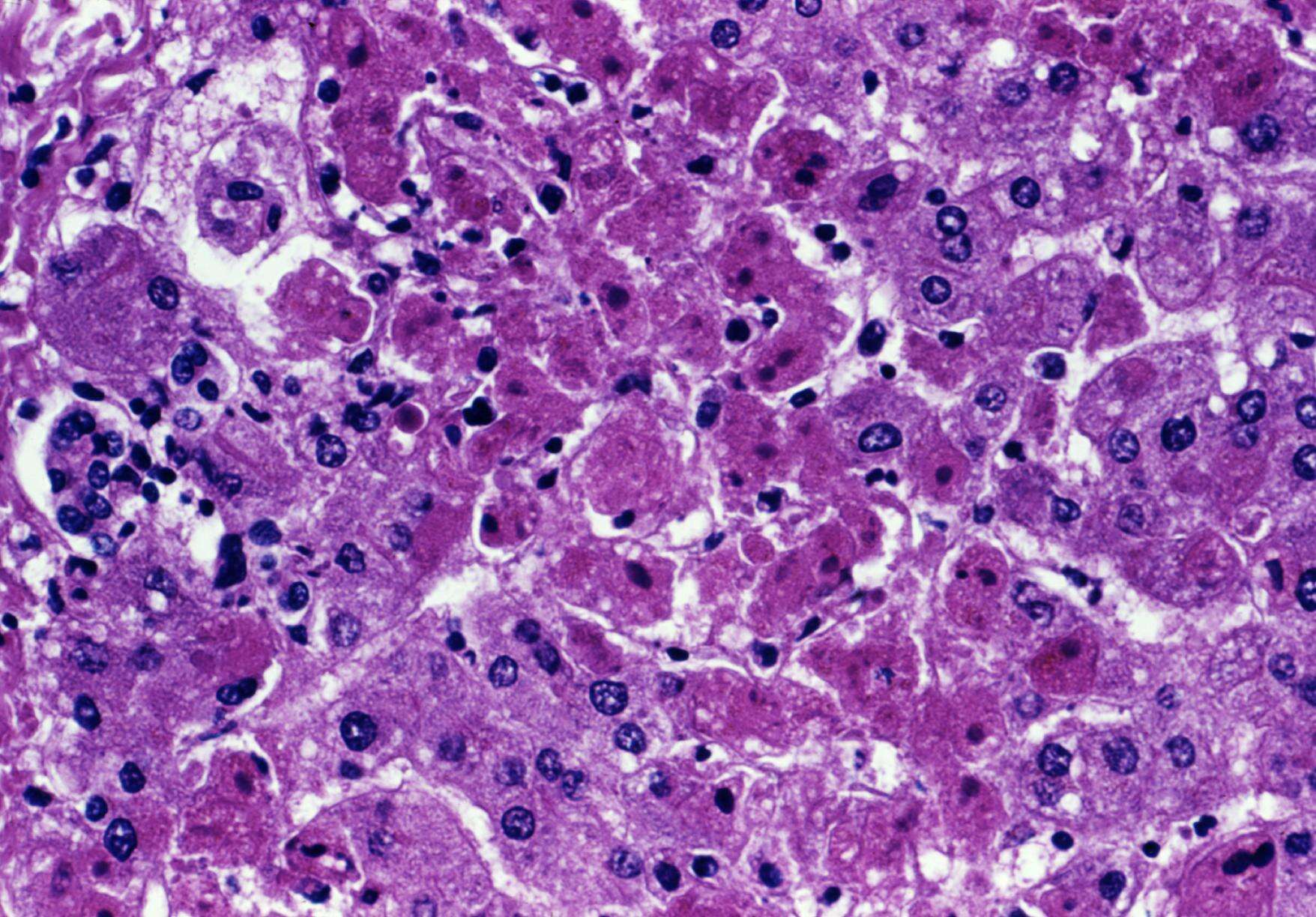
Marburgvirus
The genus Marburgvirus is the taxonomic home of Marburg marburgvirus, whose members are the two known marburgviruses, Marburg virus (MARV) and Ravn virus (RAVV). Both viruses cause Marburg virus disease in humans and nonhuman primates, a form of viral hemorrhagic fever. Both are select agents, World Health Organization Risk Group 4 Pathogens (requiring Biosafety Level 4-equivalent containment), National Institutes of Health/National Institute of Allergy and Infectious Diseases Category A Priority Pathogens, Centers for Disease Control and Prevention Category A Bioterrorism Agents, and are list

Western equine encephalitis virus
species of virus
Argentine hemorrhagic fever
human disease
Bolivian hemorrhagic fever
hemorrhagic fever and zoonotic infectious disease originating in Bolivia after infection by Machupo virus

Venezuelan equine encephalitis virus
species of virus
mad honey
psychoactive type of honey containing grayanotoxins
virulent Newcastle disease
bird disease
Reston virus
species of virus
Ravn virus
virus that causes hemorrhagic fever
Brucella suis
species of bacterium
Tai Forest ebolavirus
species of virus
Sudan ebolavirus
species of virus
Bundibugyo ebolavirus
species of virus
Lloviu viruses
taxon containing Lloviu cuevavirus
Sangassou orthohantavirus
Virus species