Category
page 13Bird genera
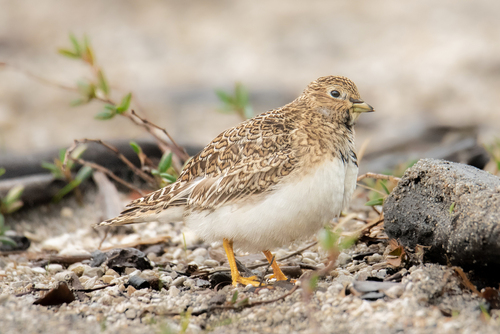
Thinocorus
Thinocorus is a genus of seedsnipe, a South American family of small gregarious waders which have adapted to a vegetarian diet.

Pheucticus
Pheucticus is a genus of grosbeaks containing six species.

Lophotriccus
Lophotriccus is a genus of South American birds in the tyrant flycatcher family Tyrannidae.
Zoonavena
Zoonavena is a genus of swift in the family Apodidae.
It contains the following species:
Madagascar spinetail (Zoonavena grandidieri)
São Tomé spinetail (Zoonavena thomensis)
White-rumped spinetail (Zoonavena sylvatica)

Caryothraustes
Caryothraustes is a genus of grosbeak in the family Cardinalidae.
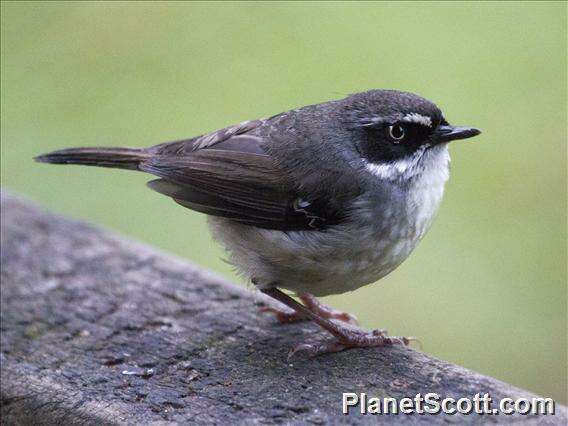
Sericornis
Sericornis is a genus of small, mainly insectivorous birds, the scrubwrens in the family Acanthizidae. Despite the similarity in shape and habits, the true wrens (Troglodytidae) are a quite unrelated group of passerines.
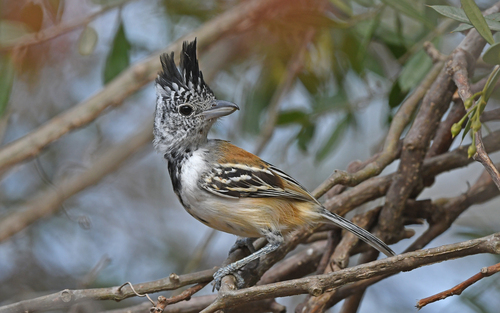
Sakesphorus
Sakesphorus is a genus of passerine birds in the antbird family, Thamnophilidae.
Frederickena
Frederickena is a genus of passerine birds in the antbird family, Thamnophilidae. These are among the largest antbirds, and are native to the Guianas and Amazon rainforest in South America. They are infrequently seen and generally found at very low densities.

Agelaioides
The baywings are two species of birds in the genus Agelaioides, which were described in the early 19th century. These species are found in Brazil and in the case of A. badius, also Argentina, Bolivia, Uruguay, and Paraguay. They were formerly in included in genus Molothrus with cowbirds.
.jpg)
Certhiaxis
Certhiaxis is a genus of Neotropical birds in the ovenbird family Furnariidae.
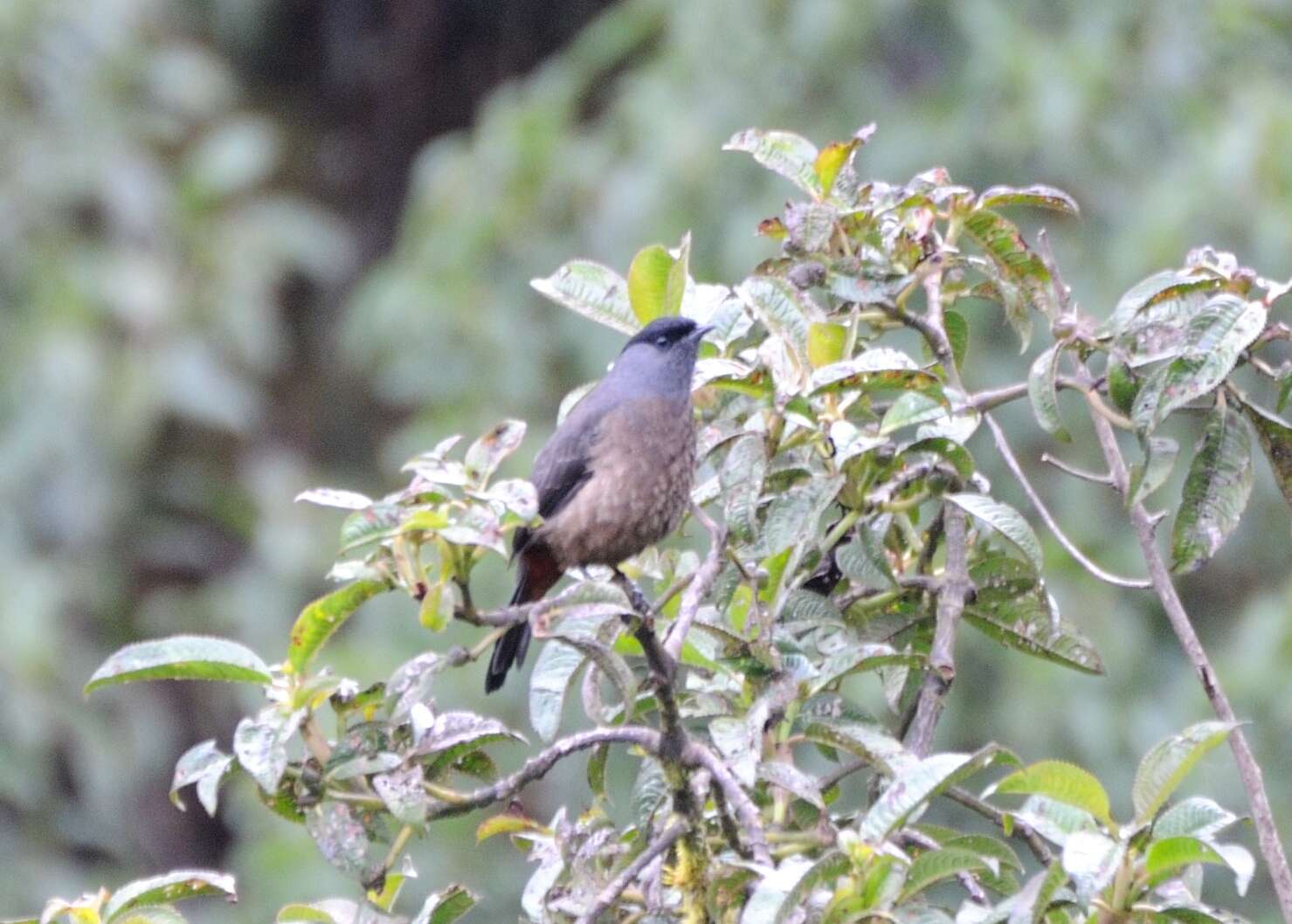
Doliornis
Doliornis is a small genus of bird in the family Cotingidae. Established by Władysław Taczanowski in 1874, it contains two species:
Gymnopithys
Gymnopithys is a genus of passerine birds in the antbird family, Thamnophilidae.

Cyanomitra
Cyanomitra is a genus of African sunbirds. Its members are sometimes included in Nectarinia.

Nannopsittaca
Nannopsittaca is a genus of parrot in the family Psittacidae.
==Species==
It contains the following species:
{| class="wikitable sortable"
|-
! Image !! Common name !!Scientific name !! Distribution
|-
|120px ||Tepui parrotlet || Nannopsittaca panychlora ||northern Brazil, western Guyana, and southern Venezuela.
|-
|120px || Manu parrotlet || Nannopsittaca dachilleae || western Amazon basin, from southern Peru to northwest Bolivia.
|-
|}
%20(1).JPG)
Monarcha
Monarcha is a genus of bird in the family Monarchidae. They are found in Australia and Melanesia.

Machlolophus
Machlolophus is a genus of birds in the tit family. The species were formerly placed with many others in the genus Parus but were moved to Machlolophus based on a molecular phylogenetic analysis published in 2013 that showed that the members formed a distinct clade.
Rhaphidura
Rhaphidura is a genus of swift in the family Apodidae.
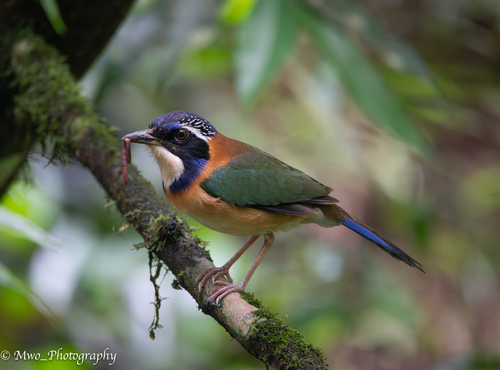
Atelornis
Atelornis is a small genus of birds in the ground-roller family Brachypteraciidae. The genus is endemic to Madagascar.
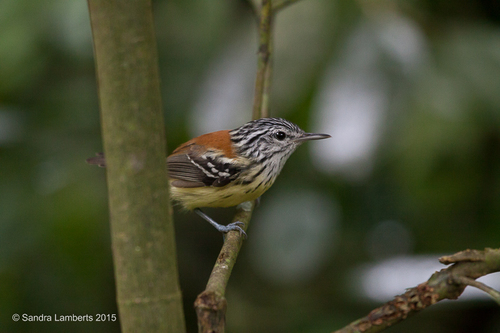
Terenura
Terenura is a genus of insectivorous passerine birds in the antbird family, Thamnophilidae.
.jpg)
Cyrtonyx
Cyrtonyx is a bird genus in the New World quail family Odontophoridae.

Heteromirafra
Heteromirafra is a small genus of African larks in the family Alaudidae.

Tchagra
The tchagras are passerine birds in the bushshrike family, which are closely related to the true shrikes in the family Laniidae, and were once included in that group.

Ixos
Ixos is a genus of passerine birds in the bulbul family, Pycnonotidae.

Ardenna
Ardenna is a genus of seabirds in the family Procellariidae. These medium-sized to large shearwater species were formerly included in the genus Puffinus.

Thinornis
Thinornis is a genus of plovers in the family Charadriidae.

Teratornis
Teratornis (Greek: "wonder" (teras / gen.sg. teratos), "bird" (ornis)) is an extinct genus of huge North American birds of prey—the best-known of the teratorns—of which, two species are known to have existed: Teratornis merriami and Teratornis woodburnensis. A large number of fossil and subfossil bones, representing more than 100 individuals, have been found in locations in California, Oregon, southern Nevada, Arizona, and Florida, though most are from the Californian La Brea Tar Pits. All remains except one Early Pleistocene partial skeleton from the Leisey Shell Pit near Charlotte Harbor, Fl
Zentrygon
Zentrygon is a bird genus in the pigeon and dove family (Columbidae). Its members are called quail-doves and all live in the Neotropics.

Eopsaltria
Eopsaltria is a genus of small forest passerines known in Australia as the yellow robins. They belong to the Australasian robin family Petroicidae. The name is derived from the Ancient Greek for "dawn singer/song" because of their dawn chorus. They are inquisitive and bold birds, and have been reported perching on the shoulders or boots of people in the bush. Open eucalyptus woodlands are their preferred habitat. The ornithologist John Gould likened the behaviour and mannerisms of the eastern and western yellow robin to those of the European robin. The name "yellow robin" itself was applied to
Toxorhamphus
Toxorhamphus is a genus of birds in the family Melanocharitidae. They are commonly known as longbills and were once thought to be in the honeyeater family. The genus is endemic to the islands of New Guinea.

Creurgops
Creurgops is a genus of Neotropical birds in the tanager family Thraupidae. They are found in the canopy of humid montane forest in the Andes of South America.

Dendrocolaptes
Dendrocolaptes is a genus of Neotropical birds in the Dendrocolaptinae subfamily.

Dives
genus of birds
%20(5772490926).jpg)
Margarornis
Margarornis is a genus of passerine birds in the ovenbird family Furnariidae. They are found in South and Middle America. All four species in the genus have "treerunner" in their English name.

Criniger
Criniger is a genus of songbirds in the bulbul family, Pycnonotidae. The species of Criniger are found in western and central Africa.

Xiphocolaptes
Xiphocolaptes is a genus of bird in the Dendrocolaptinae subfamily.
==Species==
The genus contains four species:
{| class="wikitable"
|-
! Image !! Scientific name !! Common name!! Distribution
|-
|120px ||Xiphocolaptes promeropirhynchus||Strong-billed woodcreeper || Belize, Bolivia, Brazil, Colombia, Costa Rica, Ecuador, El Salvador, Guatemala, Guyana, Honduras, Mexico, Nicaragua, Panama, Peru, and Venezuela
|-
|120px ||Xiphocolaptes albicollis|| White-throated woodcreeper || Argentina, Brazil, and Paraguay.
|-
|120px ||Xiphocolaptes falcirostris|| Moustached woodcreeper || Brazil.
|-
|120p

Neopelma
Neopelma is a genus of bird in the family Pipridae.

Lurocalis
Lurocalis is a genus of nightjars in the family Caprimulgidae. The species are found in Central and South America.
.jpg)
Trochocercus
Trochocercus is a genus of bird in the family Monarchidae. Described by Jean Cabanis in 1850, the name Trochocercus is a combination of the Greek words trokhos meaning "circular" or "round" and kerkos, meaning "tail".
%3B%20Rio%20Branco%2C%20Acre%2C%20Brazil.jpg)
Thamnomanes
Thamnomanes is a genus of insectivorous birds in the antbird family, Thamnophilidae. They are restricted to the Neotropics and are important components of forest mixed-species feeding flocks.
.jpg)
Polioptila
Polioptila is a genus of small insectivorous birds in the family Polioptilidae. They are found in North and South America.
%20(9315894528).jpg)
Clytoctantes
Clytoctantes is a South American genus of passerine birds in the antbird family, Thamnophilidae. They are medium sized, and males are grey or black and females are mainly rufous. The stubby, hefty bill has a distinctly upcurved lower mandible and a straight culmen (a large version of the bills of the recurvebills), which possibly is a modification for opening bamboo stems in their search for insects.

Mearnsia
Mearnsia is a genus of swifts in the family Apodidae.
Tachornis
Tachornis is a genus of swift in the family Apodidae. It contains the following species:
Pygmy palm swift (Tachornis furcata)
Fork-tailed palm swift (Tachornis squamata)
Antillean palm swift (Tachornis phoenicobia)
Tachornis uranoceles (fossil; Late Pleistocene of Puerto Rico)

Polystictus
genus of birds

Leiothlypis
Leiothlypis is a genus of New World warbler, formerly classified within the genus Oreothlypis or Vermivora.
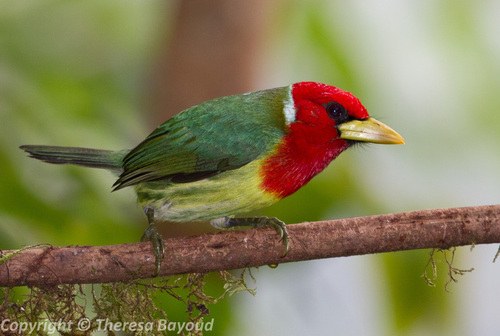
Eubucco
Eubucco is a genus of colourful birds in the family Capitonidae. They are found in humid forest in South and Central America, and the species have almost entirely allo- or parapatric distributions. Slightly smaller than the members of the genus Capito, members of the genus Eubucco are all sexually dimorphic, have stubby yellowish bills, green backs, yellow to the neck or underparts, and, at least in the males, red to the head. Typically seen singly or in pairs, they are primarily frugivorous, but also take arthropods.
.jpg)
Pellorneum
Pellorneum is a genus of passerine birds in the family Pellorneidae. Some of its species were formerly placed in the genus Trichastoma.
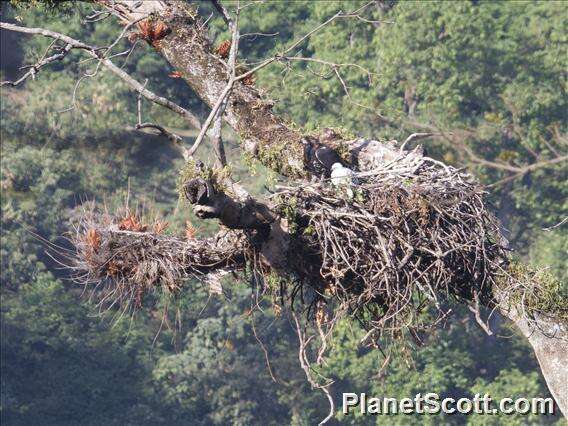
Stephanoaetus
Stephanoaetus is a genus of very large birds of prey from Sub-Saharan Africa and Madagascar. Only one of the two known species is extant.

Melignomon
thumb|Yellow-footed honeyguide (Melignomon eisentrauti)
Melignomon is a genus of birds in the family Indicatoridae.
It contains the following species:
Yellow-footed honeyguide (Melignomon eisentrauti)
Zenker's honeyguide (Melignomon zenkeri)
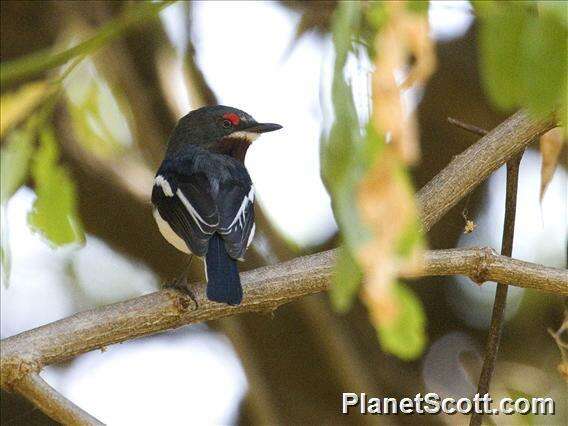
Platysteira
Platysteira is a genus of birds in the wattle-eye family Platysteiridae that are found in tropical Africa.

Dryoscopus
Dryoscopus is a genus of bird in the Malaconotidae or bushshrike family. Its members are known as puffbacks. The six species, all of fairly uniform appearance and habits, are native to various parts of sub-Saharan Africa. The name Dryoscopus is a compound Greek word: drus from the Greek word for "tree" and skopos, meaning "watcher or lookout".
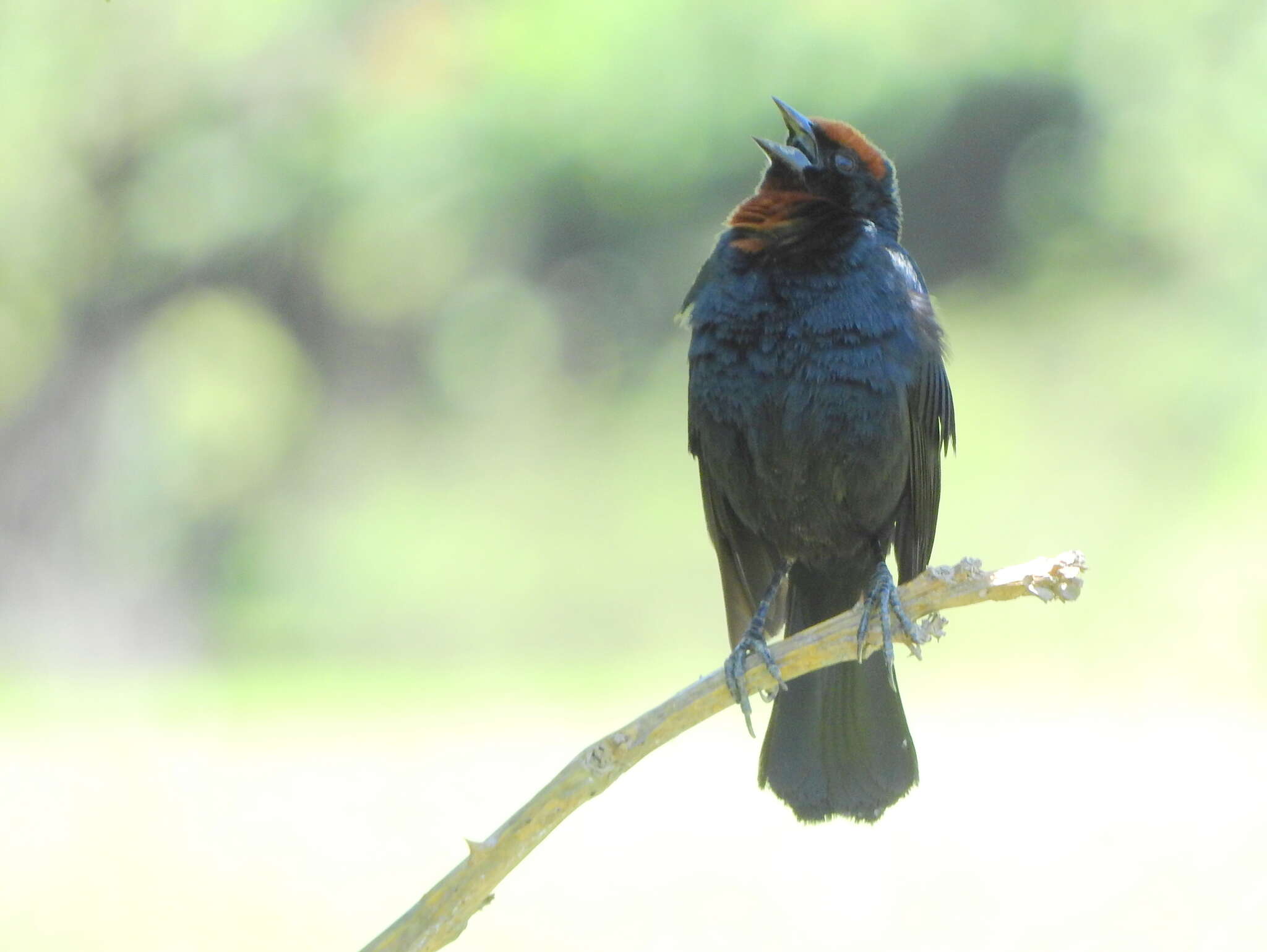
Chrysomus
Chrysomus is a genus of birds in the family Icteridae.
==Species==
Established by William Swainson in 1837, the genus contains yellow-hooded blackbird:

Euphagus
Euphagus is a small genus of American blackbirds. It contains two extant species: Brewer's blackbird, Euphagus cyanocephalus, and rusty blackbird E. carolinus.
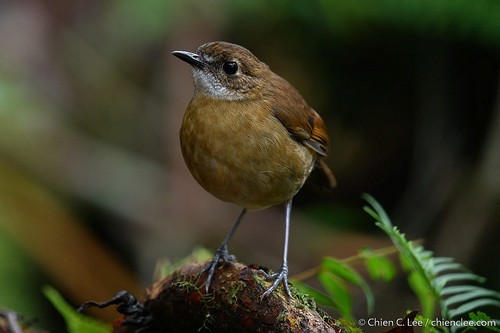
Amalocichla
Amalocichla is a genus of bird in the family Petroicidae that are found in New Guinea.

Pardirallus
Pardirallus is a genus of bird in the family Rallidae. It contains three species native to marshland areas of Southern, Central America and the Caribbean, although fossil evidence indicates they once ranged north to what is now Idaho. They are 25–38 cm long and have a long greenish bill and reddish legs. The spotted rail is blackish-brown with white markings while the other two are brown above and dark grey below.
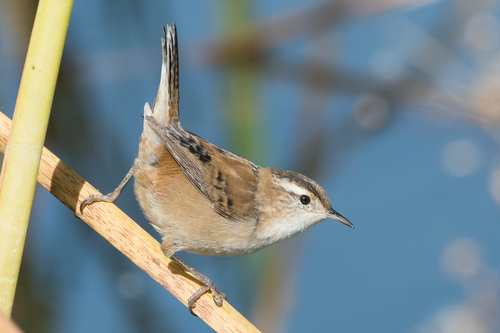
Cistothorus
Cistothorus is a genus of small passerine birds in the wren family. The name Cistothorus is from the Ancient Greek words κιστος (kistos), meaning "bush", and θουρος (thouros), meaning "leaping" or "running through".

Drymodes
Drymodes is a genus of birds in the family Petroicidae. It was traditionally held to have two species, but molecular and behavioural differences led to the split of the New Guinea populations from the northern scrub robin. The paper by Les Christidis and colleagues was published in 2011 and the IOC adopted the split in 2015:

Merulaxis
Merulaxis or bristlefronts, is a genus of bird in the family Rhinocryptidae.
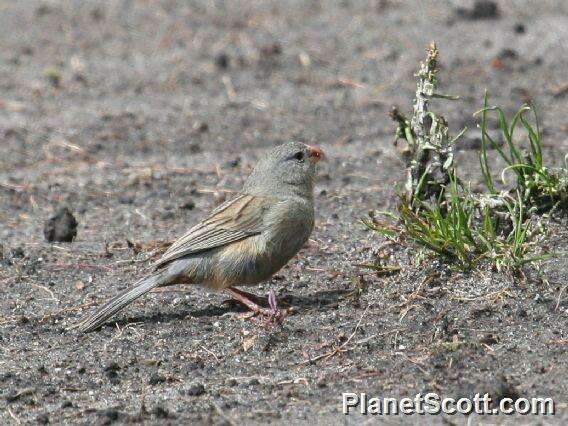
Catamenia
genus of birds

Lepidothrix
Lepidothrix is a genus of passerine birds in the manakin family Pipridae. Birds in the genus are predominantly found in South America, but one species, the velvety manakin, also ranges into Central America. Females have green plumage with yellow bellies, as do some males. Other males have black plumage with white or blue crowns, and some have yellow bellies or blue rumps.