Category
page 8Bird genera
Amblyornis
Amblyornis is a genus of passerine birds belonging to the bowerbird family Ptilonorhynchidae. The species are endemic to the mountains of New Guinea.

Leucopternis
Leucopternis is a Neotropical genus of birds of prey in the family Accipitridae. They are associated with tropical forest, and are uncommon or rare. Their plumage is largely black or gray above and white below, and they have distinctive orange ceres.

Piprites
Piprites is a genus of bird currently placed in the family Tyrannidae. Prior to 1971, the genus was placed in the family Pipridae; its designation was initially changed based on morphological evidence, and genetic evidence confirmed its placement in 2009. In 2013, it was proposed that Piprites was to be placed in the unique family Pipritinae. The proposition was declined by the Comité de Clasificación de Sudamérica, a part of the American Ornithological Society, and the proposed family was changed to be a unique subfamily of the genus. The genus is composed of three species native to the neotr

Coccyzus
Coccyzus is a genus of cuckoos which occur in the Americas. The genus name is from Ancient Greek kokkuzo, which means to call like a common cuckoo. The genus includes the lizard cuckoos that were formerly included in the genus Saurothera.
.jpg)
Apaloderma
Apaloderma is a genus of birds in the family Trogonidae.

Anthracothorax
The mangos, Anthracothorax, are a non-migratory genus of hummingbirds in the subfamily Trochilinae native to the Neotropics.

Yuhina
Yuhina is a genus of birds in the white-eye family Zosteropidae.
.jpg)
Pipreola
Pipreola is a genus of bird in the family Cotingidae. Together with Ampelioides tschudii, they are collectively known as fruiteaters. All are restricted to humid montane or foothill forest in western or northern South America. They are thickset birds with predominantly greenish upperparts. Males of most species have black heads and/or reddish, orange or yellow to the throat, chest or belly.

Dinornis
Dinornis (from Ancient Greek δεινός (deinós), meaning "terrible", and ὄρνις (órnis), meaning "bird"), also known as the giant moa, is an extinct genus of birds belonging to the moa family. As with other moa, it is a member of the order Dinornithiformes. It was endemic to New Zealand. Two species of Dinornis are considered valid, the North Island giant moa (Dinornis novaezealandiae) and the South Island giant moa (Dinornis robustus). In addition, two further species (new lineage A and lineage B) have been suggested based on distinct DNA lineages.

Myiagra
Myiagra is a genus of passerine birds in the family Monarchidae, the monarch flycatchers, native to Australasia, sometimes referred to as the broad-billed flycatchers or simply broadbills.

Progne

Alcippe
genus of birds
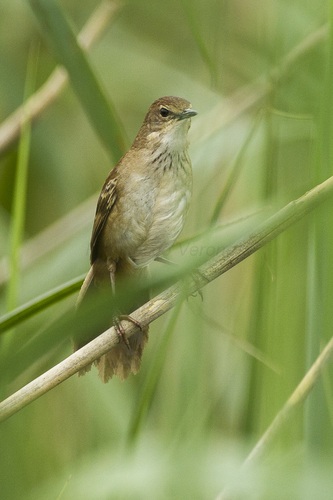
Bradypterus
Bradypterus is a genus of small insectivorous songbirds ("warblers") in the newly recognized grass warbler family (Locustellidae). They were formerly placed in the Sylviidae, which at that time was a wastebin taxon for the warbler-like Sylvioidea. The range of this genus extends through the warm regions from Africa around the Indian Ocean and far into Asia.

Myzomela
Myzomela is a genus of bird in the honeyeater family Meliphagidae. It is the largest genus of honeyeaters, with 40 species, and the most geographically widespread. It ranges from Indonesia to Australia and into the islands of the Pacific Ocean as far as Micronesia and Samoa. Several species are named after the islands they were discovered or live on, and continued investigation is (as of March 2025) still increasing the number of species, both through discovery of new species (Babar myzomela M. babarensis) and conclusion that former subspecies are actually distinct species (Tanimbar myzomela M

Phylloscartes
Phylloscartes is a genus of small birds in the family Tyrannidae. They are found in wooded habitats of Central and South America. They mainly feed on small arthropods, and most commonly take part in mixed species flocks. The mottled-cheeked tyrannulet is among the commonest birds in its range, but several other species are rare and threatened. Their plumage is predominantly green, yellow, white and grey, and many have contrasting facial patterns and wing-bars. They have thin, pointed bills, and relatively long tails. Most frequently cock their tail, perch relatively horizontally and are very a
%20(5771861551).jpg)
Sclerurus
Sclerurus is a bird genus in the ovenbird family, Furnariidae. Members of this genus are commonly known as leaftossers or leafscrapers, and are found in Mexico, Central America and South America. They are close relatives of the miners (Geositta), which are essentially an open-country version of the leaftossers, being lighter in color and longer-legged. Other relatives might include the sharp-tailed streamcreeper of the monotypic genus Lochmias and some other Furnariidae of obscure relationships.

Attila
genus of birds

Hemitriccus
Hemitriccus is a genus of small South American birds in the tyrant flycatcher family Tyrannidae. They are commonly known as tody-tyrants or bamboo tyrants, but the former name is (or was) also shared with several members of the genus Poecilotriccus. Several species from the genus Hemitriccus are very similar, and consequently best separated by their voice.

Myrmotherula
Myrmotherula is a genus of insectivorous passerine birds in the antbird family, Thamnophilidae. These are all small antbirds, measuring .
.jpg)
Sasia
__NOTOC__
Sasia is a genus of birds in the woodpecker family Picidae, that are native to the Old World. They are very small, virtually tailless woodpeckers, with a crombec or nuthatch-like appearance and foraging habits. Their habitat is forest and secondary growth.
.jpg)
Saltator
Saltator is a genus of passerine birds in the tanager family Thraupidae that are found in Central and South America. They have thick bills, relatively long tails and strong legs and feet.
Before the introduction of molecular genetic methods in the 21st century these species were placed in the cardinal family Cardinalidae.

Boissonneaua
Boissonneaua is a small genus of hummingbirds in the family Trochilidae. They are found in humid Andean forests from western Venezuela to southern Peru. They have a straight black bill, contrasting outer rectrices, and a distinctive habit of quickly lifting both wings up shortly after landing, thereby revealing their rufous underwing coverts.

Manorina
Manorina is a genus of Australian endemic honeyeaters, containing four species: the black-eared miner (M. melanotis) the yellow-throated miner (M. flavigula), the noisy miner (M. melanocephala) and the bell miner (M. melanophrys). The genus is notable for the complex social organisation of its species, which live in colonies that can be further subdivided into coteries and nest contingents.
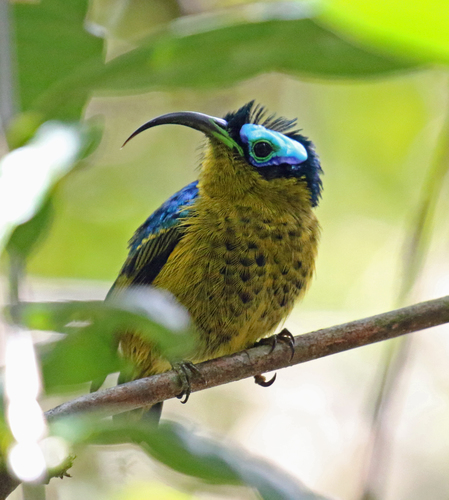
Neodrepanis
Neodrepanis is a bird genus in the family Philepittidae.

Anisognathus
Anisognathus is a genus of boldly colored tanagers found in the highland forests and woodlands of South America.

Glaucis
Glaucis is a genus of hummingbird in the family Trochilidae.

Melospiza
Melospiza is a genus of passerine birds formerly placed in the family Emberizidae, but now placed in Passerellidae. The genus, commonly referred to as "song sparrows," currently contains three species, all of which are native to North America.
.jpg)
Eurylaimus
Eurylaimus is a genus of broadbills (family Eurylaimidae) found in Southeast Asia.

Eurostopodus
Eurostopodus is a genus of nightjars in the nightjar family Caprimulgidae. This genus is distinctive among the Old World nightjars in lacking long rictal bristles. It also shows some features that are not shared with Caprimulginae and Chordeilinae, like having a larger size or the variable presence of ear-tufts, juveniles showing rufous plumage, long incubation periods and brown-reds and black spotted eggs.

Pipilo
Pipilo is a genus of birds in the American sparrow family Passerellidae. It is one of two genera containing birds with the common name towhee.

Lewinia
Lewinia is a genus of birds in the family Rallidae.
.jpg)
Melozone
Melozone is a genus of mostly Neotropical birds in the family Passerellidae, found mainly in Mexico. Three species reach as far north as the southwestern United States, two species reach as far south as Costa Rica, and two are endemic to Mexico.

Corythopis
The antpipits, Corythopis, are a genus of South American birds in the tyrant flycatcher family, Tyrannidae. They are long-legged species that spend most of the time on the ground, which caused them to be placed incorrectly in other taxa.

Conirostrum
Typical conebills belong to the tanager genus Conirostrum. They are small tanagers (9–14 cm) found in the forests of South America. They feed in pairs or small flocks by gleaning insects from foliage.
Caloenas
Caloenas is a genus of pigeons. The only living species is the Nicobar pigeon (C. nicobarica).

Passerina
The genus Passerina is a group of birds in the cardinal family (Cardinalidae). Although not closely related to the buntings in the family Emberizidae, they are sometimes known as the North American buntings.
%20(cropped).jpg)
Formicivora
Formicivora is a genus of insectivorous birds in the antbird family, Thamnophilidae. These relatively small, long-tailed antbirds are strongly sexually dichromatic. They are found in semi-open habitats in woodland and shrub in South America. They have several rows of white spots on the wings. Males are usually darker below than they are above, and sometimes have a fringe of white on the side.

Chordeiles
Chordeiles is a New World genus of nighthawks in the nightjar family Caprimulgidae.

Machaerirhynchus
Machaerirhynchus is a genus of passerine birds with affinities to woodswallows and butcherbirds. The two species are known as boatbills. The genus is distributed across New Guinea and northern Queensland.
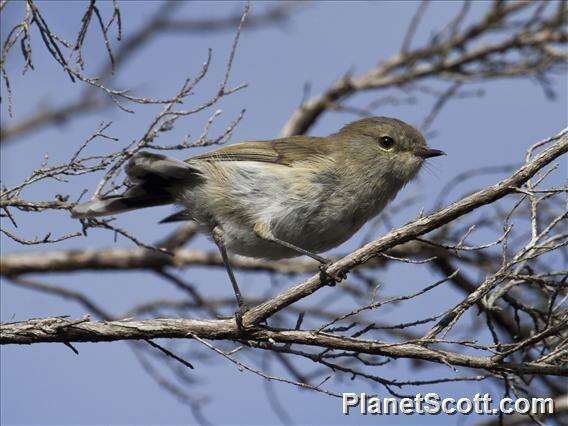
Gerygone
Gerygone (), the gerygones or peep-warblers, is a genus of bird in the family Acanthizidae. The genus ranges from Southeast Asia through New Guinea and Australia to New Zealand and the Chatham Islands. Most of the species are found in Australia and New Guinea; only one, the golden-bellied gerygone, has managed to cross Wallace's Line and colonise as far as Thailand, Malaysia and the Philippines.

Lalage
genus of birds

Cochoa
The cochoas (from cocho, Nepali for Cochoa purpurea) are medium-sized frugivorous, insectivorous and molluscivorous birds in the genus Cochoa. Their bright contrasting plumage patterns, sexual dimorphism and feeding habits made their systematic position difficult to ascertain in early times, Richard Bowdler Sharpe placed them with the Prionopidae in 1879 while many considered them as some kind of aberrant thrush. The genus was previously included in the Old World flycatcher family Muscicapidae but molecular phylogenetic studies have shown that it is more closely related to the thrush family Tu

Mareca
Mareca is a genus or subgenus of ducks in the family Anatidae that includes the wigeons.
%20in%20Democratic%20Republic%20of%20the%20Congo.jpg)
Fraseria
Fraseria is a genus of passerine birds in the Old World flycatcher family Muscicapidae that are found in Sub-Saharan Africa.

Ptiloris
The genus Ptiloris consists of four allopatric species of birds in the family Paradisaeidae. These birds of paradise are commonly known as riflebirds, so named for the likeness of their black velvety plumage to the uniform of the Rifle Brigade. Alternatively, the bird's cry is similar to a rifle being fired and hitting its target but a call like this is not commonly reported (see Behaviour and Ecology). They are distributed in the rainforests of New Guinea and Eastern Australia.
Spizella
The genus Spizella is a group of American sparrows in the family Passerellidae.
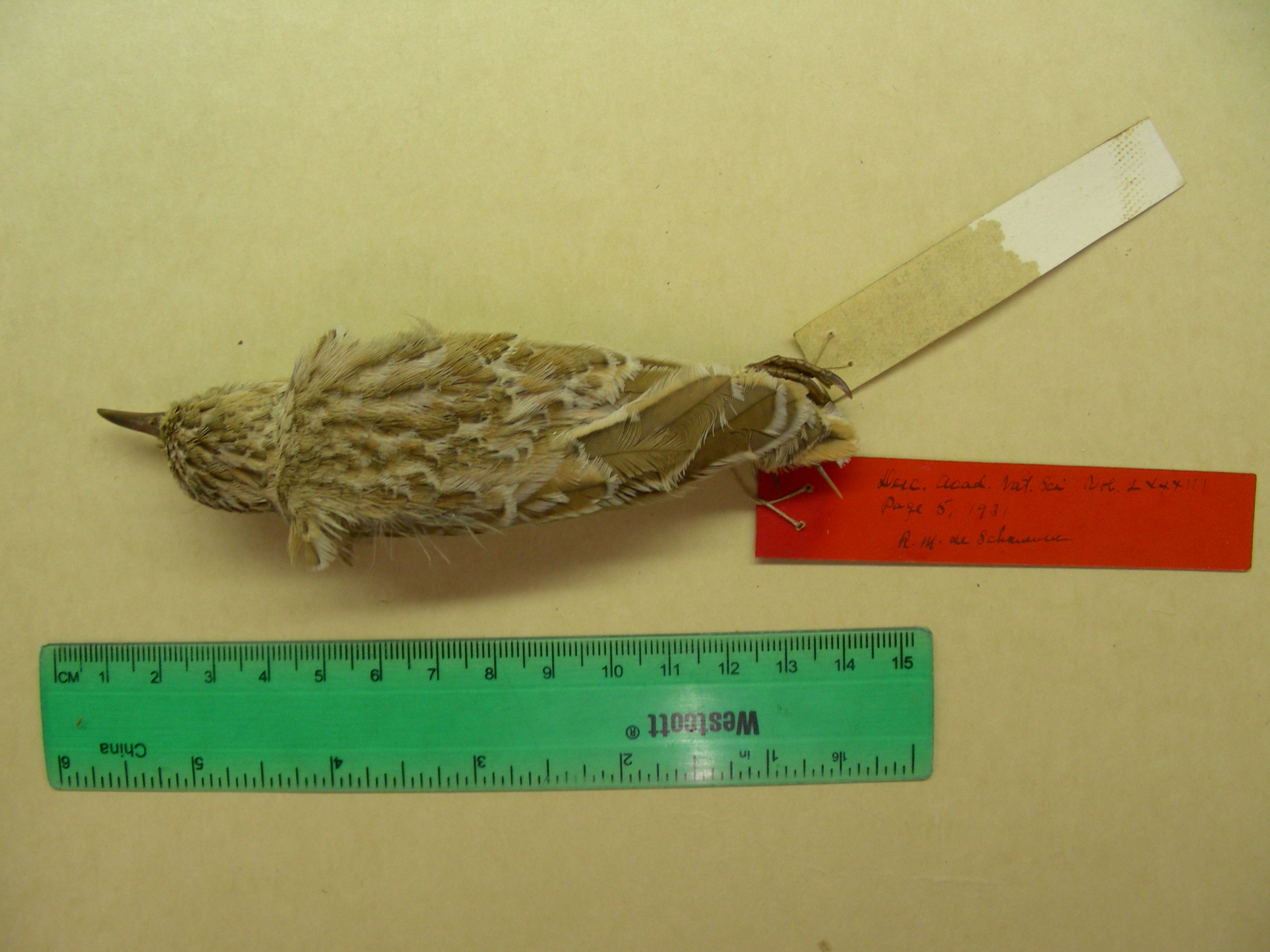
Certhilauda
Certhilauda is a genus of larks in the family Alaudidae living in the southern regions of Africa. The genus was formerly named Heterocorys.

Grallaria
Grallaria is a large genus of Neotropical birds in the antpitta family Grallariidae.
%20-%20Paradisaeidae%20-%20bird%20skin%20specimen.jpeg)
Epimachus
Epimachus is a genus of birds-of-paradise (Paradisaeidae) that includes two species, found in the highland forests of New Guinea. They are the largest members of the family. The common name "sicklebill" refers to their long, decurved, sickle-shaped bill.

Meliphaga
Meliphaga is a genus of birds in the honeyeater family Meliphagidae.

Campylorhynchus
Campylorhynchus is a genus of wrens, which has at least 15 described species. At 17–22 cm (6.8-8.7 in) long, these are the largest-bodied of wrens, including the largest species, the giant wren. Member species are found in South and Central America and in the case of the cactus wren, as far north as the southwestern United States.

Eurocephalus
Eurocephalus is a small genus of passerine birds containing two species commonly known as white-crowned shrikes.

Pachycephala
Pachycephala is a genus of birds native to Oceania and Southeast Asia. They are commonly known as typical whistlers. Older guidebooks may refer to them as thickheads, a literal translation of the genus name, which is derived from Ancient Greek παχύς (pakhús), meaning "thick", and κεφαλή (kephalḗ), meaning "head". This lineage originated in Australo-Papua and later colonized the
Indonesian and Philippine archipelagos to the west and the Pacific archipelagos to the east.
Priotelus
Priotelus is a genus of birds in the trogon family endemic to Caribbean islands.
==Species==
It contains two species:

Tolmomyias
Tolmomyias is a genus of Neotropical birds in the tyrant flycatcher family Tyrannidae. It is one of the two genera containing the "flatbills"; the other is Rhynchocyclus.
Epthianura
Epthianura is a genus of bird also known as the Australian chats. Along with the gibberbird in the genus Ashbyia they were once thought to constitute a separate family, the Epthianuridae, although most taxonomists today treat them as a subfamily, Epthianurinae, of the honeyeater family Meliphagidae.
Philepitta
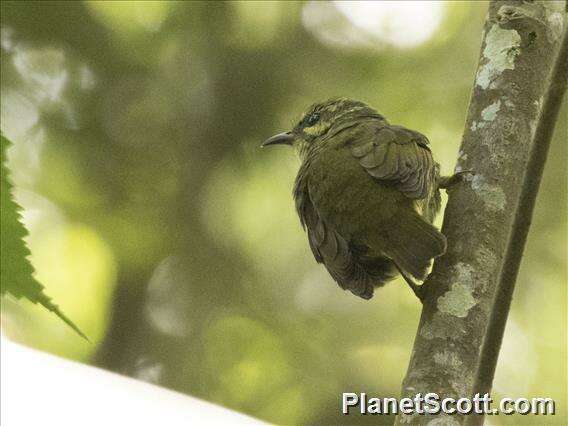
Philepitta is a genus of bird in the family Philepittidae. Established by Isidore Geoffroy Saint-Hilaire in 1838, the genus contains the following species:
Stagonopleura
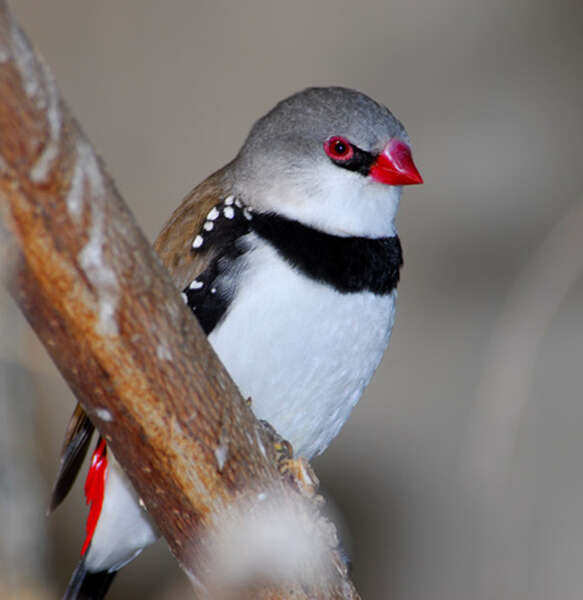
Stagonopleura is a genus of small seed-eating birds in the family Estrildidae that are native to Australia.

Tityra
The tityras are passerine birds in the genus Tityra in the family Tityridae. They are found from southern Mexico, through Central America, to northern and central South America, including Trinidad.

Cettia
Cettia is a genus of small insectivorous songbirds ("warblers") which make up the core of the newly recognized family Cettiidae. They were formerly placed in the Sylviidae, which at that time was a wastebin taxon for the warbler-like Sylvioidea. The range of this genus extends from Europe to southeast Asia.