Category
page 6Birds described in 1758

Black-bellied Whistling Duck
species of bird

Surf Scoter
species of bird
.jpg)
Killdeer
The killdeer (Charadrius vociferus) is a large plover found in the Americas. Its shrill, two-syllable call is often heard, sounding like "kill deer". It was described and given its current scientific name in 1758 by Carl Linnaeus in the 10th edition of his Systema Naturae. Three subspecies are described. Its are mostly brown with rufous fringes, the head has patches of white and black, and two black bands cross the breast. The belly and the rest of the breast are white. The nominate (or originally described) subspecies breeds from southeastern Alaska and southern Canada to Mexico. It is seen y

pileated woodpecker
species of bird

Pied-billed Grebe
species of the grebe family of water birds

Sun Conure
species of bird

Speckled Pigeon
species of bird

Egyptian Plover
species of bird

Carolina Parakeet
extinct species of North American parrot

Silver Pheasant
species of bird

Mimus polyglottos
species of bird

Green Heron
species of bird

American Goldfinch
species of bird

Black-backed dwarf kingfisher
species of bird

Grey Peacock Pheasant
species of bird

Black Skimmer
species of bird

Red-headed Woodpecker
species of bird

West Indian Whistling Duck
species of bird

Black-rumped Flameblack
species of bird

Archilochus colubris
species of bird
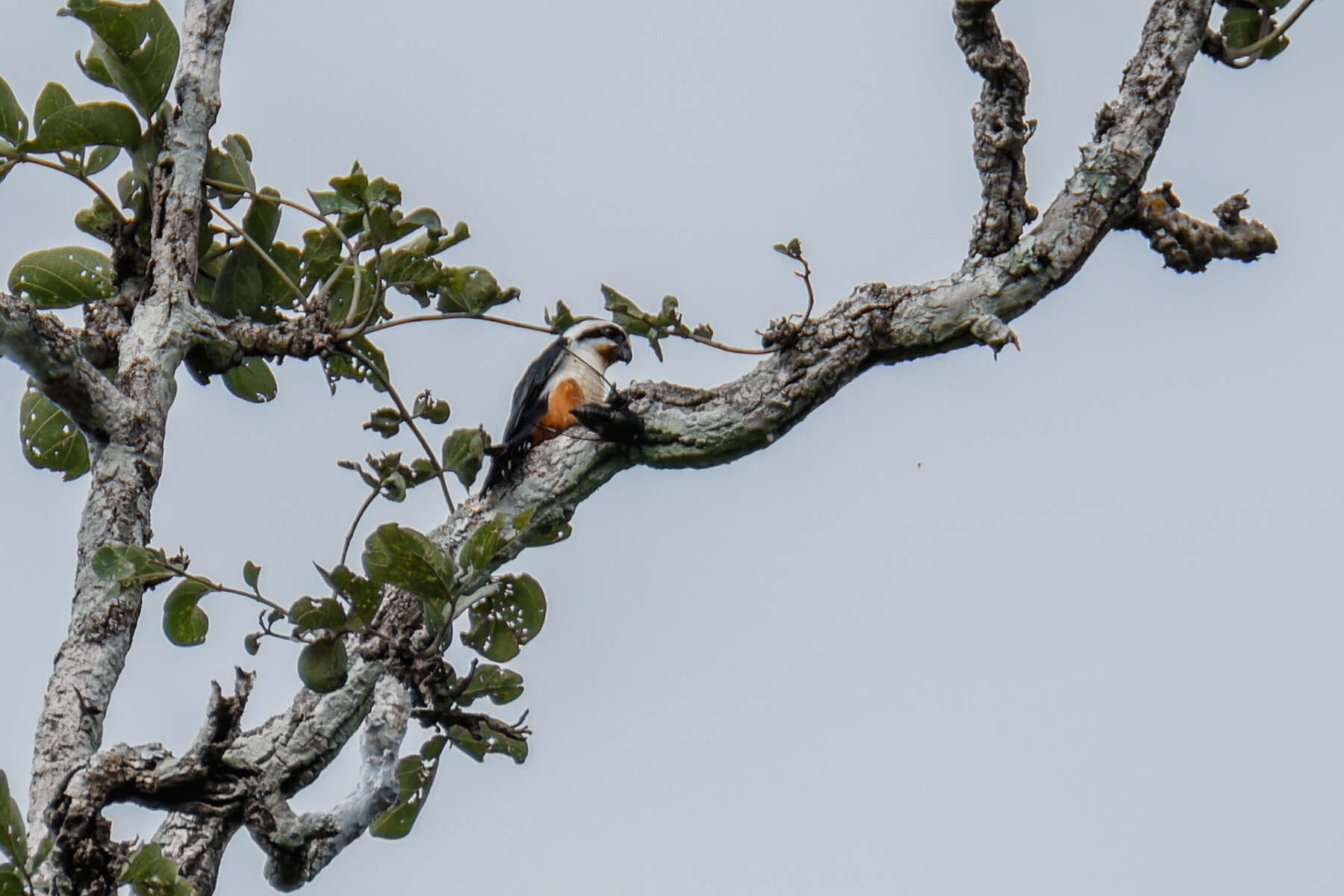
Collared Falconet
species of bird

Swallow-tailed Kite
species of bird

Spur-winged Lapwing
species of bird

Little Blue Heron
species of bird

Sialia sialis
species of bird
.jpg)
Bobolink
The bobolink (Dolichonyx oryzivorus) is a small New World blackbird and the only member of the genus Dolichonyx. An old name for this species is the "rice bird", from its tendency to feed on cultivated grains during winter and migration. The bobolink breeds in the summer in the United States and Canada, with most of the summer range in the northern U.S. Bobolinks winter in southern South America, primarily Paraguay, Argentina, and Bolivia. Bobolink numbers are rapidly declining due to factors such as agricultural intensification and habitat loss; they are considered threatened in Canada, and a

Red-shouldered Macaw
species of bird

Hudsonian Godwit
species of bird

Greater Prairie Chicken
species of bird

Euodice malabarica
species of bird

Satyr Tragopan
species of bird
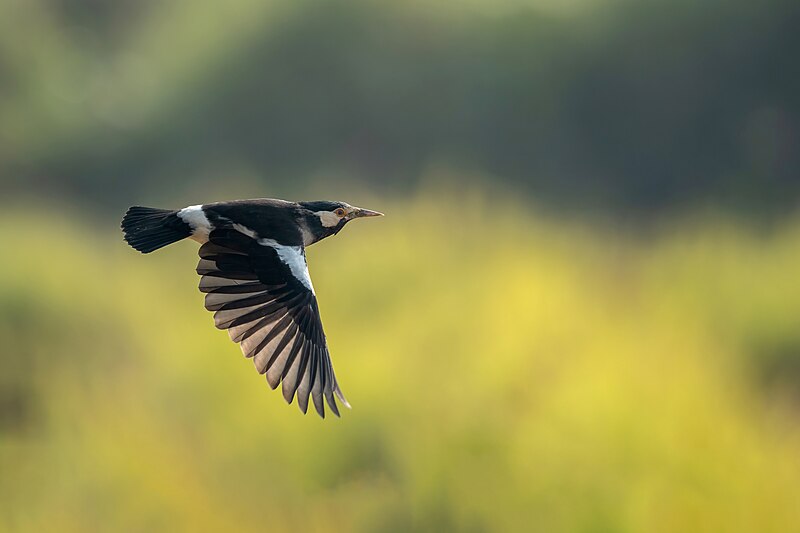
Indian Pied Myna
species of bird

Crested Myna
species of bird

Arabian Bustard
species of bird
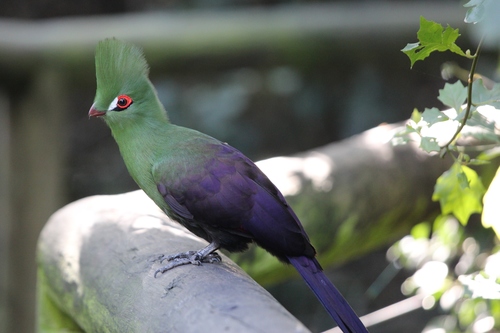
Guinea Turaco
species of bird

Spruce Grouse
species of bird

White-cheeked Pintail
species of bird

Junco hyemalis
species of bird

Cuban Amazon
species of bird
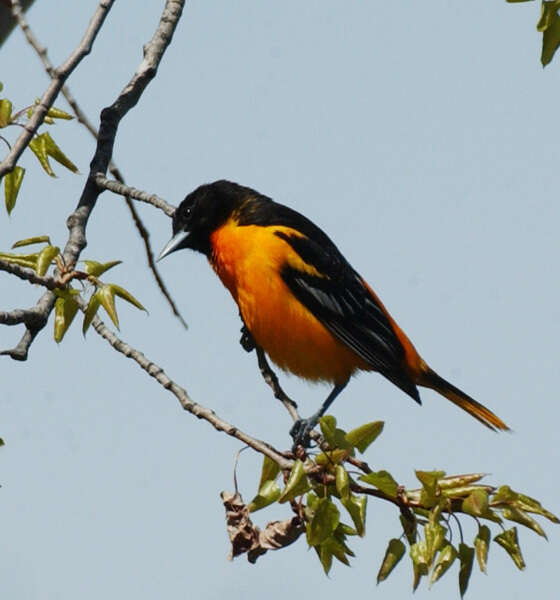
Baltimore Oriole
species of bird

Common Waxbill
species of bird

Yellow-crowned Night Heron
species of bird

Yellow-billed Cuckoo
species of bird

Chimney Swift
species of bird

Northern Bobwhite
species of bird

Eastern Screech Owl
species of bird

Great Curassow
species of bird

King Bird-of-paradise
species of bird

Amadina erythrocephala
species of bird

Red Lory
species of bird

Red-fan Parrot
species of bird

Ascension Frigatebird
species of bird

Grey-winged Trumpeter
species of bird

Red-tailed Amazon
species of amazon parrot
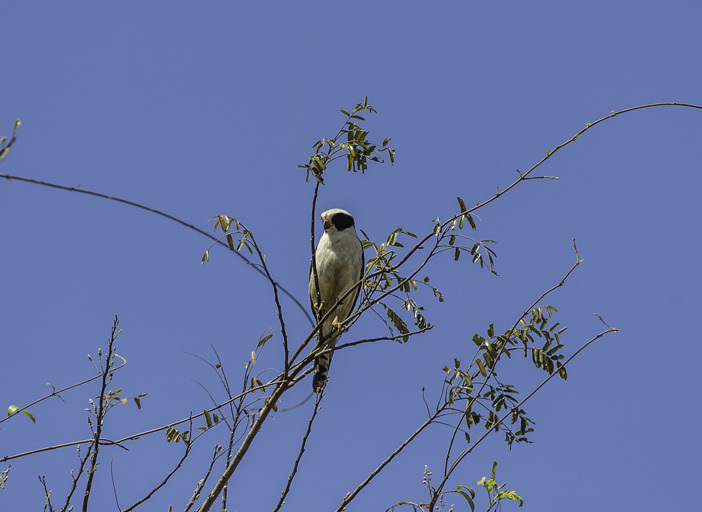
Laughing Falcon
species of bird
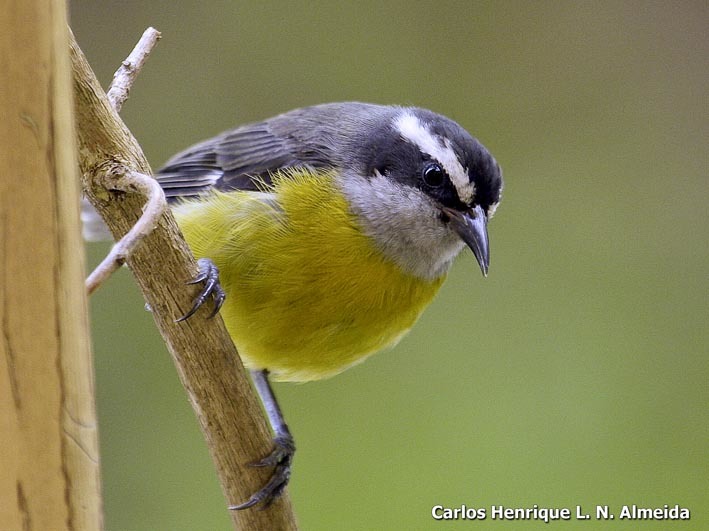
Bananaquit
The bananaquit (Coereba flaveola) is a species of passerine bird in the tanager family Thraupidae. Before the development of molecular genetics in the 21st century, its relationship to other species was uncertain and it was either placed with the buntings and New World sparrows in the family Emberizidae, with New World warblers in the family Parulidae or its own monotypic family Coerebidae. This small, active nectarivore is found in warmer parts of the Americas and is generally common.

Red-faced lovebird
species of bird

White-bellied swiftlet
species of bird in the Swift family (Apodidae)

Common Grackle
species of bird

Blue-headed Quail-Dove
species of bird