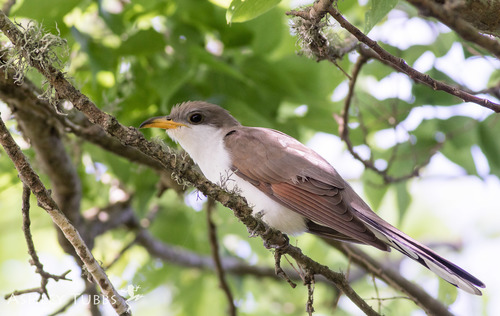
(c) Ashley Tubbs, some rights reserved (CC BY-ND) · cc-by-nd
OverviewAI-generated
The Yellow-billed Cuckoo (*Coccyzus americanus*) is a species of bird within the family Cuculidae and order Cuculiformes. Classified under the class Aves and phylum Chordata, the species was described by Linnaeus in 1758. Its parent taxon is *Coccyzus*. The organism is diurnal and has been assessed as Least Concern on the IUCN Red List in 2021.
The taxon range includes Brazil and South America. The species is accepted in taxonomic records and is known by several common names, including *Cuclillo piquigualdo* and *Gelbschnabelkuckuck*. It is an iconic taxon within the class Aves.
Synthesized by Vinony from 28 facts across 5 sources: Wikidata, iNaturalist, WoRMS, IUCN Red List, Vinony graph. Generated from structured data (not the Wikipedia text) and checked against those facts — may still contain errors.
Species
Least Concernyellow-billed cuckoo
Species
- PhylumChordata
- ClassAves
- OrderCuculiformes
- FamilyCuculidae
More often heard than seen, the Yellow-billed Cuckoo (11-13 inches) is most easily separated from the similar Black-billed Cuckoo (Coccyzus erythropthalmus) by its reddish-brown wing patches, white-and-black under-tail pattern, and the yellow on its bill. Other field marks include a long tail, thin body, and black legs. Male and female Yellow-billed Cuckoos are similar at all seasons. The Yellow-billed Cuckoo breeds across much of the eastern U.S. and southern Canada. Smaller numbers breed west of the Great Plains, in Mexico, and in the West Indies. All Yellow-billed Cuckoos spend the winter in South America. Yellow-billed Cuckoos breed in forests with plentiful undergrowth and clearings, particularly those near water. On migration, this species may be found in habitat similar to that inhabited during the summer months. Wintering Yellow-billed Cuckoos inhabit humid tropical forest. The diet of this species is composed primarily of large insects, including grasshoppers, cicadas, and caterpillars. Like many cuckoos, the Yellow-billed Cuckoo spends much of its time hidden in thick vegetation, where it is not easily seen. Lucky birdwatchers may observe this species slinking through the
via IUCN
Wikidata facts
Show 10 more facts
- taxon rank
- species
- IUCN conservation status
- Least Concern
- taxon name
- Coccyzus americanus
- Commons category
- Coccyzus americanus
- Commons gallery
- Coccyzus americanus
- taxon common name
- cuco-d'asa-vermelha
- taxon range
- South America
- diel cycle
- diurnality
- short name
- C. americanus
- Digital Atlas of Idaho URL
- digitalatlas.cose.isu.edu/bio/birds/cuckoo/ybcu/ybcu_mai.htm
via Wikidata · CC0
~5 min read
Encyclopedic overview
The yellow-billed cuckoo (Coccyzus americanus) is a member of the cuckoo family. Common folk names for this bird in the southern United States are rain crow and storm crow. These likely refer to the bird's habit of calling on hot days, often presaging rain showers or thunderstorms. The genus name is from the Ancient Greek kokkuzo, which means to call like a common cuckoo, and americanus means "of America".
Taxonomy
Excerpted from Wikipedia’s “Yellow-billed Cuckoo” article, available under the CC BY-SA 4.0 licence.