Category
page 1Birds described in 1789

Rock Dove
species of pigeon; the wild bird from which domesticated pigeons derive
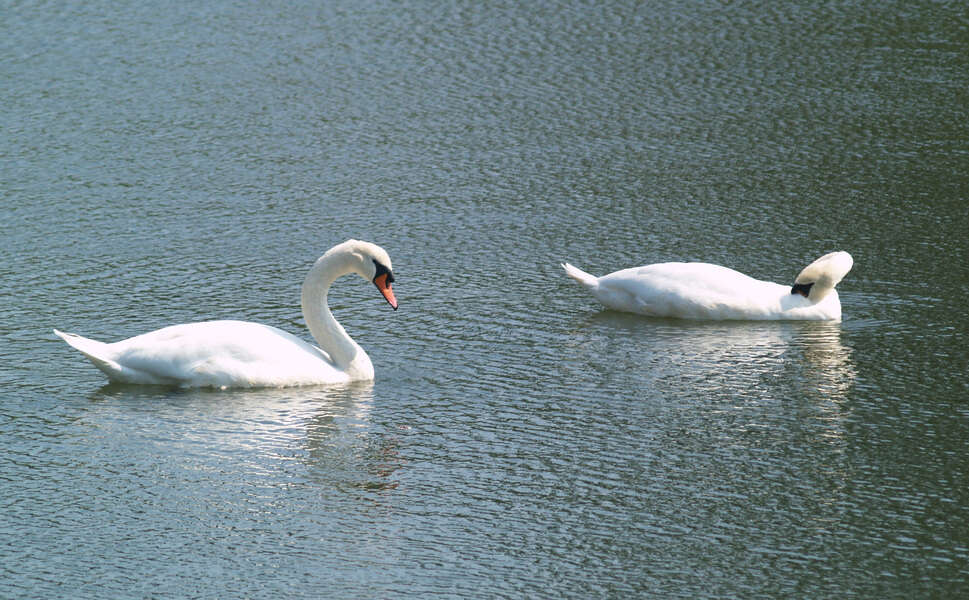
Mute Swan
species of swan

Gull-billed Tern
species of seabird

Spot-billed Pelican
species of bird

Pacific Golden Plover
species of bird

black-winged kite
species of bird

Hamerkop
thumb|Queen Elizabeth National Park, Uganda
The hamerkop (Scopus umbretta), also called the umbrette, is a medium-sized bird. It is the only living species in the genus Scopus and the family Scopidae. The species and family was long thought to sit with the Ciconiiformes but is now placed with the Pelecaniformes, and its closest relatives are thought to be the pelicans and the shoebill. The shape of its head with a long bill and crest at the back is reminiscent of a hammer, which has given this species its name after the Afrikaans word for hammerhead. It is a medium-sized waterbird with brown p

Ixobrychus cinnamomeus
species of bird

Pink-backed Pelican
species of bird
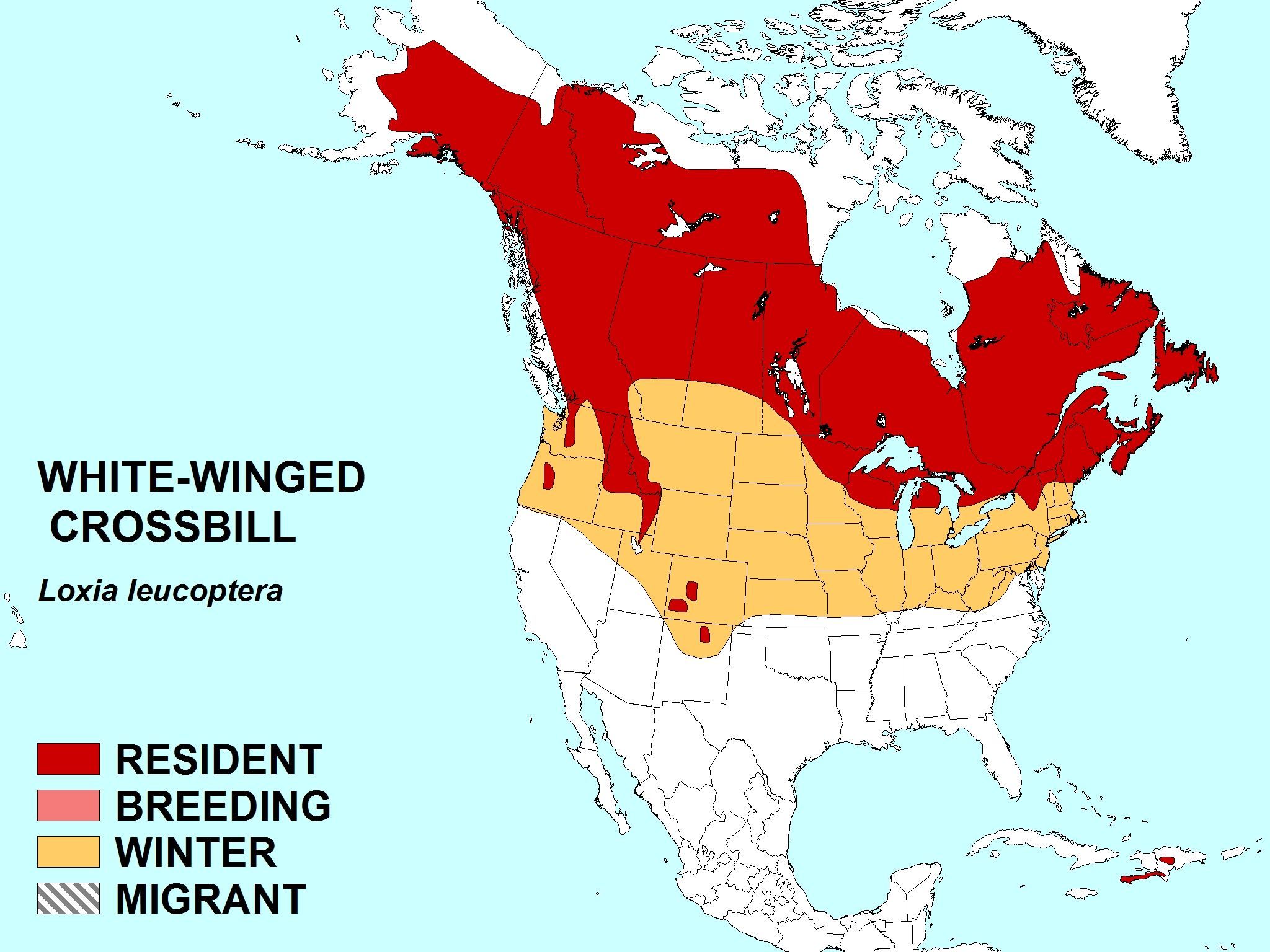
White-winged Crossbill
species of bird

Greater Adjutant
species of bird

Ruddy Duck
species of bird
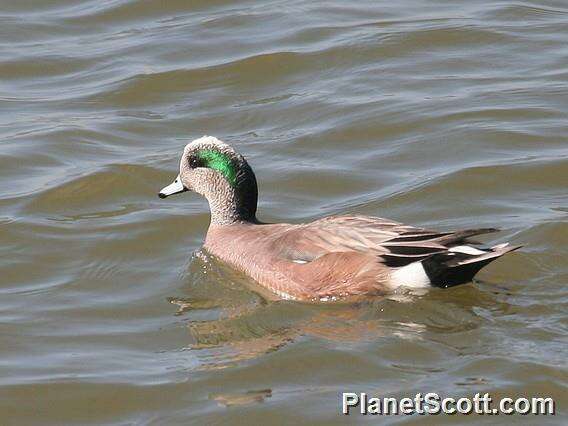
American wigeon
species of bird

African Jacana
species of bird

Yellow Bittern
species of bird
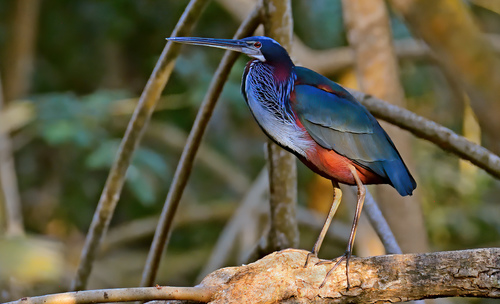
Agami Heron
species of bird

Pacific Reef Heron
species of bird
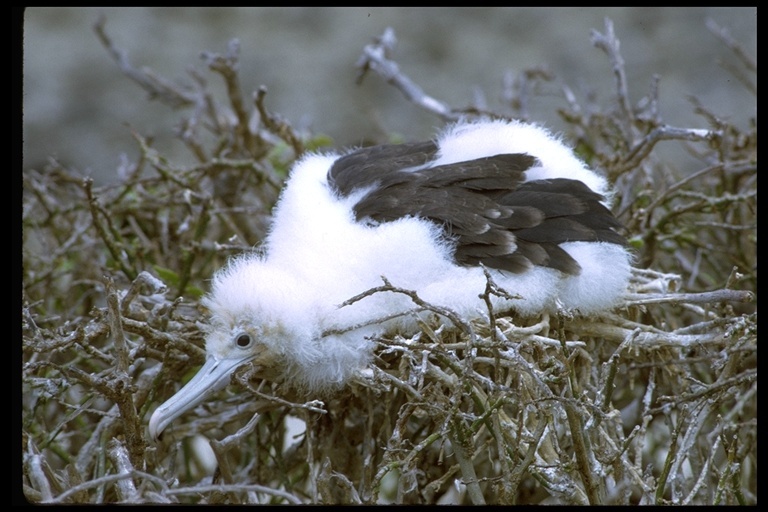
Great Frigatebird
species of bird

American White Pelican
species of bird

Common Buttonquail
species of bird

Lesser Yellowlegs
species of bird

Sooty Shearwater
species of bird
.jpg)
Watercock
The watercock (Gallicrex cinerea) is a waterbird in the rail and crake family, Rallidae that is widely distributed across Southeast Asia. It is the only member of the genus Gallicrex.

Cotton Pygmy Goose
species of bird

kererū
The kererū (Hemiphaga novaeseelandiae), also known as kūkupa (northern Māori dialects), New Zealand pigeon or wood pigeon, is a species of pigeon native to New Zealand. Johann Friedrich Gmelin described the bird in 1789 as a large, conspicuous pigeon up to in length and in weight, with a white breast and iridescent green–blue plumage. Two subspecies have been recognised; the second—the Norfolk pigeon of Norfolk Island—became extinct in the early 20th century. Kererū pairs are monogamous, breeding over successive seasons and remaining together when not breeding. They construct nests with twigs

Dendronanthus indicus
species of bird

Blue Duck
species of bird
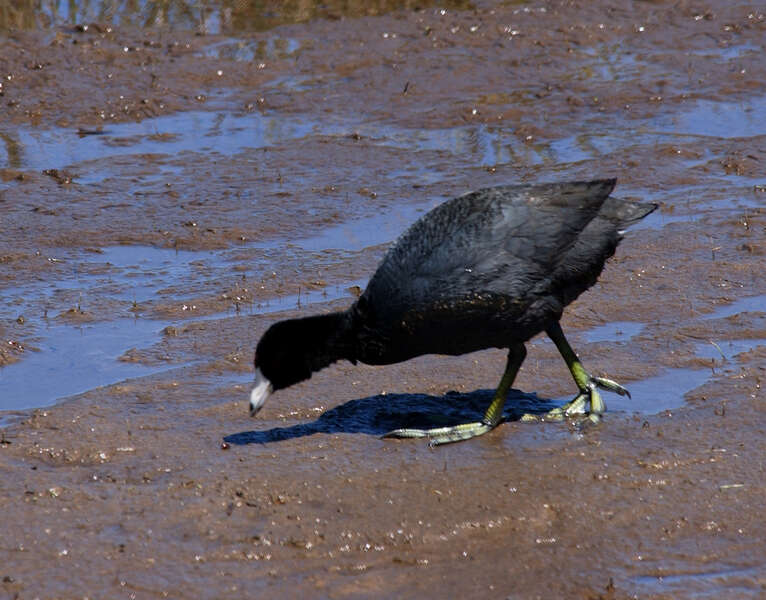
American Coot
species of bird

Eyebrowed Thrush
species of bird

Greater Yellowlegs
species of bird

Barrow's Goldeneye
species of bird in the duck family (Anatidae)

Southern Giant Petrel
species of bird

Curruca melanocephala
species of bird
Rodrigues solitaire
extinct species of bird
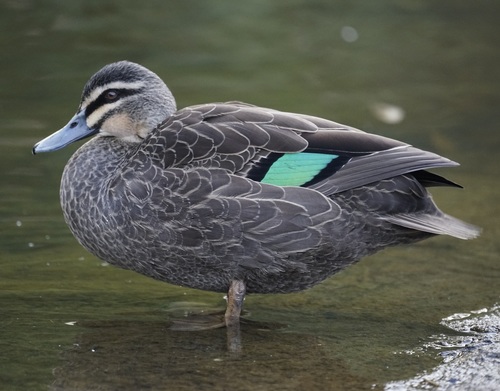
Pacific Black Duck
species of bird

Maguari Stork
species of bird

Blue Petrel
species of bird
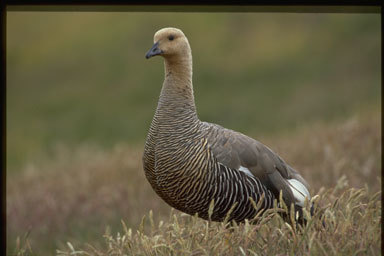
Upland Goose
species of bird

Barred Buttonquail
species of bird

Nankeen Night Heron
species of bird

Green-winged Teal
species of bird

Grey Francolin
species of bird

domesticated pigeon
subspecies of pigeon
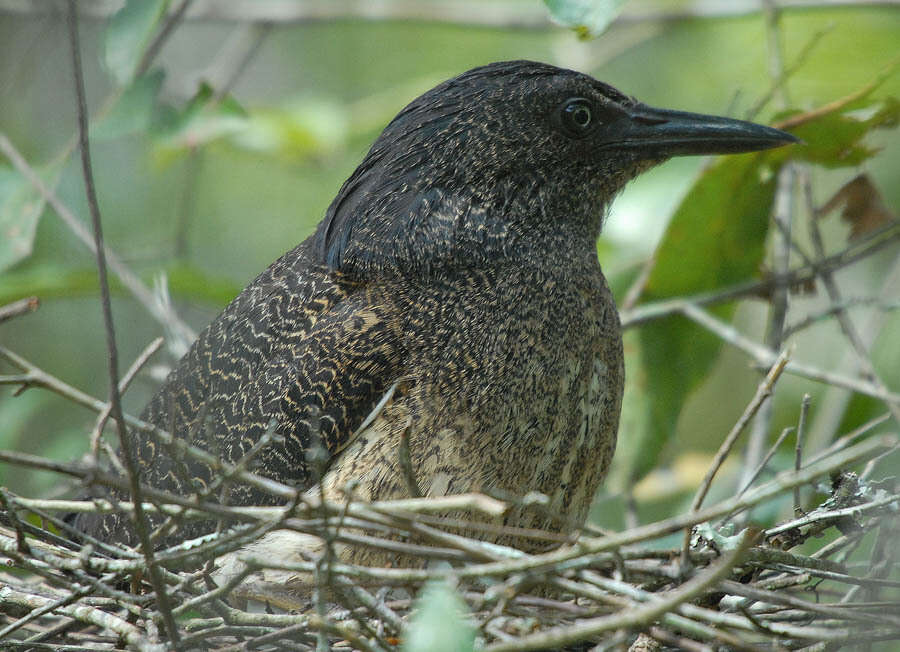
Zigzag Heron
species of heron

Amazonetta brasiliensis
species of bird

Antarctic Petrel
species of bird

Black Wheatear
species of bird

Yellow-billed Pintail
species of bird

Rain Quail
species of bird

Black-faced Ibis
species of bird

Brahminy Starling
species of bird

Curruca hortensis
species of bird
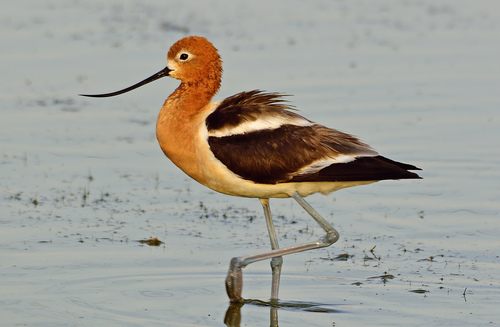
American Avocet
species of bird

Antarctic Tern
species of bird

Great Tinamou
species of bird

Chestnut-tailed Starling
species of bird
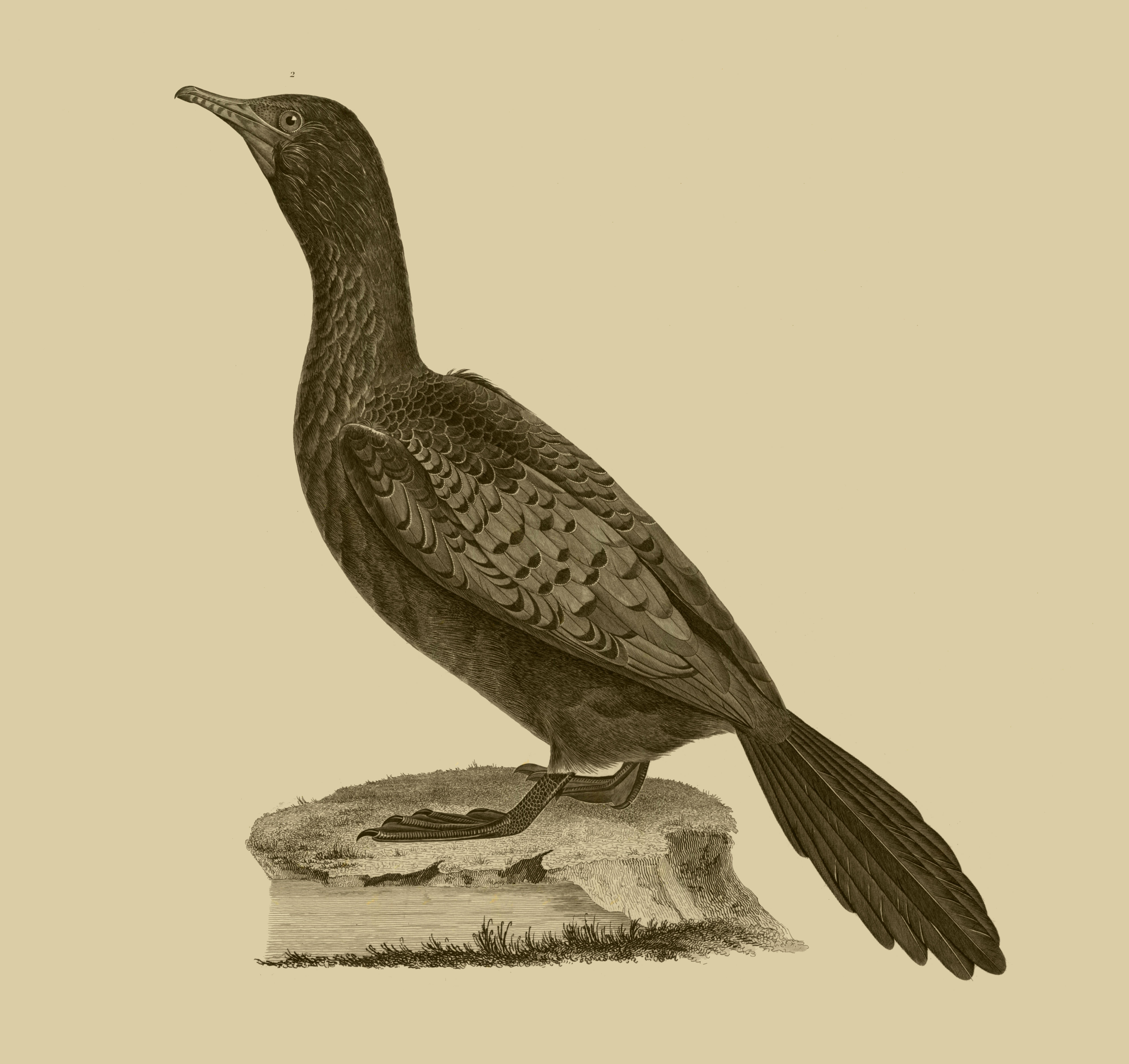
Reed Cormorant
species of bird

Red-billed Teal
species of bird

Wattled Crane
species of crane found in Africa

Red-knobbed Coot
species of bird