Category
page 1Brassicaceae genera

Brassica
Brassica () is a genus of plants in the cabbage and mustard family (Brassicaceae). The members of the genus are informally known as cruciferous vegetables, cabbages, mustard plants, or simply brassicas. Crops from this genus are sometimes called cole cropsderived from the Latin caulis, denoting the stem or stalk of a plant.

Sinapis
Sinapis is a genus of plants in the family Brassicaceae. , three species are accepted by Plants of the World Online:
Sinapis alba L. – white mustard, formerly Brassica alba
Sinapis flexuosa Poir.
Sinapis pubescens L.

Alyssum
Alyssum is a genus of over a hundred species of flowering plants in the family Brassicaceae, native to temperate Europe, Asia, and northern Africa, with the highest species diversity in the Mediterranean region. The genus comprises annual and perennial herbaceous plants or (rarely) small shrubs, growing to 10–100 cm tall, with oblong-oval leaves. Alyssum flowers are characteristically small and grouped in terminal clusters; they are often yellow or white colored but can be pink or purple.

Raphanus
Raphanus (Ancient Greek for "radish") is a genus within the flowering plant family Brassicaceae.

Matthiola
Matthiola () is a genus of flowering plant in the mustard family Brassicaceae. It is named after Italian naturalist Pietro Andrea Mattioli (1501–1577). The genus contains about 50 species of annual, biennial and perennial herbaceous plants and subshrubs. Many are cultivated for their heavily scented, colorful flowers.
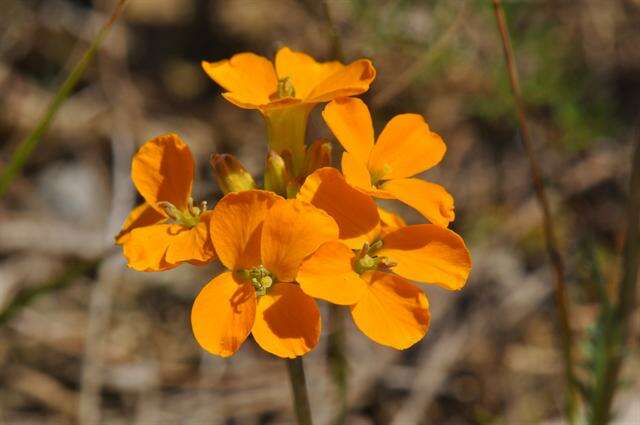
Erysimum
Erysimum, or wallflower, is a genus of flowering plants in the cabbage family, Brassicaceae. It includes more than 150 species, both popular garden plants and many wild forms. Erysimum is characterised by star-shaped (and/or two-sided) trichomes growing from the stem, with yellow, red, pink or orange flowers and multiseeded seed pods.

Lepidium
Lepidium is a genus of plants in the mustard/cabbage family, Brassicaceae. The genus is widely distributed in the Americas, Africa, Asia, Europe, and Australia. It includes familiar species such as garden cress, maca, and dittander. General common names include peppercress, peppergrass, pepperweed, and pepperwort. Some species form tumbleweeds.
The genus name Lepidium is from Greek meaning 'small scale', which is thought to be derived from a folk medicine usage of the plant to treat leprosy, which cause small scales on the skin. Another meaning is related to the small scale-like fruit.

Capsella
genus of plants

Cardamine
Cardamine is a large genus of flowering plants in the mustard family, Brassicaceae, known as bittercresses and toothworts. It contains more than 200 species of annuals and perennials. Species in this genus can be found in diverse habitats worldwide, except the Antarctic. The name Cardamine is derived from the Greek kardaminē, water cress, from kardamon, pepper grass.

Thlaspi
Thlaspi, or pennycress, is a genus of herbs of temperate regions of the Eurasian continent. They occur in Central and South Europe, South-West Asia and two species are endemic to China. The Thlaspi has been proven to be a hyperaccumulator of heavy metals such as zinc and cadmium and therefore may be used in phytoremediation initiatives.

Isatis
Isatis is a genus of flowering plants in the family Brassicaceae, native to the Mediterranean region east to central Asia. Its genus name, Isatis, derives from the ancient Greek word for the plant, ἰσάτις. The genus includes woad (Isatis tinctoria). Due to their extremely variable morphology, the Asian species in particular are difficult to determine; the only reliable diagnostic feature is the ripe fruit. They are (usually) biennial or perennial herbaceous plants, often bluish and hairless or downy hairy with the upright stem branched.

Armoracia
Armoracia is a genus of flowering plants of the family Brassicaceae, native to the Palaearctic. Its best known member is horseradish, Armoracia rusticana, which is the type species.
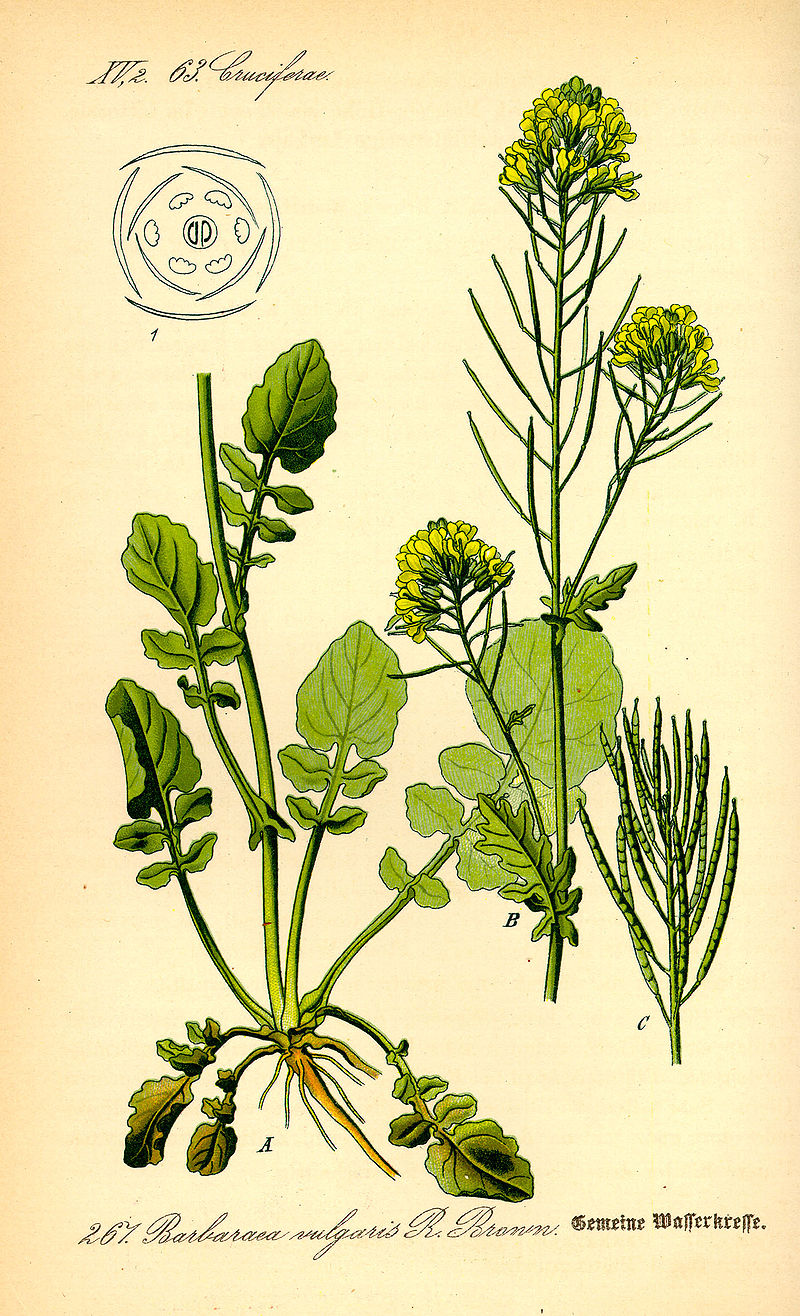
Barbarea
Barbarea (winter cress or yellow rocket) is a genus of about 29 species of flowering plants in the family Brassicaceae. Most are native to temperate regions of the Northern Hemisphere, with the highest species diversity in southern Europe and southwest Asia. They are small, herbaceous, biennial or perennial plants with dark green, deeply lobed leaves and yellow flowers with four petals.

Nasturtium
genus of plants

Draba
Draba is a large genus of flowering plants in the family Brassicaceae, commonly known as whitlow-grasses (though they are not related to the true grasses).

Sisymbrium
Sisymbrium is a genus of plants in the family Brassicaceae. Many of the common names for species in this genus include rocket, mustard, or hedge mustard.

Arabis
Arabis , or rockcress, is a genus of flowering plants, within the family Brassicaceae.

Iberis
Iberis ( ), commonly called candytuft, is a genus of flowering plants belonging to the family Brassicaceae. It comprises annuals, evergreen perennials and subshrubs native to the Old World. Species are native to the Mediterranean basin (southern Europe and North Africa), Western Asia, the Caucasus, and western Europe. The name "candytuft" is not related to candy, but derives from Candia, the former name of Iraklion on the Island of Crete.

Camelina
Camelina is a genus within the flowering plant family Brassicaceae. The Camelina species, commonly known as false flax, are native to Mediterranean regions of Europe and Asia. Most species of this genus have been little studied, with the exception of Camelina sativa, historically cultivated as an oil plant. Heinrich Johann Nepomuk von Crantz was the first botanist to use the genus Camelina in his classification works in 1762.

Arabidopsis
Arabidopsis (rockcress) is a genus of small flowering plants in the cabbage and mustard family, Brassicaceae. Arabidopsis species are native to temperate and subarctic Eurasia and North America, North Africa, and the mountains of eastern tropical Africa. This genus is of great interest since it contains thale cress (Arabidopsis thaliana), one of the model organisms used for studying plant biology and the first plant to have its entire genome sequenced. Changes in thale cress are easily observed, making it a very useful model.

Alliaria
Alliaria is a genus of flowering plants in the family Brassicaceae.

Lunaria
Lunaria is a genus of flowering plants in the family Brassicaceae. It is native to Europe and has been introduced to North America and elsewhere. Species include:
L. annua (syn. L. biennis), annual or biennial
L. rediviva, perennial
L. telekiana. rare Balkan species

Hesperis
Hesperis is a genus of flowering plants in the family Brassicaceae. Most are native to Eurasia, with several endemic to Greece and Turkey. Many plants of this genus bear showy, fragrant flowers in shades of purple and white. One of the more widely known species is the common garden flower Hesperis matronalis.
The genus name Hesperis was probably given because the scent of the flowers becomes more conspicuous towards evening (Hespera is the Greek word for evening).
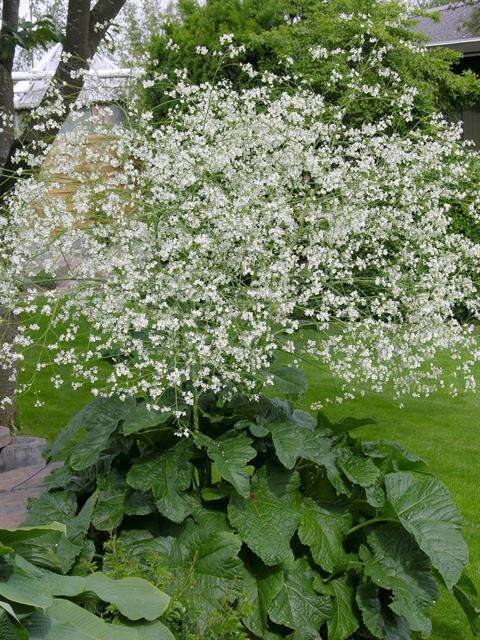
Crambe
Crambe is a genus of annual and perennial flowering plants in the family Brassicaceae, native to a variety of habitats in Europe, Turkey, southwest and central Asia and eastern Africa. They carry dense racemes of tiny white or yellow flowers on (mostly leafless) stems above the basal leaves. Crambe hispanica subsp. abyssinica, formerly known as Crambe abyssinica, is grown for the oil from the seeds that has characteristics similar to whale oil.

Aubrieta
Aubrieta (often misspelled as Aubretia) is a genus of flowering plants in the cabbage family Brassicaceae. The genus is named after Claude Aubriet, a French flower painter. It includes over 20 species native to southeastern Europe and Western Asia. Some species have escaped from gardens throughout Europe. It is a low, spreading plant, hardy, evergreen and perennial. It has small violet, pink, or white flowers, and it inhabits rocks and banks. It prefers light, well-drained soil, is tolerant of a wide pH range, and can grow in partial shade or full sun.

Rorippa
Rorippa is a globally distributed genus in the family Brassicaceae, with species occurring on all continents except for Antarctica. Rorippa species are natively distributed in the Northern Hemisphere through Eurasia and North America, and dispersed into the Southern Hemisphere through long-distance dispersal. Rorippa species are annual to perennial herbs, usually with yellow flowers and a peppery flavour. They are known commonly as yellowcresses.

Diplotaxis
genus of plants

Berteroa
Berteroa, the false madworts, is a genus of flowering plants of the family Brassicaceae, native to temperate Eurasia. Its best known member is the weedy invasive hoary alyssum, Berteroa incana.

Eruca
Eruca is a genus of flowering plants in the family Brassicaceae, native to the Mediterranean region, western and Central Asia, and China. It includes the leaf vegetable known as rocket or arugula.

Cakile
Cakile is a genus within the flowering plant family Brassicaceae. Species in this genus are commonly known as searockets, though this name on its own is applied particularly to whatever member of the species is native or most common in the region concerned, the European searocket Cakile maritima in Europe, and the American searocket C. edentula in North America. The genus is native to Europe, Asia and North America, but the European searocket has been introduced into North America and has spread widely on both east and west coasts; in many places it is replacing the native C. edentula, and is

Aethionema
thumb|Aethionema saxatile
Aethionema is a genus of flowering plants within the family Brassicaceae. They are known as stonecresses. Stonecresses originate from sunny limestone mountainsides in Europe and West Asia, especially Turkey. It is the only genus in the subfamily Aethionemoideae.
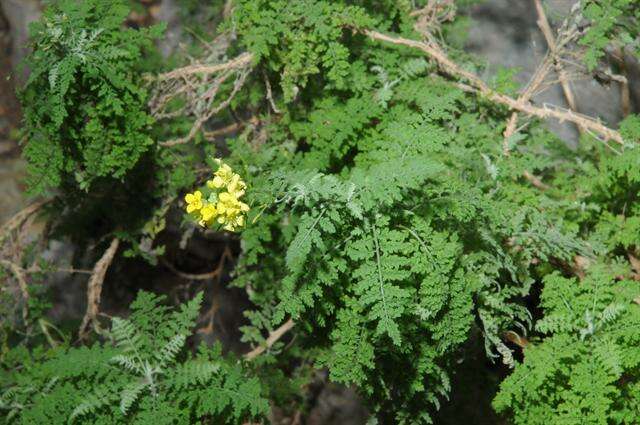
Descurainia
Descurainia is a genus of plants in the family Brassicaceae which are known commonly as the tansymustards. The genus name commemorates French botanist and herbalist François Descurain (1658–1749). The plants are similar in appearance to other mustards, sending up long erect stems and bearing small yellow or whitish flowers. Many species are noxious weeds. Some species are toxic to livestock and become a nuisance when they grow in grazing fields. Plants of this genus are found worldwide in temperate regions. Descurainia sophia, (flixweed or herb sophia), is the type species of Descurainia.

Malcolmia
Malcolmia is a genus of flowering plants from the family Brassicaceae. It includes 11 species native to the Mediterranean basin (North Africa and southeastern Europe), Western Asia, the Transcaucasus, Central Asia, and Pakistan.

Bunias
Bunias is a genus of flowering plants in the cabbage family Brassicaceae. The genus includes three accepted species which range from the Mediterranean region to central and Eastern Europe, Western Asia, Siberia, and northern China.
Bunias cochlearioides
Bunias erucago – crested warty cabbage, corn rocket
Bunias orientalis – Turkish rocket, hill mustard, Turkish warty cabbage, warty cabbage
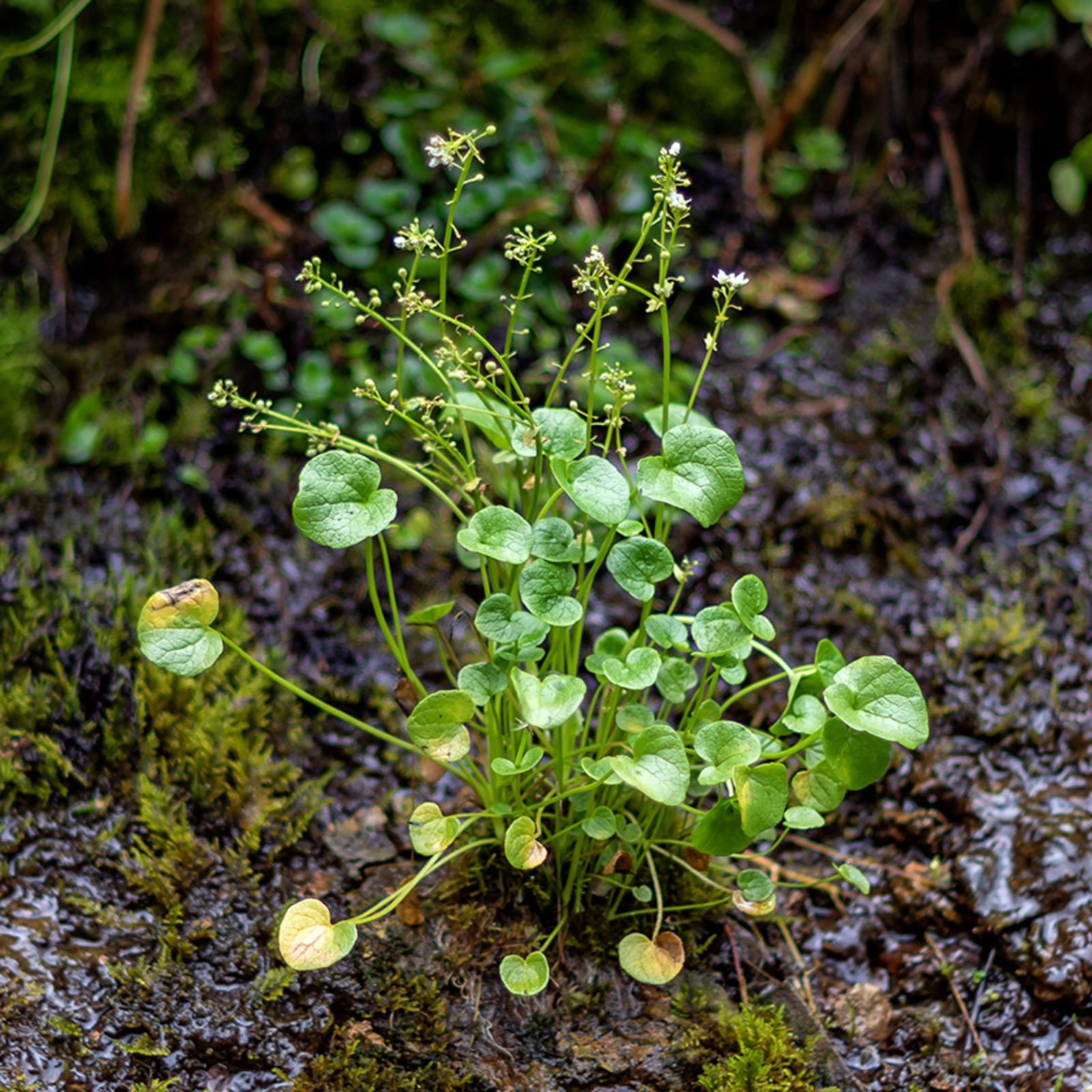
Cochlearia
Cochlearia (scurvy-grass or spoonwort) is a genus of about 30 species of annual and perennial herbs in the family Brassicaceae. They are widely distributed in temperate and arctic areas of the northern hemisphere, most commonly found in coastal regions, on cliff-tops and salt marshes where their high tolerance of salt enables them to avoid competition from larger, but less salt-tolerant plants; they also occur in alpine habitats in mountains and tundra.
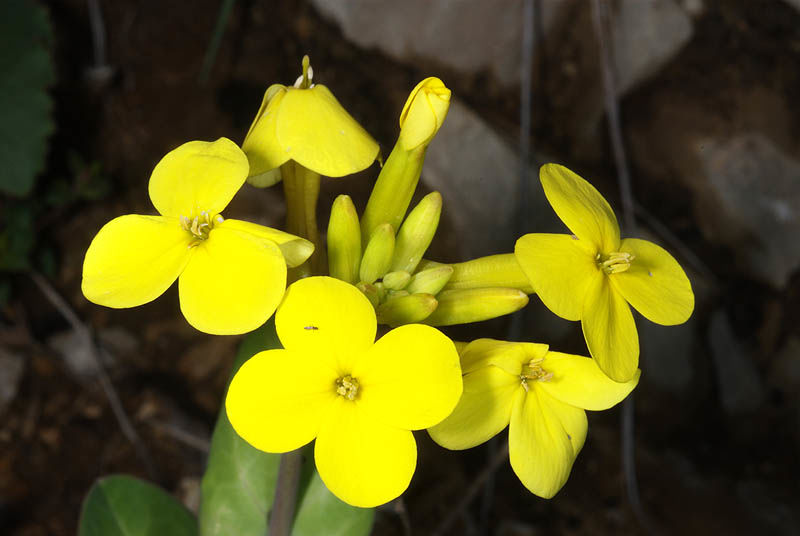
Conringia
Conringia is a genus of plants in the mustard family known commonly as '''hare's ear mustards'. These herbs are native to western and central Eurasia and north Africa, although one species Conringia orientalis'', is known on many continents as a common weed. The genus was named for the German philosopher Hermann Conring.

Teesdalia
Teesdalia is a genus in the plant family Brassicaceae. They are herbaceous plants native mostly to Europe and to the Mediterranean region. Shepherdscress is a common name for these plants.

Biscutella
Biscutella is a genus of over 50 species of flowering plants in the family Brassicaceae.

Eutrema
Eutrema is a genus of flowering plants of the family Brassicaceae, native to the Holarctic. Its best known member is wasabi, Eutrema japonicum. The name comes from the Greek εὐ- (eu-) 'well' et τρῆμα (trêma) 'hole', because of a hole in the septum of the fruit.

Erucastrum
thumb|Erucastrum nastutiifolium
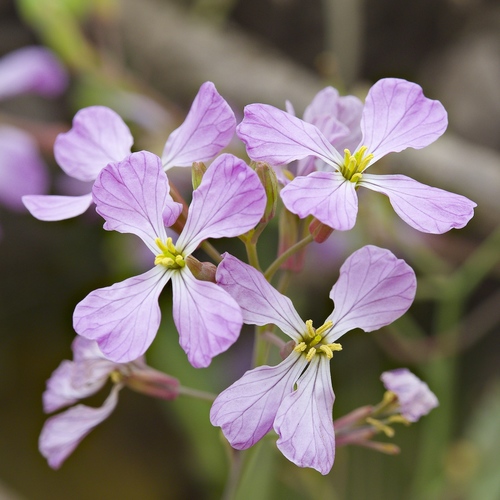
Rapistrum
Rapistrum, the bastard cabbages, is a genus of the family Brassicaceae with a distinctive cross like arrangement of its petals. It is also known as wild-turnip or turnipweed. Species of Rapistrum are annual to perennials (Lifespan from 1 to 2 or more years). The yellow petals are accompanied by sepals that stand vertically at near right angles (erecto-patent). Leaf shape and arrangement varies from rough toothed (dentate) to a configuration of opposingly lobed pairs along the plant stalk, pinnately lobed.

Lobularia
genus of plants
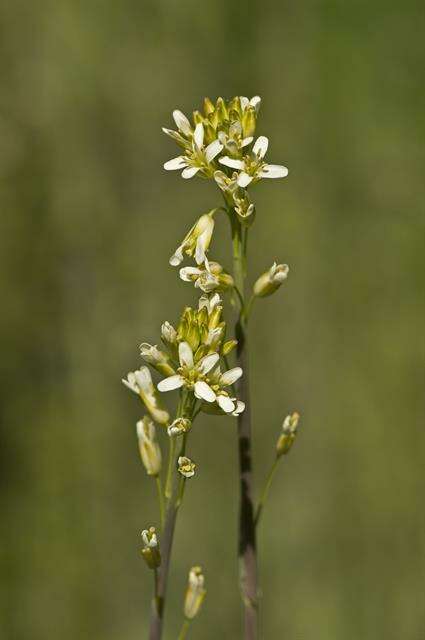
Turritis
Turritis (commonly known as towercress or tower mustard) is a plant genus in the family Brassicaceae. It contains the following two species:
Turritis glabra (tower rockcress)
Turritis laxa
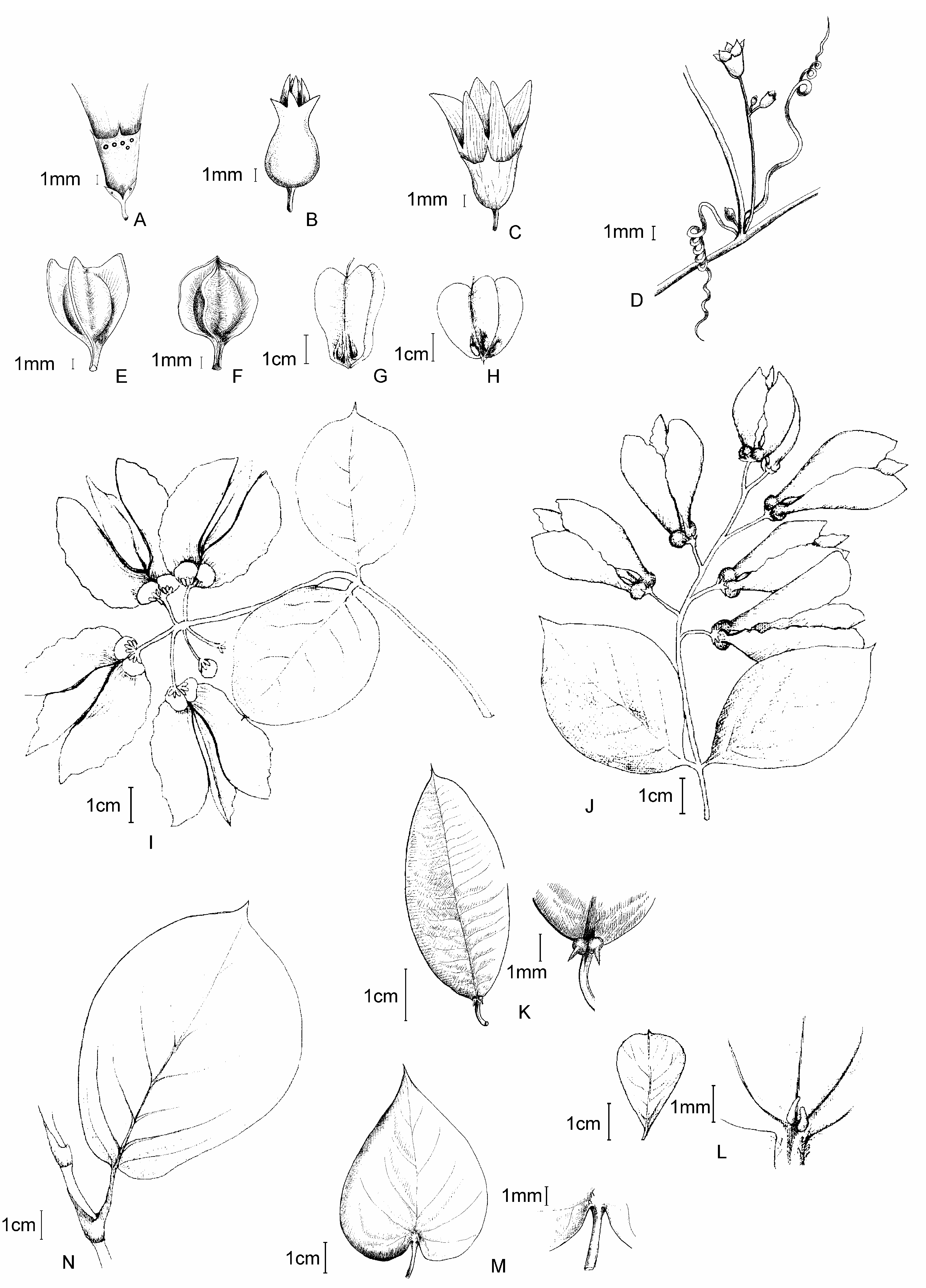
Hornungia
Hornungia is a small genus of plants in the family Brassicaceae. It currently contains three species that have previously been classified as members of other genera, including Hutchinsia and Pritzelago. The genera, and sometimes several others, are usually treated as synonyms.

Aurinia
The gastropod genus Aurinia is nowadays usually considered a junior synonym of Scaphella.
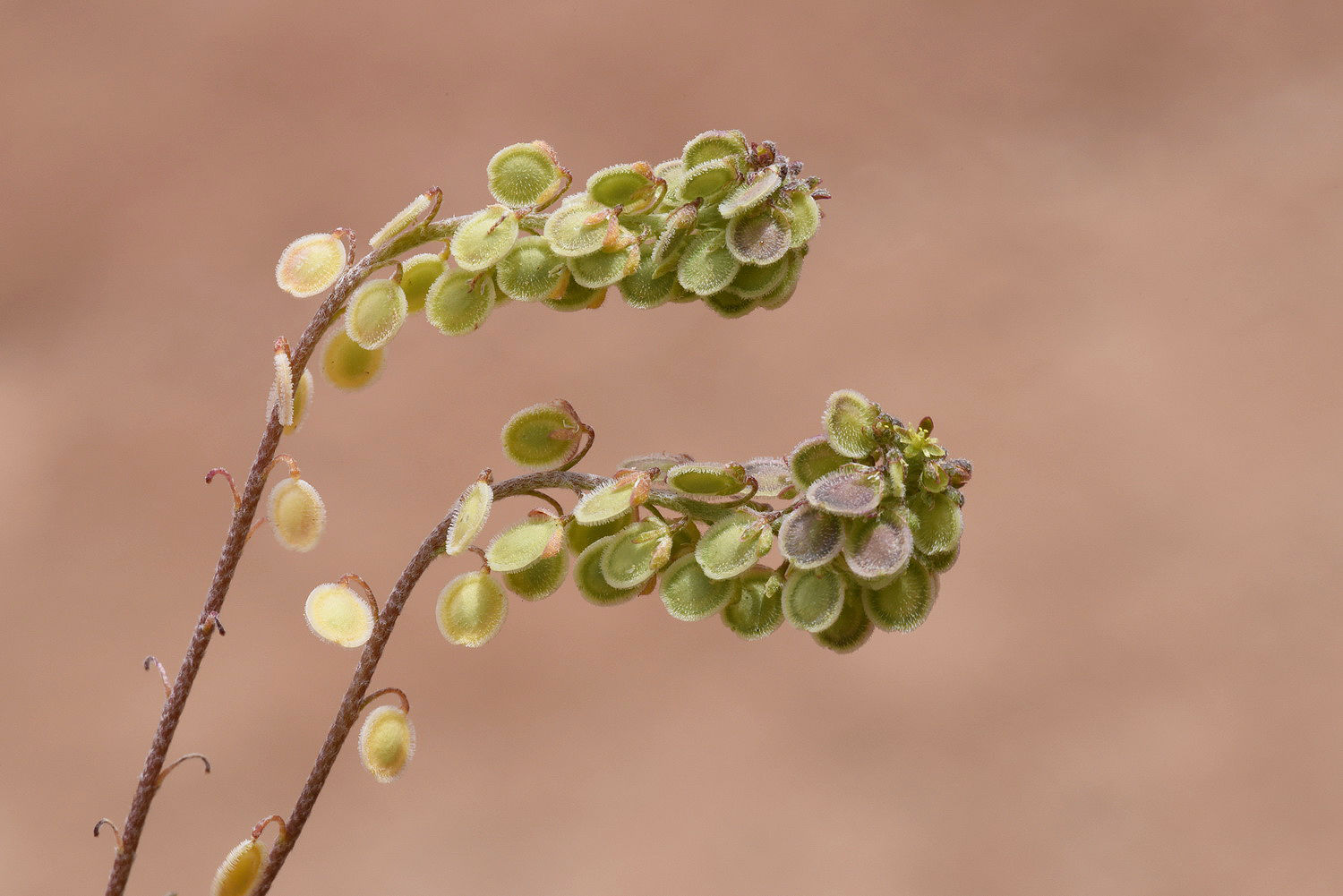
Clypeola
genus of plants
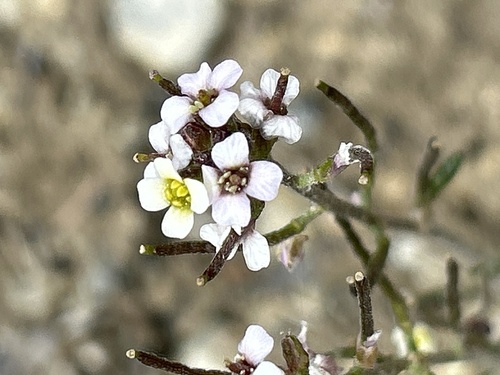
Braya
Braya is a genus of plants in the family Brassicaceae. It includes 22 species native to subarctic and subalpine Eurasia and North America.

Coronopus
thumb|Coronopus didymus
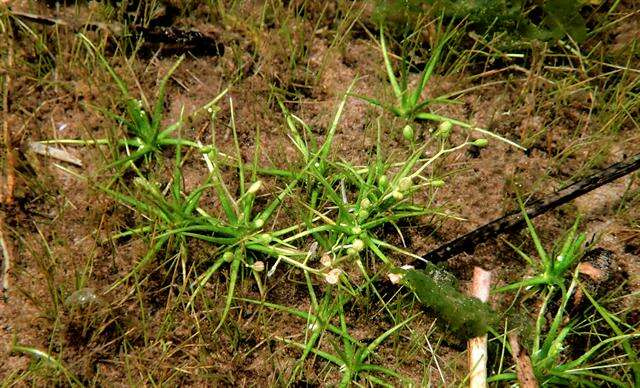
Subularia
Subularia is a genus of plants in the family Brassicaceae. Subularia species are annual herbs that grow in moist or even flooded soils. There are only two species of the genus: Subularia aquatica, which is widespread in North America and Europe; and Subularia monticola, from Africa mountains. Awlwort is a common name for plants in this genus.
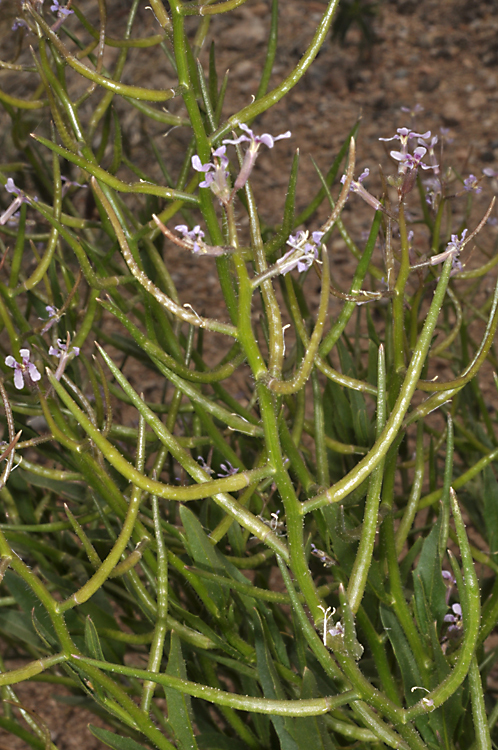
Chorispora
Chorispora is a genus of plant in the family Brassicaceae. It includes 13 species native to Eurasia, ranging from southeastern Europe to the Arabian Peninsula, China, and Siberia.

Noccaea
Noccaea is a problematic genus of flowering plants in the family Brassicaceae, native to temperate areas of western North America, southern South America, northern Africa, Europe and Asia.

Moricandia
Moricandia is a genus of plants of the family Brassicaceae. This genus is mainly distributed in North Africa, the Middle East, and Southern Europe. It is associated with arid and semi-arid environments. Flowers of this genus are actinomorphic-dissymmetrical and mostly lilac in color, although they vary from white to purple depending on the species and climatic conditions. Some species show extreme phenotypic plasticity for flower size, shape, and color. The fruits are two-valved dehiscent siliques with one or two sets of seeds per valve.

Coincya
Coincya is a genus of flowering plant that belongs to the family Brassicaceae. Three species of the plant are endemic to the British Isles, these being Coincya wrightii (Lundy cabbage), Coincya cheiranthos (nokkasinapit) and Coincya monensis, which has two subspecies, C. monensis subsp. monensis (Isle of Man cabbage) and C. monensis subsp. recurvata (star mustard). Another four species are endangered and endemic to the south-central Iberian peninsula.

Fibigia
Fibigia is a genus of flowering plants in the family Brassicaceae. It includes six species native to the eastern Mediterranean, Western Asia, and the Caucasus.
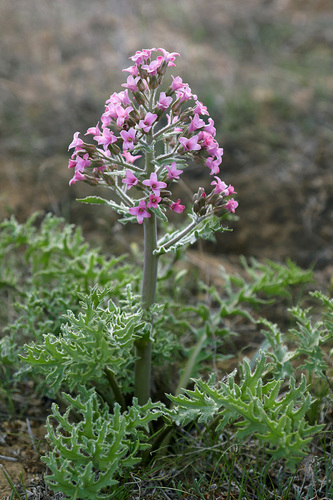
Megacarpaea
Megacarpaea is a genus of flowering plants belonging to the family Brassicaceae.
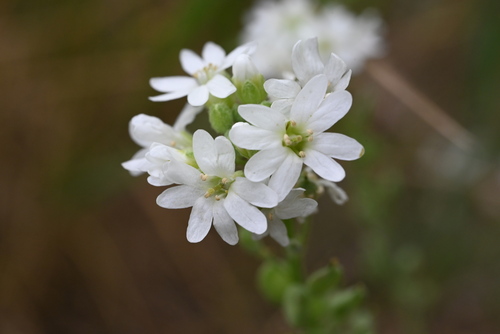
Farsetia
Farsetia is a genus of flowering plants in the family Brassicaceae. It includes 28 species native to northern, west-central, and Eastern Africa, the Arabian Peninsula, Western Asia, Pakistan, and India.

Physaria
Physaria is a genus of flowering plants in the family Brassicaceae. Many species are known generally as twinpods, bladderpods, or lesquerella. They are native to the Americas, with many species endemic to western North America. They are densely hairy annual and perennial herbs often growing prostrate or decumbent, along the ground in patches or clumps. They bear inflorescences of bright yellow flowers. The fruit is often notched deeply, dividing into twin sections, giving the genus its common name.

Heliophila
Heliophila is a genus of flowering plants in the family Brassicaceae. Members of this genus are either annuals or perennials and some are popular as ornamental plants. Endemic to southern Africa, the majority of the approximately 80 species grow in South Africa, particularly the Cape Floristic Region, while a few extend into the Namib Desert.

Boechera
Boechera (rockcress) is a genus of the family Brassicaceae. It was named after the Danish botanist Tyge W. Böcher (1909–1983), who was known for his research in alpine plants, including the mustards Draba and Boechera holboellii. According to recent molecular-based studies, Boechera is closely related to the genus Arabidopsis which also includes the widely known model plant Arabidopsis thaliana.
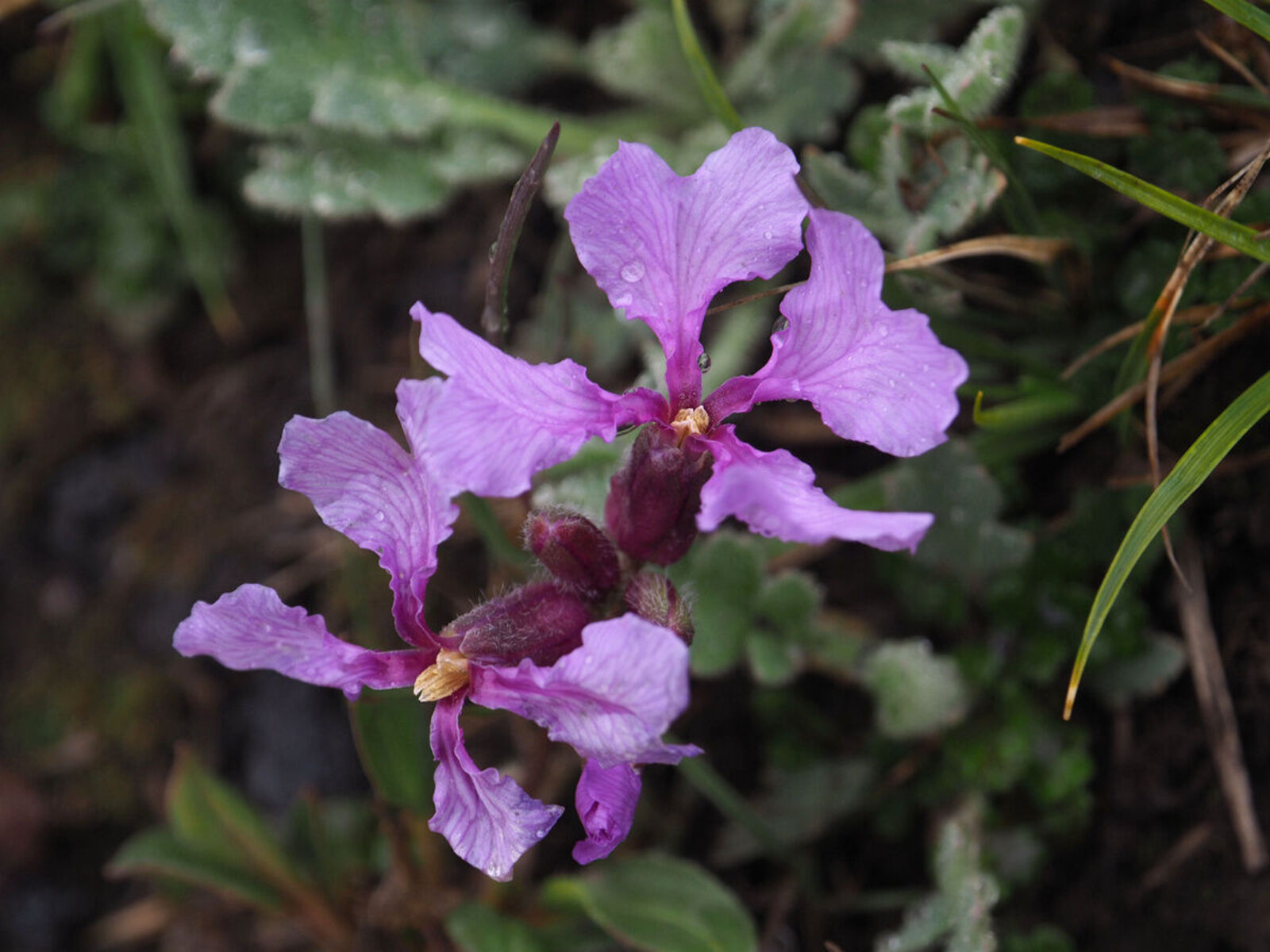
Parrya
Parrya is a genus of flowering plants in the family Brassicaceae, found in the arctic and subarctic biomes of the Northern Hemisphere, and in Central Asia. The center of diversity is the Tian Shan and Pamir-Alay mountain ranges.