Category
page 1British Army personnel of World War I

Winston Churchill
Sir Winston Leonard Spencer Churchill was a British statesman, military officer, and writer who was Prime Minister of the United Kingdom from 1940 to 1945, during the Second World War, and again from 1951 to 1955. For some 62 of the years between 1900 and 1964, he was a Member of Parliament (MP) and represented a total of five constituencies over that time. Ideologically an adherent to economic liberalism and imperialism, he was for most of his career a member of the Conservative Party, which he led from 1940 to 1955. He was a member of the Liberal Party from 1904 to 1924.

J. R. R. Tolkien
John Ronald Reuel Tolkien was an English writer and philologist. He was the author of the high fantasy works The Hobbit (1937) and The Lord of the Rings (1954–55).

Alfred Hitchcock
Sir Alfred Joseph Hitchcock was an English filmmaker. He is widely regarded as one of the greatest and most influential figures in the history of cinema. In a career spanning six decades, he directed over 50 feature films, many of which are still widely watched and studied today. Known as the "Master of Suspense", Hitchcock became as well known as any of his actors thanks to his many interviews, his cameo appearances in most of his films, and his hosting and producing the television anthology Alfred Hitchcock Presents (1955–65). Among other accolades, his films garnered 46 Academy Award nominations, including six wins, although he never won the award for Best Director, despite five nominations.

William Faulkner
American writer (1897-1962)

Alexander Fleming
Scottish biologist, pharmacologist, botanist, and Nobel laureate (1881–1955)

C. S. Lewis
British writer, lay theologian, and scholar (1898–1963)
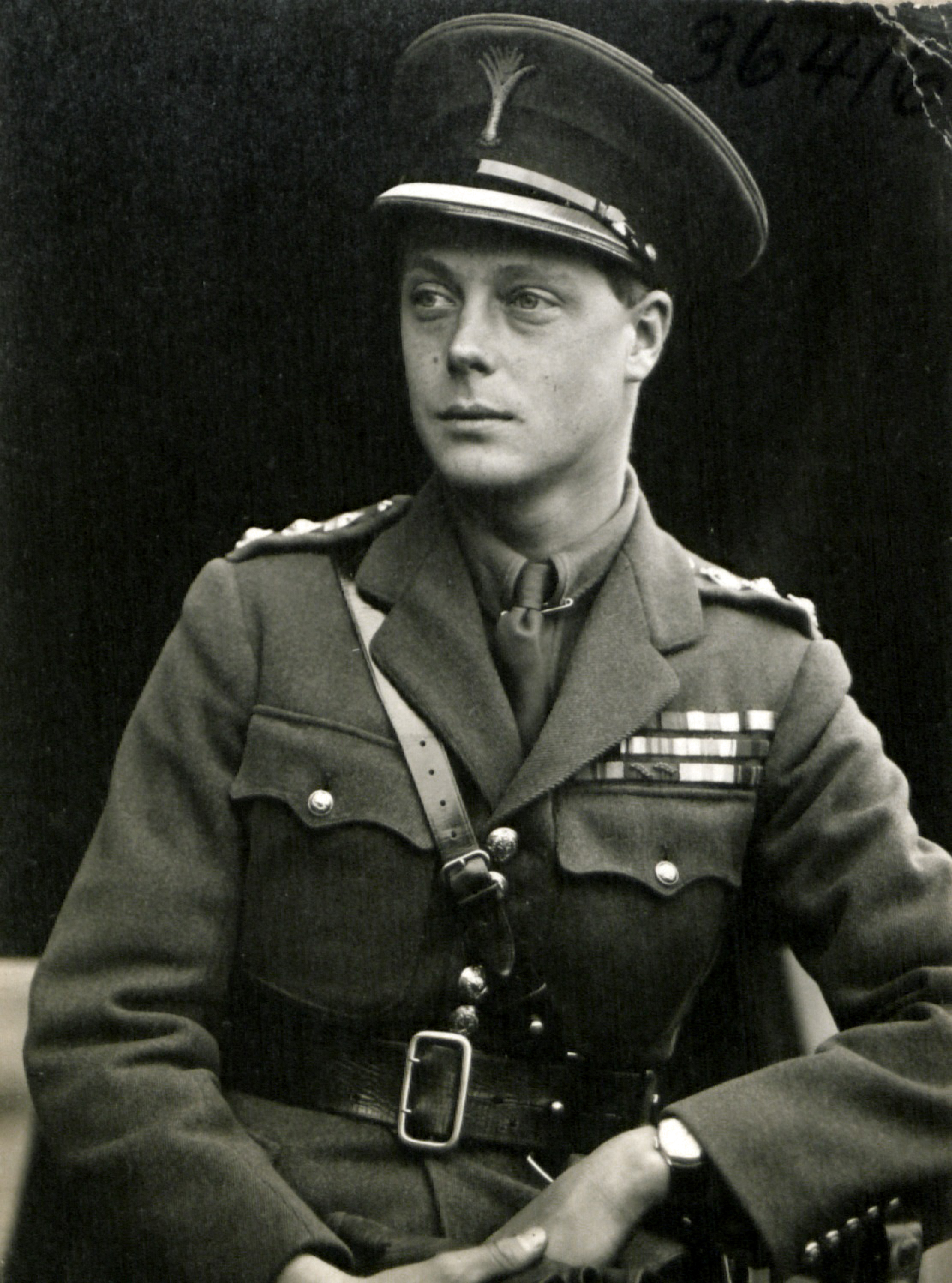
Edward VIII
Edward VIII, later known as the Duke of Windsor, was King of the United Kingdom and the British Dominions, and Emperor of India, from 20 January 1936 until his abdication in December of the same year.

Clement Attlee
Prime Minister of the United Kingdom from 1945 to 1951 (1883–1967)
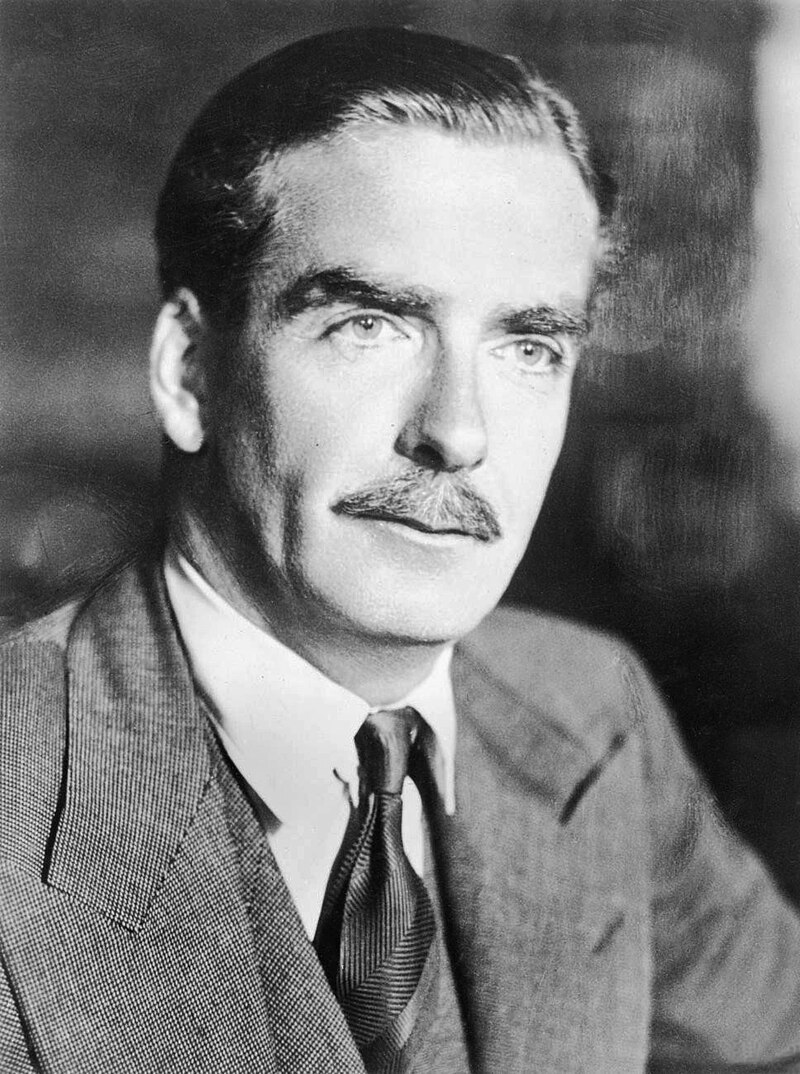
Anthony Eden
British soldier, diplomat and politician (1897–1977)

Harold Macmillan
Prime Minister of the United Kingdom from 1957 to 1963

T. E. Lawrence
British archaeologist, army officer and diplomat (1888–1935)

William Lawrence Bragg
Australian-born British physicist and X-ray crystallographer
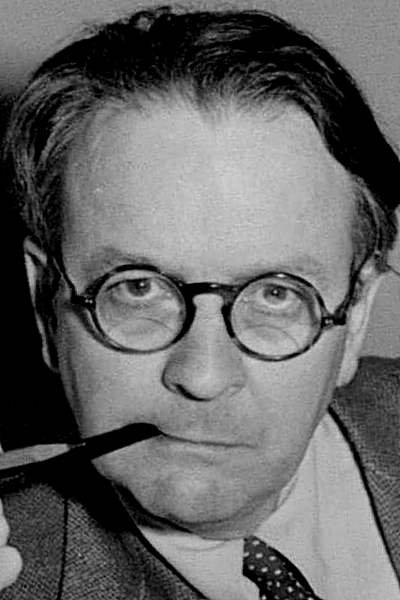
Raymond Chandler
American novelist and screenwriter (1888–1959)

Edward Victor Appleton
English physicist (1892–1965)
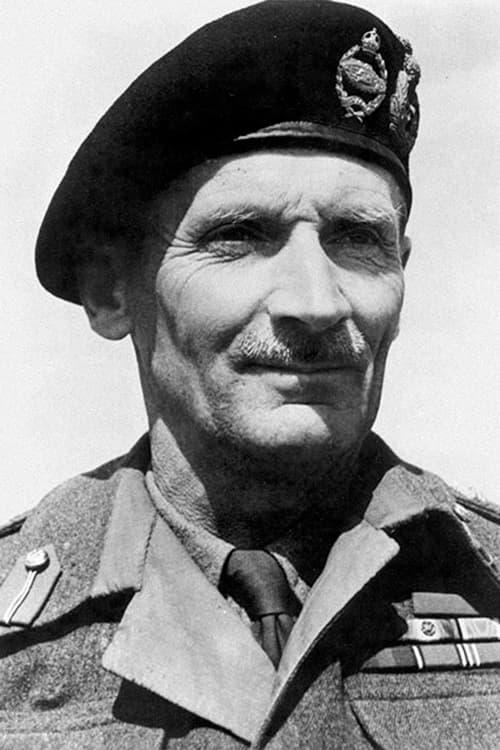
Bernard Montgomery
British Army officer (1887–1976)

George Paget Thomson
English physicist (1892–1975)

John Cockcroft
British physicist (1897–1967)

A. A. Milne
British author known for creating Winnie-the-Pooh (1882–1956)
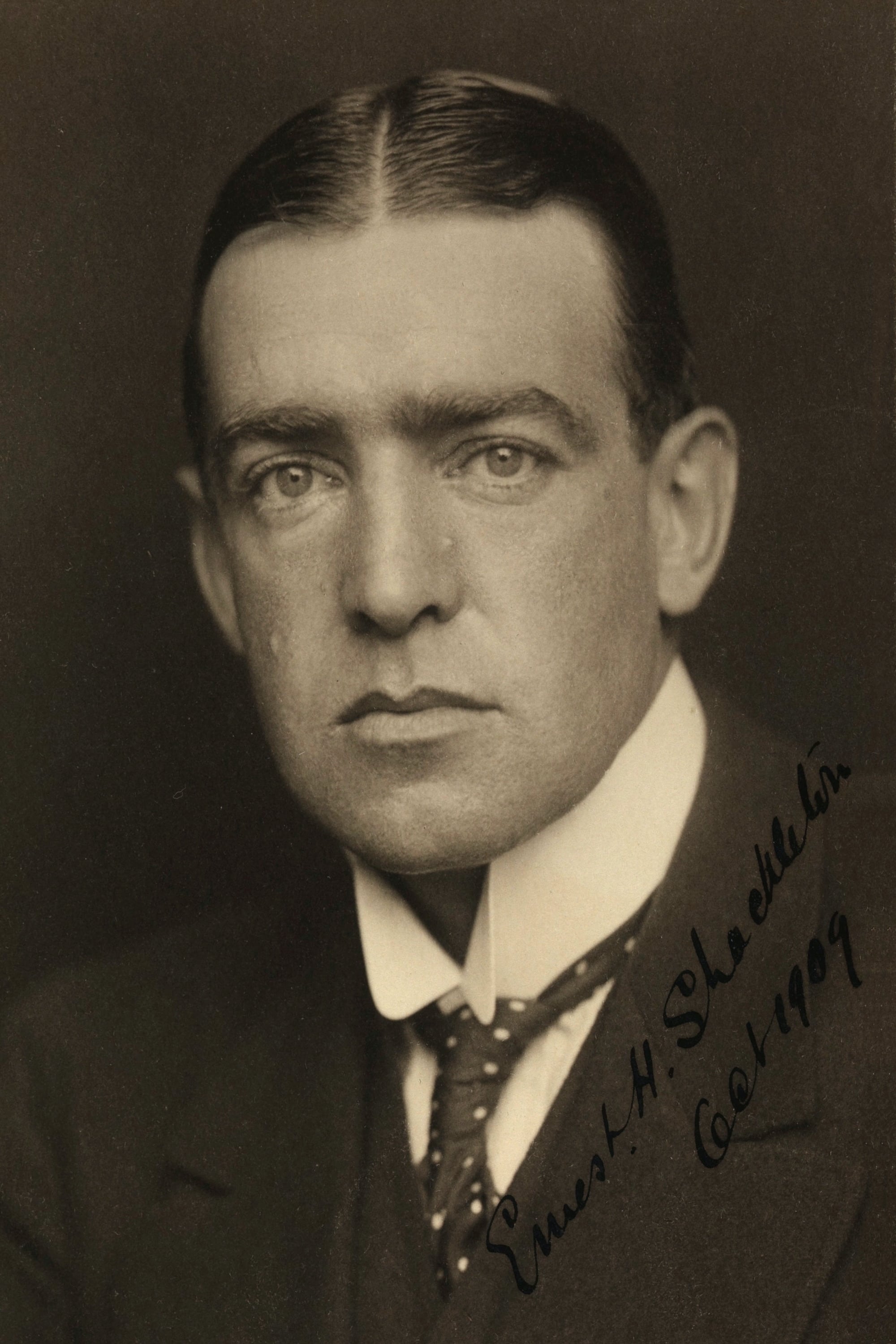
Ernest Shackleton
Anglo-Irish Antarctic explorer (1874–1922)

Robert Graves
English poet and novelist (1895-1985)

Henry Moore
English sculptor (1898–1986)
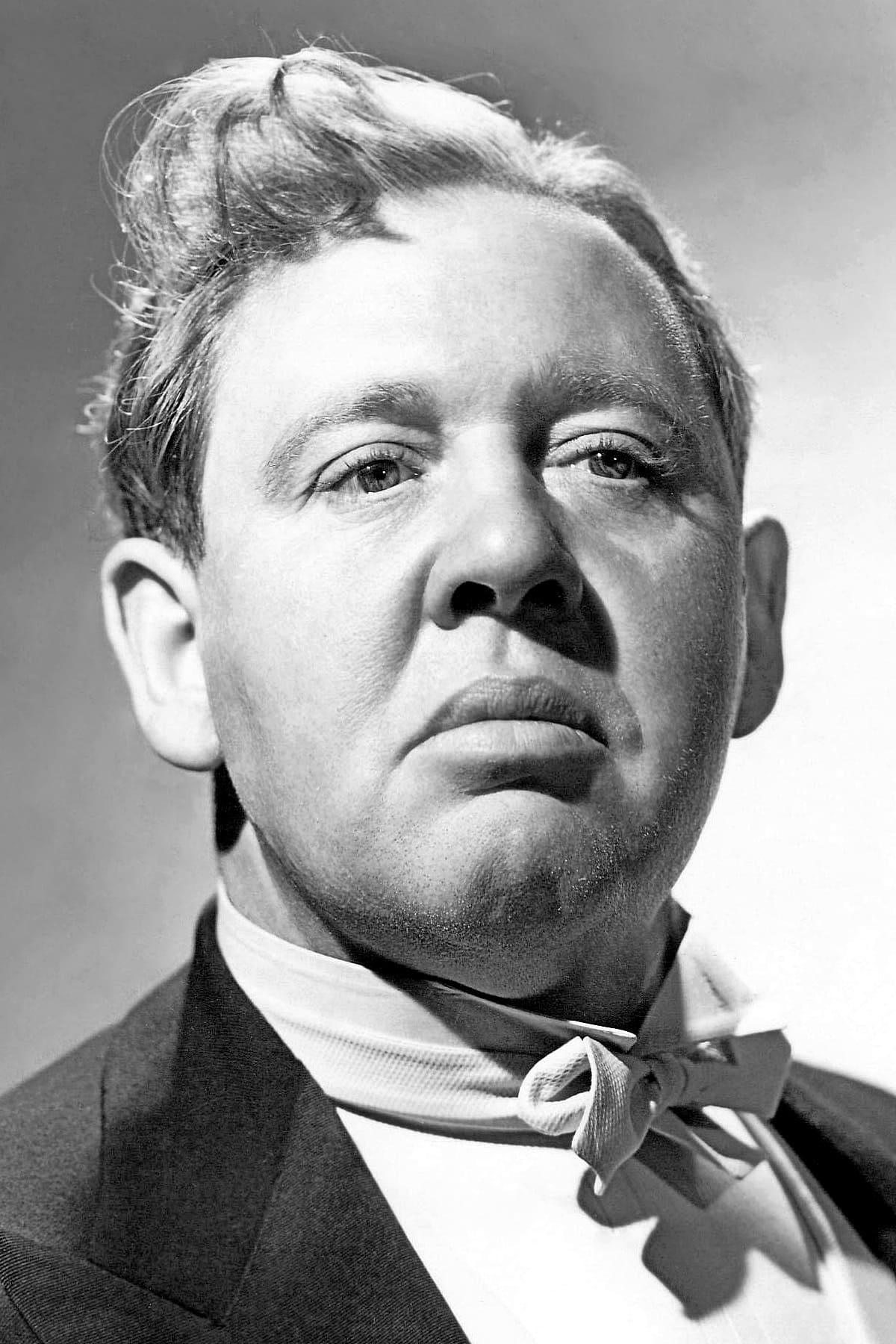
Charles Laughton
British-American actor (1899–1962)
Archibald Hill
English physiologist and biophysicist (1886-1977)

J.B.S. Haldane
Geneticist and evolutionary biologist (1892-1964)
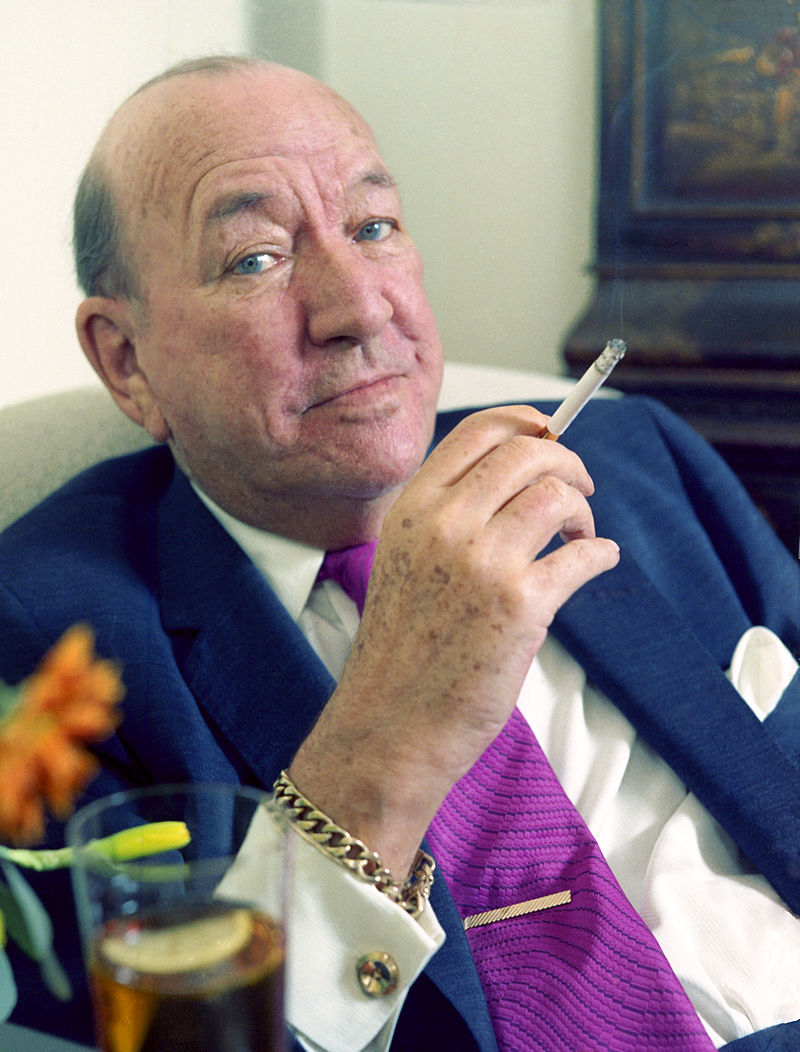
Noël Coward
English playwright, composer, director, actor, and singer (1899–1973)

Wilfred Owen
English poet and soldier (1893-1918)

Julian Huxley
British evolutionary biologist, philosopher, author (1887–1975)

Henry Moseley
English physicist

Richard Aldington
English writer and poet (1892–1962)
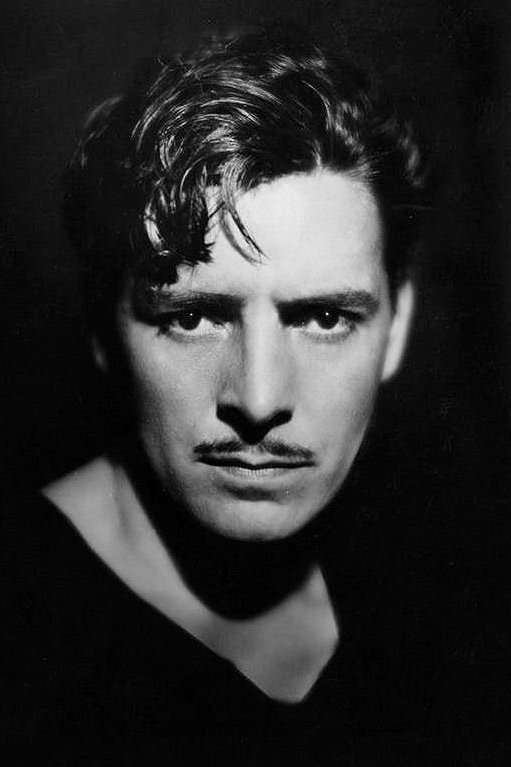
Ronald Colman
British actor (1891–1958)

John Boyd Orr
Scottish nutritionist, Director-General of the United Nations Food and Agriculture Organization (1880-1971)
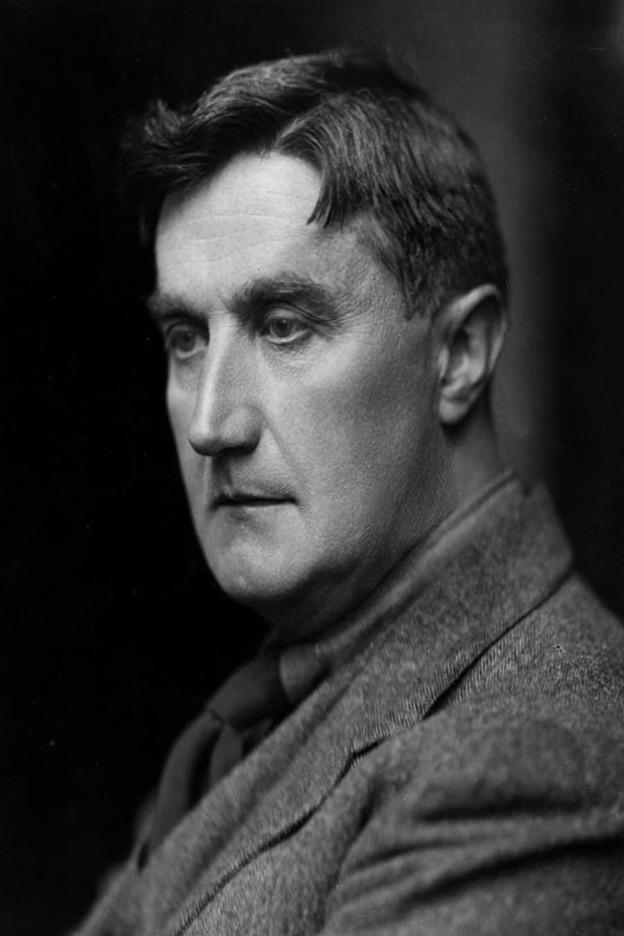
Ralph Vaughan Williams
English composer (1872-1958)

Saki
Hector Hugh Munro (18 December 1870 – 14 November 1916), popularly known by his pen name Saki and also frequently as H. H. Munro, was a British writer whose witty, mischievous and sometimes macabre stories satirise Edwardian society and culture. He is considered to be a master of the short story and is often compared to O. Henry and Dorothy Parker. Influenced by Oscar Wilde, Lewis Carroll and Rudyard Kipling, Munro himself influenced A. A. Milne, Noël Coward and P. G. Wodehouse.

John Buchan
Scottish author and politician (1875–1940)

Victor McLaglen
British-American actor (1886–1959)

Basil Rathbone
English actor (1892–1967)

George Mallory
English mountaineer (1886-1924)

Oswald Mosley
British aristocrat and fascist politician (1896–1980)

Claude Rains
British actor (1889–1967)

Stanley Rous
6th President of FIFA (1895–1986)

B. H. Liddell Hart
British historian and theoretician of war (1895-1970)

Harold Alexander, 1st Earl Alexander of Tunis
British military commander and field marshal; Governor General of Canada (1891-1969)

Leslie Howard
British actor (1893–1943)
Donald Crisp
English film actor and film director (1882–1974)

Siegfried Sassoon
English war poet and writer (1886-1967)
Edmund Gwenn
British actor (1877–1959)

A. S. Neill
Scottish educator and theorist (1883-1973)

Edward Wood, 1st Earl of Halifax
British politician (1881-1959)
J. B. Priestley
English writer (1894–1984)

S. M. Bruce
Australian politician, eighth Prime Minister of Australia (1883-1967)
Nevil Shute
British writer and engineer (1899–1960)
Percy Fawcett
British explorer, anthropologist and archaeologist (1867–1925)

Lionel Robbins, Baron Robbins
British economist (1898–1984)
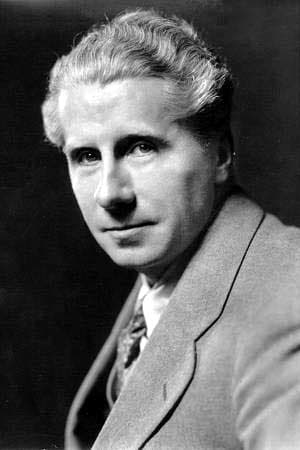
Hugh Lofting
British author (1886–1947)
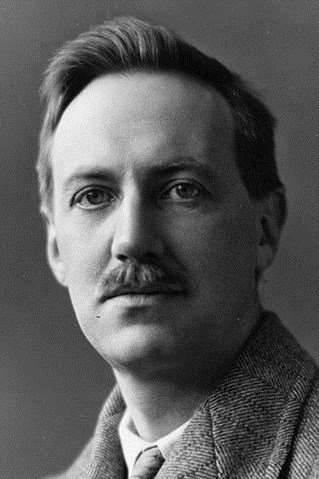
Edward Plunkett, 18th Baron of Dunsany
Irish writer and dramatist (1878-1957)

Alan Brooke, 1st Viscount Alanbrooke
British Field Marshal (1883-1963)
Hugh Dowding, 1st Baron Dowding
British officer in the Royal Air Force (1882-1970)

Herbert Edward Read
English anarchist, poet, and critic of literature and art (1893-1968)
James Whale
British-born American film director

Arthur Drewry
English football administrator (1891-1961)