Category
page 1Buddhist paintings
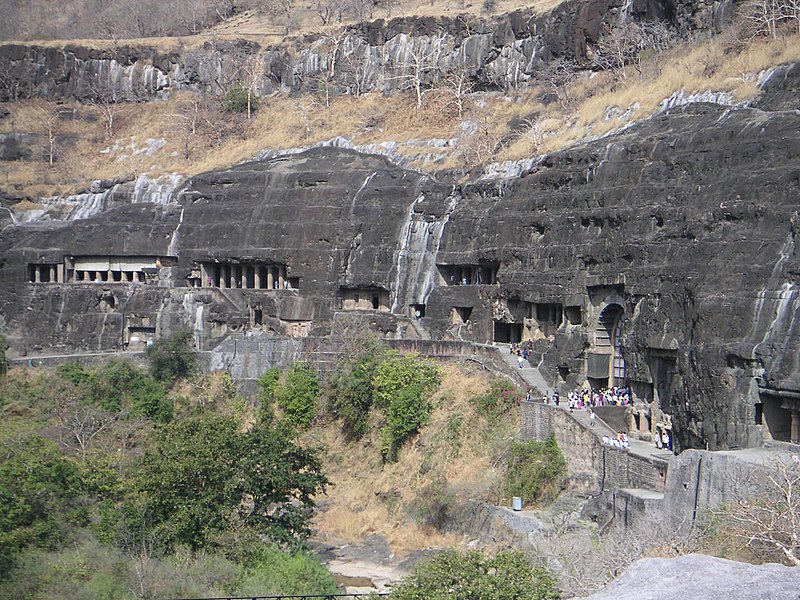
Ajanta Caves
2nd century BCE to 1st century CE Buddhist cave monuments located in Maharashtra, India

Mogao Caves
caves in Dunhuang City, Gansu, China

thangka
thumb|Buddha Vairocana, the “Resplendent One”. Pigments on cloth, 14th century
thumb|Thangka depicting Vajrabhairava, c. 1740
thumb|A large thangka hung on a Thangka wall|special wall at [[Gyantse in Tibet in 1938]]
Ten Bulls
series of short poems and drawings used in the Zen tradition

Chōjū-jinbutsu-giga
thumb|300px|Panel from the first scroll, a monkey thief runs from animals with long sticks
thumb|300px|Panel from the 3rd scroll, picturing two people jokingly playing tug-a-war with their heads
thumb|300px|Fragment from the fourth scroll, a man gets defeated in a wrestling match. Separated from the original at some point. Miho Museum
thumb|300px|Panel from the fourth scroll, samurai listen to their leader speak carefully

Buddha of Medicine Bhaishajyaguru
anonymous painting
Extermination of Evil
set of five handing scrolls held at the Nara National Museum
Ōtsu-e
thumb|upright=1.25|A Japanese family collaborating in producing Ōtsu-e
Ōtsu-e (, "pictures from Ōtsu") was a folk art that began in 17th century Japan and depended on the busy road traffic of the trade route through the district where it was produced in Ōtsu, near Kyoto. With the coming of railways, especially of the Tōkaidō line in the late 19th century, it largely disappeared.
Shigisan Engi Emaki
emakimono painted in the second half of the 12th century
Paradise of Maitreya
Yuan Dynasty wall painting by Zhu Haogu