Category
page 1Byzantine Iconoclasm

John of Damascus
Christian monk, priest, hymnographer and apologist (675/6-749)

Paschal I
pope

Leo III the Syrian
emperor of Byzantine Empire

iconoclasm
thumb|upright=1.2|Icon of the Triumph of Orthodoxy depicting the "[[Triumph of Orthodoxy" over iconoclasm under the Byzantine empress Theodora and her son Michael III, late 14th to early 15th century]]
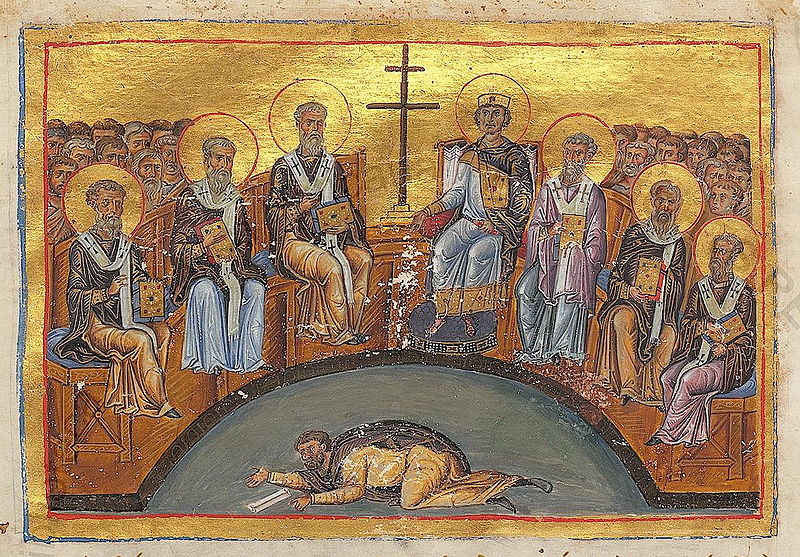
Second Council of Nicaea
ecumenical council of the Eastern Orthodox Church and the Catholic Church (787 AD)
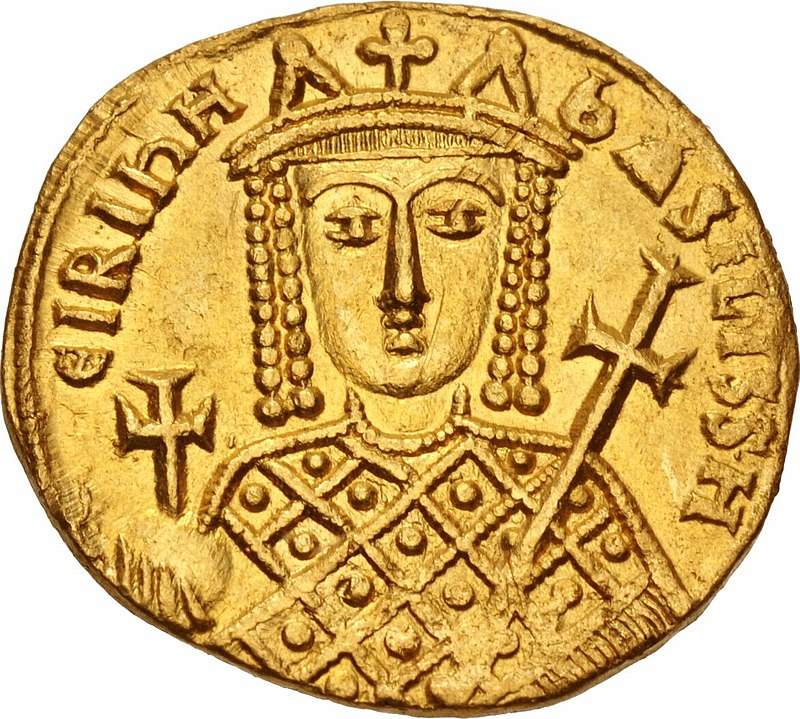
Irene of Athens
empress of Byzantine Empire (752-803)

Konstantinos V
emperor of Byzantium

Leo V the Armenian
Byzantine emperor (lived 775–820)

Theophilos
Byzantine emperor from 829 to 842

Michael II
Byzantine emperor

Artabasdos
Artabasdos or Artavasdos ( or , from , , , Latinized as Artabasdus) was a Byzantine general of Armenian descent who seized the throne from June 741 until November 743, in usurpation of the reign of Constantine V.
Theodora
9th-century Byzantine empress, wife of Theophilos
Byzantine Iconoclasm
Two periods in the history of the Byzantine Empire when the use of religious images or icons was opposed by religious and imperial authorities.
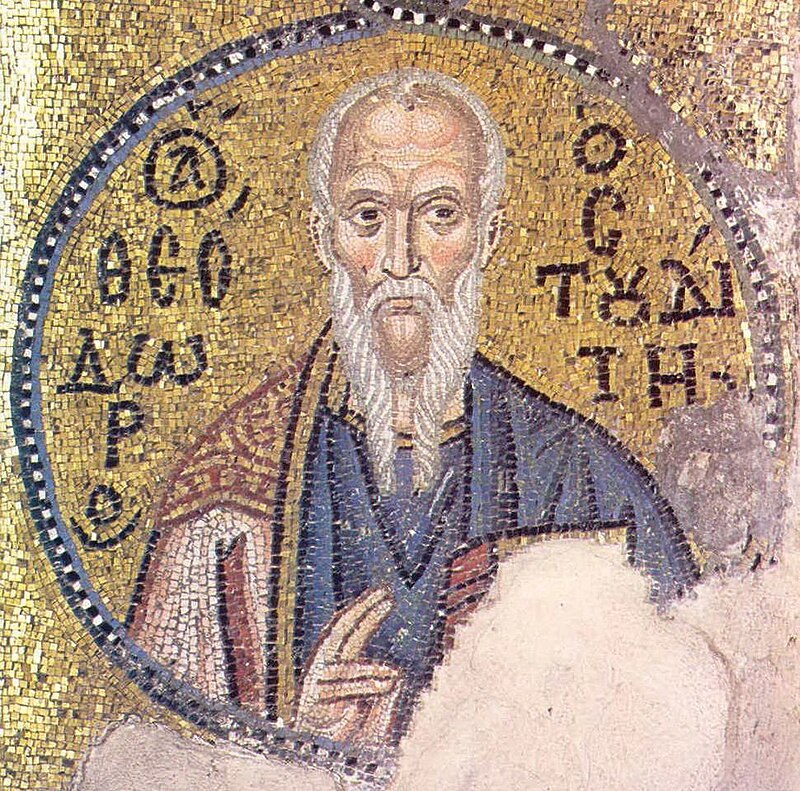
Theodore the Studite
Byzantine saint

Nikephoros I of Constantinople
patriarch of Constantinople

Methodios I of Constantinople
Patriarch of Constantinople
Germanus I of Constantinople
Patriarch of Constantinople
John VII of Constantinople
Patriarch of Constantinople
Council of Hieria
synod

iconodule
Iconodulism (also iconoduly or iconodulia) designates the religious service to icons (kissing and honourable veneration, incense, and candlelight). The term comes from Neoclassical Greek εἰκονόδουλος (eikonodoulos) (from – icon (image) + – servant), meaning "one who serves images (icons)". It is also referred to as iconophilism (also iconophily or iconophilia from – icon (image) + – love) designating a positive attitude towards the religious use of icons. In the history of Christianity, iconodulism (or iconophilism) was manifested as a moderate position, between two extremes: iconoclasm (radic
Theodotus I of Constantinople
Patriarch of Constantinople from 815–821
Nicetas I of Constantinople
Patriarch of Constantinople
Paul IV of Constantinople
Patriarch of Constantinople
Antony I of Constantinople
Patriarch of Constantinople (821-837)
Feast of Orthodoxy
Feast observed in Orthodox Christianity
Michael of Synnada
Bishop Synnada
Anastasius of Constantinople
Patriarch Anastasius of Constantinople
Constantine II of Constantinople
Patriarch of Constantinople
Siege of Nicaea
Unsuccessful attempt by the Umayyad Caliphate to capture the Byzantine city of Nicaea in 727
Michael Lachanodrakon
Byzantine governor and general (died 792)
Lazarus Zographos
9th-century Byzantine Christian saint (810-867) (c.810-867)
Libri Carolini
essay by Theodulf of Orléans
Stephen the Younger
Byzantine saint
Nicetas of Medikion
Byzantine saint
Grigorios of Dekapolis
Byzantine monk
Plato of Sakkoudion
Byzantine saint
Joannicius the Great
Byzantine saint
Theophylact of Nicomedia
Byzantine bishop and saint
Theodosia of Constantinople
Greek saint
Ignatios the Deacon
Byzantine writer
Zelve village
Byzantine-era settlement in Cappadocia
Andrew of Crete
Byzantine iconophile martyr
Euthymius of Sardis
Bishop of Sardis
Theodorus and Theophanes
Palestinian Christian monk duo
Sergios Niketiates
Eastern Orthodox saint venerated for his role in the restoration of the veneration of icons
John V of Jerusalem
patriarch of Jerusalem
Basil of Jerusalem
Patriarch lf Jerusalem
Lateran Council of 769
synod held in the Basilica of St. John Lateran in 769; rectified abuses in the papal electoral process which had led to the elevation of the Antipopes Constantine II and Philip; condemned the Council of Hieria (754)
Council of Constantinople
local council that restored Iconoclasm
iconolatry
Iconolatry (Greek: εἰκών, eikon, 'picture or image', + λατρεία, latreia, 'veritable (full) worship or adoration') designates the idolatric worship or the adoration of icons. In the history of Christianity, iconolatry was mainly manifested in popular worship, as freedom of worship while others viewed it as superstitious belief in the divine nature of icons or deities. It was practiced as a focal point on icons, and other deities representing various saints, angels and God. One of the extreme practices of iconolatry was scraping parts of icons into the Holy Communion.

Pelekete monastery
ruined Byzantine-era monastery in Turkey
Michael Melissenos
Byzantine general and aristocrat
Iosif Ispovednik
Archbishop of Thessalonica (d. 832)
Basil the Confessor
Eastern Orthodox monk and saint
Konstantinos Podopagouros
John of Constantinople
Byzantine saint
Saint Symeon Stylites of Lesbos
Byzantine monk, ascetic, opponent of iconoclasm, saint
Hilarion of Pelekete
Byzantine monk
George the Standard-Bearer
Archbishop of Mytilene from 804-815
Saint Nicetas the Patrician
Byzantine official and saint