Category
page 1Caviomorpha
.jpg)
Caviidae
Caviidae, the cavy family, is composed of rodents native to South America and includes the domestic guinea pig, wild cavies, and the largest living rodent, the capybara. They are found across South America in open areas from moist savanna to thorn forests or scrub desert. This family of rodents has fewer members than most other rodent families, with 19 species in seven genera in three subfamilies.

New World porcupine
family of mammals

Chinchillidae
The family Chinchillidae is in the order Rodentia and consists of the chinchillas, the viscachas, and their fossil relatives. This family is restricted to southern and western South America, mostly living in mountainous regions of the Andes, except one species living on plains. They are medium to large-sized rodents, weighing from to , with strong hind legs and large ears and a bushy tail. All species have thick, soft fur, which is considered valuable in some cultures.
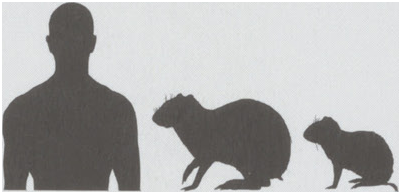
Dasyproctidae
Dasyproctidae, from Ancient Greek δασύς (dasús), meaning "hair", and πρωκτός (prōktós), meaning "anus", is a family of large South American rodents, comprising the agoutis and acouchis. Their fur is a reddish or dark colour above, with a paler underside. They are herbivorous, often feeding on ripe fruit that falls from trees. They live in burrows, and, like squirrels, will bury some of their food for later use.
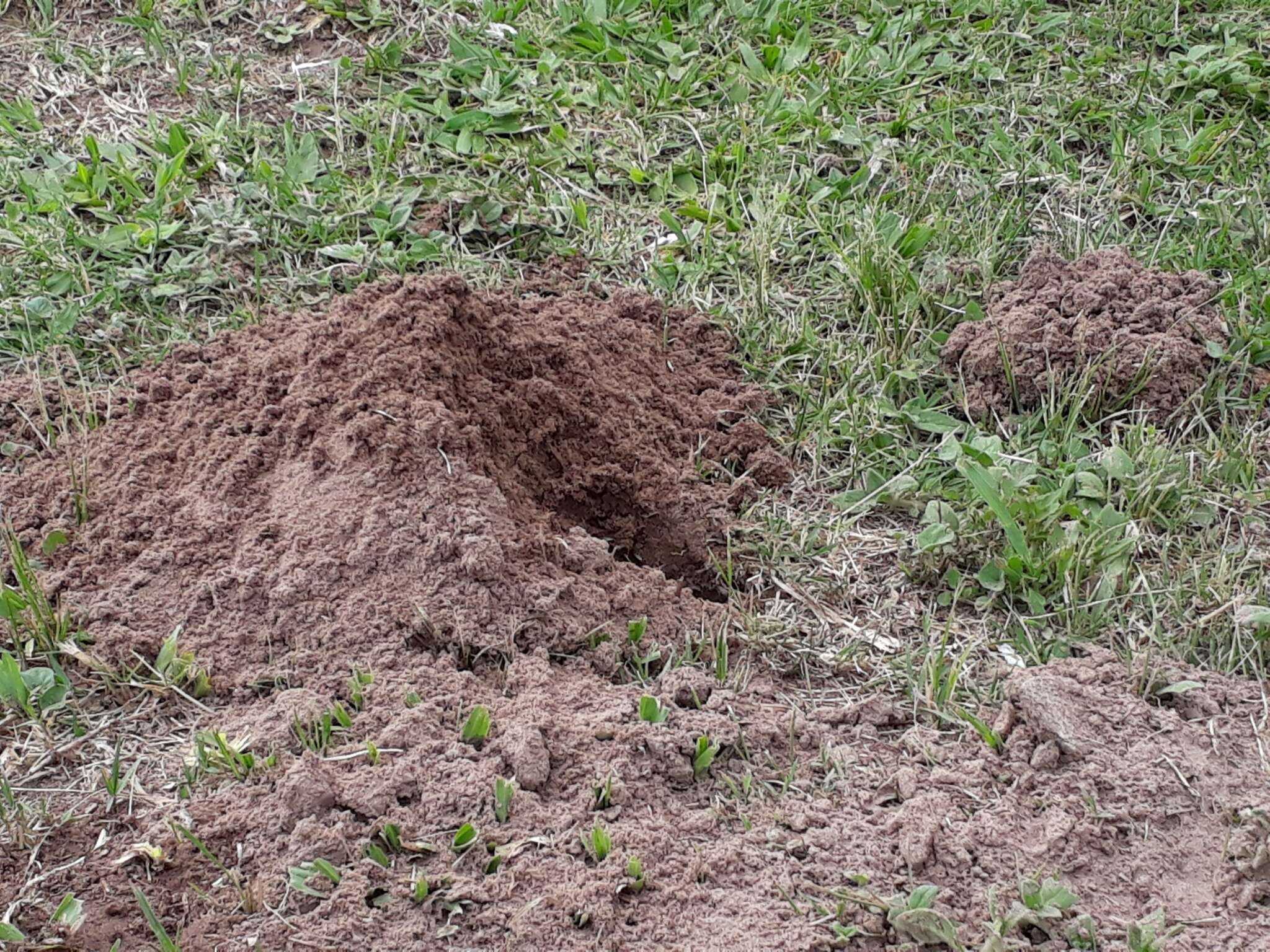
Ctenomys
A tuco-tuco is a neotropical rodent in the family Ctenomyidae. Tuco-tucos belong to the only living genus of the family Ctenomyidae, Ctenomys, but they include approximately 60 different species. The common name, "tuco-tuco", comes from the "tuc-tuc" sound they make while they dig their burrows.
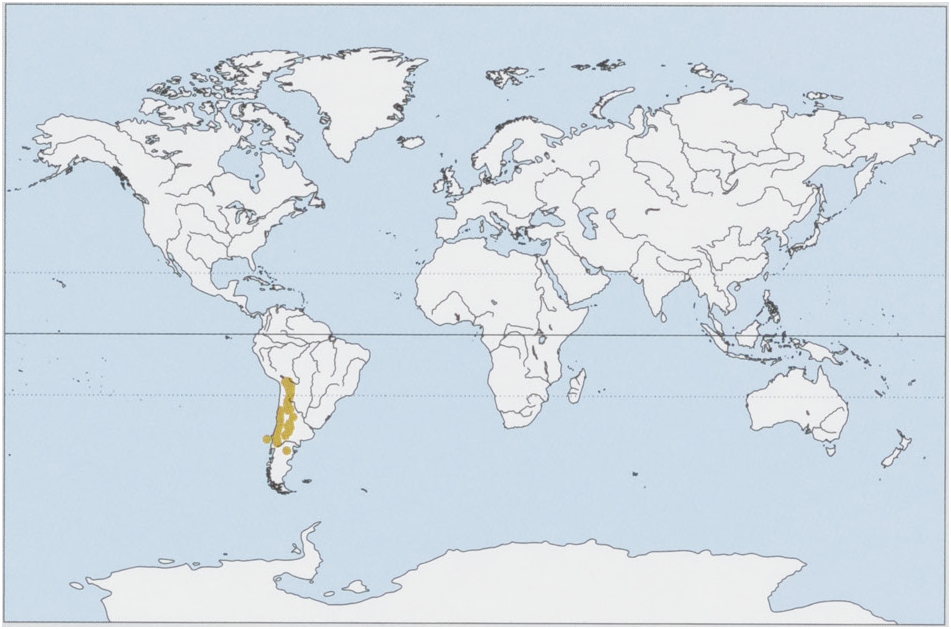
Octodontidae
Octodontidae, from Ancient Greek ὀκτώ (oktṓ), meaning "eight", and ὀδούς (odoús), meaning "tooth", is a family of rodents, restricted to southwestern South America. Fourteen species of octodontid are recognised, arranged in seven genera. The best known species is the common degu, Octodon degus.

Paca
A paca (from Tupí paka) is a member of the genus Cuniculus of ground-dwelling, herbivorous rodents in South and Central America. It is the only genus in the family Cuniculidae. Pacas are large rodents with dots and stripes on their sides, short ears, and barely visible tails. Pacas are eaten by people in Belize, where they are known as "gibnut" and, having been served to Queen Elizabeth II, "the royal rat". In the Amazon basin they are known as "majás". In Guyanese English, it is known as labba from Arawak. In Trinidad they are known as lappe and are highly prized as game animals; the cooked m

chinchilla rats
family of mammals

Dinomyidae
The Dinomyidae are a family of South American hystricognath rodents: the dinomyids were once a very speciose group, but now contain only a single living species, the pacarana. Several of the extinct dinomyids were among the largest rodents known to date; these included the bison-sized Josephoartigasia monesi and the smaller Josephoartigasia magna. The dinomyids are thought to have occupied ecological niches associated with large grazing mammals due to their ability to compete with the native ungulates of South America. Conversely, they could feed on aquatic or swampy plants along the ancient r

Caviomorpha
Caviomorpha is the rodent parvorder that unites all New World hystricognaths. It is supported by both fossil and molecular evidence. The Caviomorpha was for a time considered to be a separate order outside the Rodentia, but is now accepted as a genuine part of the rodents. Caviomorphs include the extinct Heptaxodontidae (giant hutias), the extinct Josephoartigasia monesi (the largest rodent ever known) and extant families of chinchilla rats, hutias, guinea pigs and the capybara, chinchillas and viscachas, tuco-tucos, agoutis, pacas, pacaranas, spiny rats, New World porcupines, coypu and octodo
Heptaxodontidae
Heptaxodontidae, rarely called giant hutia, is an extinct family of large rodents known from fossil and subfossil material found in the West Indies. One species, Amblyrhiza inundata, is estimated to have weighed between , reaching the weight of an eastern gorilla. This is twice as large as the capybara, the largest rodent living today, but still much smaller than Josephoartigasia monesi, the largest rodent known. These animals were probably used as a food source by the pre-Columbian peoples of the Caribbean.
Eocardia
Eocardia is an extinct genus of rodent from the Early to Middle Miocene of Argentina (Santa Cruz Formation) and Chile, South America. The long creature was related to guinea pigs and the capybara.
Neoepiblemidae
The Neoepiblemidae are an extinct family of hystricognath rodents from South America. The genera Dabbenea and Perumys are now included in Phoberomys. The delineation between Neoepiblemidae and Dinomyidae has historically been unclear, with some genera (such as Phoberomys and Eusigmomys) having varying taxonomic placement. A 2017 study found Phoberomys to be part of the group, while Eusigmomys was found to be part of the Dinomyidae.