Category
page 1Chariots

chariot
thumb|250px|Reconstructed Roman chariot drawn by horses.
thumb|250px|Approximate historical map of the spread of the spoke-wheeled chariot, 2000—500 BC

quadriga
thumb|upright=1.5|Quadriga on the Austrian Parliament Building, Vienna
South-pointing chariot
ancient Chinese two-wheeled vehicle
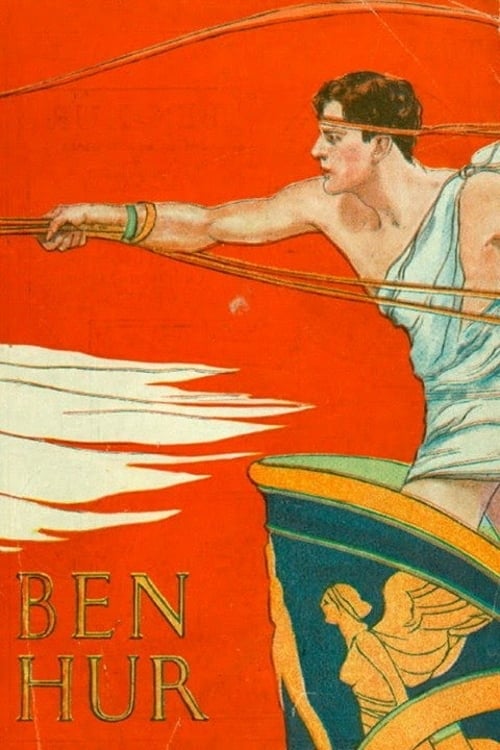
Ben Hur
1907 American short film directed by Sidney Olcott

Kikkuli
Kikkuli was the Hurrian "master horse trainer [assussanni] of the land of Mitanni" (LÚA-AŠ-ŠU-UŠ-ŠA-AN-NI ŠA KUR URUMI-IT-TA-AN-NI) and author of a chariot horse training text written primarily in the Hittite language (as well as an Old Indo-Aryan language as seen in numerals and loan-words), dating to the Hittite New Kingdom (around 1400 BCE). The text is notable both for the information it provides about the development of Hittite, an Indo-European language, Hurrian, and for its content. The text was inscribed on cuneiform tablets discovered during excavations of Boğazkale and Ḫattuša in 190

Ratha
thumb|300px|Krishna, [[Arjuna at Kurukshetra, 18th- to 19th-century painting.]]
Ratha (Proto-Indo-Iranian: *Hrátʰas, Vedic Sanskrit: रथ, ; Avestan: raθa) is the Indo-Iranian term for a spoked-wheel chariot. The term has been used since antiquity for both fast chariots and other wheeled vehicles pulled by animals or humans, in particular the large temple cars or processional carts still used in Indian religious processions to carry images of a deity.
biga
chariot pulled by two horses

carroccio
thumb|The carroccio of Milan on an ancient miniature
A carroccio (; ) was a large four-wheeled wagon bearing the city signs around which the militia of the medieval communes gathered and fought. It was particularly common among the Lombard, Tuscan and, more generally, northern Italian municipalities. Later its use spread even outside Italy. It was the symbol of municipal autonomy. Priests celebrated Mass at the altar before the battle, and the trumpeters beside them encouraged the fighters to the fray.
scythed chariot
war chariot with scythe blades mounted on each side
Qin bronze chariot
ancient Chinese bronze chariots
Chariots in ancient China
Wikipedia article
Hamaxobii
The Hamaxobii (), Anglicized Hamaxobians or Amaxobians, were a nomadic tribe who lived in chariots with leather tents mounted on them. They were Scythians. They were said to be descendants of the Medes.
Chariotry in ancient Egypt