Category
page 1Chinese desserts

mooncake
A mooncake () is a Chinese baked item traditionally eaten during the Mid-Autumn Festival (中秋節). The festival is primarily about the harvest, while a legend connects it to moon watching, and mooncakes are regarded as a delicacy. Mooncakes are offered between friends or on family gatherings while celebrating the festival. The Mid-Autumn Festival is widely regarded as one of the four most important Chinese festivals.
nian gao
Chinese food

tangyuan
Tangyuan is a traditional Chinese dessert made of glutinous rice shaped into balls that is served in a hot broth or syrup. They come in varying sizes, anything between a marble to a ping-pong ball, and are often stuffed with filling. Tangyuan are traditionally eaten during the Lantern Festival, but because the name is a homophone for reunion () and symbolizes togetherness and completeness, this dish is also served at weddings, family reunions, Chinese New Year, and the Dōngzhì (winter solstice) festival.
fried ice cream
Coated, deep-fried dessert
grass jelly
jelly-like dessert eaten in East Asia
sata andagi
doughnut-like Okinawan dessert made from deep fried dough

douhua
right|thumb|250px|Soy curd with sugar syrup sold in Kwai Chung, Hong Kong
Douhua is a Chinese sweet or savoury snack made with silken tofu. It is also referred to as doufuhua or tau foo fah, doufunao in northern China, tofu pudding, and soybean pudding.
almond tofu
Chinese dessert also popular in Hong Kong, Hong Kong, Taiwan, Japan, Malaysia and Singapore
custard tart
baked dessert consisting of an egg custard-filled pastry crust
tong sui
sweet, warm soup or custard served as a dessert at the end of a meal in Cantonese cuisine

sachima
Sachima () is a sweet snack in Chinese cuisine made of fluffy strands of fried batter bound together with a stiff sugar syrup. It originated in Manchuria and is now popular throughout China. It can also be found in Taiwan as well as overseas Chinese diasporas, most notably Malaysia and Singapore. Its decoration and flavor vary in different regional Chinese cuisines, but the appearance of all versions is essentially the same, somewhat similar to that of American Rice Krispies Treats.
Lo mai chi
glutinous rice pastry with coconut powder and mungo cream
Mango pudding
Dessert originating from India which is common in Hong Kong, Malaysia, Macau, Singapore and Thailand

sesame seed candy
food

mahua
Chinese dough twist that is fried in peanut oil
Ginger milk curd
Chinese dessert
lotus seed paste
Chinese dessert ingredient
Banana roll
common Chinese or Hongkonger pastry
guilinggao
Guilinggao (), literal translated as tortoise jelly (though not technically correct) or turtle powder, is a jelly-like Chinese medicine, also sold as a dessert. It was traditionally made from the gao, or paste of the plastron (bottom shell) from the turtle Cuora trifasciata (commonly known as "three-lined box turtle", or "golden coin turtle", 金錢龜) and a variety of herbal products, in particular, China roots Smilax glabra (土伏苓, Tu fu ling).
Although the critically endangered golden coin turtle (Cuora trifasciata) is commercially farmed in modern China, it is extremely expensive; therefore, even
Hasma
Hasma (harsmar, hashima) is a Chinese and widely Central Asian dessert ingredient made from the dried fatty tissue found near the fallopian tubes of true frogs, typically the Asiatic grass frog (Rana chensinensis). Because of its whitish appearance, hasma is often called "snow frog fat". Hasma is relatively expensive, so it is reserved for special occasions and found in high-end restaurants.
Put chai ko
Rice cake
aiwowo
thumb|Aiwowo: a traditional snack from Beijing
thumb|Aiwowo Hongluo showing interior
Aiwowo () is a traditional dessert from Beijing, China.
Jiuniang
Jiuniang 酒酿 is a sweet, soup- or pudding-like dish in Chinese cuisine. It is also known as sweet wine or sweet rice wine. It consists of a mixture of partially digested rice grains floating in a sweet saccharified liquid, with small amounts of alcohol (1.5–2%) and lactic acid (0.5%). It is made by fermenting glutinous rice with a starter called jiuqu containing Rhizopus oryzae or Aspergillus oryzae and often yeast and bacteria.
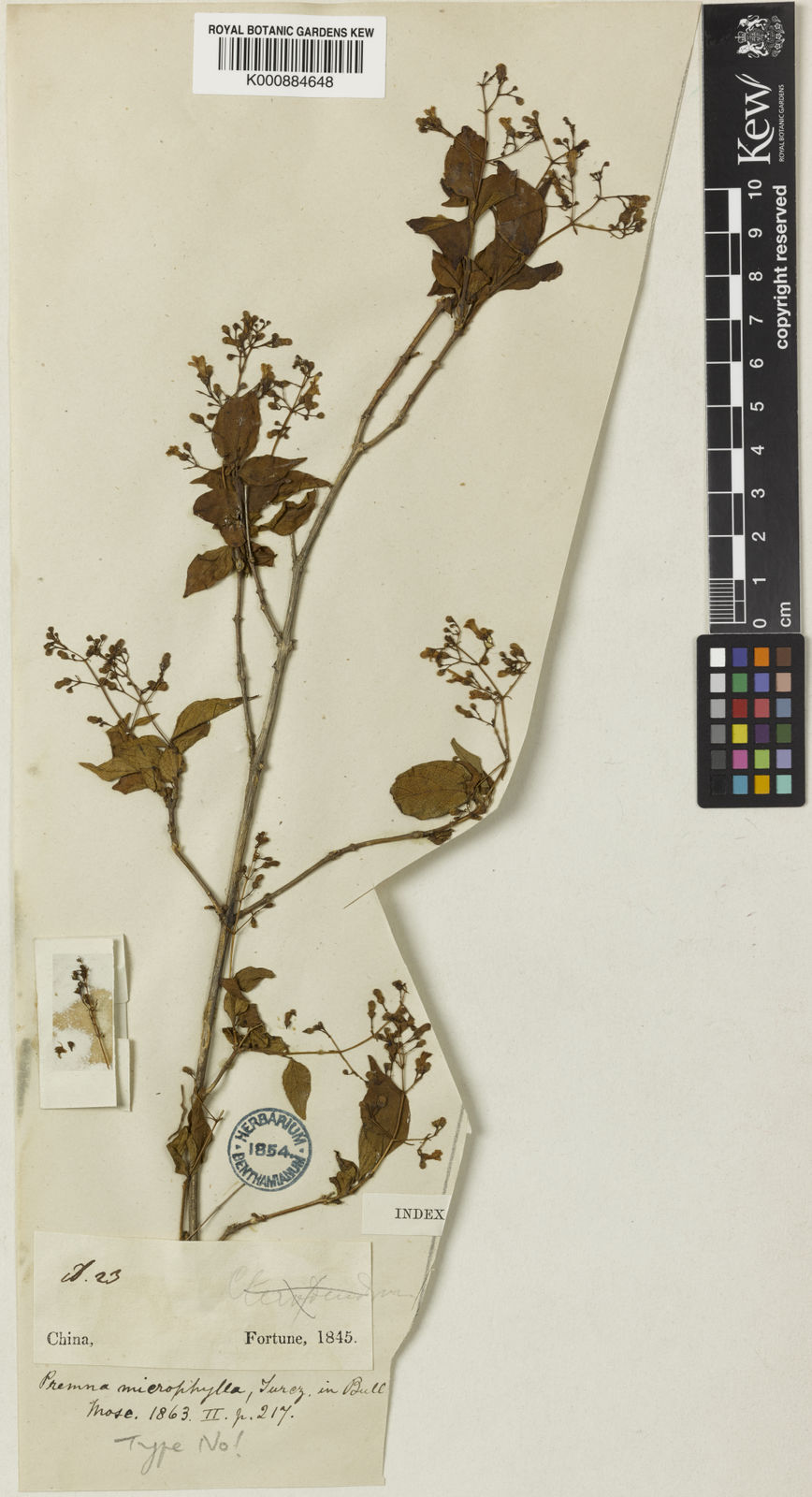
Premna microphylla
species of plant
Black sesame roll
Refrigerated dim sum dessert
Sugar painting
form of Chinese folk art

Sì
traditional spherical dessert eaten for celebration for the "Winter Solstice" festival in Fuzhou, China
yuanxiao
Yuanxiao () are dumplings of glutinous rice flour, filled with sesame or peanut powder and sugar, or sweet red bean paste, eaten in a soup during the Lantern Festival, the fifteenth day of the Chinese New Year. They are similar to tangyuan, but are traditionally prepared in a basket, and served mainly in Northern China.
Bingfen
thumb|A bowl of bingfen
Xi gua lao
traditional dish of Beijing