Category
page 1Classical liberalism

Voltaire
François-Marie Arouet (; 21 November 169430 May 1778), known by his pen name Voltaire (, ; ), was a French Enlightenment writer, philosopher (philosophe), satirist, and historian. Famous for his wit and his criticism of Christianity (especially of the Catholic Church) and of slavery, Voltaire was an advocate of freedom of speech, freedom of religion, and separation of church and state.

John Locke
English philosopher and physician (1632-1704)

Age of Enlightenment
period of European history and cultural movement of the 17th and 18th centuries

Thomas Paine
American Founding Father, philosopher, and political activist (1737–1809)
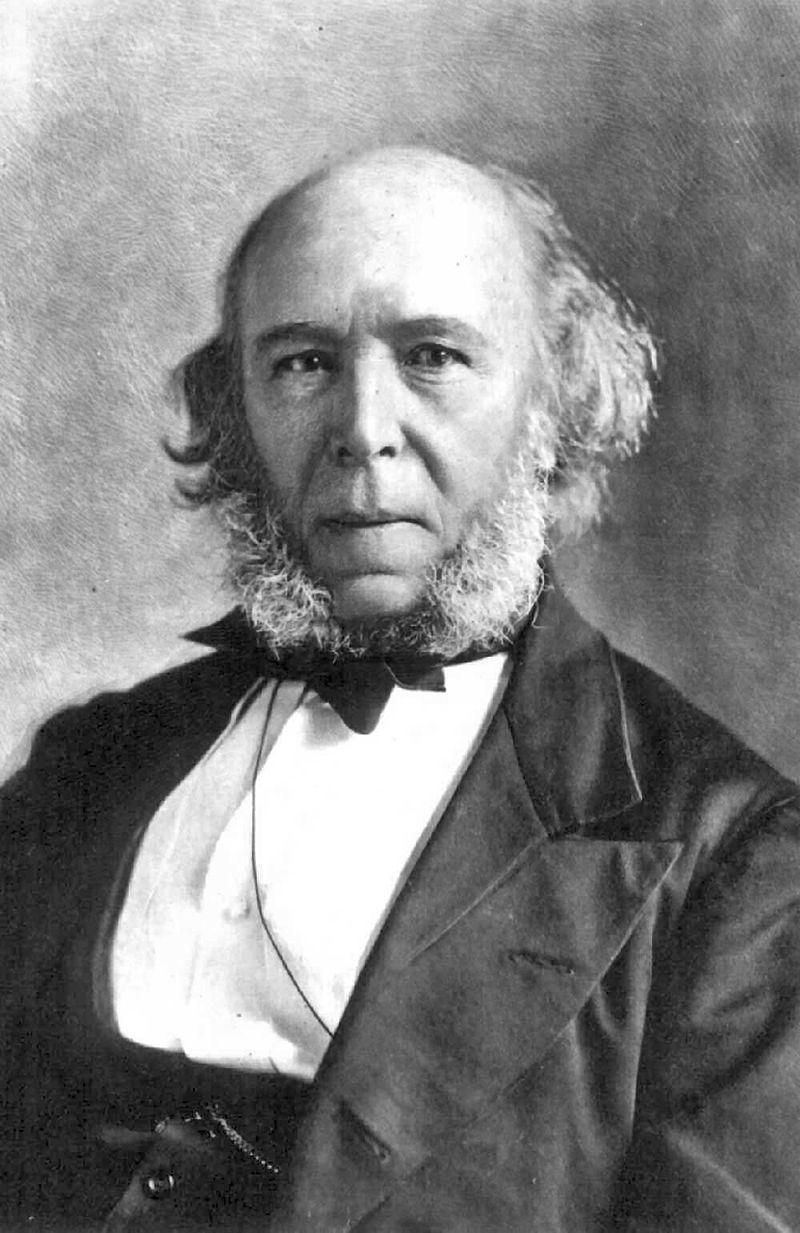
Herbert Spencer
English philosopher and political theorist (1820–1903)

William Ewart Gladstone
British Liberal prime minister (1809–1898)

utilitarianism
In ethical philosophy, utilitarianism is a family of normative ethical theories that prescribe actions that maximize happiness and well-being for the affected individuals. In other words, utilitarian ideas encourage actions that lead to the greatest good for the greatest number. Although different varieties of utilitarianism admit different characterizations, the basic idea that underpins them all is, in some sense, to maximize utility, which is often defined in terms of well-being or related concepts. For instance, Jeremy Bentham, the founder of utilitarianism, described utility as the capaci

neoliberalism

market economy
type of economic system

free market
form of market-based economy
laissez faire
Laissez-faire ( , from , ) implies that nothing restricts what happens, irrespective of the potential consequences.

The Wealth of Nations
1776 work on economics by Adam Smith

physiocracy
Physiocracy (; from the Greek for "government of nature") is an economic theory developed by a group of 18th-century Age of Enlightenment French economists. They believed that the wealth of nations derived solely from the value of "land agriculture" or "land development" and that agricultural products should be highly priced. Their theories originated in France and were most popular during the second half of the 18th century. Physiocracy became one of the first well-developed theories of economics.
classical radicalism
historical political movement within liberalism

anarcho-capitalism
thumb|alt=A two-colored flag, split diagonally, with yellow at the top and black at the bottom|The black and gold flag, a symbol of anarchism (black) and capitalism (gold) which, according to Murray Rothbard, was first flown in 1963 in [[Colorado and is also used by the Swedish Anarkokapitalistisk Front.|261x261px]]
classical liberalism
political ideology favoring civil liberties with emphasis on economic freedom

economic liberalism
political and economic ideology
invisible hand
economic concept popularized by Adam Smith
liberal conservatism
political ideology within conservatism

The Road to Serfdom
non-fiction work by Friedrich von Hayek
On Liberty
non-fiction work by John Stuart Mill

Two Treatises of Government
work of political philosophy by John Locke

Progress and Poverty
non-fiction work by Henry George
negative liberty
capacity to defy others' restrictions on one's own life
Mont Pelerin Society
international neoliberal organization
parable of the broken window
parable by French economist Frédéric Bastiat
Rights of Man
set of essays by Thomas Paine
freedom of contract
freedom to form contracts without government restrictions
Human Action, a treatise on economics.
non-fiction work by Ludwig von Mises
.svg)
Orléanism
thumb|right|Coat of arms of the House of Orléans at the start of the [[July Monarchy]]
Tableau économique
18th century physiocratic economic model
fiscal conservatism
economic ideology within conservatism in the United States

Utilitarianism
1861 essay by John Stuart Mill
Jacksonian Democracy
19th-century American political philosophy

Reason
American libertarian monthly magazine
Friedrich Naumann Foundation
German foundation for liberal politics
limited government
form of government limited in power

Free to Choose
non-fiction work by Milton Friedman
harm principle
moral philosophy principle
self-ownership
Self-ownership, also known as sovereignty of the individual or individual sovereignty, is the concept of property in one's own person, expressed as the moral or natural right of a person to have bodily integrity and be the exclusive controller of one's own body and life. Self-ownership is a central idea in several political philosophies that emphasize individualism, such as libertarianism, liberalism, and anarchism.

Capitalism and Freedom
book by Milton Friedman
Auberon Herbert
British politician (1838–1906)
Jeffersonian democracy
American political persuasion of the 1790s until the 1820s
The Use of Knowledge in Society
essay by Friedrich A. von Hayek
Foundation for Economic Education
American conservative, libertarian economic think tank
Students for Liberty
libertarian organisation

Yaroslav Romanchuk
Belarusian economist and politician
Equity feminism
form of liberal feminism

Anti-Administration Party
political faction
Bourbon Democrat
U.S. political faction
John Cartwright
English naval officer and political reformer

The Law
1850 essay by Frédéric Bastiat
Law, Legislation and Liberty
book by Friedrich von Hayek
marketplace of ideas
rationale for freedom of expression in a liberal democracy
Lockean proviso
element of Locke's theory of property
French liberal school
19th-century laissez-faire.advocates
George Jonas
Canadian-Hungarian writer
L'Opinion
French daily newspaper
Law of equal liberty
fundamental precept of liberalism and socialism
Progress Party's Youth
Norwegian political party youth wing