Category
page 1Commercial crustaceans
.jpg)
Brachyura
thumb|Gecarcinus quadratus, a [[land crab from Central America]]

Nephropidae
thumb|Lobsters awaiting purchase in Trenton, Maine

Caridea
The Caridea, commonly known as caridean shrimp or true shrimp (from Ancient Greek καρίς, καρίδος (karís, karídos, "shrimp"), are an infraorder of shrimp within the order Decapoda. This infraorder contains all species of true shrimp. They are found widely around the world in both fresh and salt water. Many other animals with similar names – such as the mud shrimp of Axiidea and the boxer shrimp of Stenopodidea – are not true shrimp, but many have evolved features similar to true shrimp.

Euphausiacea
Krill (Euphausiids) (: krill) are small and exclusively marine crustaceans of the order Euphausiacea, found in all of the world's oceans. The name "krill" comes from the Norwegian word '''', meaning "small fry of fish", which is also often attributed to species of fish.

Palinuridae
family of crustaceans

Astacus astacus
species of crayfish in Europe

shrimp
A shrimp (: shrimp (US) or shrimps (UK)) is a common name typically used for crustaceans with an elongated body and a primarily swimming mode of locomotion – usually decapods belonging to the Caridea or Dendrobranchiata, although some crustaceans outside of this order are also referred to as "shrimp".

Stomatopoda
order of crustaceans

Homarus gammarus
species of crustacean

Nephrops norvegicus
species of crustacean
Callinectes sapidus
species of crab

Cancer pagurus
species of crustacean

Crangon crangon
caridean shrimp

Paralithodes camtschaticus
species of king crab

Penaeus monodon
species of crustacean

American lobster
species of crustacean

Dendrobranchiata
Dendrobranchiata is a suborder of decapods, commonly known as prawns (though this may be ambiguous). There are 540 extant species in seven families, and a fossil record extending back to the Devonian. They differ from related animals, such as Caridea and Stenopodidea, by the branching form of the gills (hence their scientific name Dendrobrachiata) and by the fact that they do not brood their eggs, but release them directly into the water. They may reach a length of over and a mass of , and are widely fished and farmed for human consumption.

Artemia salina
species of crustacean

Palinurus elephas
species of crustacean
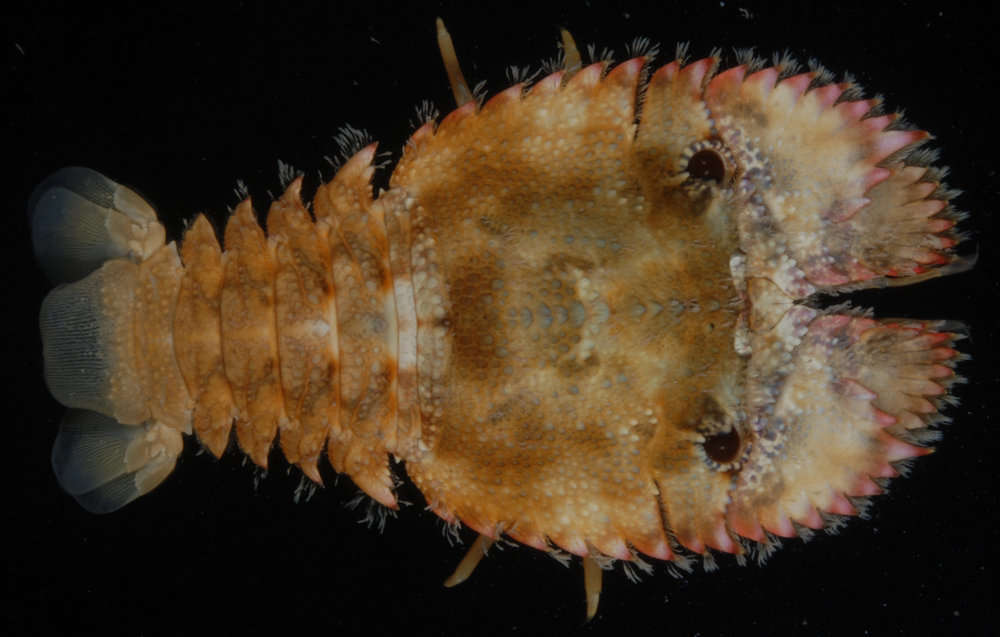
Scyllaridae
family of crustaceans

Scylla serrata
species of crustacean in Africa, Asia

northern prawn
species of crustacean

Portunus pelagicus
species of crustacean

Macrobrachium rosenbergii
species of crustacean

Litopenaeus vannamei
species of crustacean

Maja squinado
species of crustacean

Palaemon serratus
species of crustacean

Chionoecetes opilio
species of crustacean

Squilla mantis
species of crustacean

Panulirus ornatus
species of crustacean

Japanese spiny lobster
species of crustacean

prawn
thumb|The giant tiger prawn (Penaeus monodon) is an important species for aquaculture.

Dungeness crab
species of crustacean

Horsehair crab
species of crustacean
soft-shell crab
culinary term for molted crabs

Ranina ranina
species of crab

Penaeus chinensis
species of crustacean

Tasmanian giant crab
species of decapod crustaceans

Portunus trituberculatus
species of crustacean

Penaeus semisulcatus
species of crustacean

Panulirus interruptus
species of crustacean

Cherax quadricarinatus
species of crayfish

Panulirus cygnus
species of crustacean

Melicertus kerathurus
species of crustacean

Panulirus homarus
species of crustacean
crayfish as food
flesh from crayfish

Fenneropenaeus indicus
species of crustacean
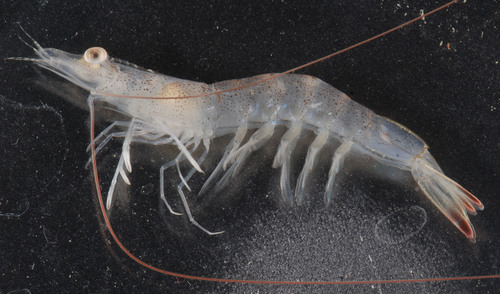
Litopenaeus setiferus
species of crustacean

Jasus edwardsii
species of crustacean

Aristaeomorpha foliacea
species of crustacean

blue king crab
species of king crab

red prawn
species of crustacean

Metanephrops challengeri
species of crustacean
shrimp and prawn as food
types of seafood that are consumed worldwide

Metapenaeus monoceros
species of crustacean

Jasus
Jasus is a genus of spiny lobsters which live in the oceans of the Southern Hemisphere. They have two distinct "horns" projecting from the front of the carapace, but lack the stridulating organs present in almost all other genera of spiny lobsters. Like all spiny lobsters, they lack claws, and have long stout antennae which are quite flexible.

Penaeus esculentus
species of crustacean
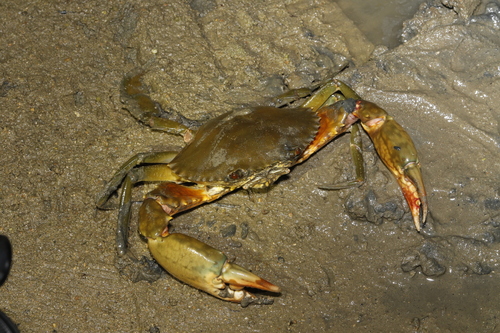
Scylla paramamosain
species of crab

Farfantepenaeus aztecus
species of crustacean

Acetes
Acetes is a genus of small prawns that resemble krill, which is native to the western and central Indo-Pacific, the Atlantic coast of the Americas, Pacific coast of South America and inland waters of South America. Although most are from marine or estuarine habitats, the South American A. paraguayensis is a fresh water species. Several of its species are important for the production of shrimp paste in Southeast Asia, including Acetes. japonicus, which is the world's most heavily fished species of wild shrimp or prawn in terms of total tonnage and represent the majority of non-human animals kil